
Overview
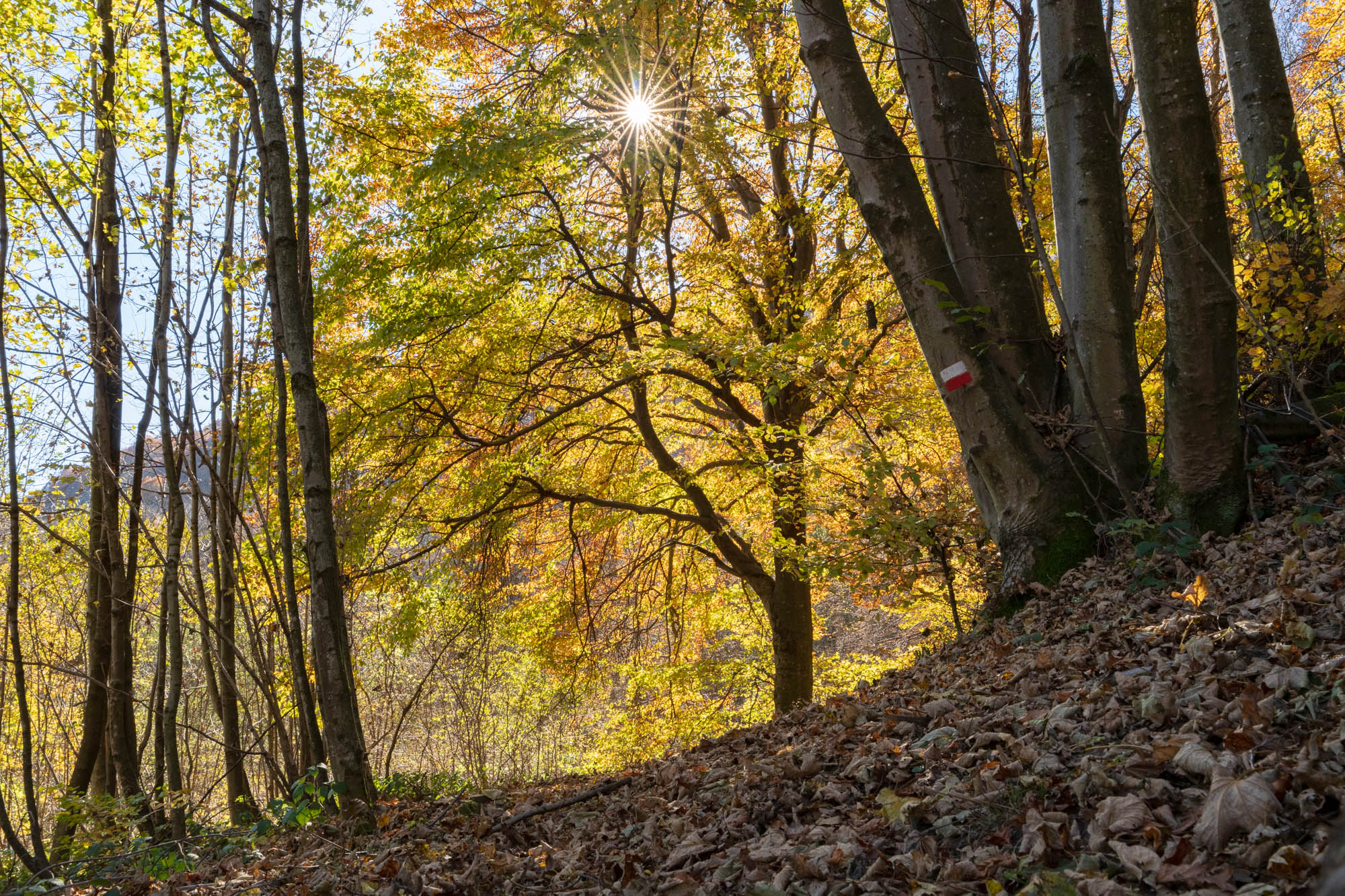
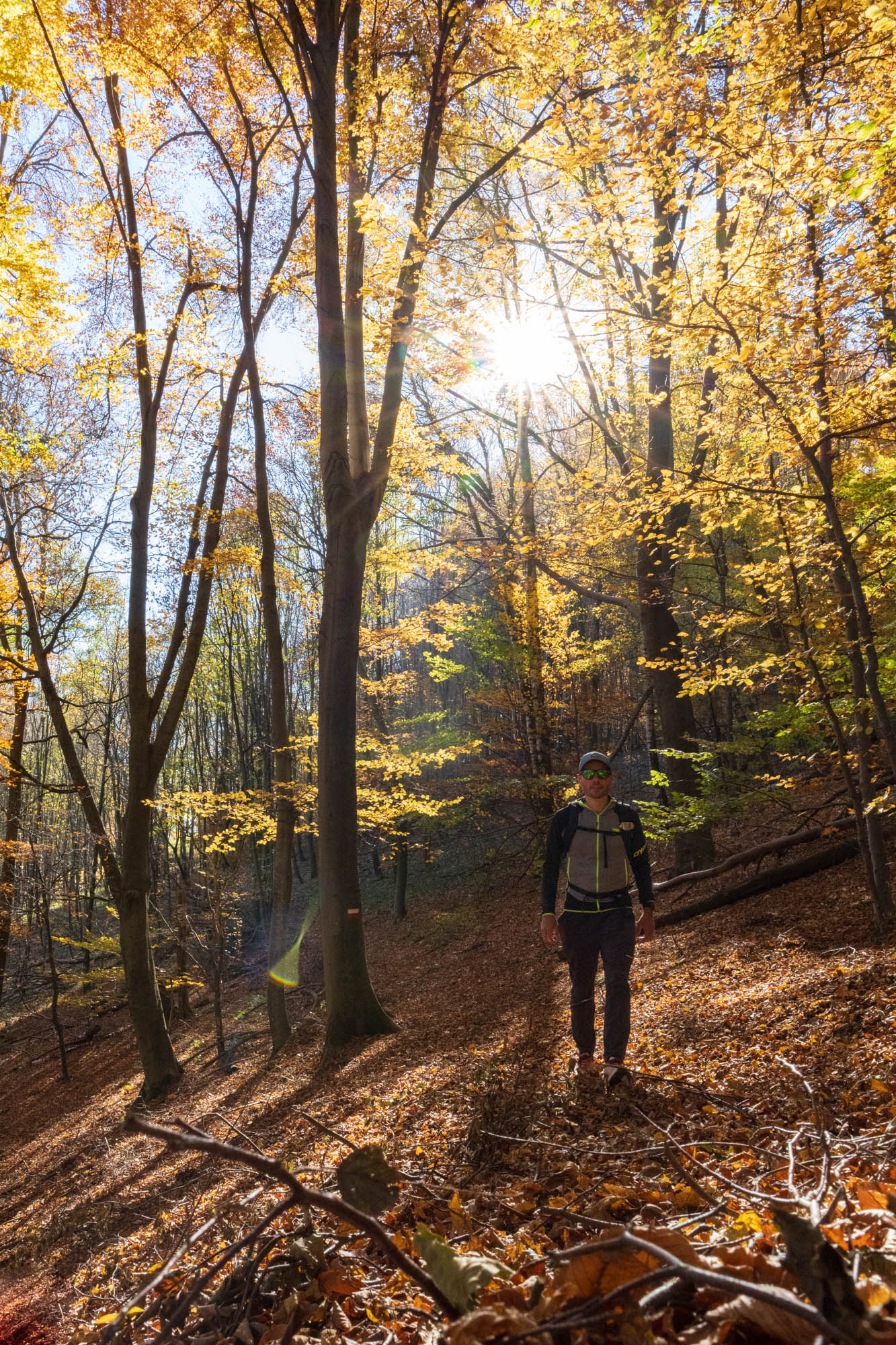
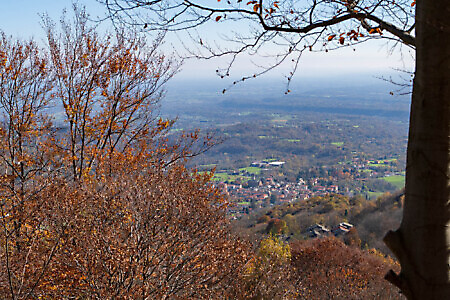
A woodland itinerary on the slopes of Bric Castello di Corio leads to the discovery of the slate quarries where flat stone slabs were extracted for use on roofs, steps, and balconies. These are important sites in local history, particularly from the second half of the 19th century to the early 20th century, when the industry was at its peak and provided work for dozens of local picapere (stone cutters). The route runs almost entirely through woodland, with few panoramic views, making it a good option for overcast days.
Starting point
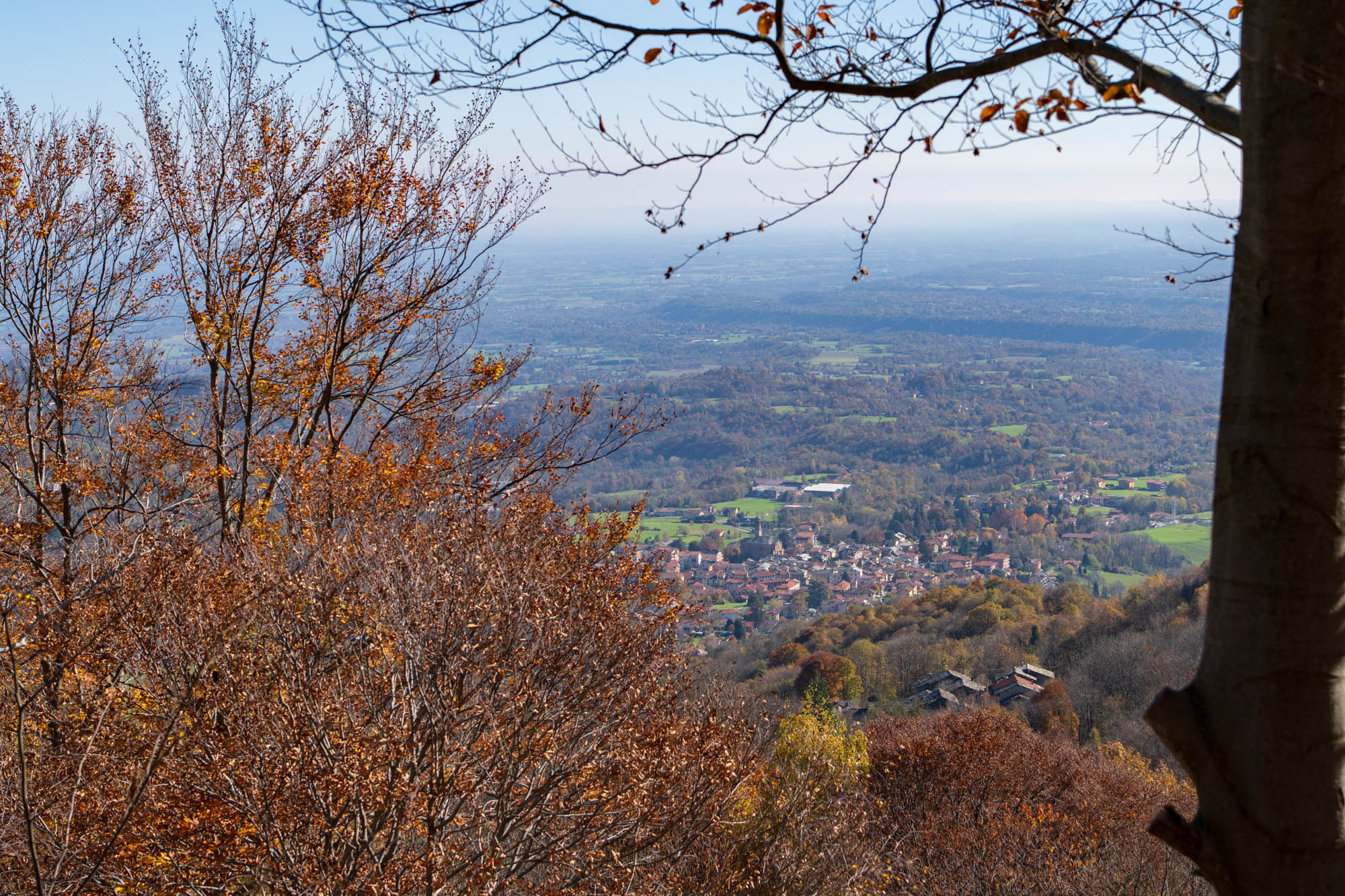
DirectionsBegin at the former primary school in Cudine, constructed in 1973 to commemorate those who lost their lives in the Cudine massacre, a significant event in the partisan resistance. Proceed northeast toward Corio. To the south, you can see the terraces of the Balangero asbestos mine, which was Europe’s largest and among the world’s biggest, operating until 1990.
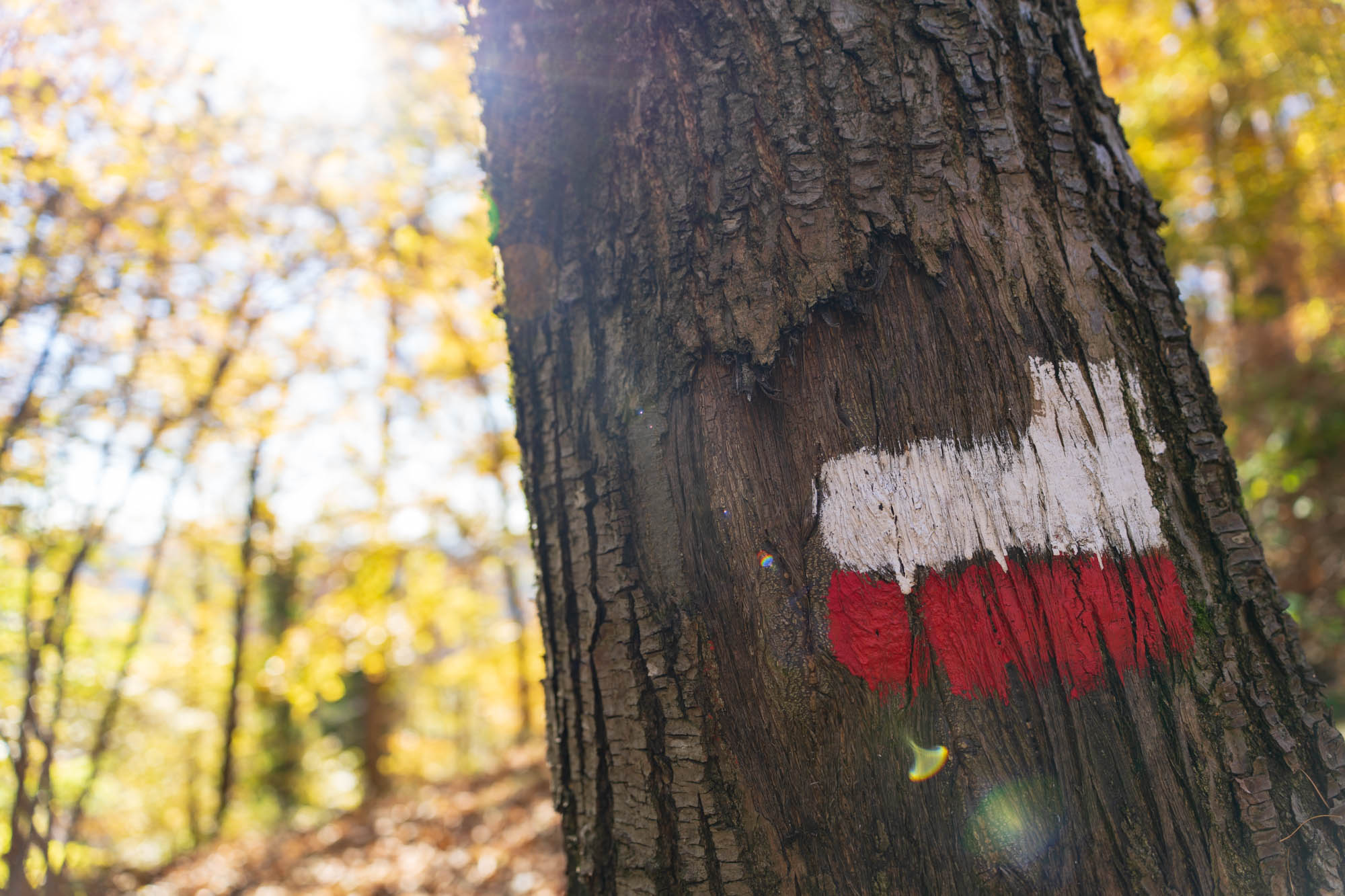
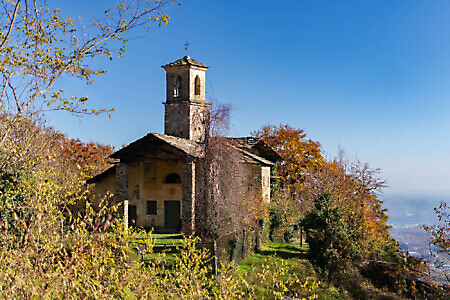
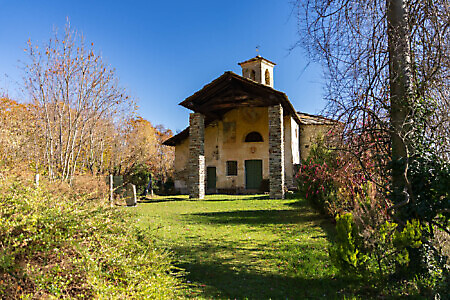
Pass the chapel dedicated to Saint Anthony of Padua, whose bell tower is uniquely separate and positioned against another building. Just beyond the Osteria di Campagna, turn left and ascend a set of steps that quickly transition into a mule track. Near the Case Gallo, take a left onto a dirt road. After a few paces, turn right onto a tarmacked road, then turn right again shortly after, and take a mule track on the right.
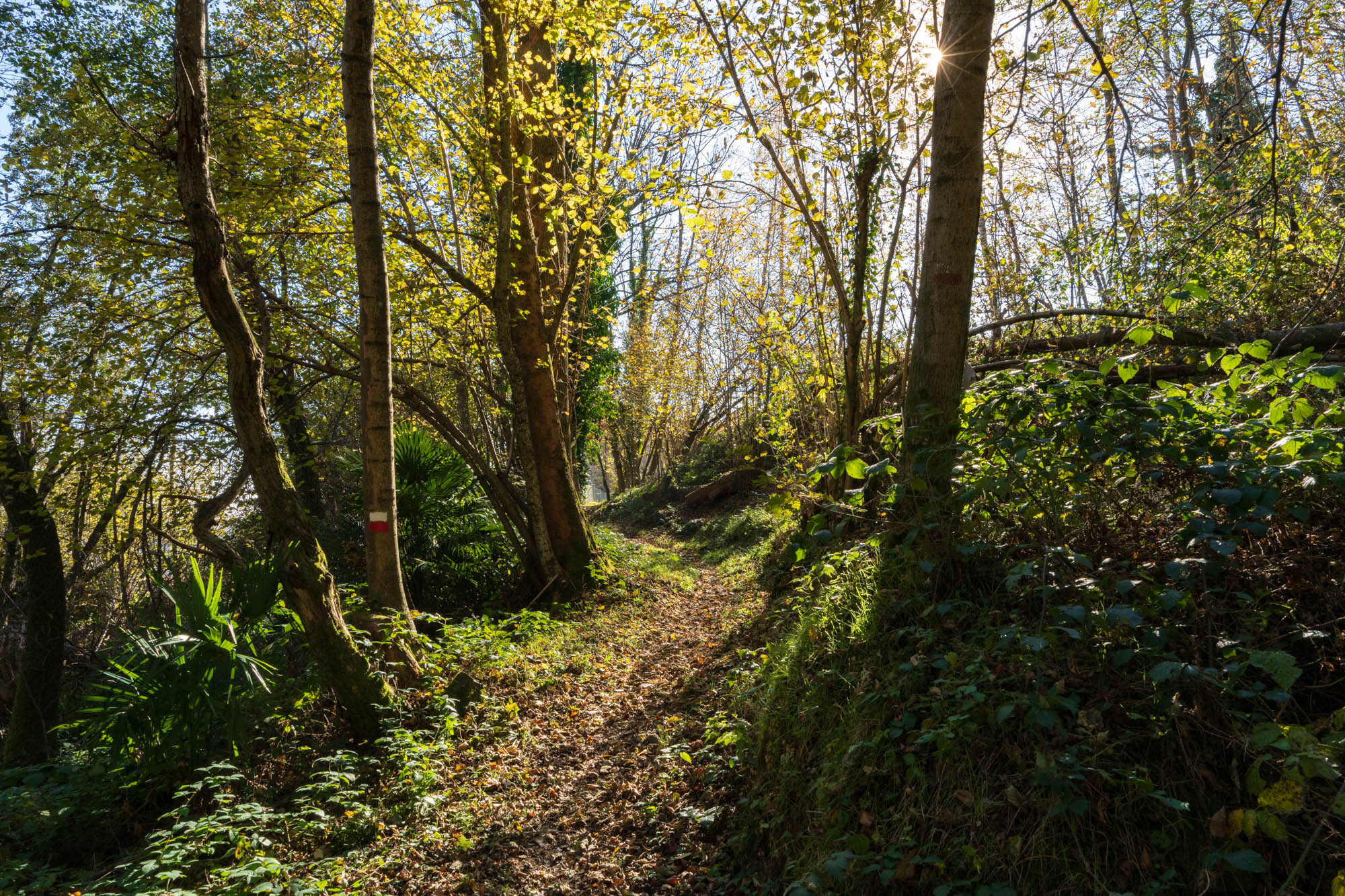
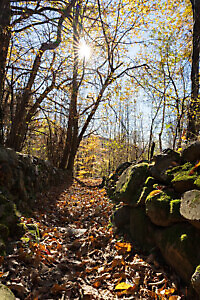
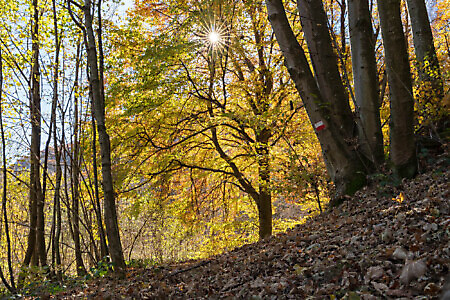
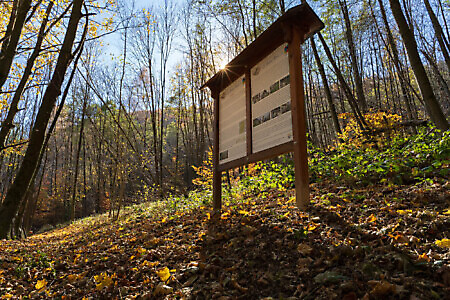
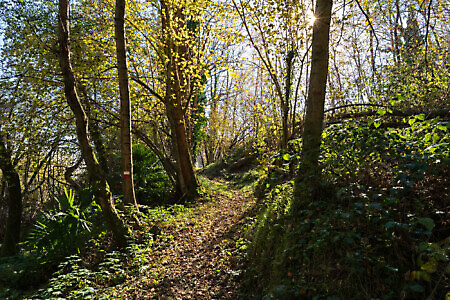
The path runs behind the houses and into a mixed woodland area. Cross a stream, pass a picnic table, and keep going uphill gently through chestnut, beech, and birch trees, with some sections bordered by dry-stone walls.
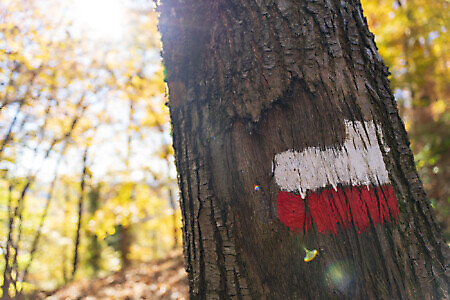
You will soon arrive at a junction where the loop starts. Turn left (you will come back from the right) and ascend a ramp to reach a small tarmacked road above. Continue along it to the right, going gently uphill. At the fork, go straight through the Case Quater hamlet, then turn left into the upper Case Ghena hamlet (925 m, fountain). The road then turns into a dirt track and later narrows into a mule track. Near the end of the hamlet, turn left along the side of a house (be aware: easy to overlook).
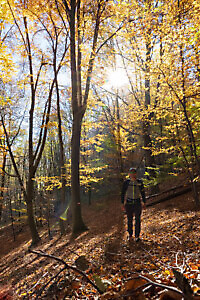
Continue straight at the next junction. The trail ascends and descends through a beech forest, narrows as it crosses a steep slope, and then passes through mixed woodland. Further along, it connects with a broader mule track.
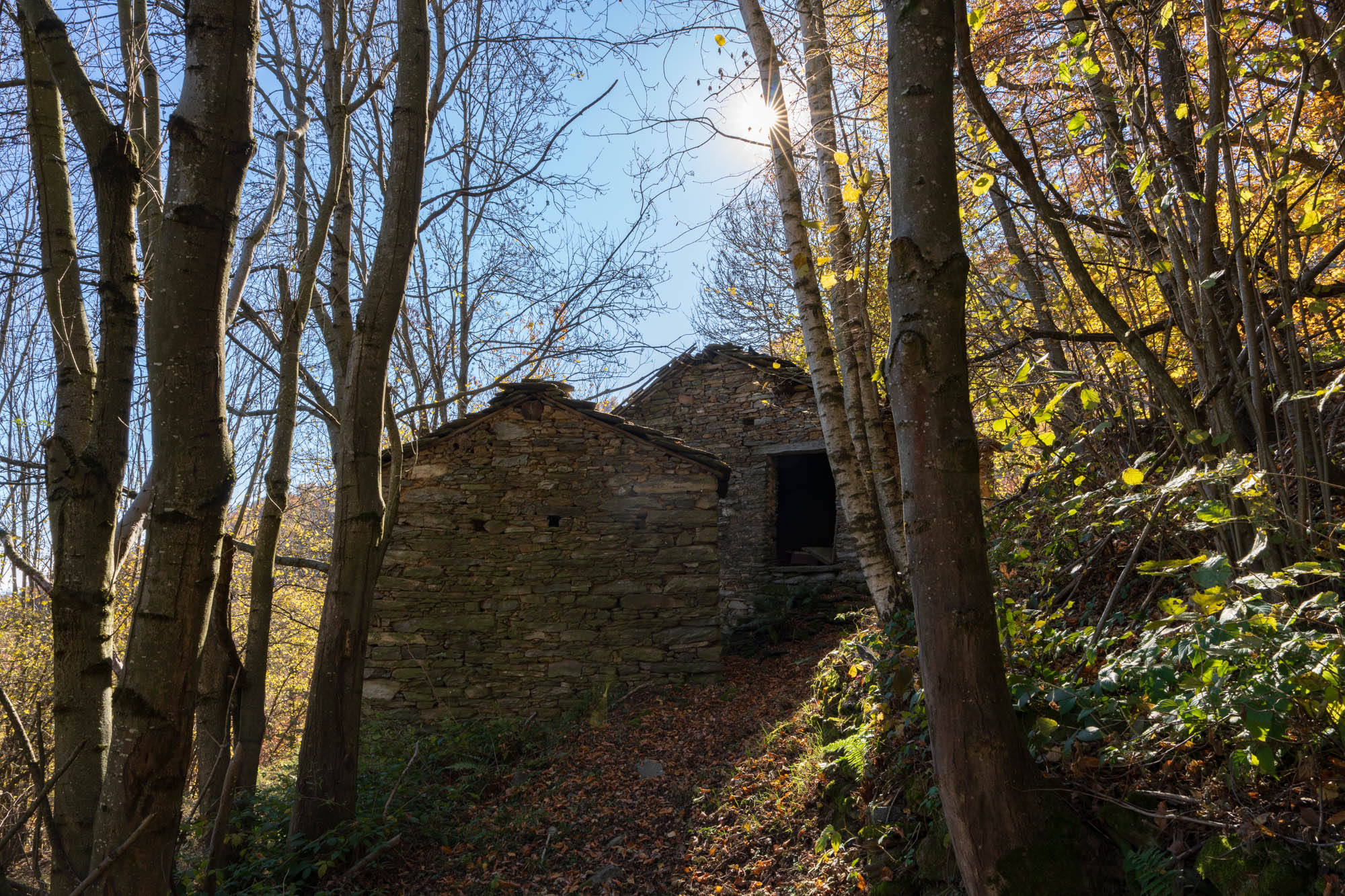
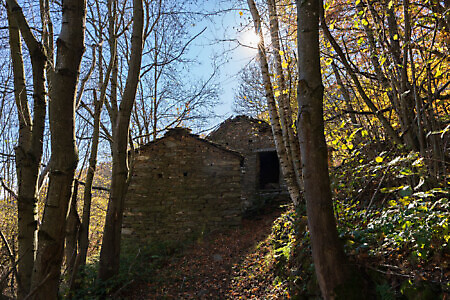
Follow this uphill to the left through mainly beech woodland. The path then drops to cross a gully, before climbing towards the Case Osella hamlet (971 m), the highest point of the route, passing by a pair of ruins beforehand.
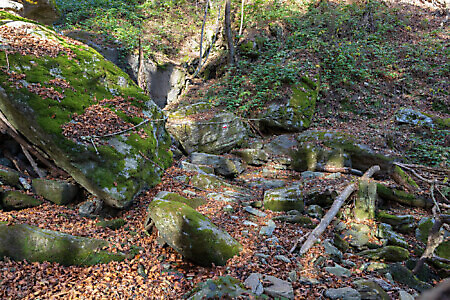
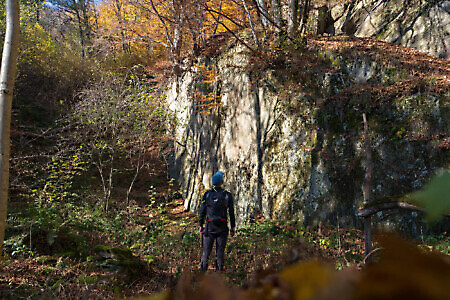
At the hamlet’s now-decaying buildings, with a little caution, you can navigate around the back to view a small slate quarry. The primary slate quarry, which provided employment to many local picapere (stone cutters) in the late 19th and early 20th centuries, is located a short distance ahead and is now mostly concealed by vegetation.
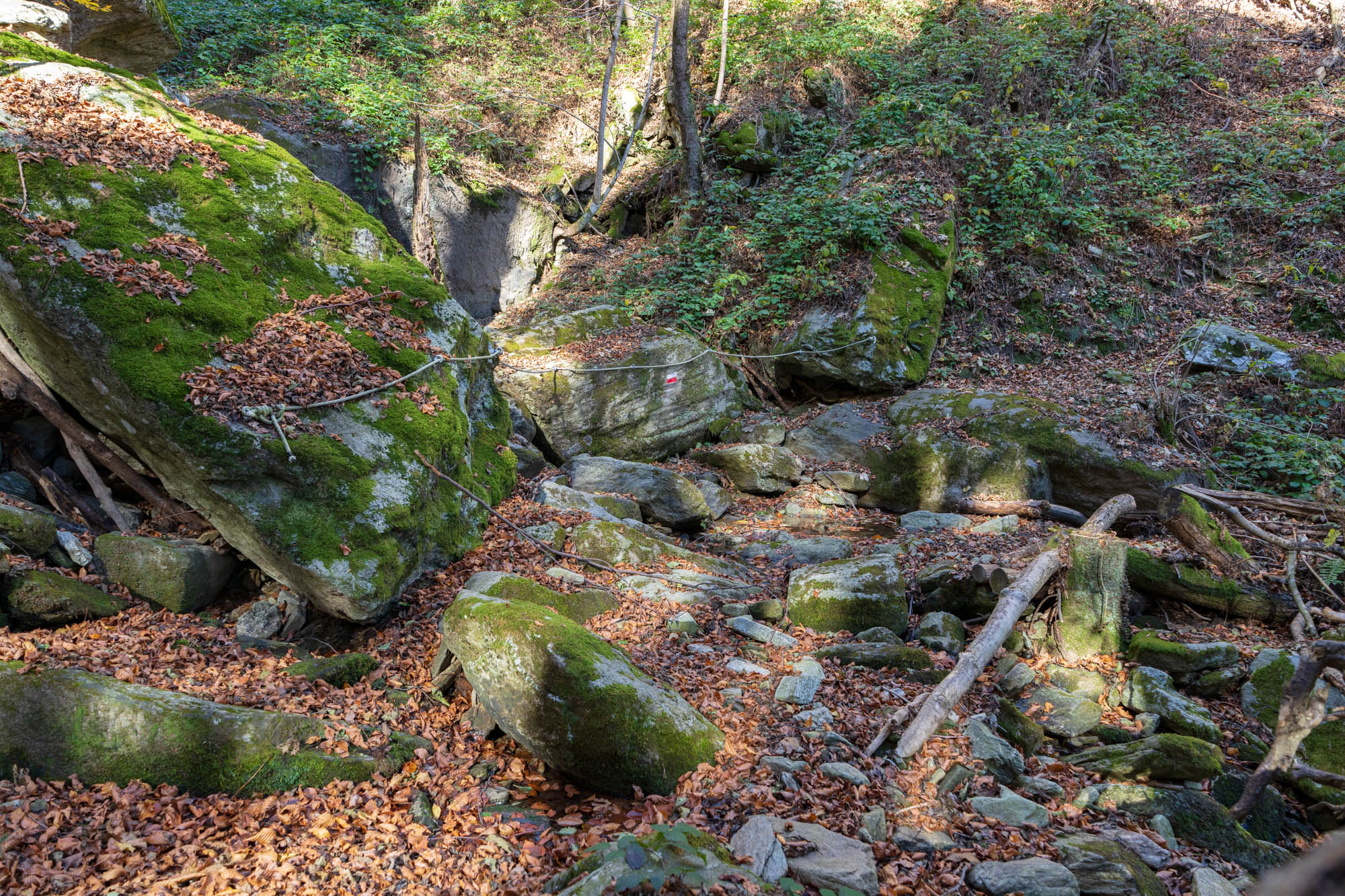
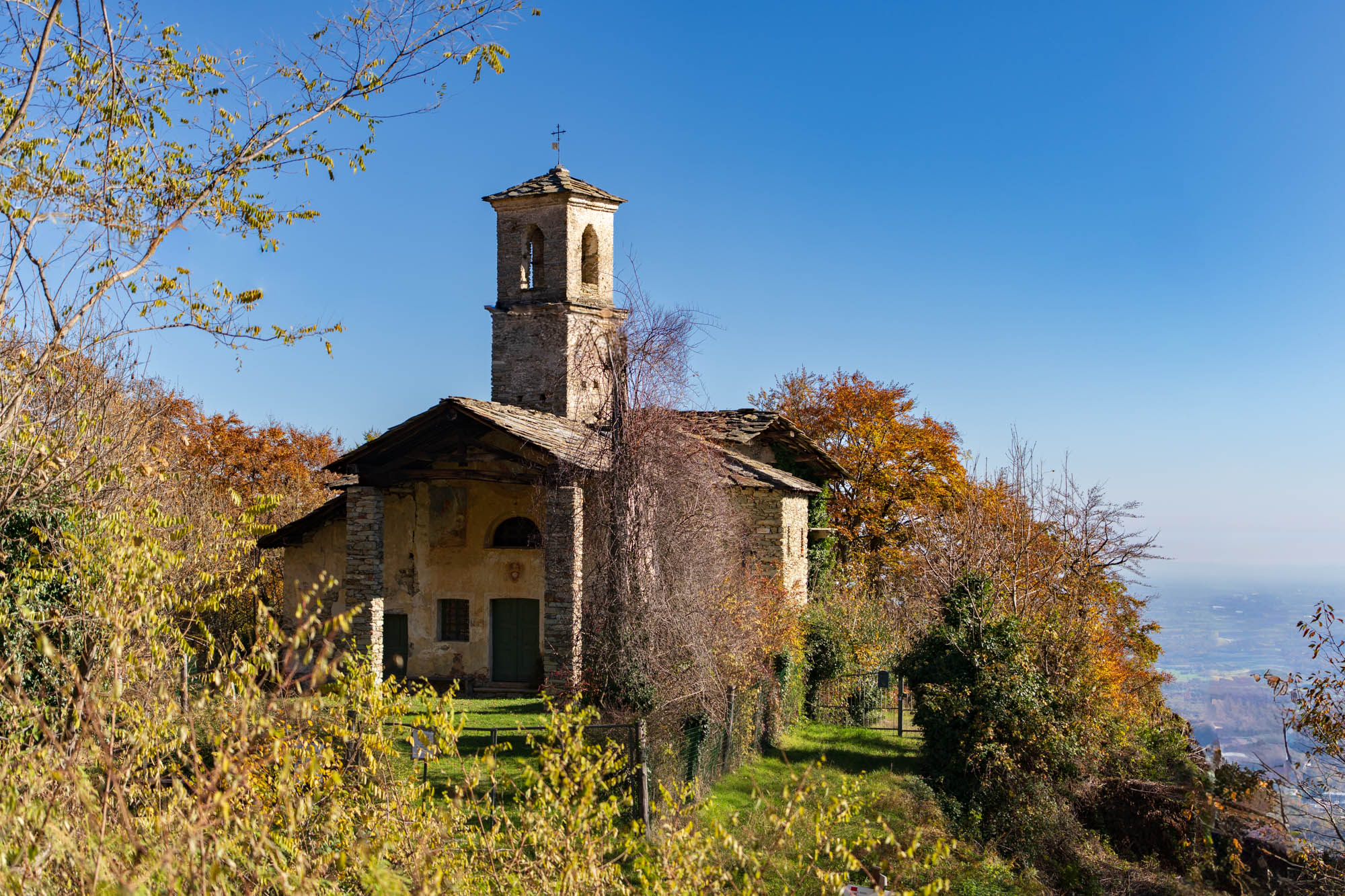
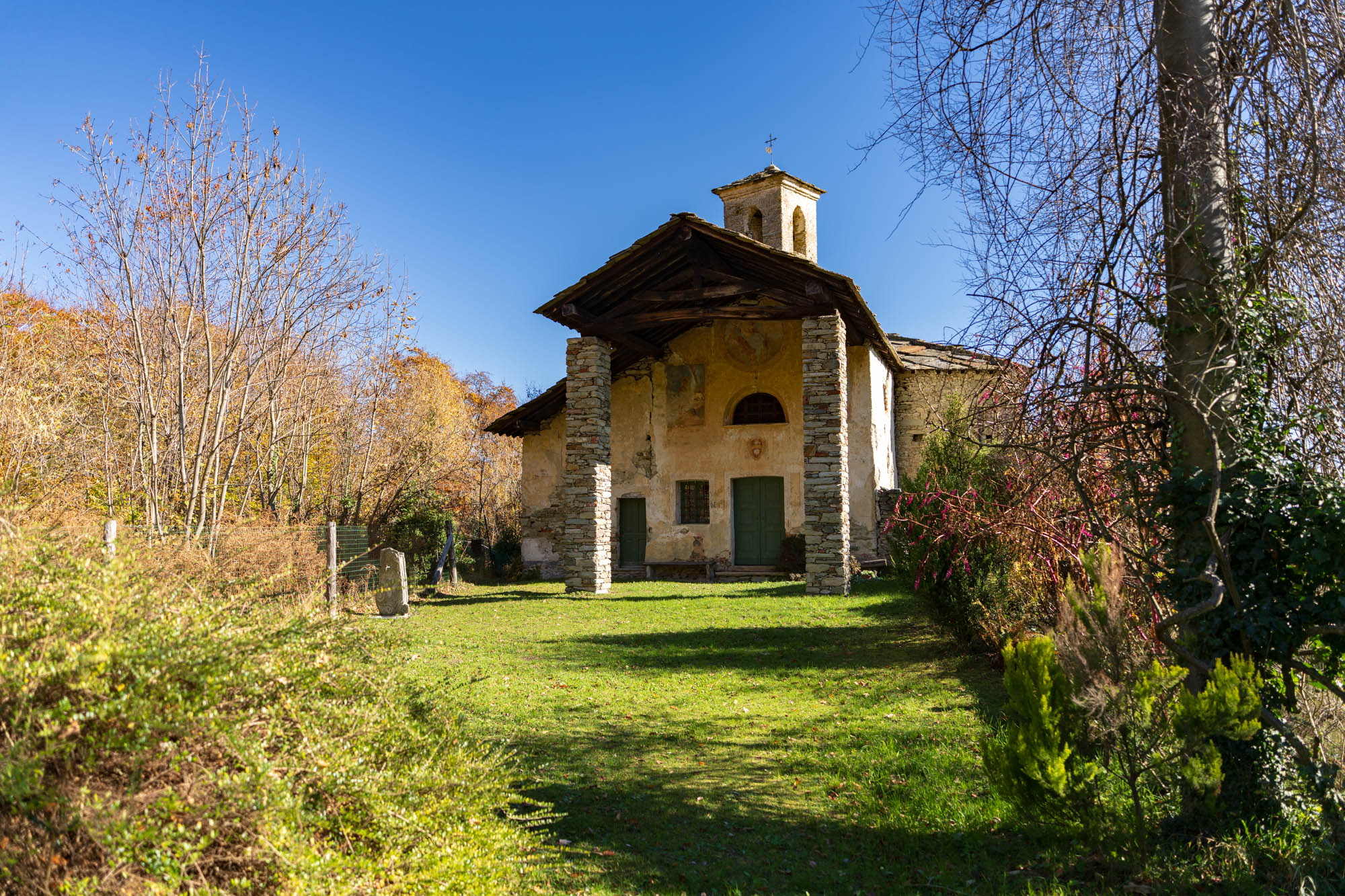
Beyond the hamlet, descend towards a gully with a rope (not necessary in dry weather). The path then ascends and descends to reach the Pichin hamlet. From there, you can take either the small paved access road or the mule track that bypasses a switchback. Both routes converge near a votive pillar, after which you arrive at the Chapel of San Giovanni (884 m). This chapel is of ancient origin, rebuilt multiple times over the centuries, but it is now fenced off.
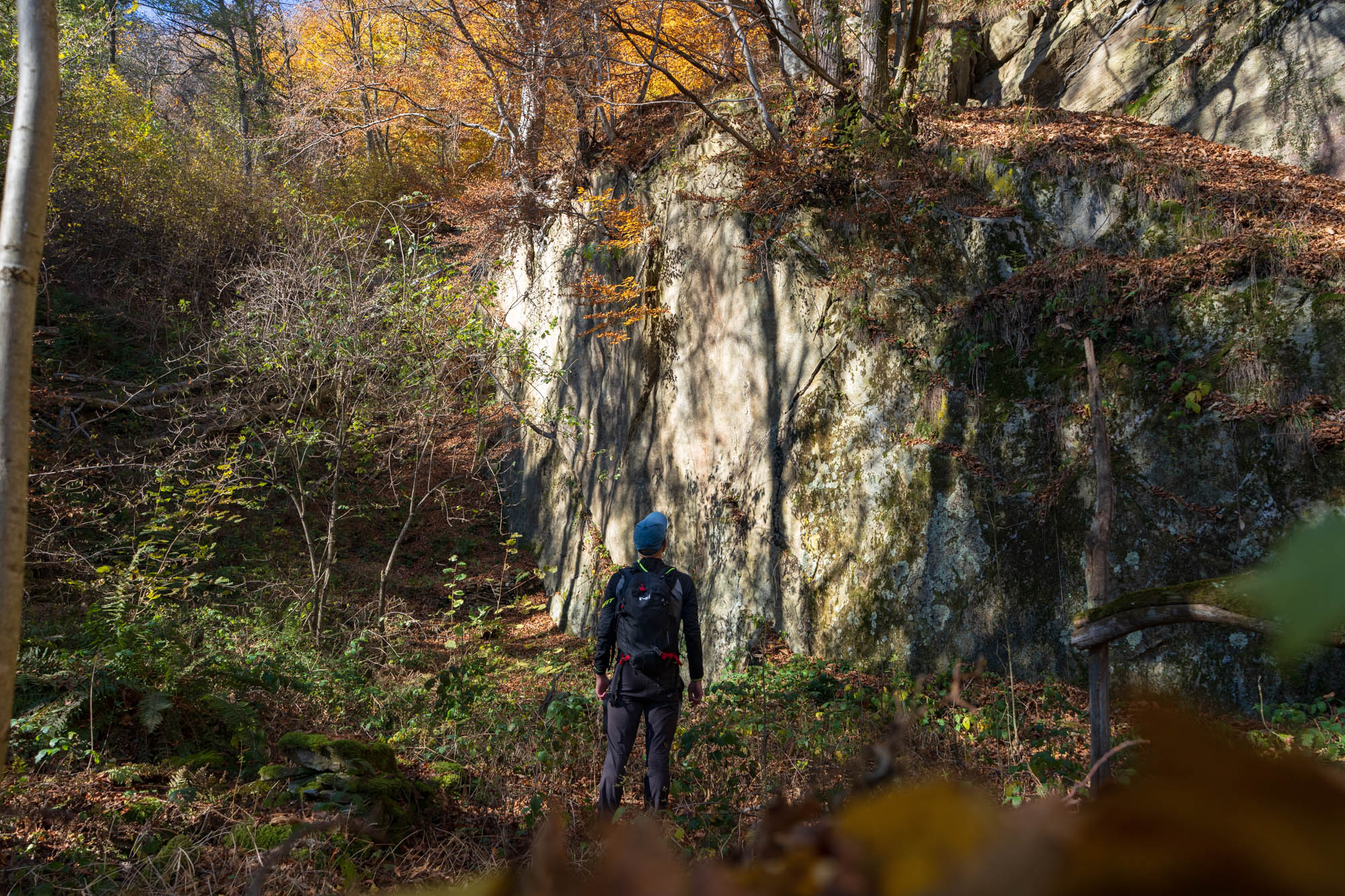
Continuing downhill, leave the tarmac for a roughly level dirt track that branches off to the right. Before it ends at the Case Coletto, take a mule track to the left. After four hundred metres, you pass the foot of the slate quarry, already seen from above at the Case Osella, which is worth a short detour for a closer look.
The path widens into a forestry track. Almost immediately, leave it for a mule track on the right that enters a distinctive avenue lined with upright stone slabs set in the ground. At the end, steps lead into the Case Macario hamlet (the fountain is slightly off to the left).
Pick your way through the hamlet to the tarmacked access road. After two hundred metres, take the small road on the right. It becomes a dirt track through the Case Dottora hamlet. Back on tarmac, turn right uphill into the Case Bertino hamlet. At the next switchback, take the dirt track on the left. It soon narrows to a path above the Case Cota. Stay high without dropping towards them, and continue to the junction where the loop began.
From here, simply retrace your steps back to the car.
Text by Valerio Dutto of Cuneotrekking.comReport a problem
Did you encounter a problem on this itinerary? Let us know and help us keep all routes safe and accessible for everyone.
Submit report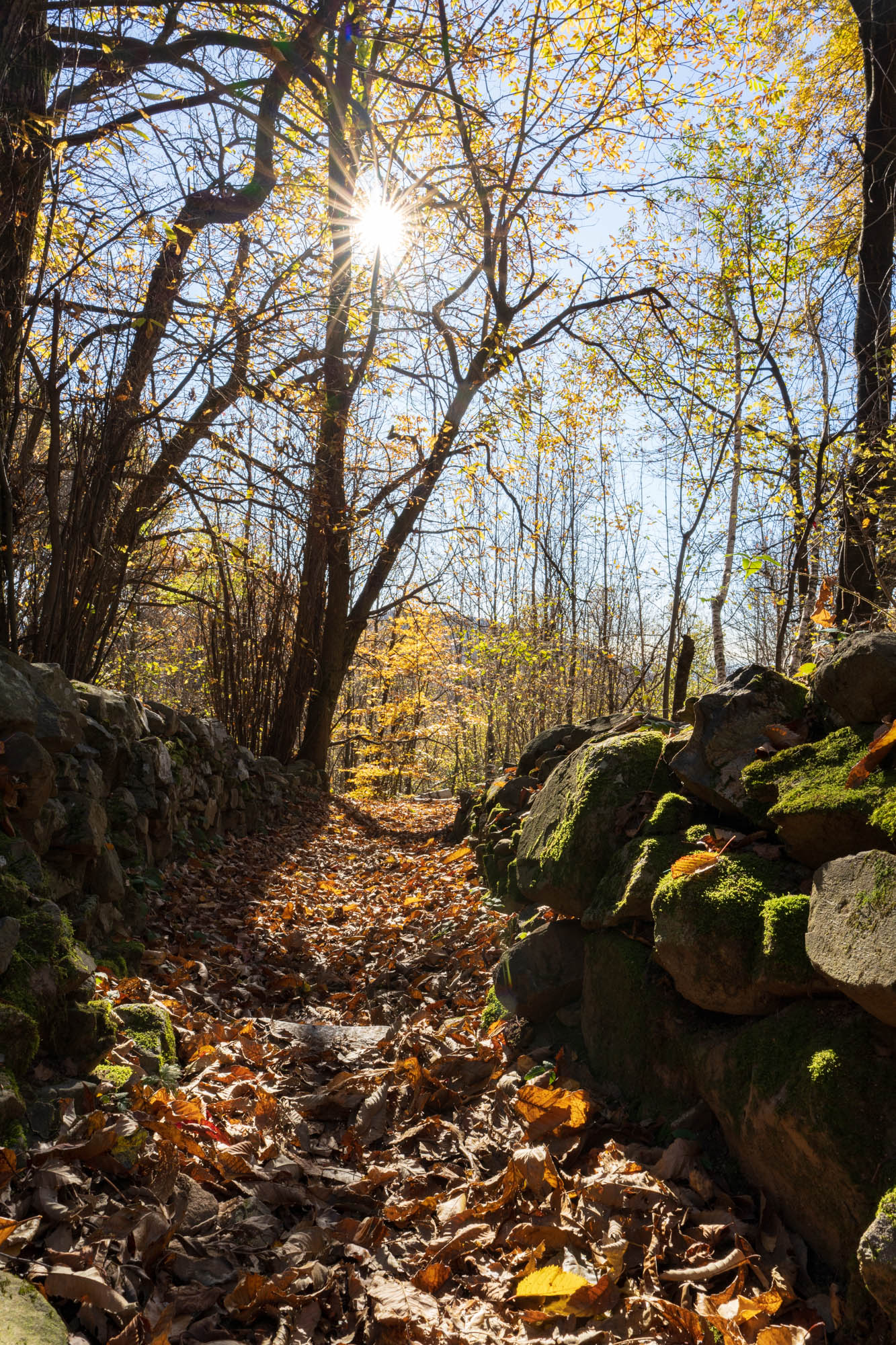
Nearby
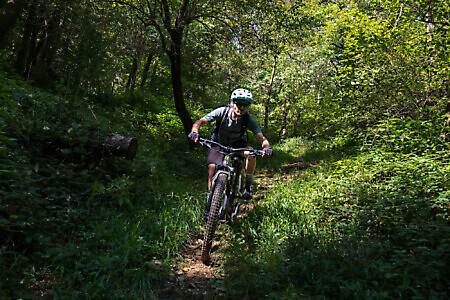
Slate Quarries and Merlo MTB Route
CorioA charming route through the lower valley that snakes between the Tesso and Malone valleys. Its name derives from the slate slabs used on roofs, steps, and balconies in many hamlets along the way, as well as from the scenic Pilone del Merlo. The trail follows a section of the…
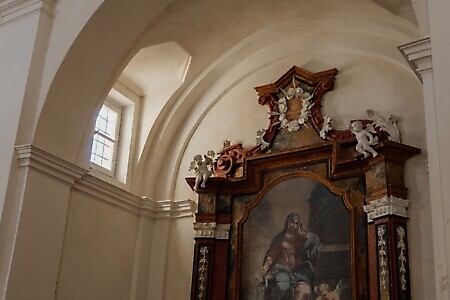
Chapel of the Holy Cross
Piazza della Chiesa, 4 (Corio)The building is open on three sides, with the north side adjacent to a private residence. Its façade faces northeast....
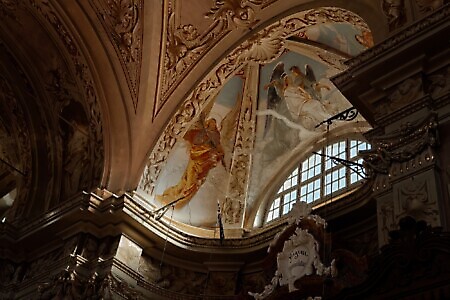
Church of San Genesio Martire
Piazza della Chiesa 2 (Corio)The church features a rectangular single nave divided into three bays with groined barrel vaults, ending in a semicircular apse...