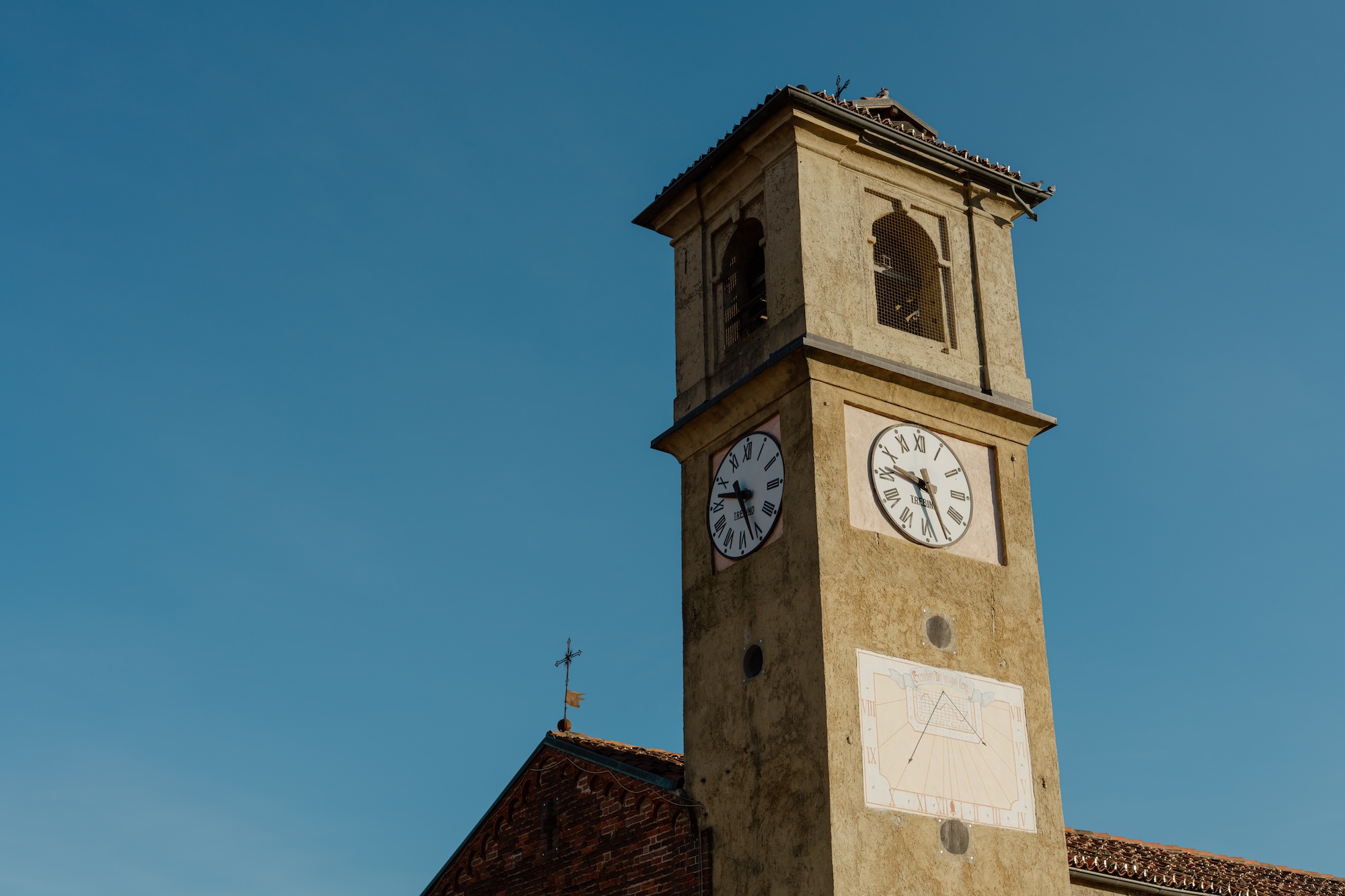

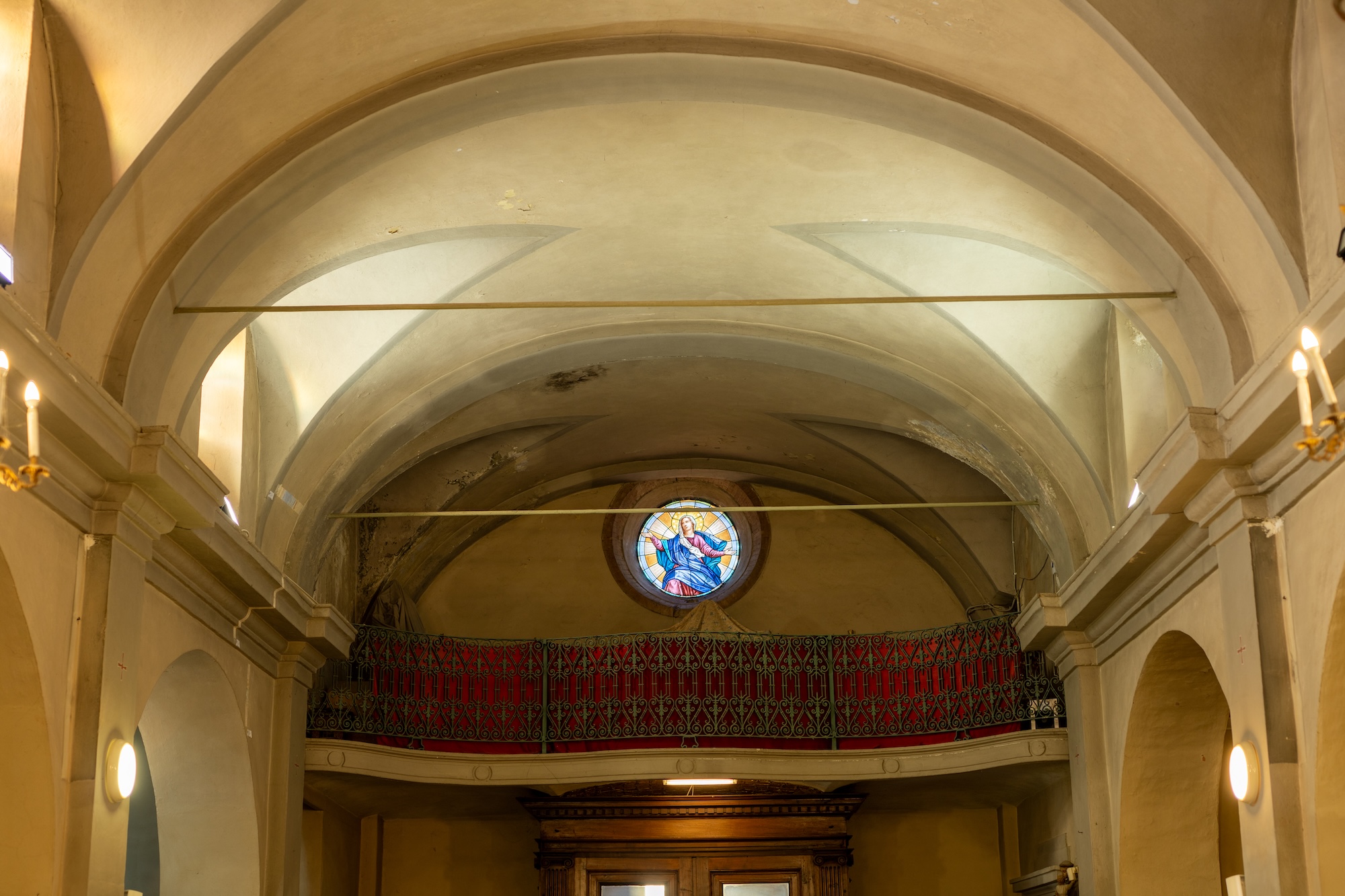
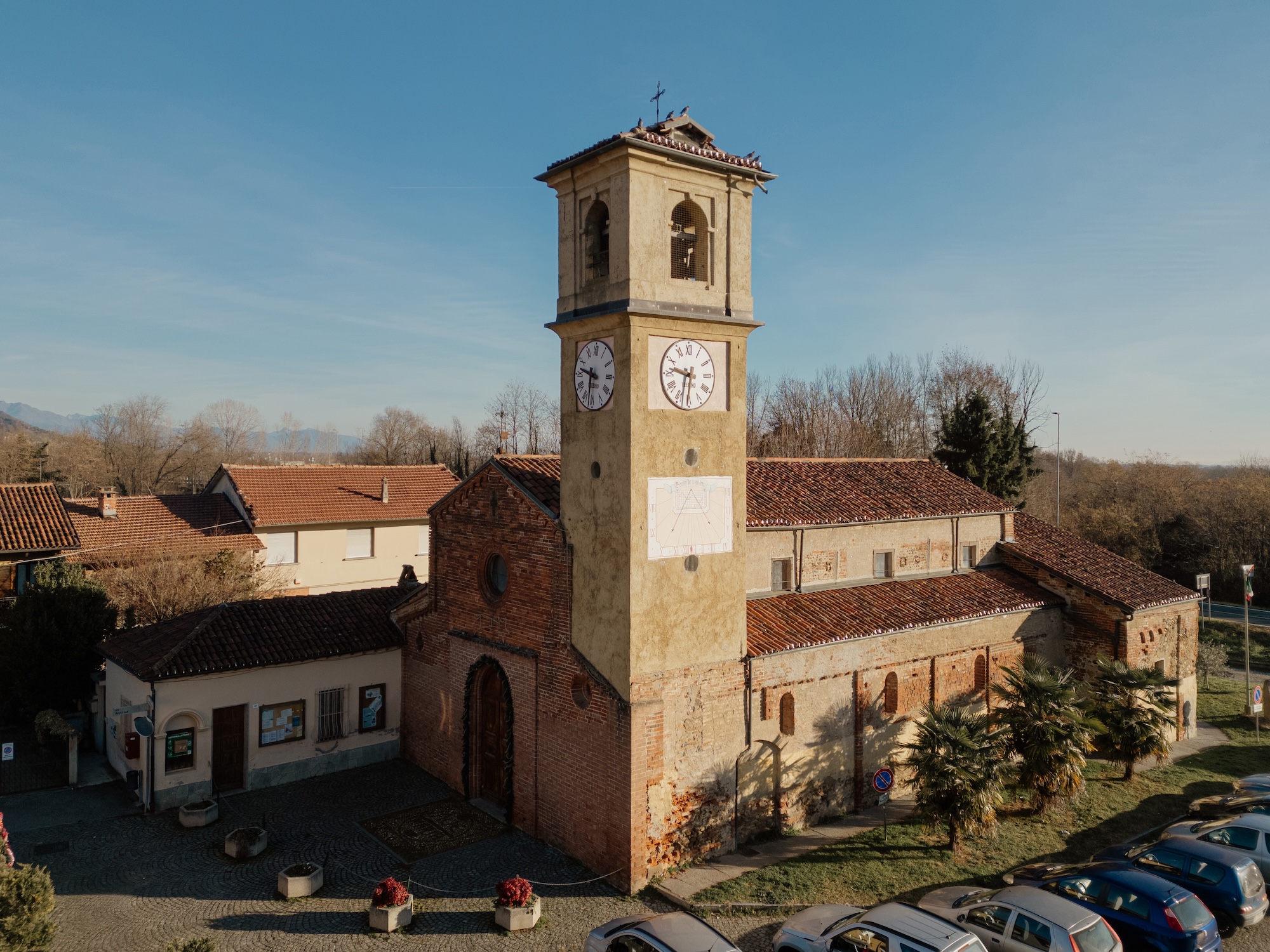
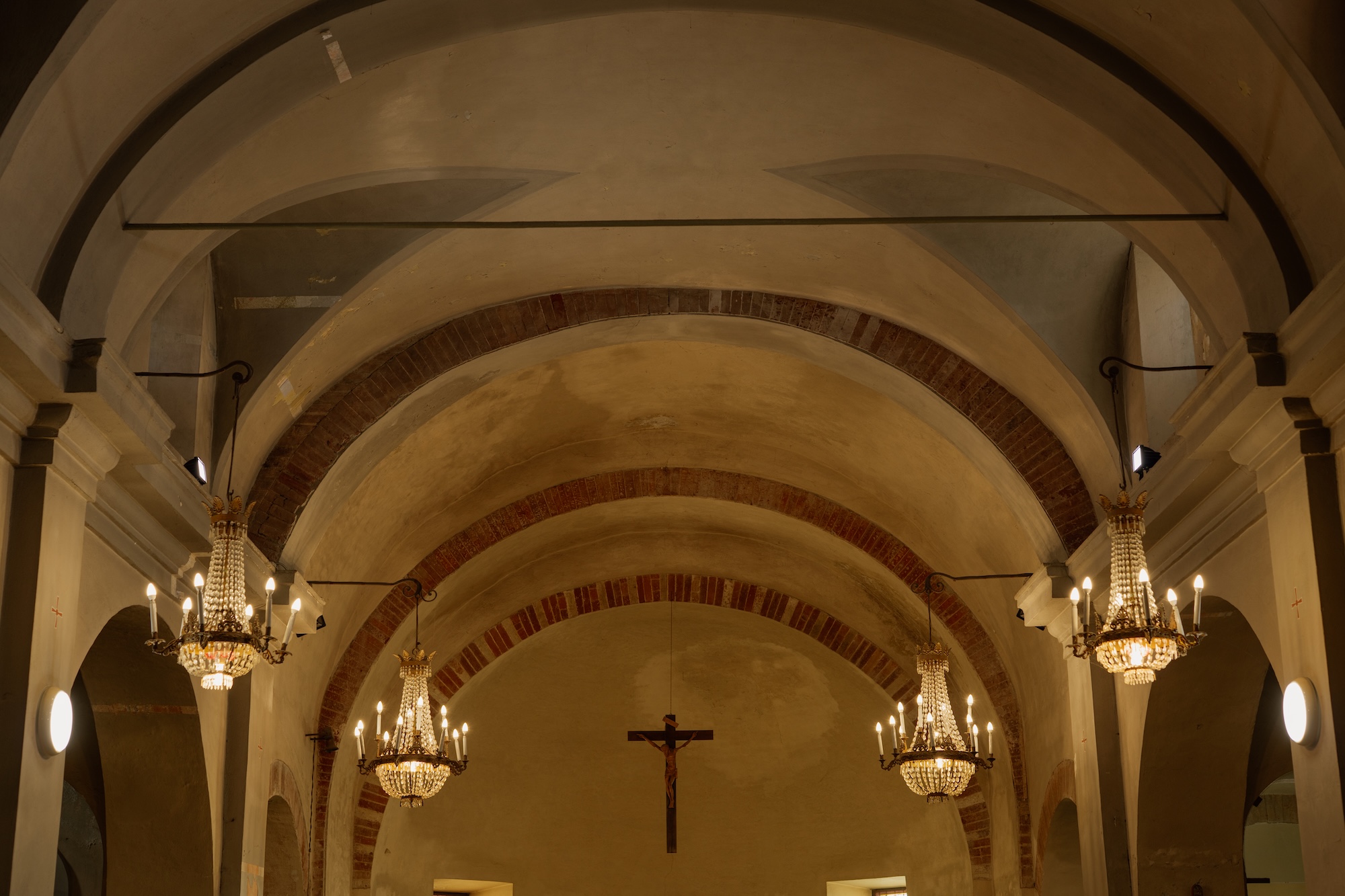
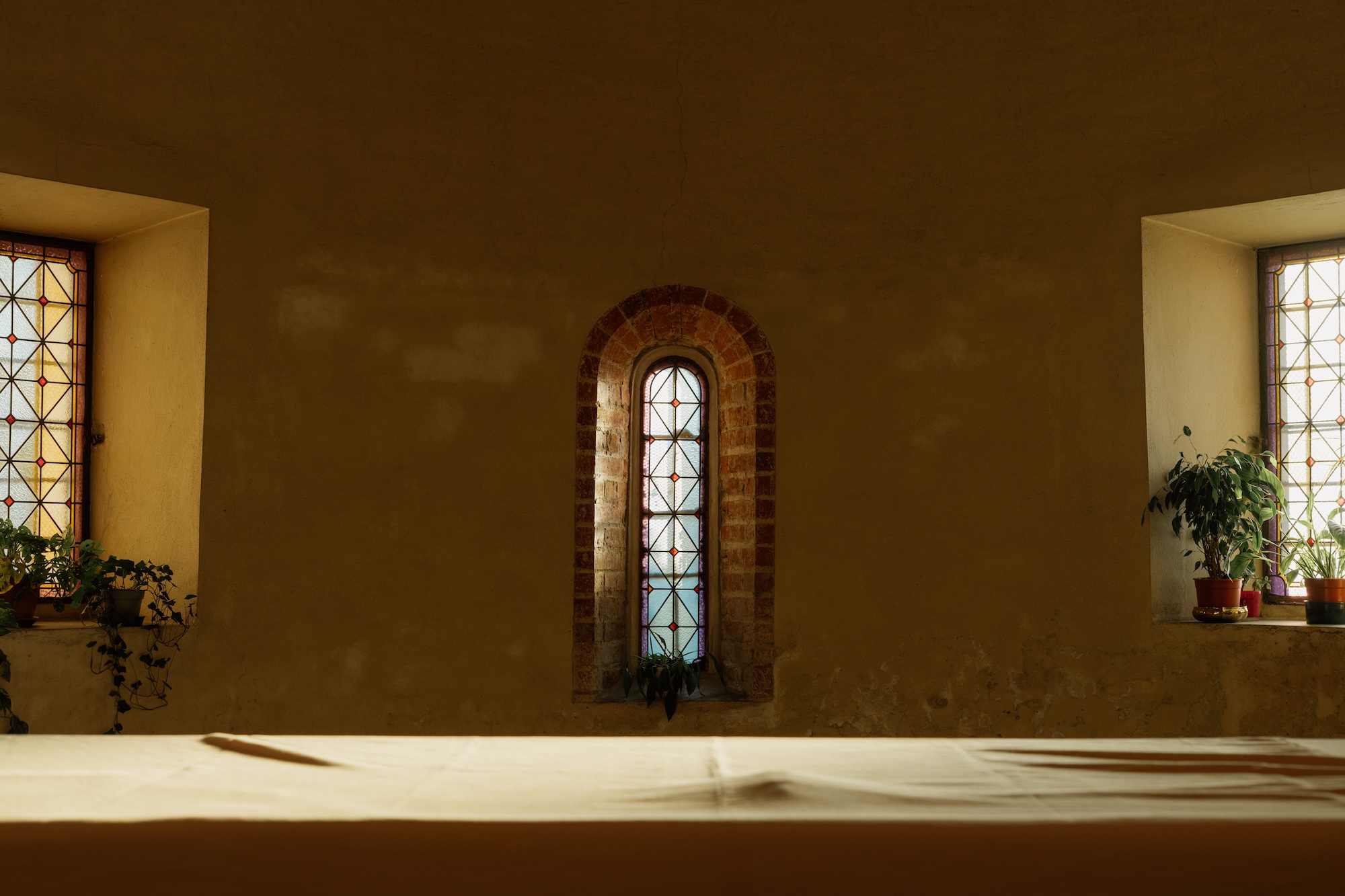
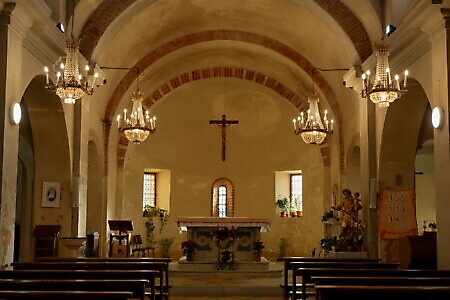
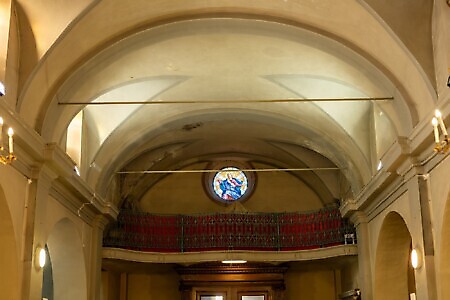
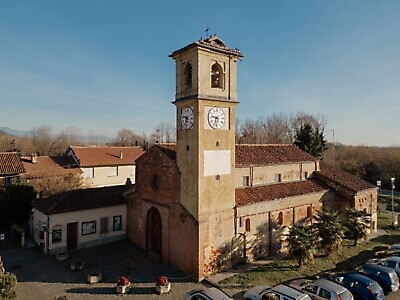
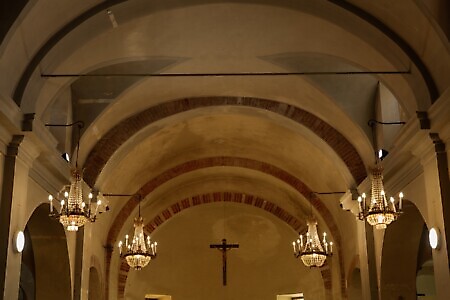
Founded at the beginning of the 12th century and consecrated in 1283, this Romanesque-Lombard church was the center of a powerful Cistercian female priory. Today a national monument, it is a fundamental witness to the religious and social history of the territory.
Site overview
Ecco la traduzione integrale e letterale del testo per la sezione CORPO, mantenendo lo schema e il rigore richiesti per WordPress/WPML:
TITOLO: Santa Maria della Spina
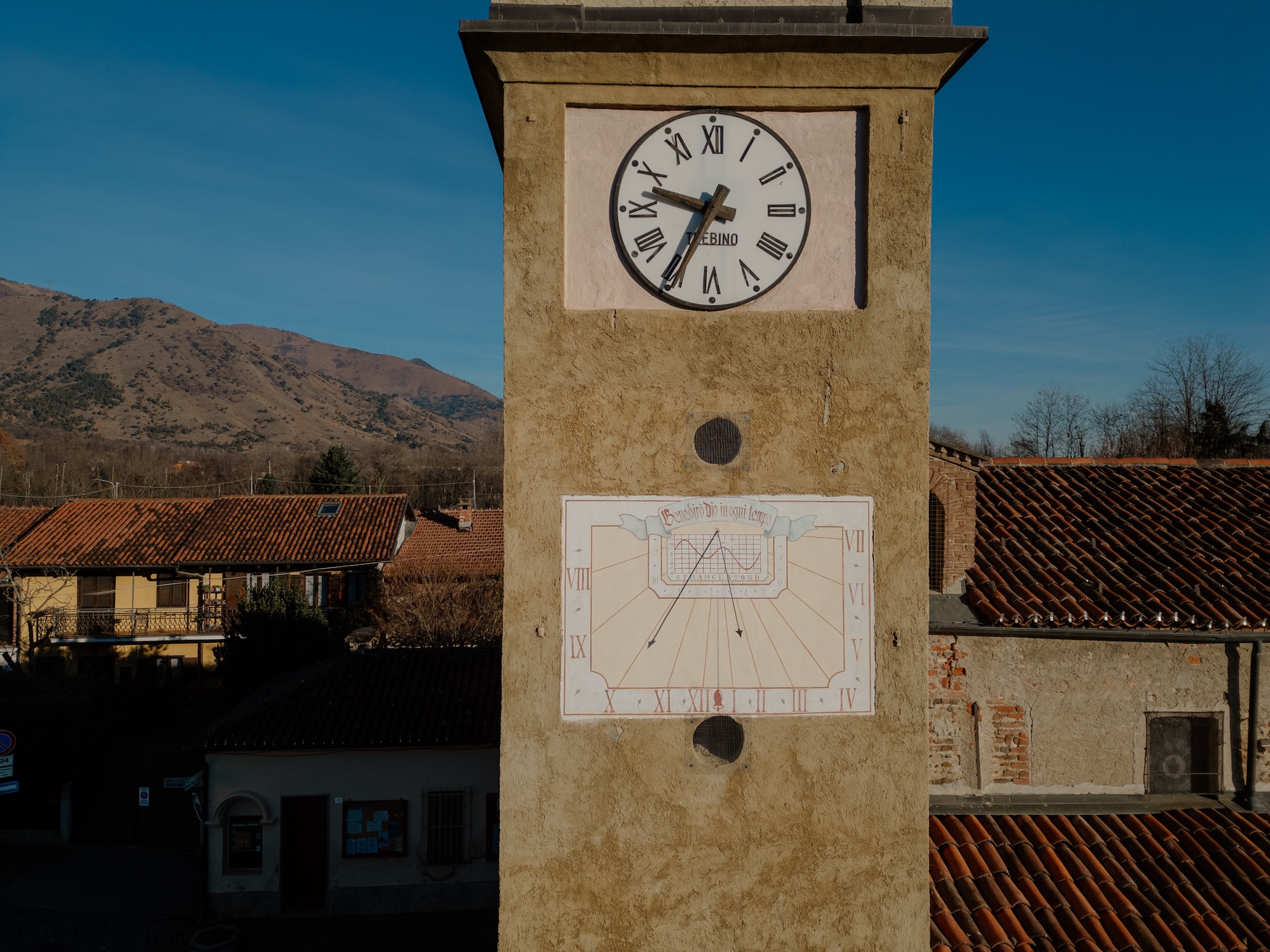
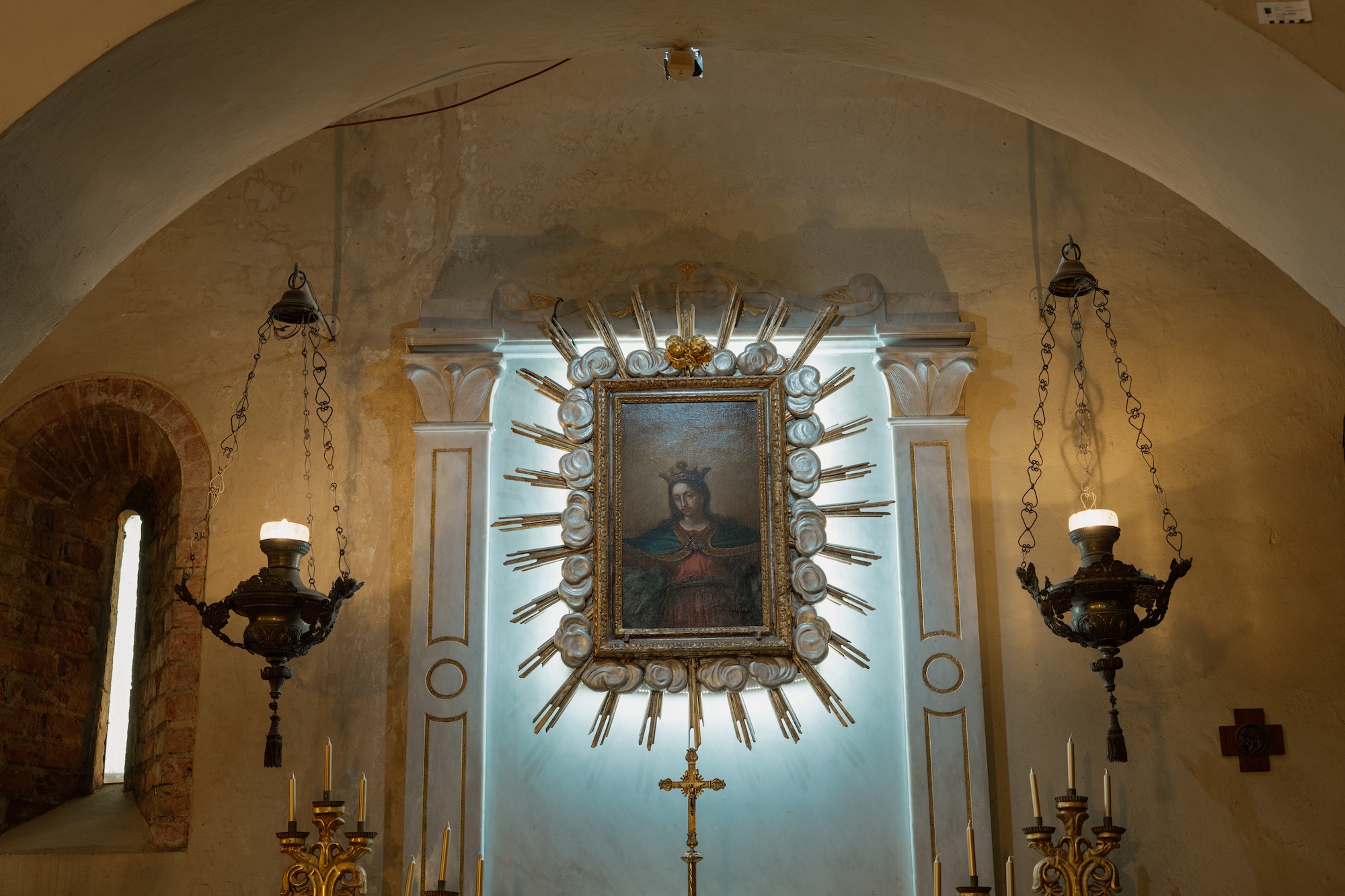
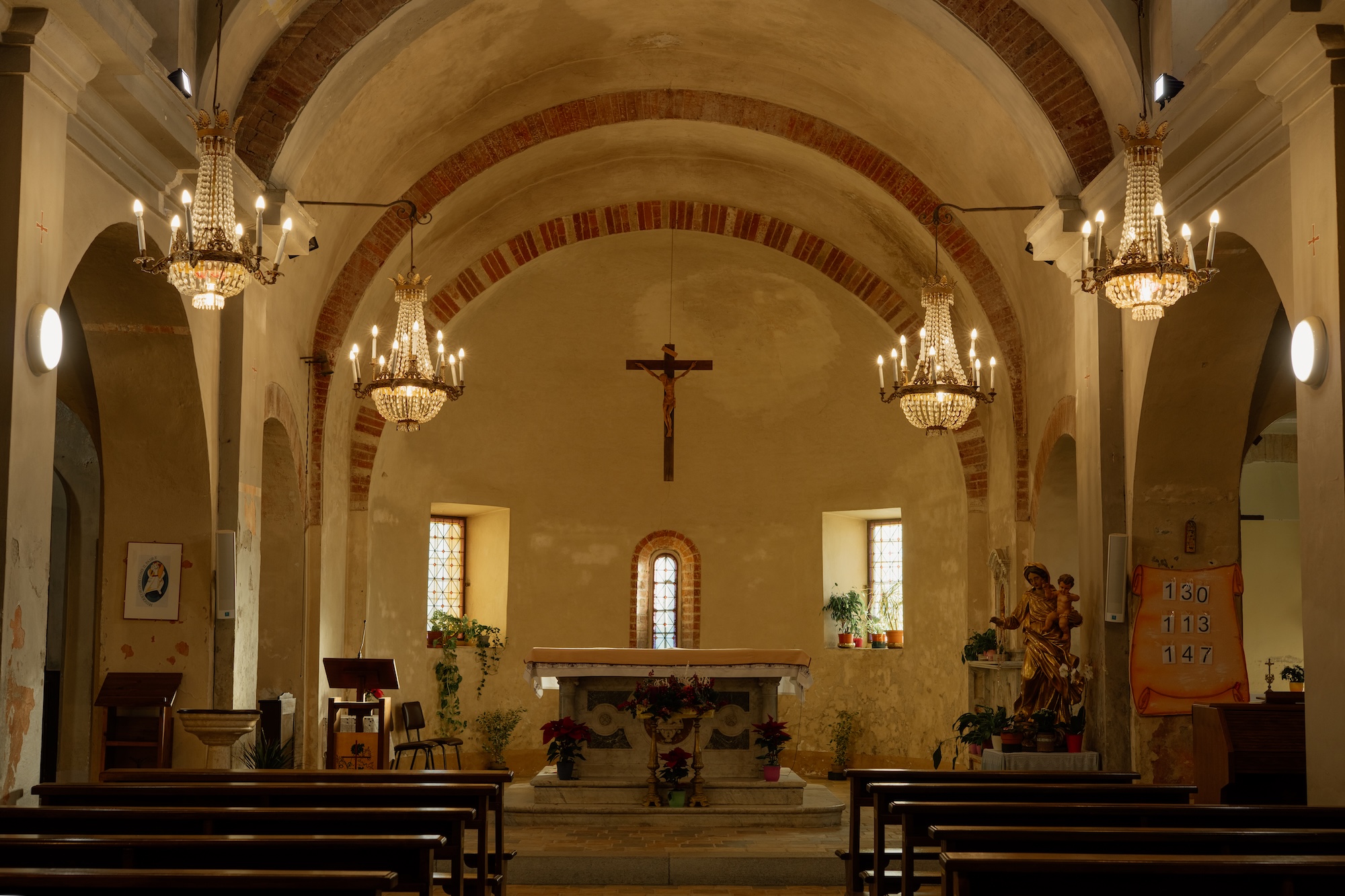
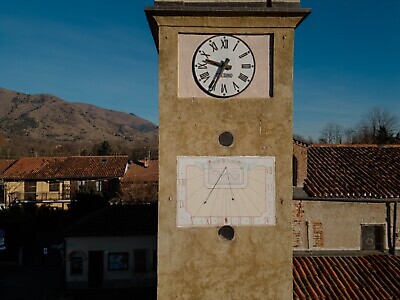
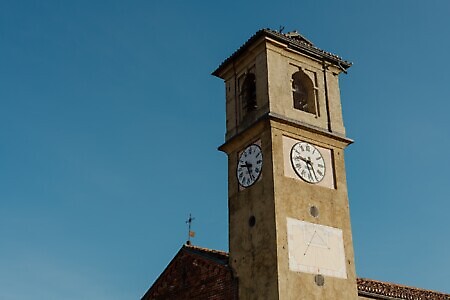
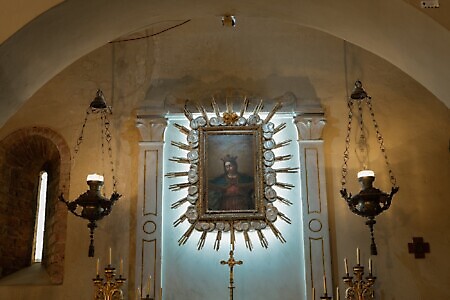
CORPO: The construction of the church can be traced back to the beginning of the 12th century, mentioned for the first time in a document dated 1118, in the list of assets owned by the Abbey of San Solutore in Turin. In a document dated November 26, 1200, it reads that Remota is the “priorissa ecclesiae Sancte Marie de Briono.” The Cistercian nuns previously occupied, as evidenced by a document dated June 30, 1197, the monastery of San Martiniano. Consecrated on December 30, 1283, by the Bishop of Turin Goffredo di Montanaro, it is to be attributed to the Romanesque-Lombard style and was built around the year 1200. In the 13th century, the Cistercian female Priory of Brione was the strongest entity ruling in Val della Torre; it extended its influence even outside the valley and as far as Turin, even lending money and carrying out banking operations of deposits and loans. Towards the 14th century, the decline of the monastery began, becoming more pronounced in the following century. In the report of the pastoral visit by Mons. Peruzzi (Bishop of Sarsina) in 1584, it reads that the church is “vast but fiercely desolate and with several most indecent altars.” Following the pastoral visit, the specification “della Spina” (of the Thorn) was added. When the Council of Trent forbade female monasteries from being located outside inhabited centers, the monastery of Santa Maria—where the rule of Saint Clare had already replaced the Cistercian one—moved to Moncalieri. On December 1, 1601, by decree of the Archbishop of Turin, Monsignor Broglia, it was definitively closed and the nuns transferred to the Poor Clares of Turin; the church of Brione was then established as a parish. Classified as a national monument on July 15, 1903.
How to visit the site
The church is located along the provincial road that connects Alpignano to Givoletto, at the hamlet of Brione.
You might also like
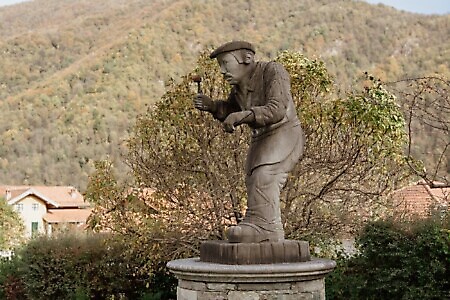
Castle of the Counts Francesetti
Frazione Villa Inferiore (Mezzenile)The village developed around the “Castle”, a fine 17th-century townhouse that was expanded between the late 18th and early 19th...
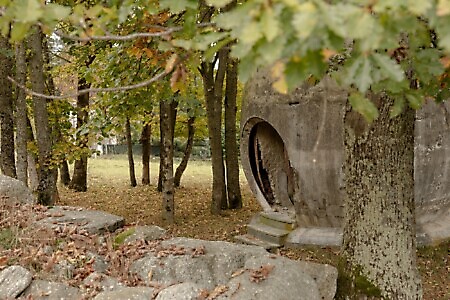
Egg-Shaped Dovecote
Strada Provinciale 33, 22, frazione Richiardi (Groscavallo)Past the houses of the hamlet of Richiardi, you can admire the curious monument commonly known as the “Pastrone Egg”....
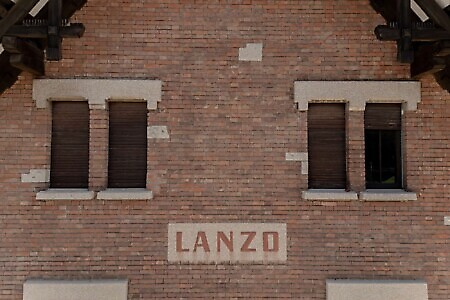
Lanzo Torinese Railway Station
Viale Martiri della Libertà 5 (Lanzo Torinese)The railway line from Turin reached Lanzo in 1876, and the current station, built between 1913 and 1916, represents an...
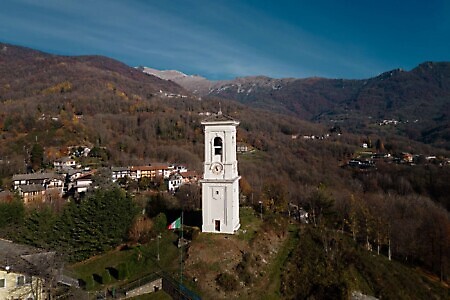
Municipal Bell Tower
Piazza Capoluogo, 197 (Coassolo Torinese)Dating from 1760 and also known as the “solitary bell tower”, it stands on a raised hillock and is visible...
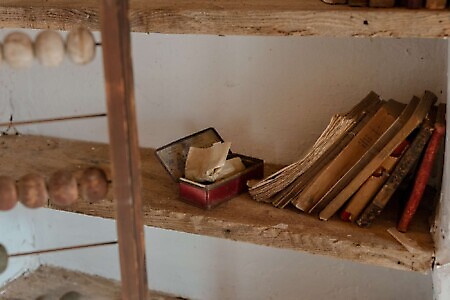
Ovens and School of Castagnole
Colbeliramo Castagnole, 2 (Germagnano)In the square of the hamlet of Castagnole, we find the Church of San Lorenzo. From the old seventeenth-century construction,...
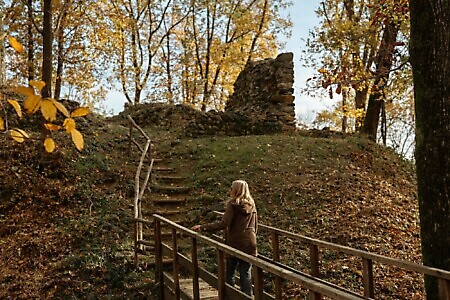
Remains of the Baratonia Castle and San Biagio
Borgata Baratonia (Varisella)The castle of Baratonia belonged to the Visconti family, formerly vicars of the Arduinici Marquises of Turin in the 11th...
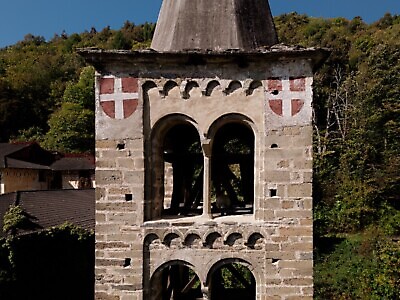
Romanesque Bell Tower of Santa Marcellina
Piazza IV Novembre, 4 (Ceres)The Romanesque bell tower from the 12th century remains the only surviving part of the church-bell tower-cemetery complex dedicated to...
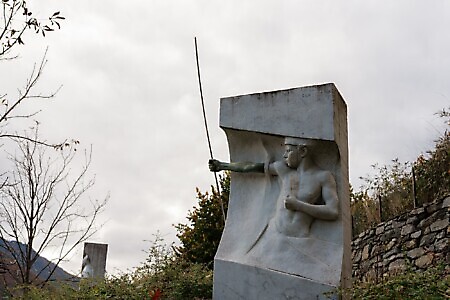
Rotondarte – Rotonda Park
Viale della Rotonda (Viù)The access avenue to Villa Franchetti, together with the viewpoint called “La Rotonda,” was created in the 19th century as...
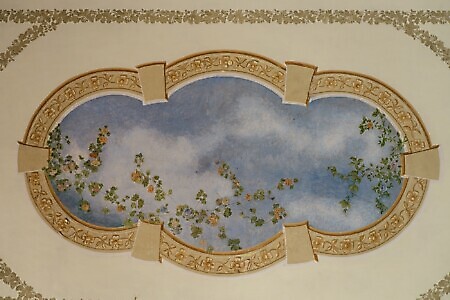
Salone Console
Piazza della chiesa (Germagnano)The Art Nouveau (Liberty) hall is one of a kind: built between 1930 and 1932 by Mario Console to host...
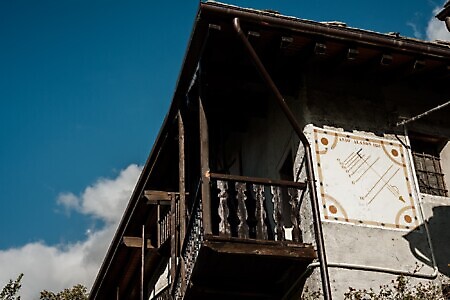
Sundial Itineraries
Frazione Prussello, Ala di Stura (TO) (Ala di Stura)Between the main village of Ala di Stura and its surrounding hamlets, there is one of the highest concentrations of...
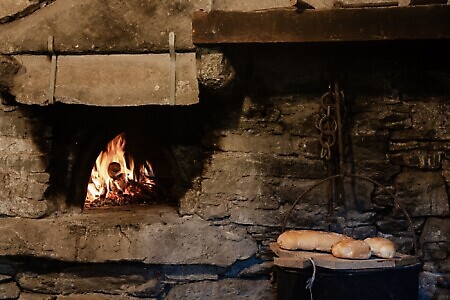
The Old Oven of Perinera
Via San Michele, Perinera (Usseglio)As in all the hamlets of Usseglio, the oven in Perinera was communally owned by its inhabitants. The date of...
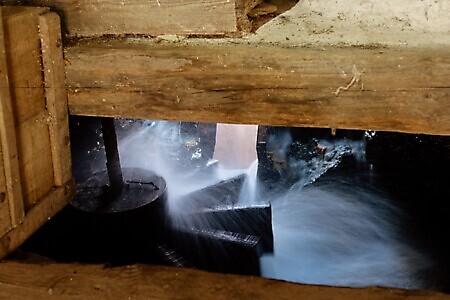
The Old Vulpòt Mill in the Villaretto Hamlet
Via Arnas 5, Frazione Villaretto (Usseglio)The Vulpòt mill and the millrace that powered it were documented in their current location in the Rabbini Cadastral Survey...
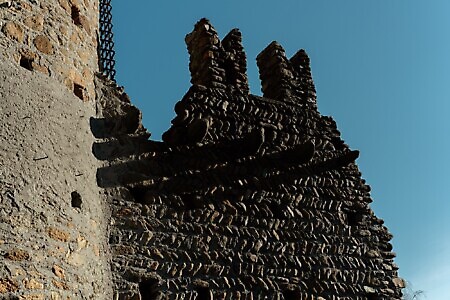
The Tower and the Orangery
Via Roma 54 (Val della Torre)Oral accounts passed down by local people identify the very early years of the 20th century as the period of...
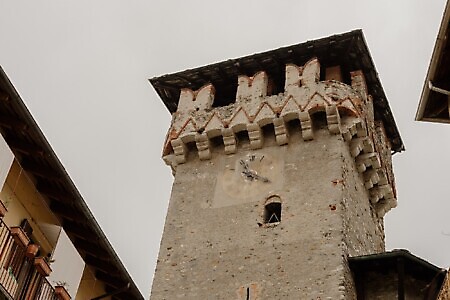
Torre Civica di Aymone di Challant and Fortified Village
Via San Giovanni Bosco 1 (Lanzo Torinese)A symbol of the ancient defenses of Lanzo. Standing 24 meters high and already equipped with a clock in the...
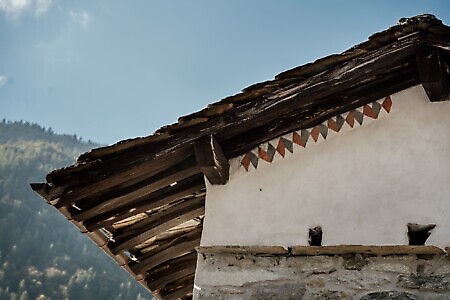
Torre del Pedaggio
Strada Santa Croce 27 (Ala di Stura)Established as an administrative center in the 15th century, the tower became the mandatory toll point for merchants and dukes...
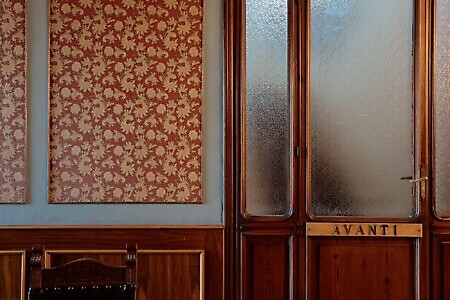
Town Hall and Municipal Park
Viale Cavaliere Giuseppe Copperi 14, Balangero (TO) (Balangero)A magnificent Art Nouveau masterpiece by Giuseppe Copperi framed by greenery, where architectural elegance meets nature and history. The beautiful...
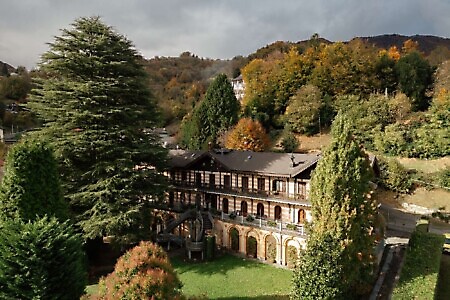
Villa Franchetti
Villa Franchetti (Viù)Villa Franchetti, built in 1861 by Baron Raimondo Franchetti, dominates the hill overlooking Viù with its shaded park. Inspired by...
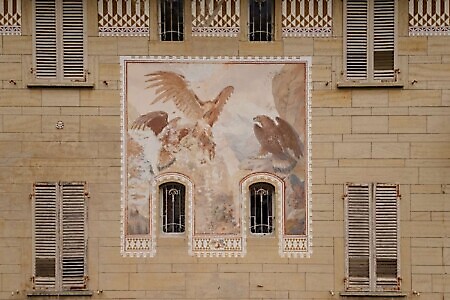
Villa Pastrone
Via Vittorio Alfieri 4, Richiardi (Groscavallo)The historic residence of director Giovanni Pastrone, a pioneer of Italian silent cinema, the villa is a treasure chest telling...