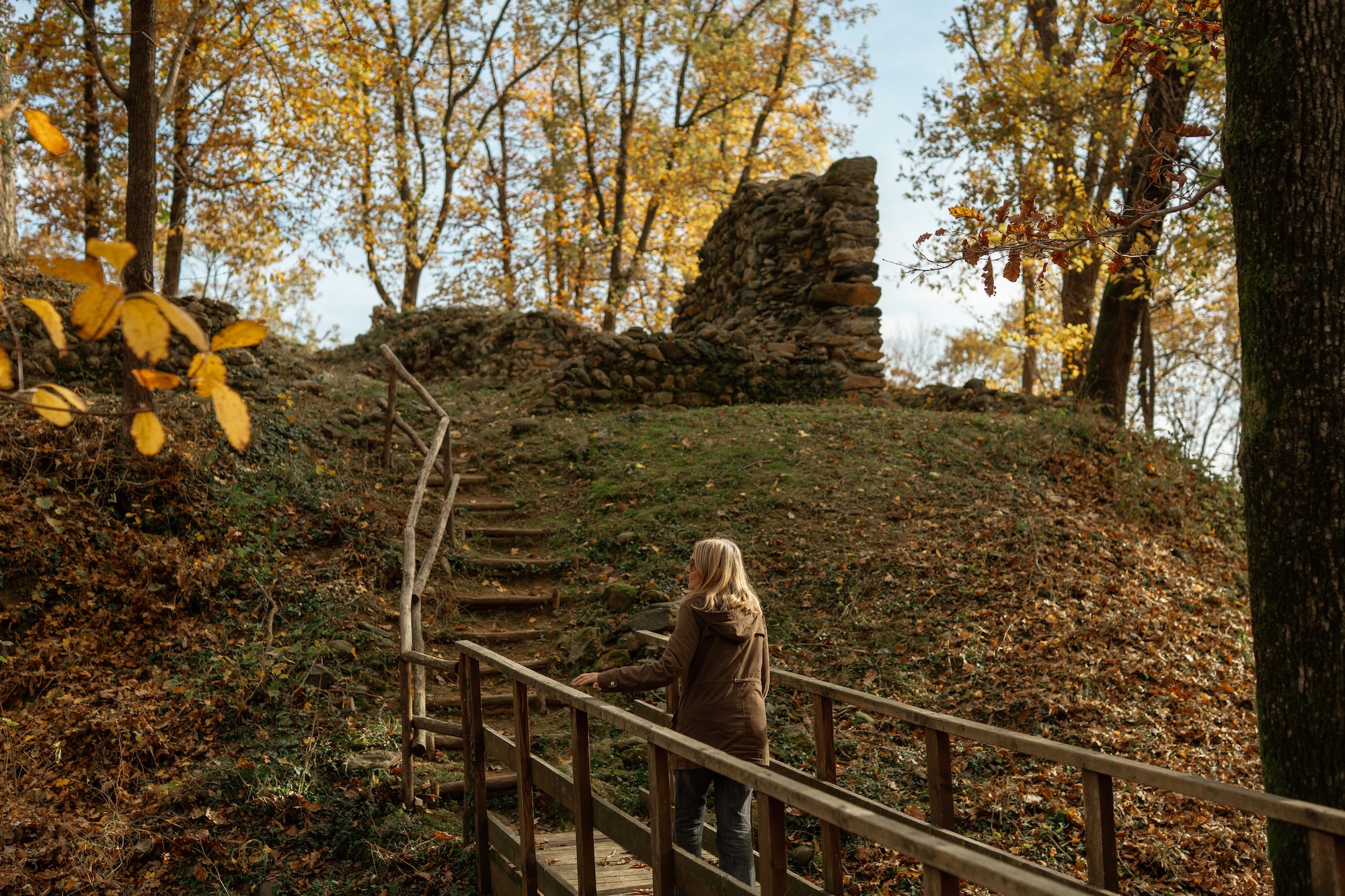

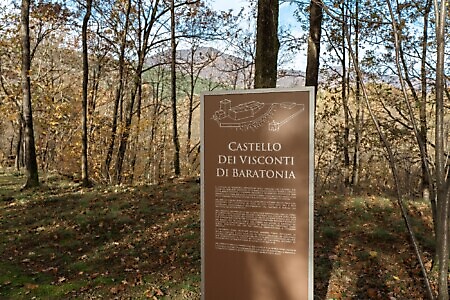
The castle of Baratonia preserves evidence of the Visconti dynasty, vicars of the Arduinici Marquises. The site offers a clear reading of the ancient medieval defensive and residential structures.
Site overview
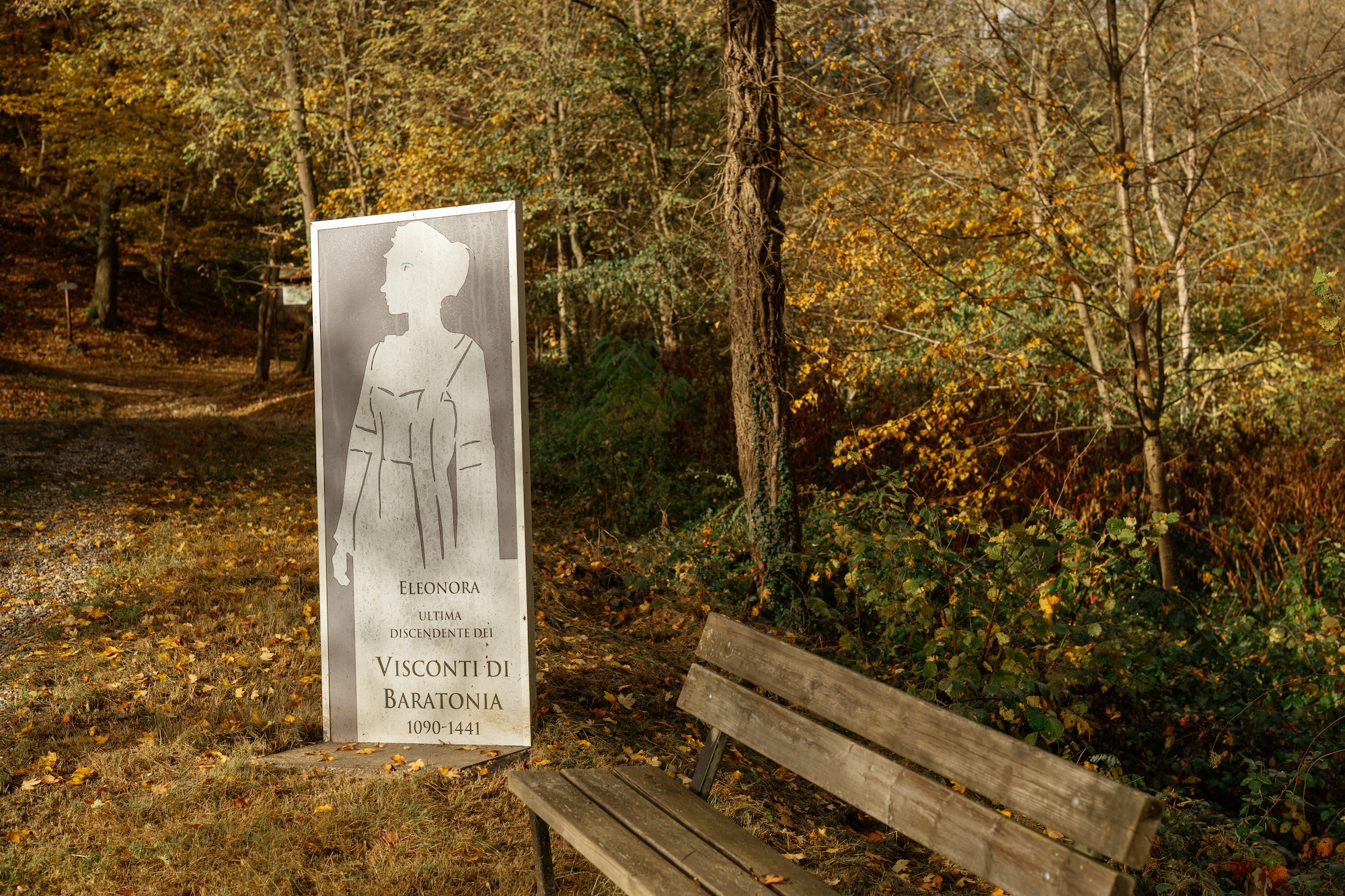
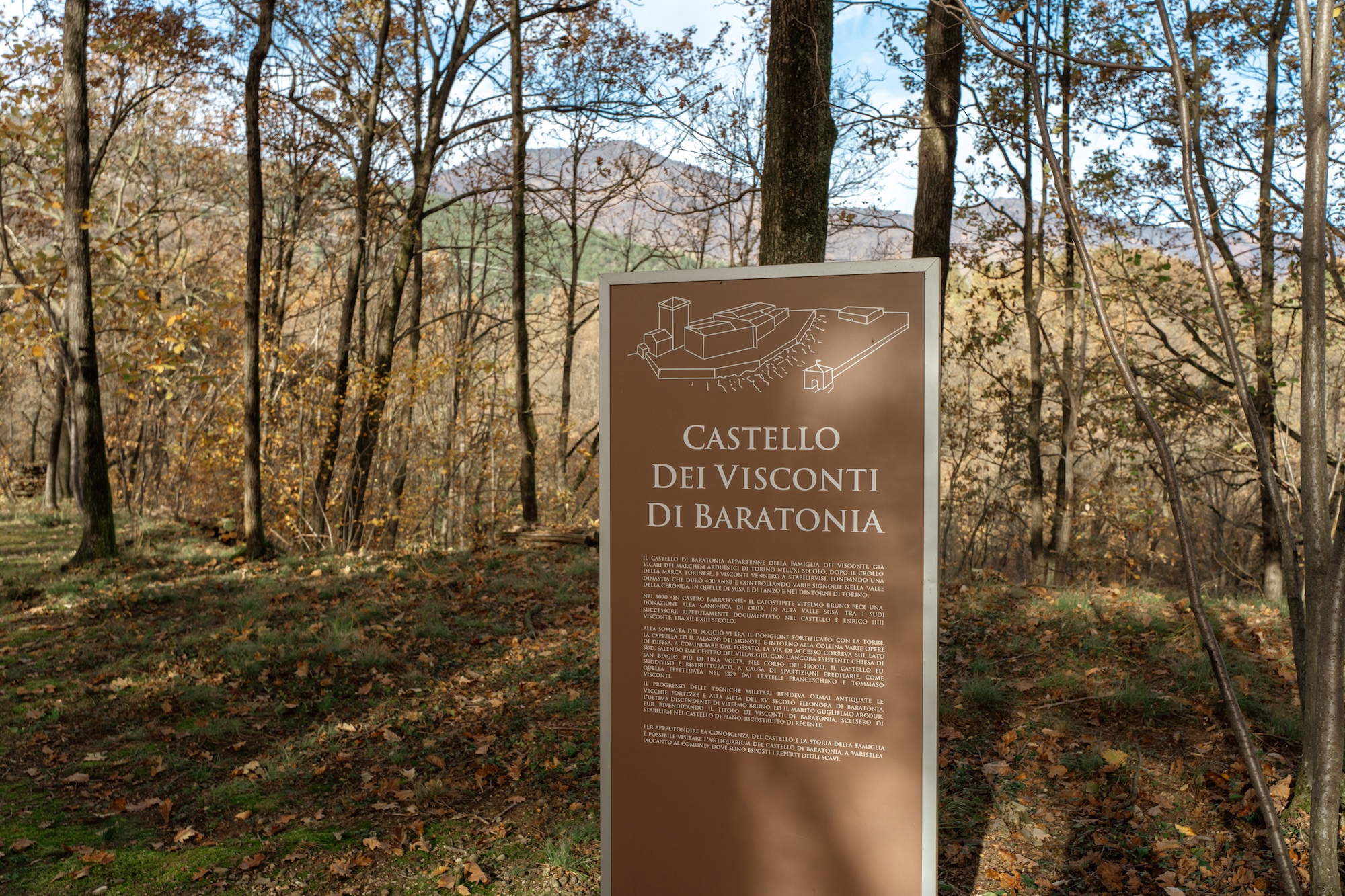
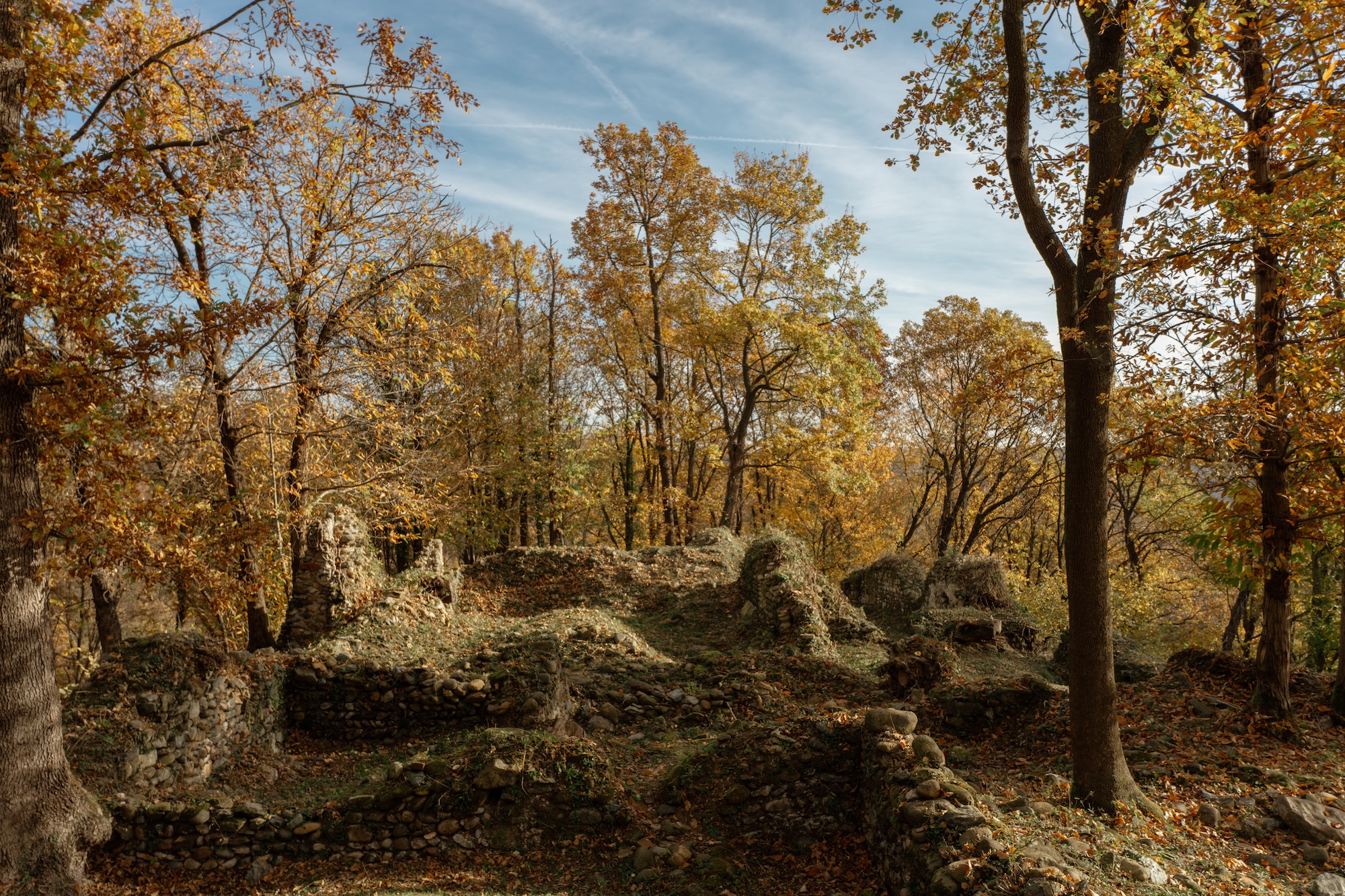
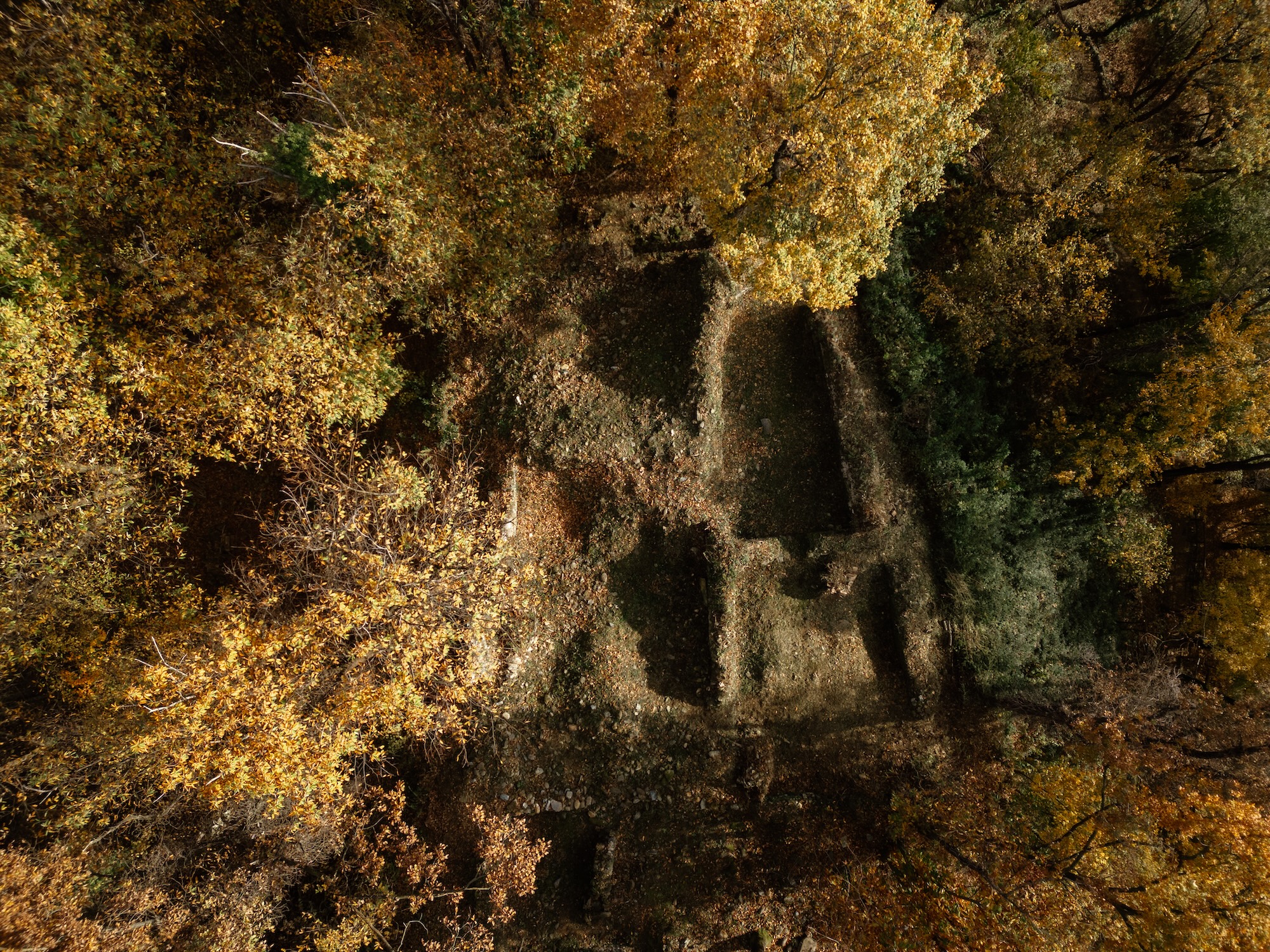
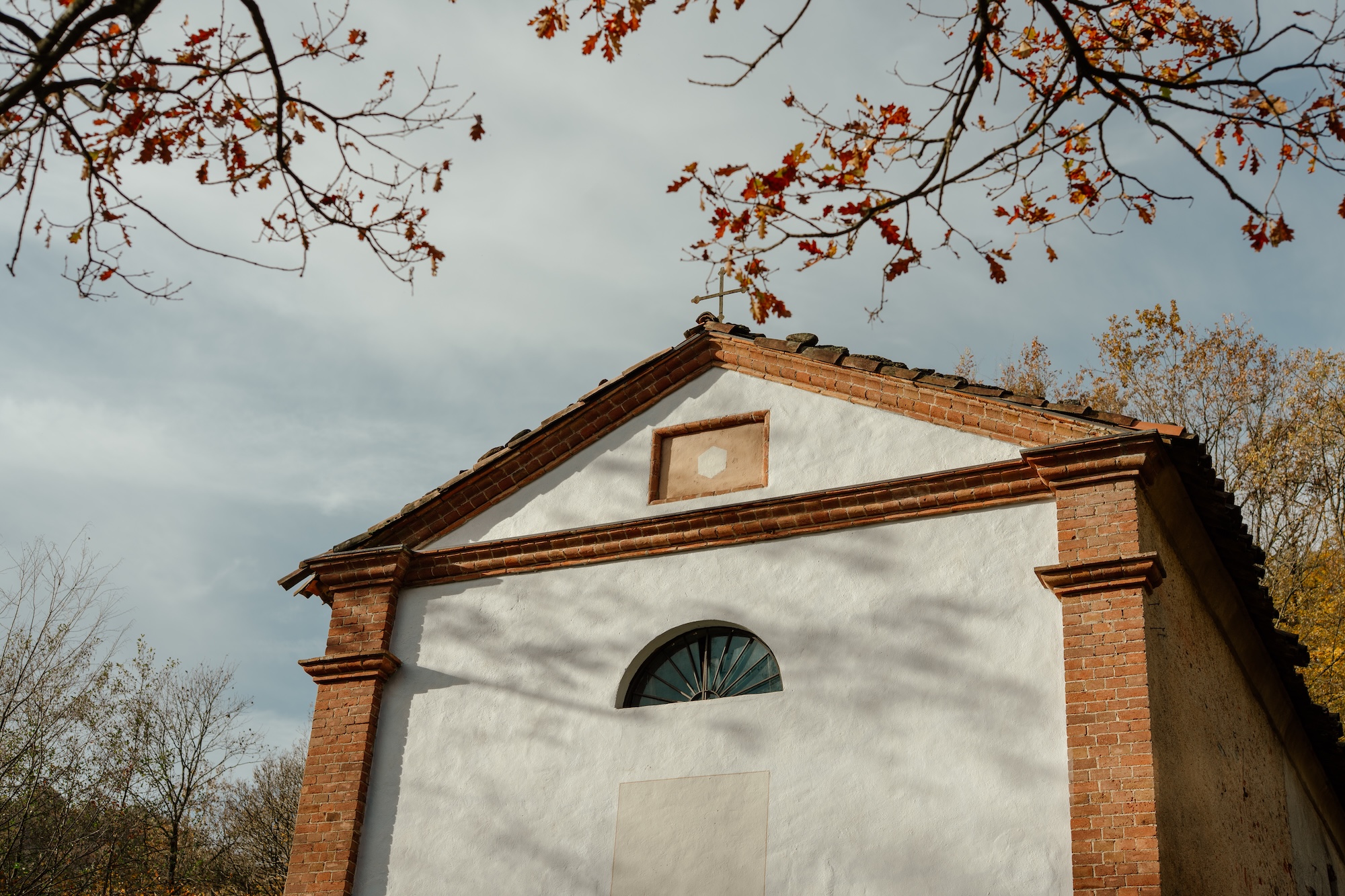
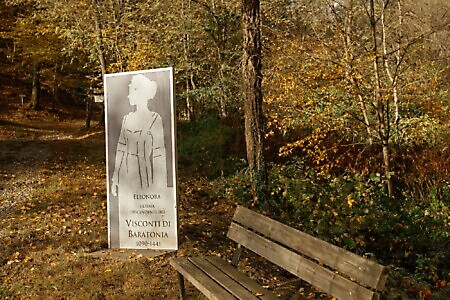
The castle of Baratonia belonged to the Visconti family, formerly vicars of the Arduinici Marquises of Turin in the 11th century. After the collapse of the March of Turin, the Viscontis settled there, founding a dynasty that lasted 400 years and controlling various lordships in the Ceronda Valley, in those of Susa and Lanzo, and in the surroundings of Turin. In 1090, “in castro barratonie,” the progenitor Vitelmo Bruno made a donation to the rectory of Oulx, in the Upper Susa Valley. Among his successors, Enrico III Viscount is repeatedly documented in the castle between the 12th and 13th centuries. At the summit of the knoll stood the fortified keep, with the tower, the chapel, and the lords’ palace, and around the hill various defensive works, starting with the moat. The access road ran on the south side, climbing from the center of the village, with the still-existing church of San Biagio. More than once over the centuries, the castle was subdivided and renovated due to hereditary partitions, such as the one carried out in 1329 by the brothers Franceschino and Tommaso Visconti. The progress of military techniques made the old fortresses obsolete, and by the mid-15th century, Eleonora of Baratonia, the last descendant of Vitelmo Bruno, and her husband Guglielmo Arcur, while claiming the title of Viscounts of Baratonia, chose to settle in the recently rebuilt castle of Fiano.
How to visit the site
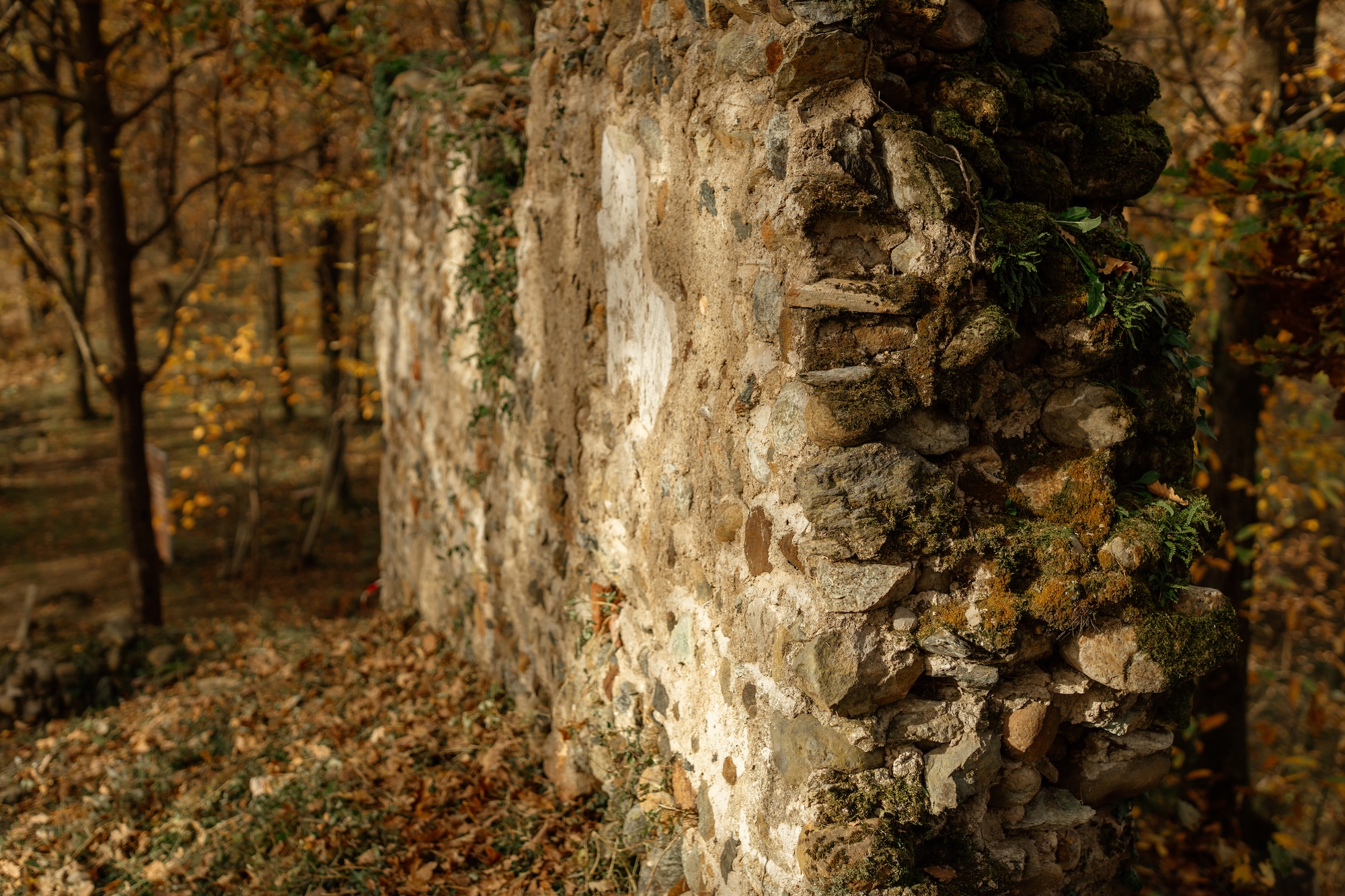
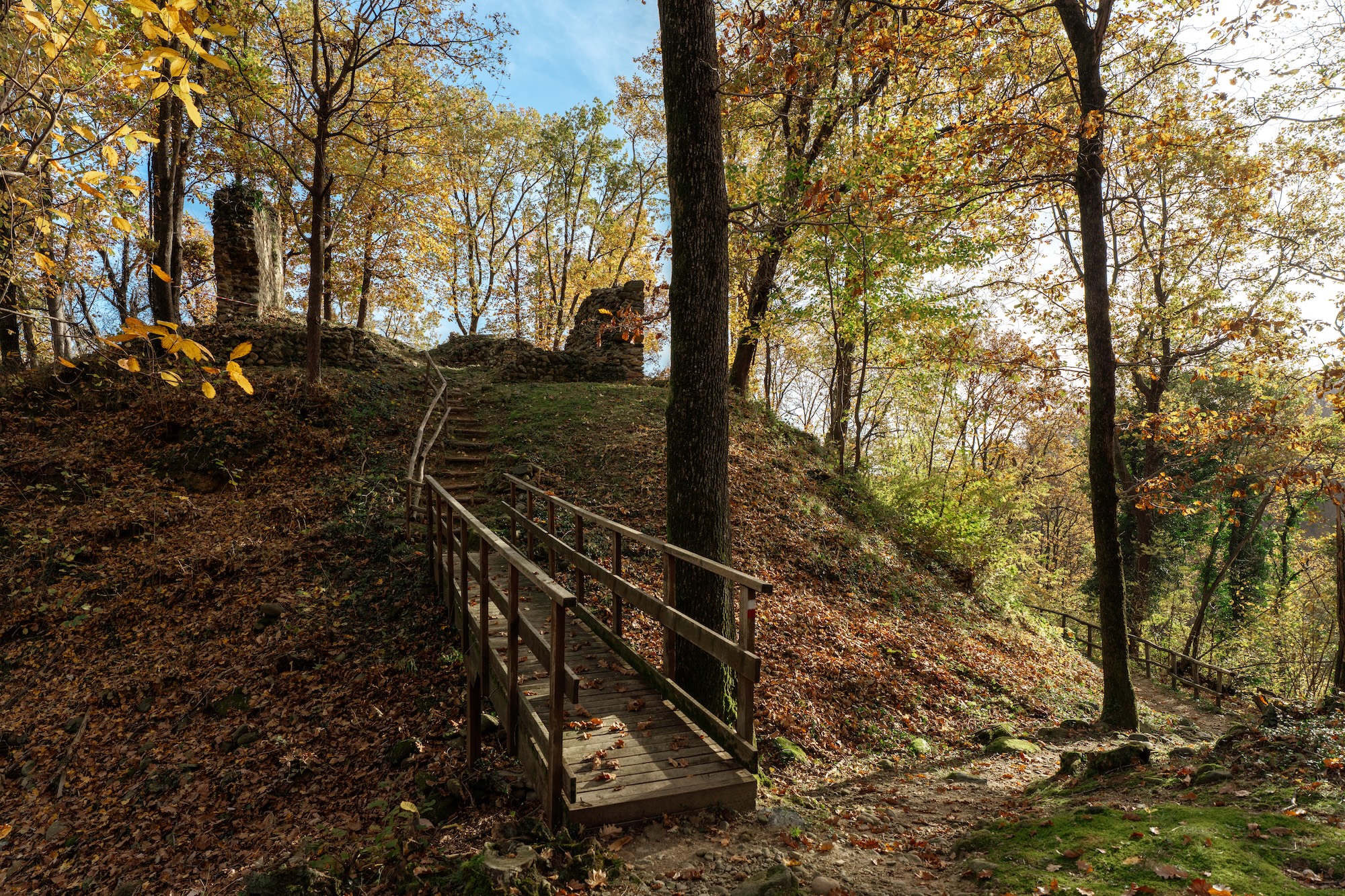
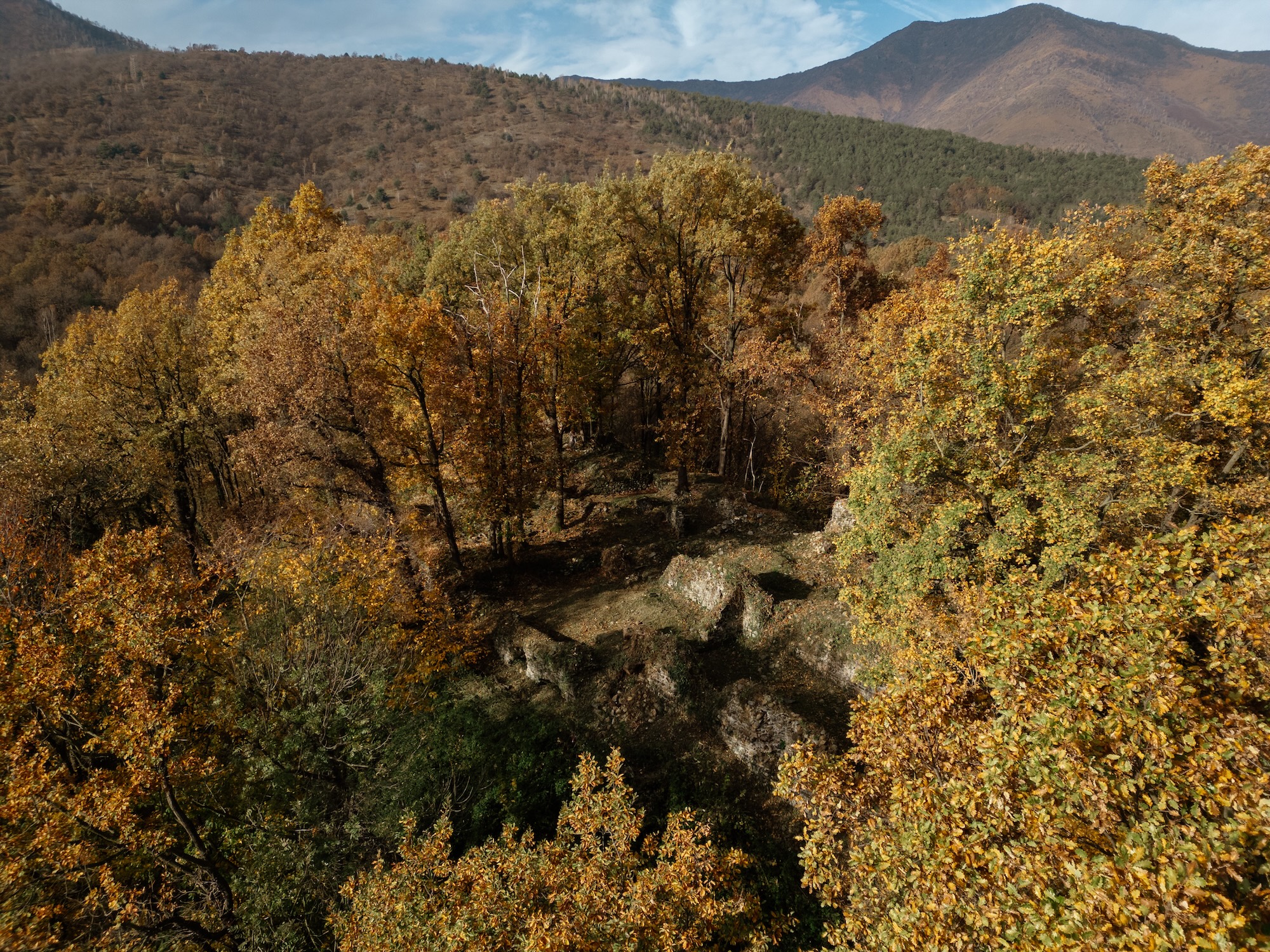
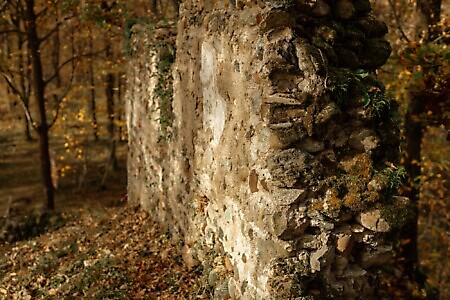
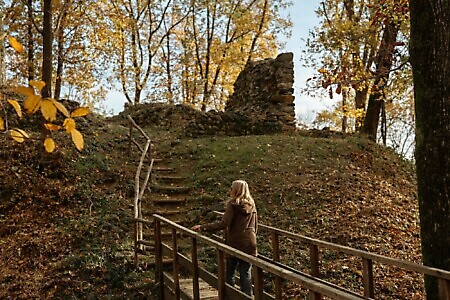
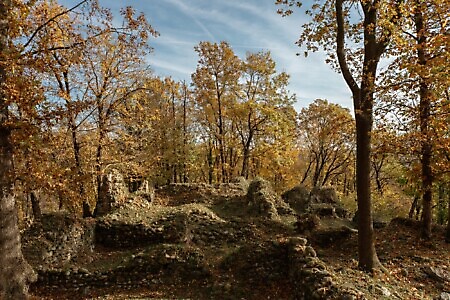
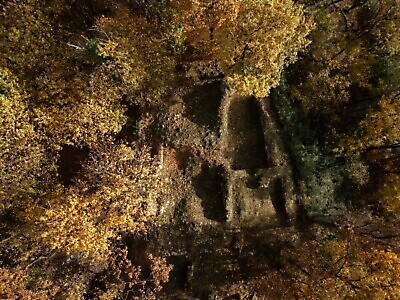
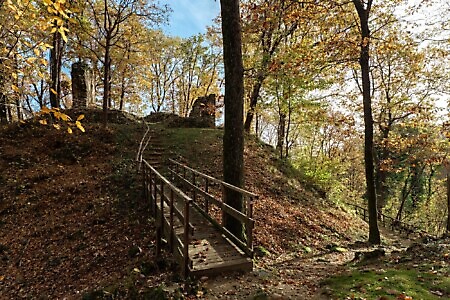
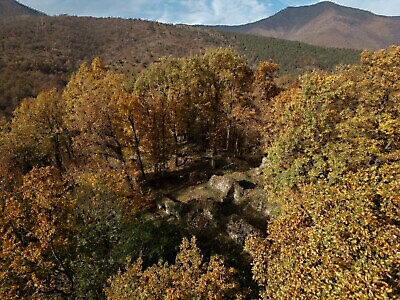
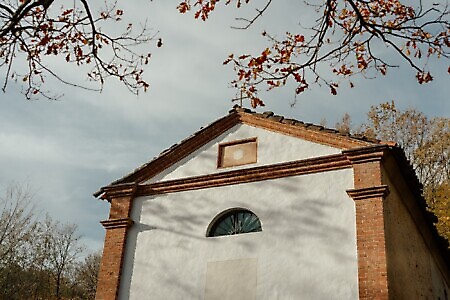
Its remains are located on a secluded hill above the ancient Church of San Biagio. Of the Castle that belonged to the Baratonia family, only the perimeter walls remain today, inside which the divisions of the rooms and the remains of the manor church are still visible.
You might also like
Castle of the Counts Francesetti
Frazione Villa Inferiore (Mezzenile)The village developed around the “Castle”, a fine 17th-century townhouse that was expanded between the late 18th and early 19th...
Egg-Shaped Dovecote
Strada Provinciale 33, 22, frazione Richiardi (Groscavallo)Past the houses of the hamlet of Richiardi, you can admire the curious monument commonly known as the “Pastrone Egg”....
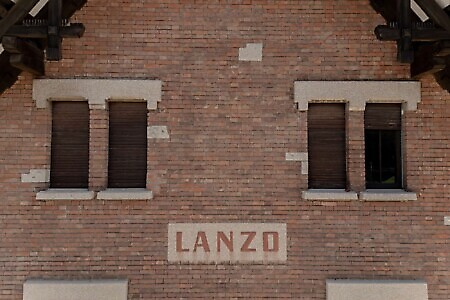
Lanzo Torinese Railway Station
Viale Martiri della Libertà 5 (Lanzo Torinese)The railway line from Turin reached Lanzo in 1876, and the current station, built between 1913 and 1916, represents an...
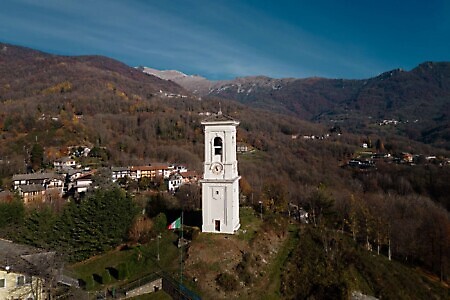
Municipal Bell Tower
Piazza Capoluogo, 197 (Coassolo Torinese)Dating from 1760 and also known as the “solitary bell tower”, it stands on a raised hillock and is visible...
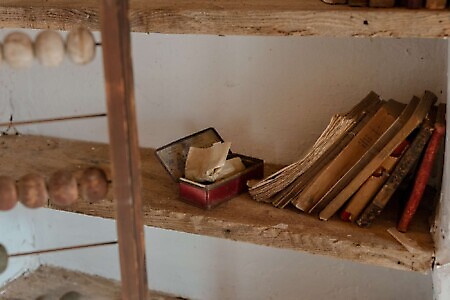
Ovens and School of Castagnole
Colbeliramo Castagnole, 2 (Germagnano)In the square of the hamlet of Castagnole, we find the Church of San Lorenzo. From the old seventeenth-century construction,...
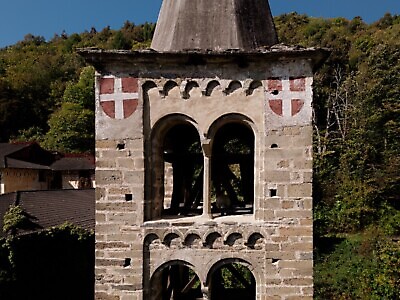
Romanesque Bell Tower of Santa Marcellina
Piazza IV Novembre, 4 (Ceres)The Romanesque bell tower from the 12th century remains the only surviving part of the church-bell tower-cemetery complex dedicated to...
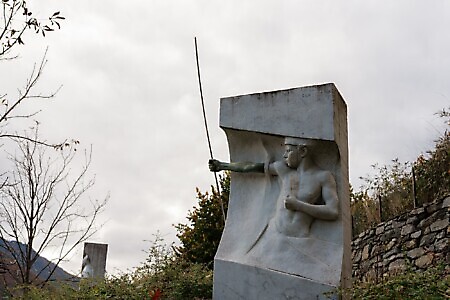
Rotondarte – Rotonda Park
Viale della Rotonda (Viù)The access avenue to Villa Franchetti, together with the viewpoint called “La Rotonda,” was created in the 19th century as...
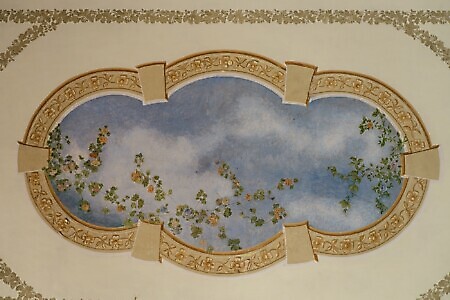
Salone Console
Piazza della chiesa (Germagnano)The Art Nouveau (Liberty) hall is one of a kind: built between 1930 and 1932 by Mario Console to host...
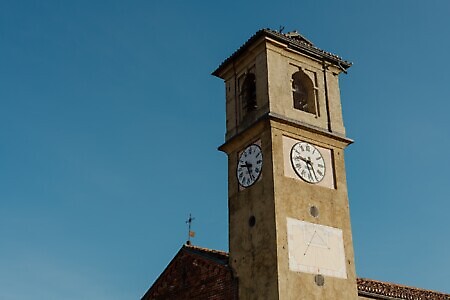
Santa Maria della Spina
Piazza Santa Maria della Spina (Val della Torre)Ecco la traduzione integrale e letterale del testo per la sezione CORPO, mantenendo lo schema e il rigore richiesti per...
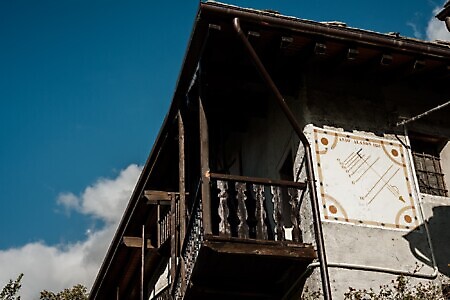
Sundial Itineraries
Frazione Prussello, Ala di Stura (TO) (Ala di Stura)Between the main village of Ala di Stura and its surrounding hamlets, there is one of the highest concentrations of...
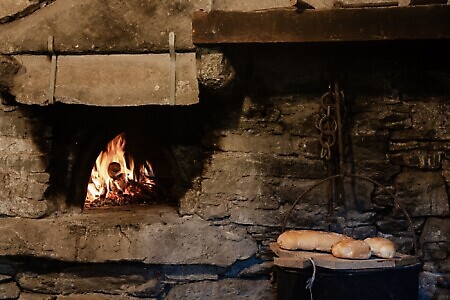
The Old Oven of Perinera
Via San Michele, Perinera (Usseglio)As in all the hamlets of Usseglio, the oven in Perinera was communally owned by its inhabitants. The date of...
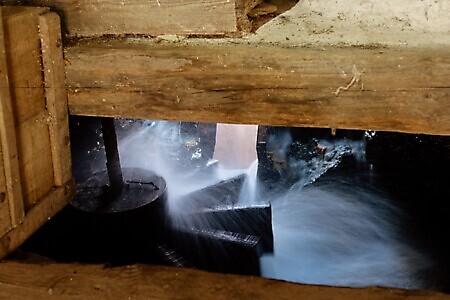
The Old Vulpòt Mill in the Villaretto Hamlet
Via Arnas 5, Frazione Villaretto (Usseglio)The Vulpòt mill and the millrace that powered it were documented in their current location in the Rabbini Cadastral Survey...
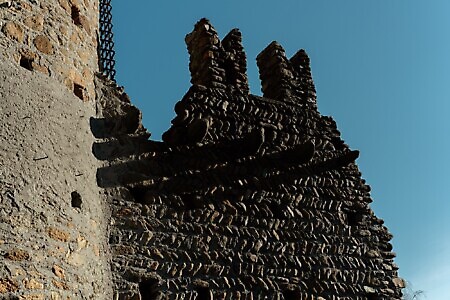
The Tower and the Orangery
Via Roma 54 (Val della Torre)Oral accounts passed down by local people identify the very early years of the 20th century as the period of...
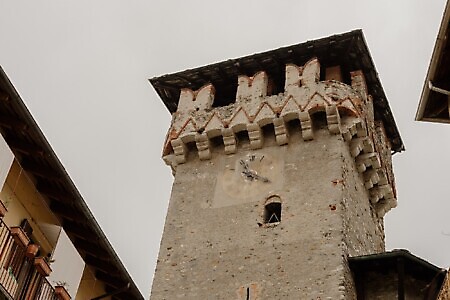
Torre Civica di Aymone di Challant and Fortified Village
Via San Giovanni Bosco 1 (Lanzo Torinese)A symbol of the ancient defenses of Lanzo. Standing 24 meters high and already equipped with a clock in the...
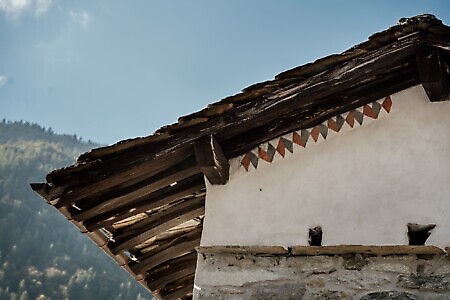
Torre del Pedaggio
Strada Santa Croce 27 (Ala di Stura)Established as an administrative center in the 15th century, the tower became the mandatory toll point for merchants and dukes...
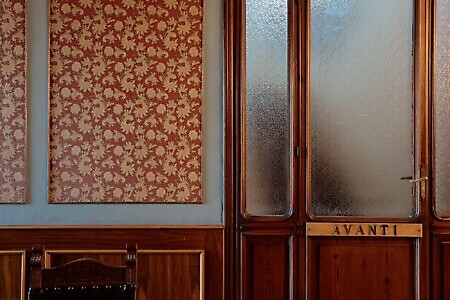
Town Hall and Municipal Park
Viale Cavaliere Giuseppe Copperi 14, Balangero (TO) (Balangero)A magnificent Art Nouveau masterpiece by Giuseppe Copperi framed by greenery, where architectural elegance meets nature and history. The beautiful...
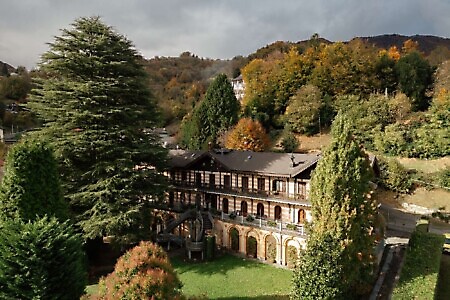
Villa Franchetti
Villa Franchetti (Viù)Villa Franchetti, built in 1861 by Baron Raimondo Franchetti, dominates the hill overlooking Viù with its shaded park. Inspired by...
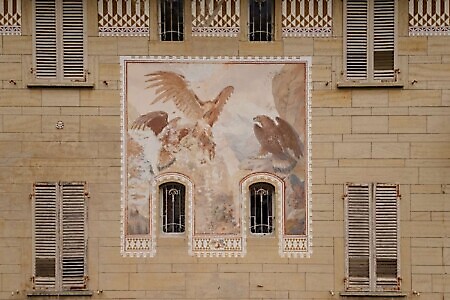
Villa Pastrone
Via Vittorio Alfieri 4, Richiardi (Groscavallo)The historic residence of director Giovanni Pastrone, a pioneer of Italian silent cinema, the villa is a treasure chest telling...