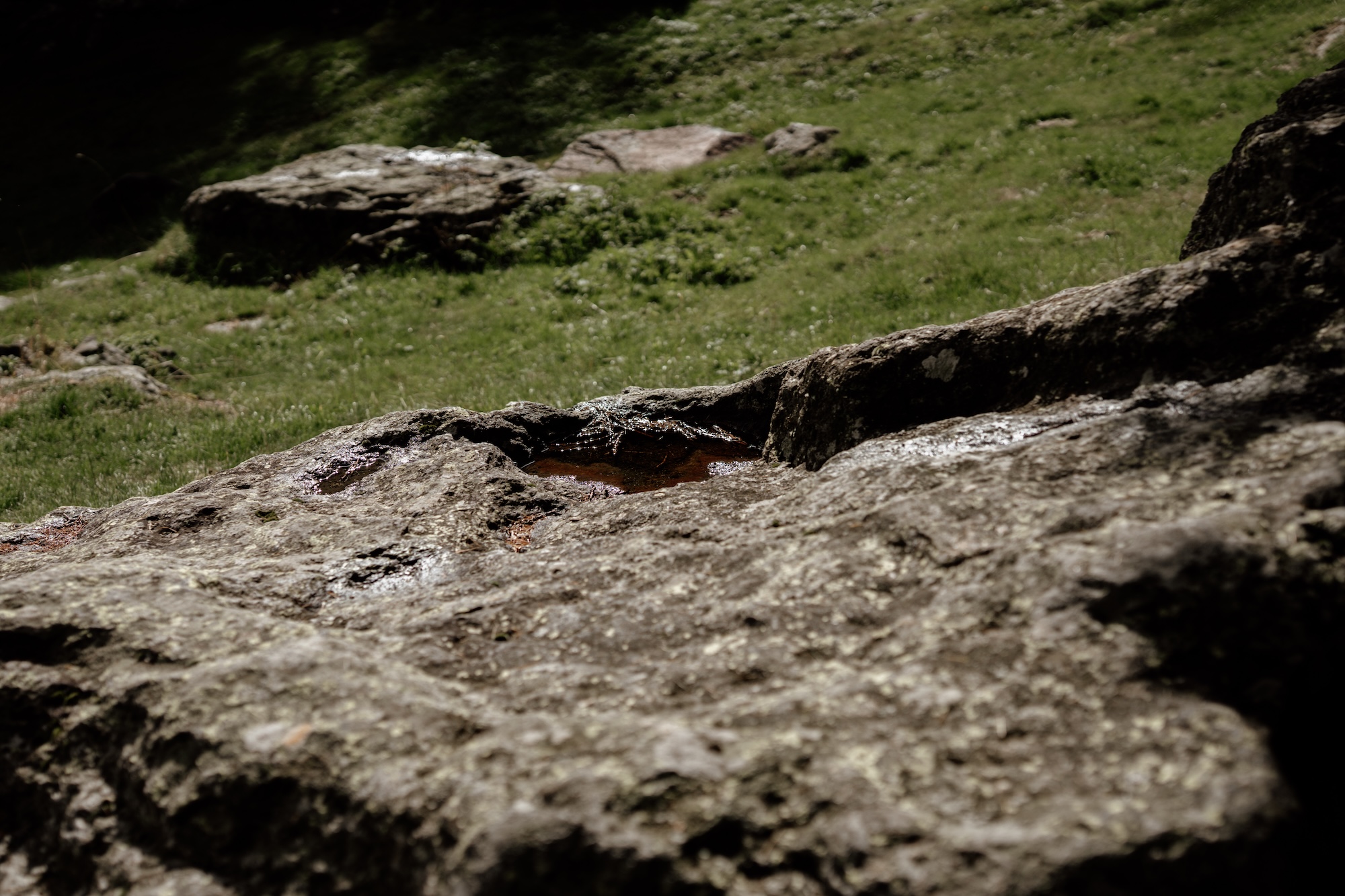

Bogone, a seasonally inhabited Alpine pasture hamlet, holds ancient traces in its stone, where archaeology, mystery, and Alpine spirituality converge.
Site overview
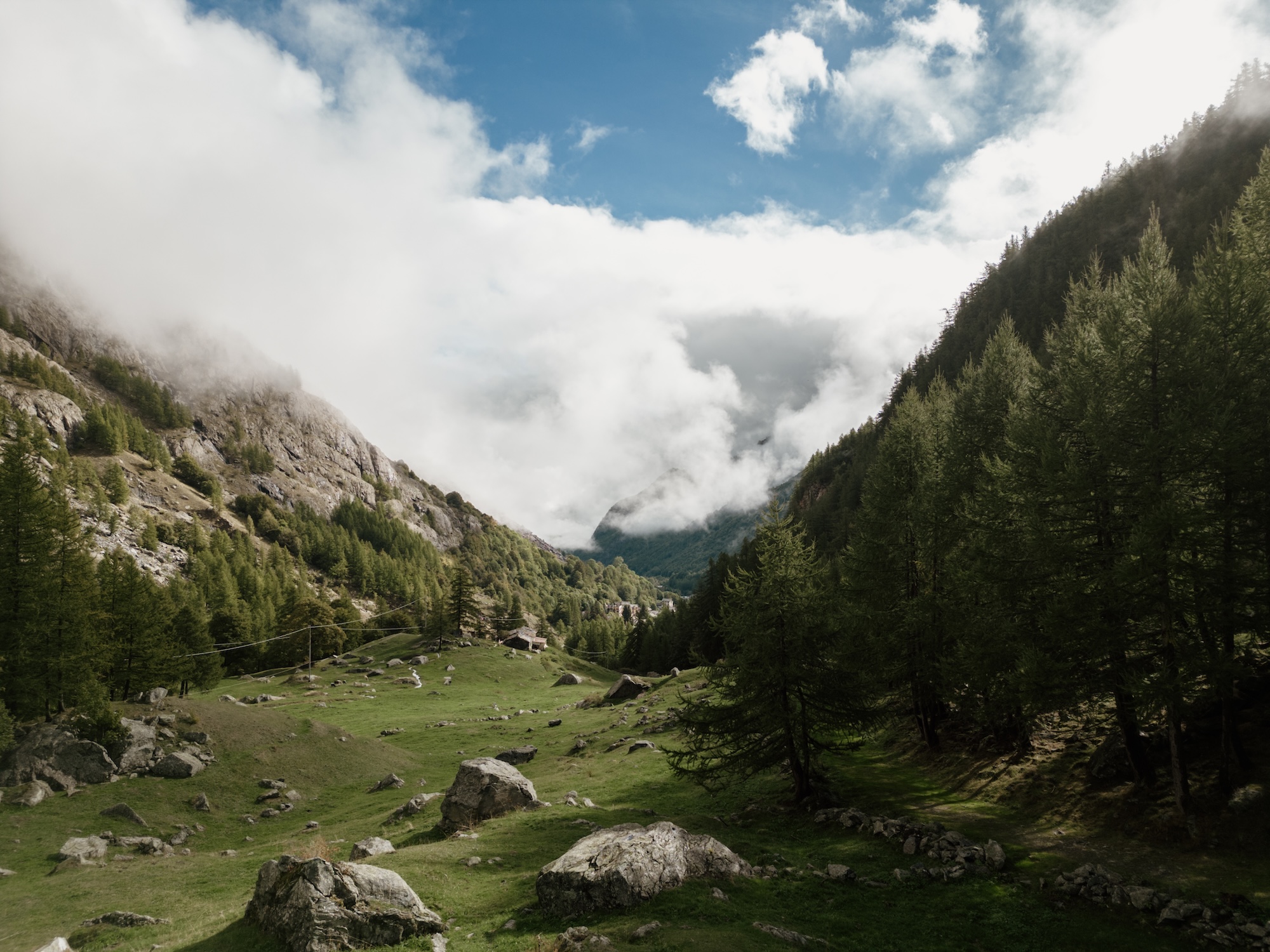
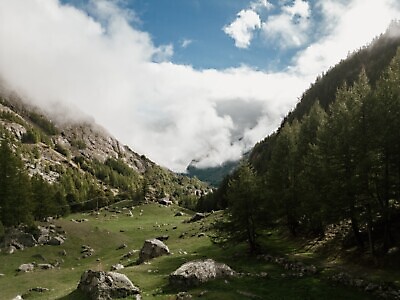
The small hamlet of Bogone was inhabited mainly in spring and autumn, serving as a stopping point during the Alpine pasture season.
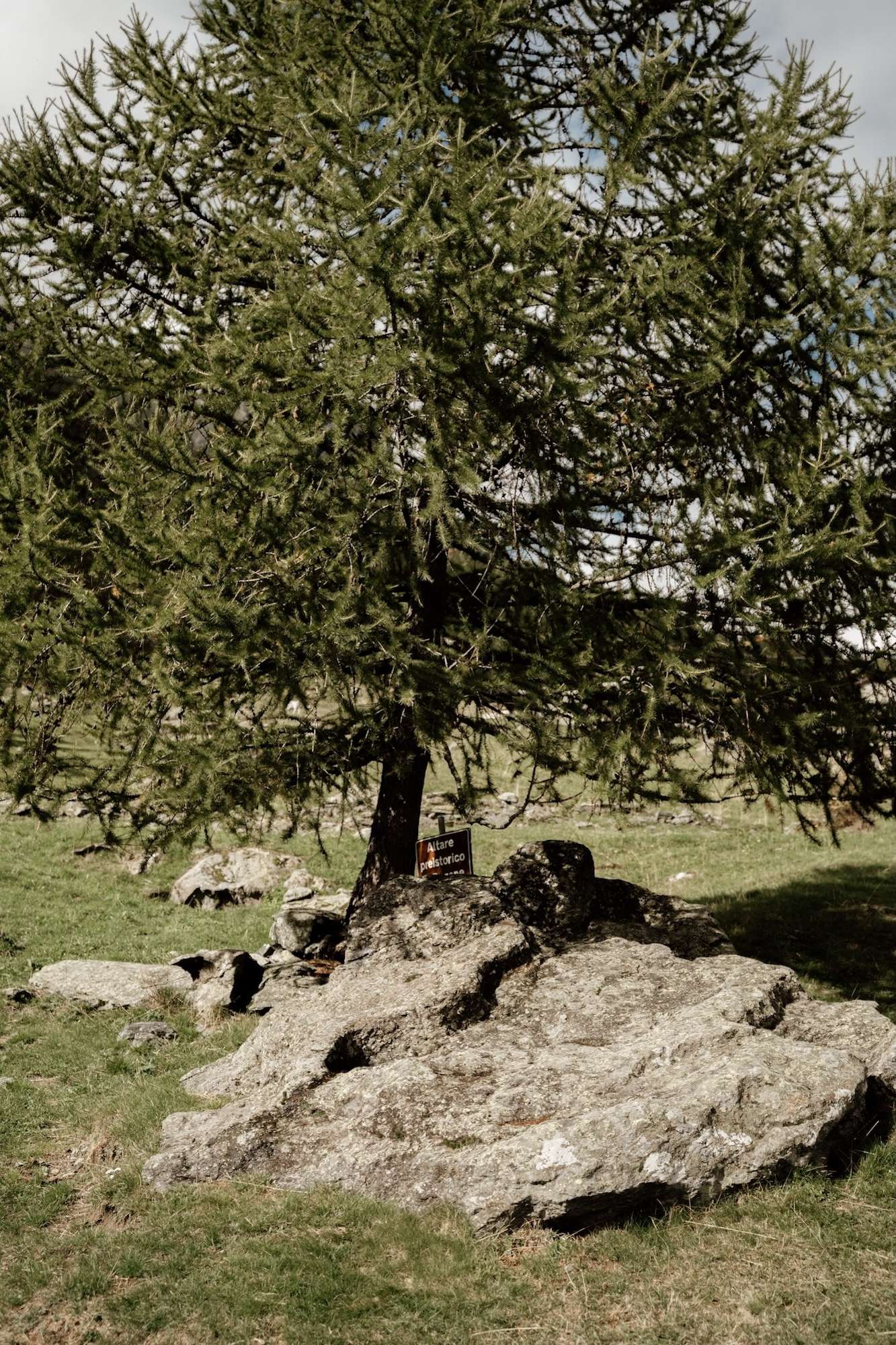
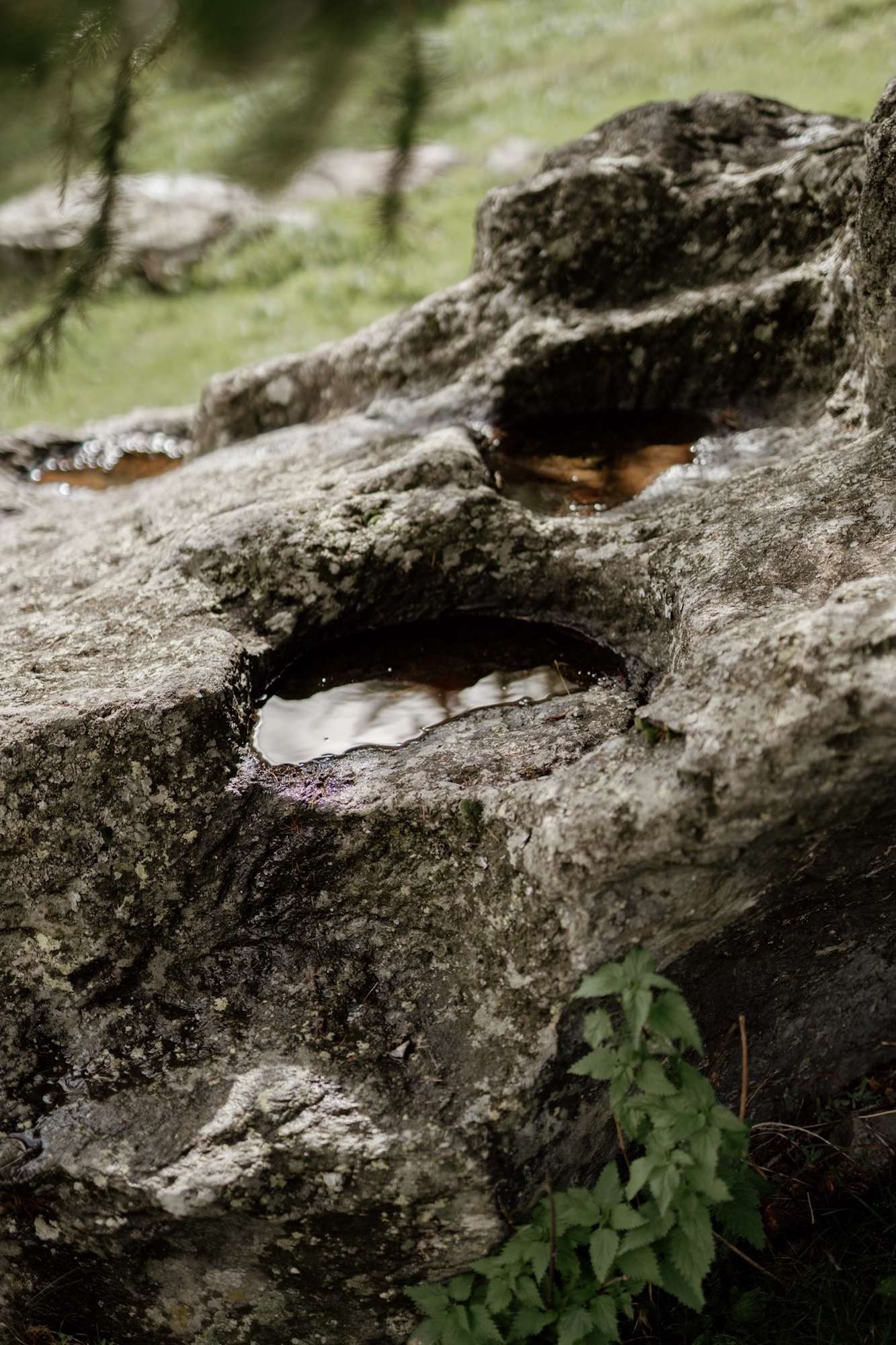
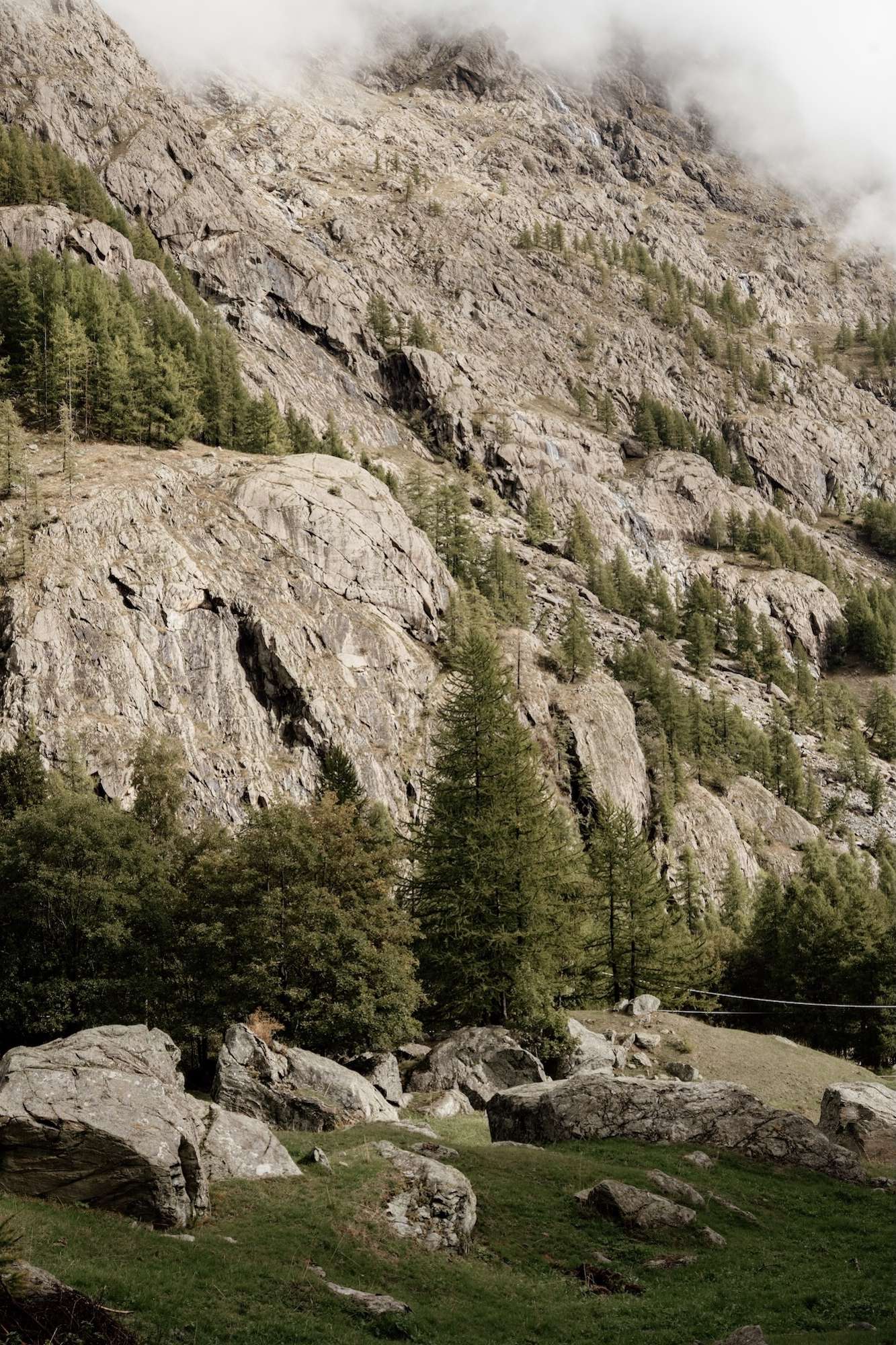
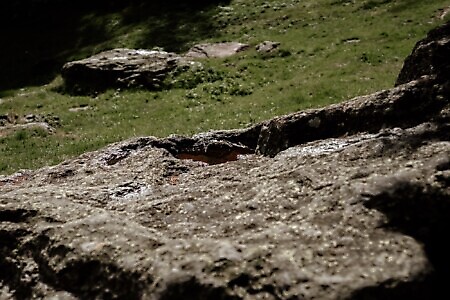
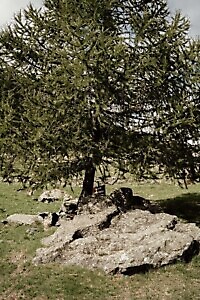
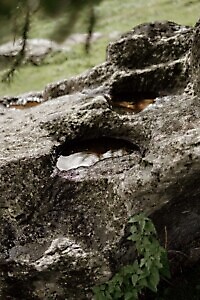
The hamlet is abundant in historical remnants. Evidence shows human presence dating back to the Neolithic era, including the enigmatic cup-marked boulder of Bogone, often mistakenly called the “druidic altar”. This boulder features large circular hollows connected by grooves carved into the rock, radiating from a prominent stone stump atop the outcrop. Additional cup marks of different sizes are scattered throughout the town and in nearby valleys.
From a large stone stump atop the boulder, small channels carved into the rock extend outward to fill several large circular hollows. Like other cup-marked boulders found throughout the western Alps, some scholars consider this stone a pre-Christian sanctuary.
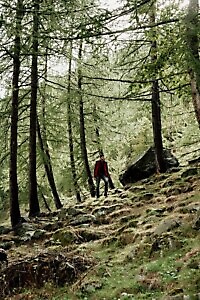
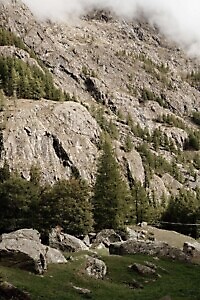
How to visit the site
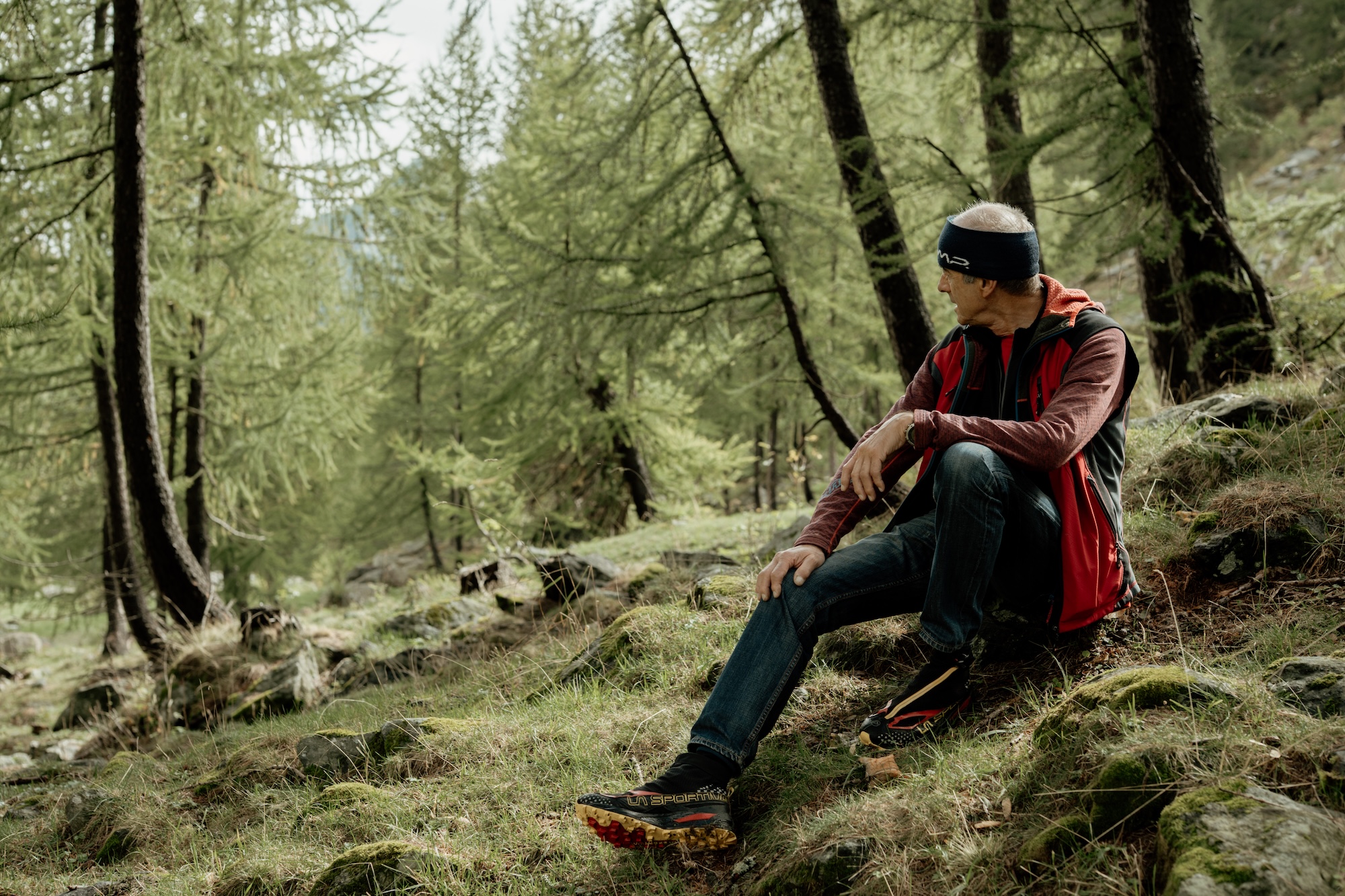
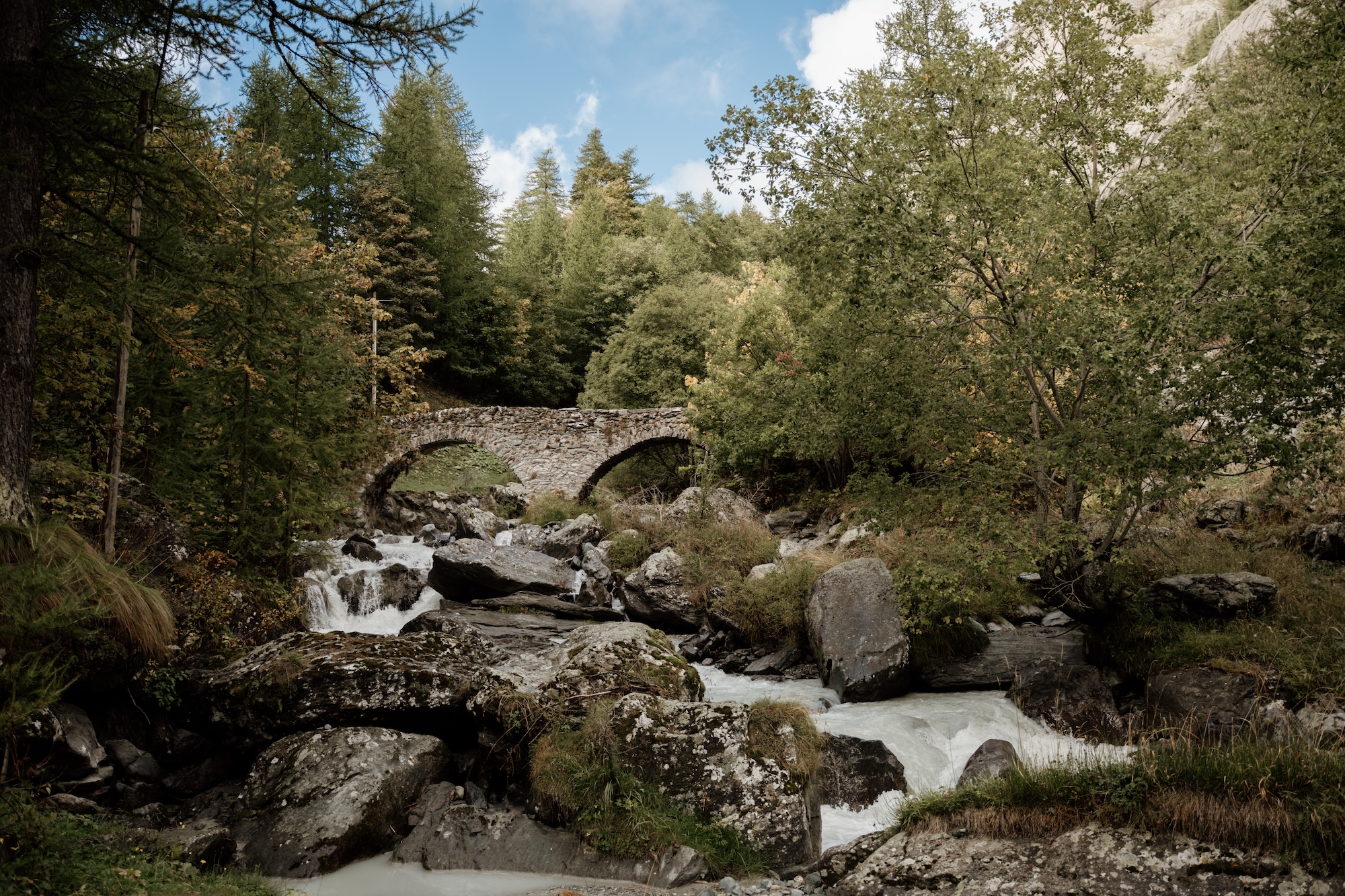
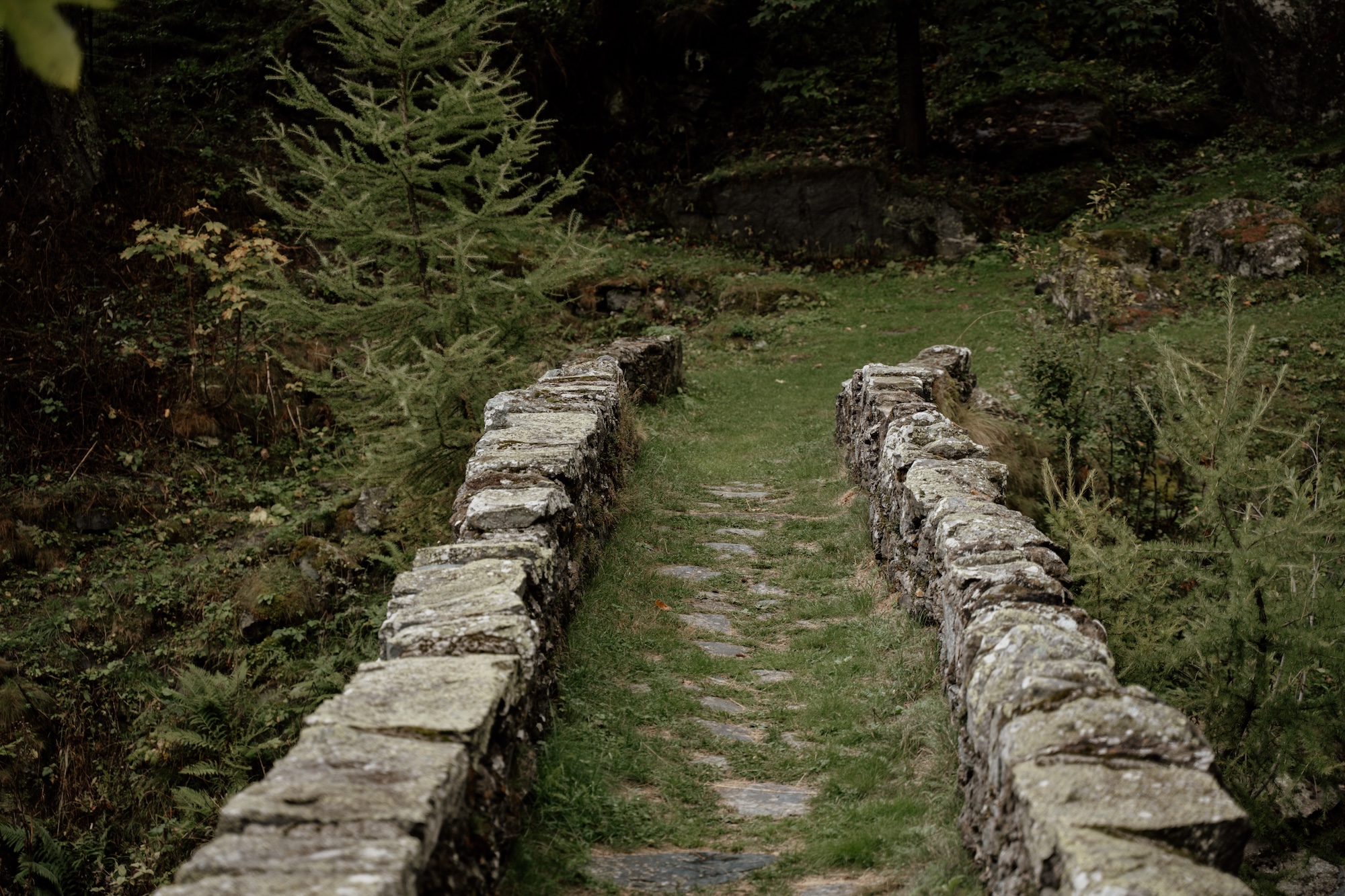
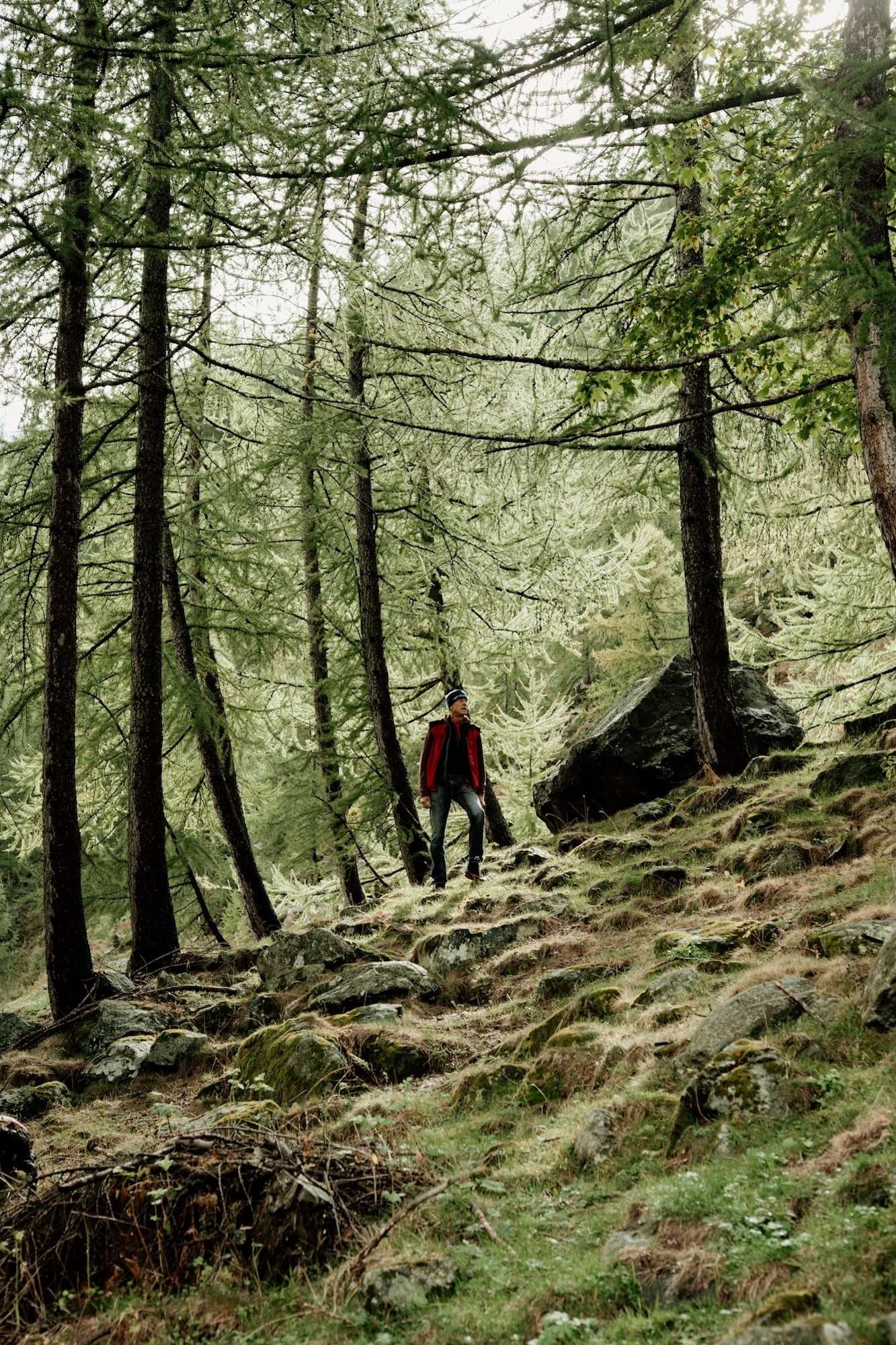
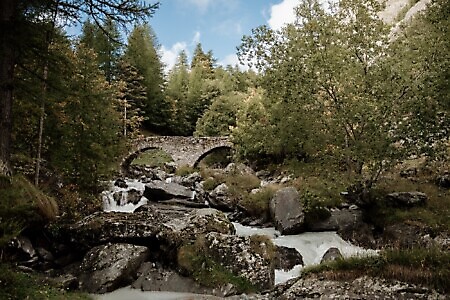
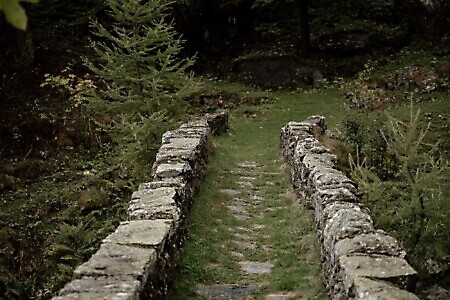
The large, flat-topped boulder is situated just a few dozen metres below the houses in Bogone, a village located a few kilometres north of Balme's centre. From the main road on Via Capoluogo, visitors can park near Villa Maria and walk along the mule path that runs beside the villa. After crossing a bridge and walking for a few minutes, the signposted altar can be reached.
You might also like
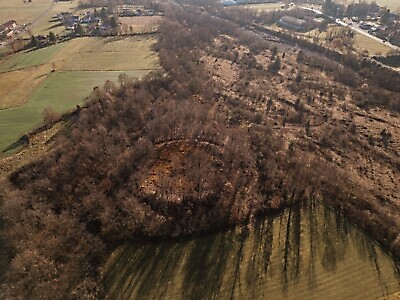
Airal Circle
Frazione Brione, Località “Airal/Buttiberghe” (Val della Torre)The structure is circular, roughly 60 m in diameter, and situated on flat land near where the Casternone and Codano...
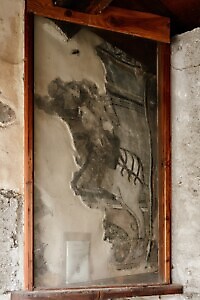
Chapel of the Shroud, or Chapel of Christ Pantocrator
Rivòt di Luis detto anche Via Margutta (Balme)The lanes branching through the old centre of Balme are called quintàness if flat and rivòt if uphill. Narrow and...
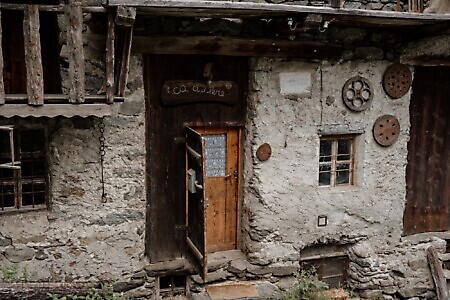
Cornetti Historic Centre
Frazione Cornetti (Balme)Cornetti di Balme (Li Cournàt) is among the highest permanently inhabited settlements in the Lanzo Valleys, sitting at 1,446 metres....
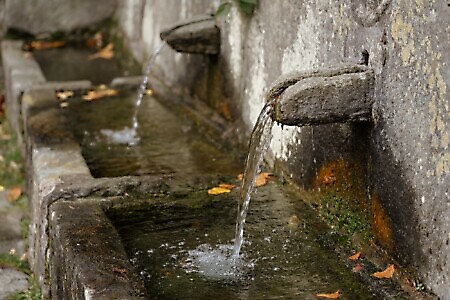
Fountain at Pessinea, Old Wash House, and Sanctuary of the Madonna della Consolata
Frazione Pessinea (Viù)This hamlet is the last in the town of Viù. It remains largely unchanged, maintaining the traditional pedestrian lanes that...
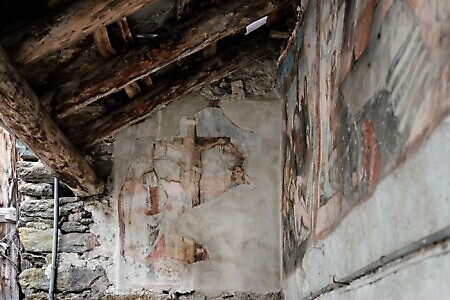
Rucias Fortified House with 17th-Century Fresco
Via Capoluogo, 40 Balme (TO) (Balme)In 1909, work commenced on the Turin aqueduct, and the old centre of Balme was demolished to make way for...