Museum of Sacred Art and Parish Complex of San Martino Vescovo
A treasure chest of sacred art in the Lanzo Valleys.

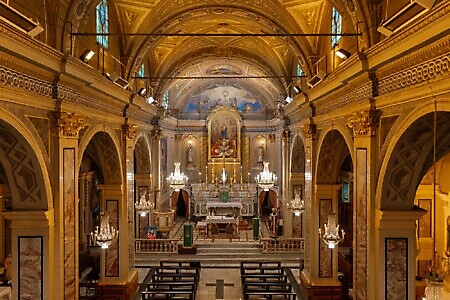
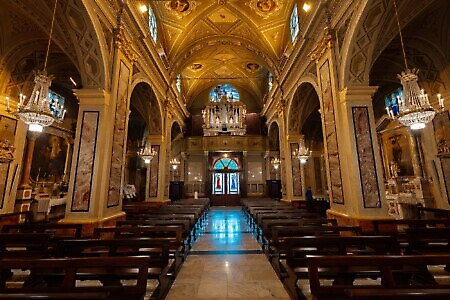
Housed in the Church of San Martino Vescovo, the largest in the Lanzo Valleys, this branch of the Open-Air Museum of Sacred Art preserves a millennium of history. From 17th-century depictions of the Shroud to Baroque altars and paintings from local hamlets, the site offers an extraordinary journey through alpine art and devotion.
Site overview
Ecco la traduzione integrale e fedele del testo, mantenendo il rigore documentaristico e la precisione dei riferimenti storici e artistici:
BODY (Versione Integrale):
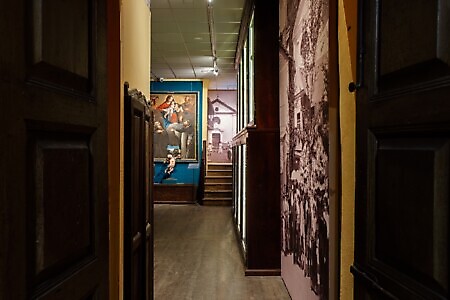
The Museo Diffuso di arte sacra (Open-Air Museum of Sacred Art) is organized into 3 seats across the three Municipalities of the Viù Valley (Usseglio, Lemie, and Viù). The second seat, in Viù, narrates local history starting from the sacred art assets of the Viù territory within the church of San Martino.
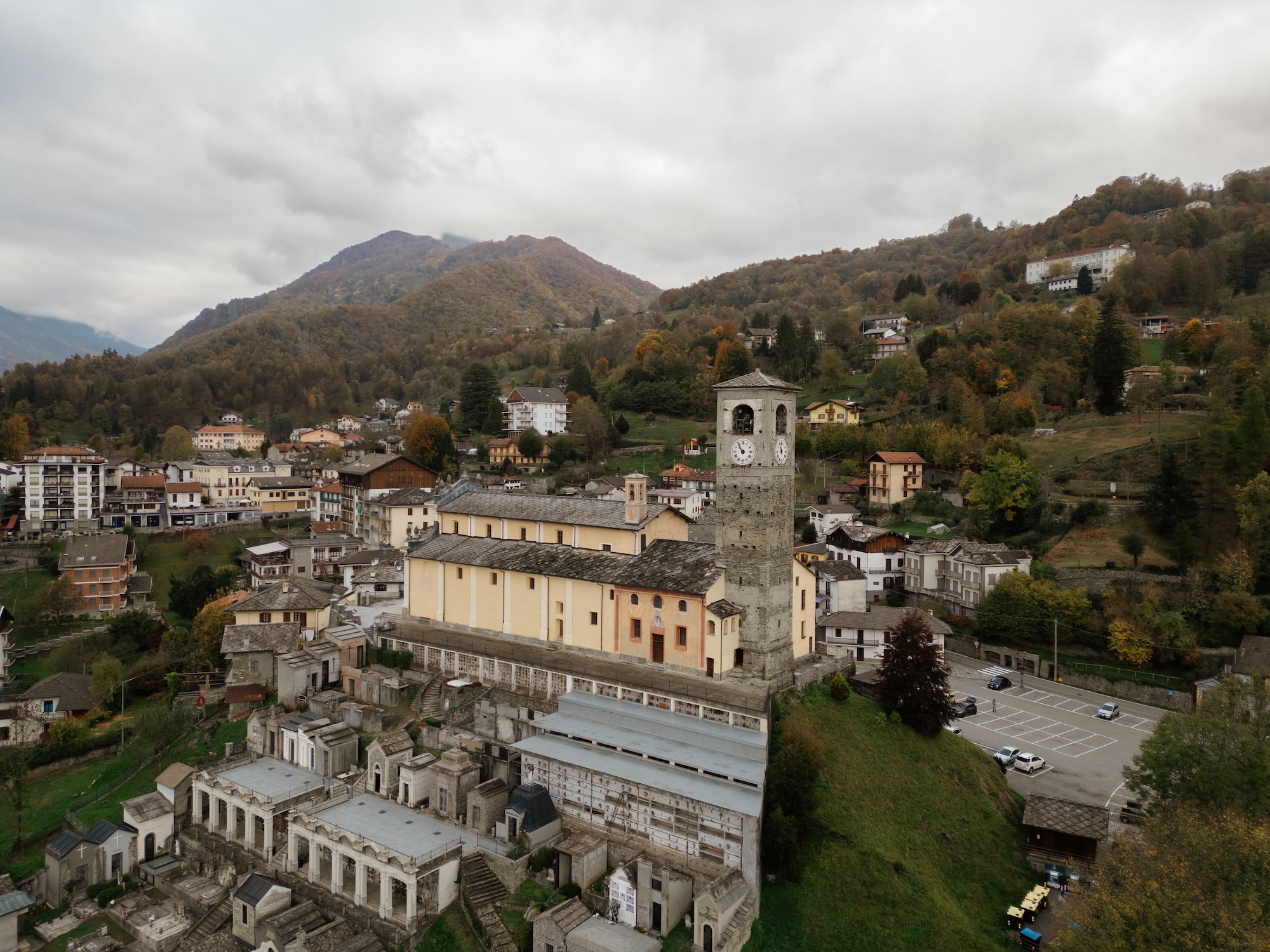
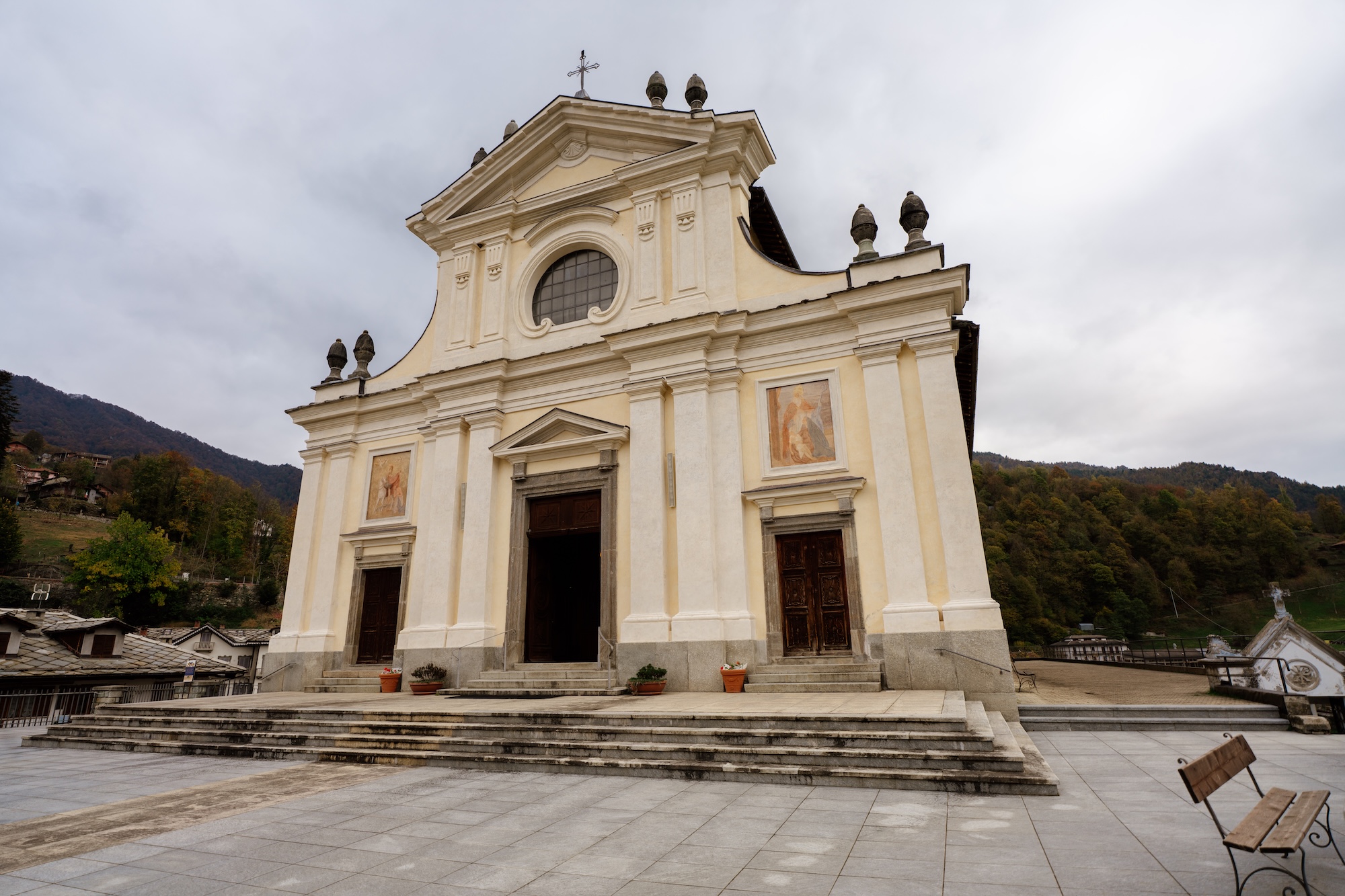
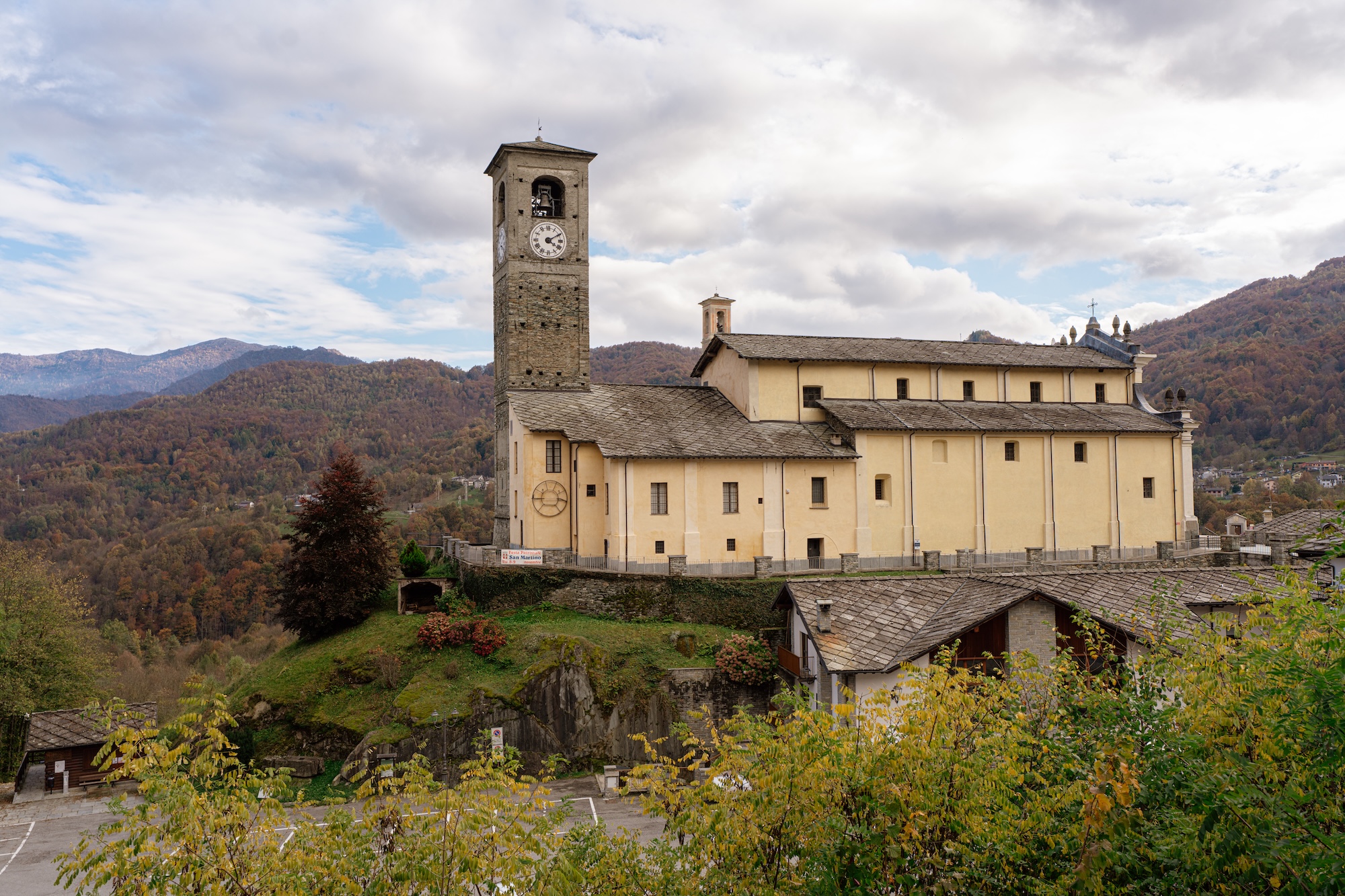
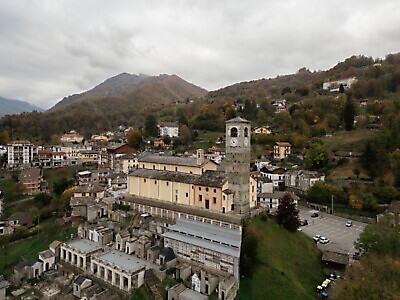
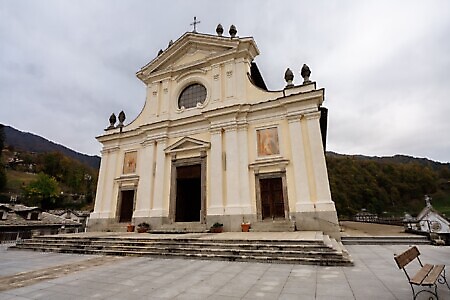
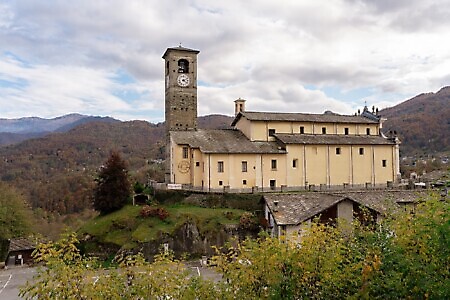
The first mention of the parish dates back to 1011, in a deed in which the Bishop of Turin, Landolfo, confirmed the donation of the Church of San Martino and all its lands (fondi) to the Monastery of San Solutore. Over the centuries, the church has undergone many transformations: starting from 1781, the works that brought the church to its current dimensions were carried out. During that period, the square in front and the scalone (grand staircase) were also built. The interior was renovated between the 1940s and 1950s.
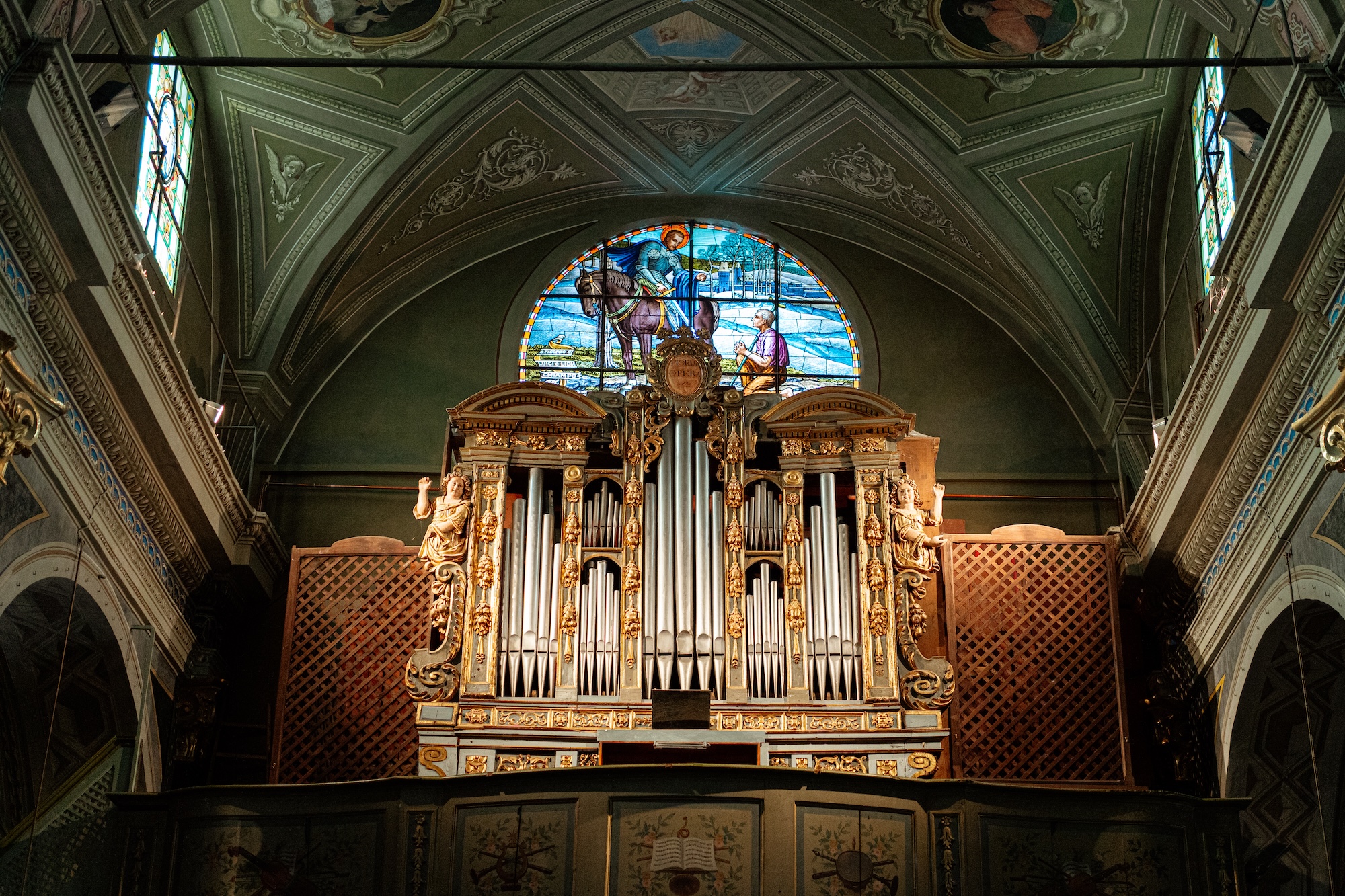
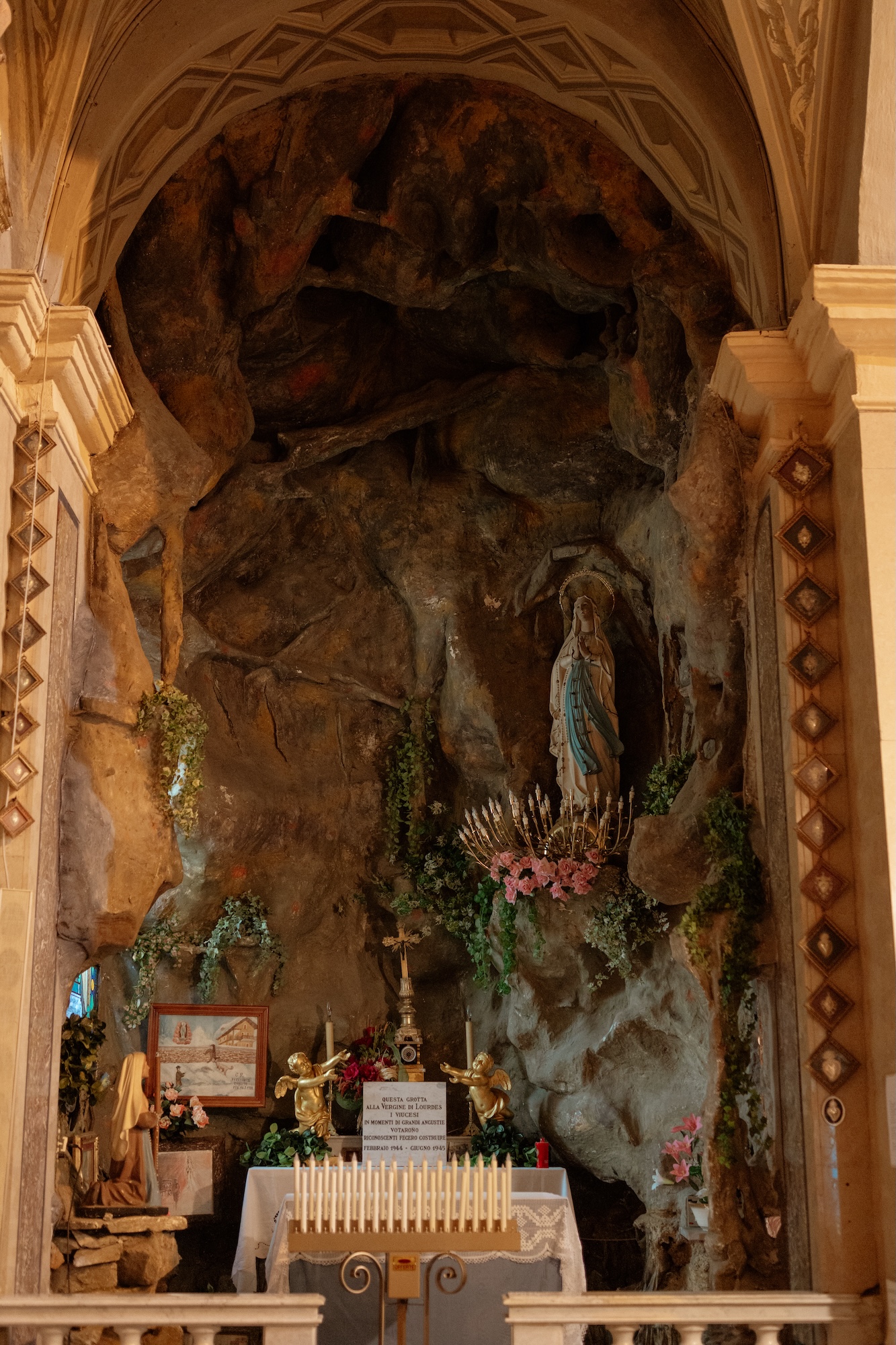
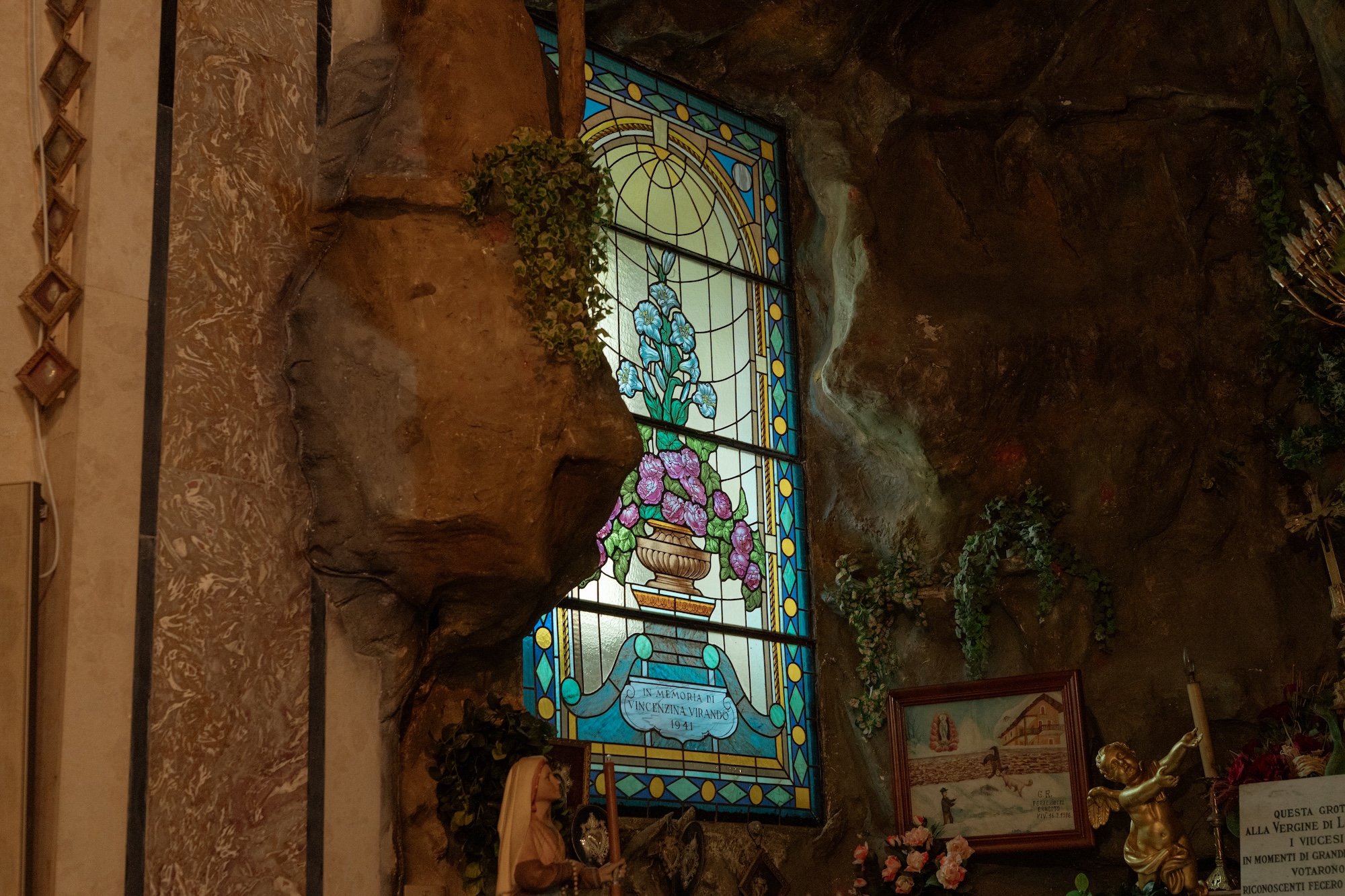
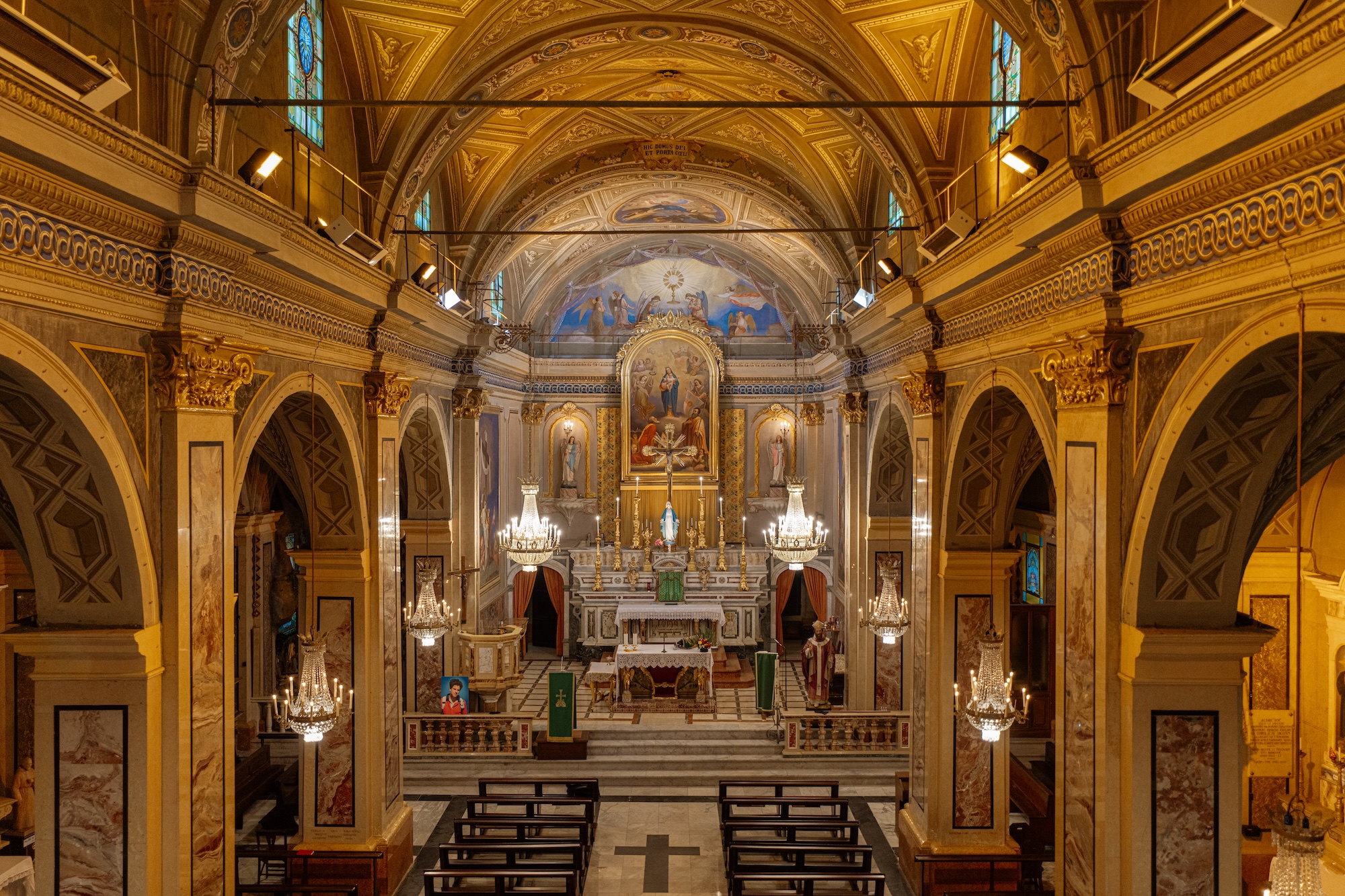
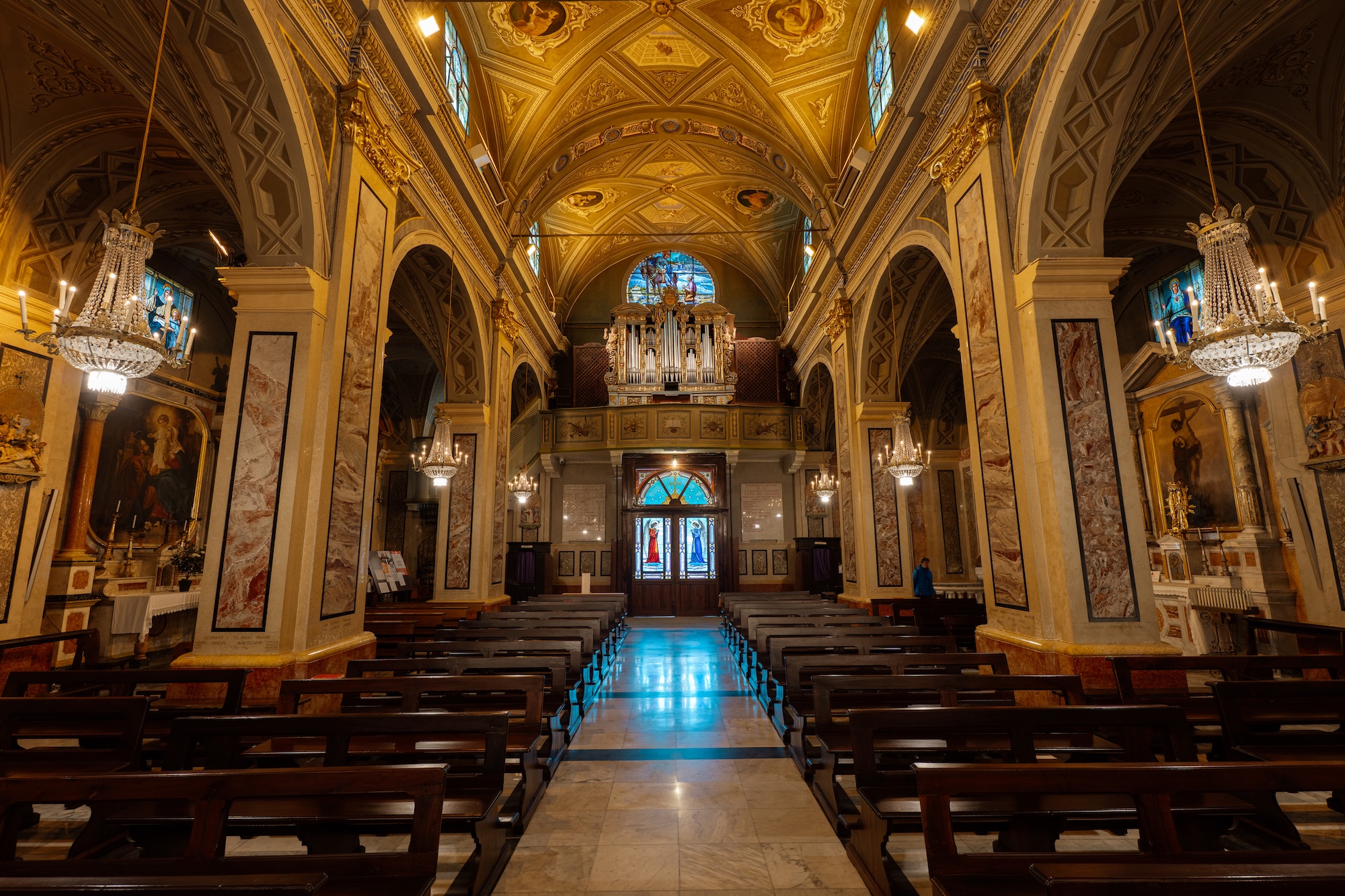
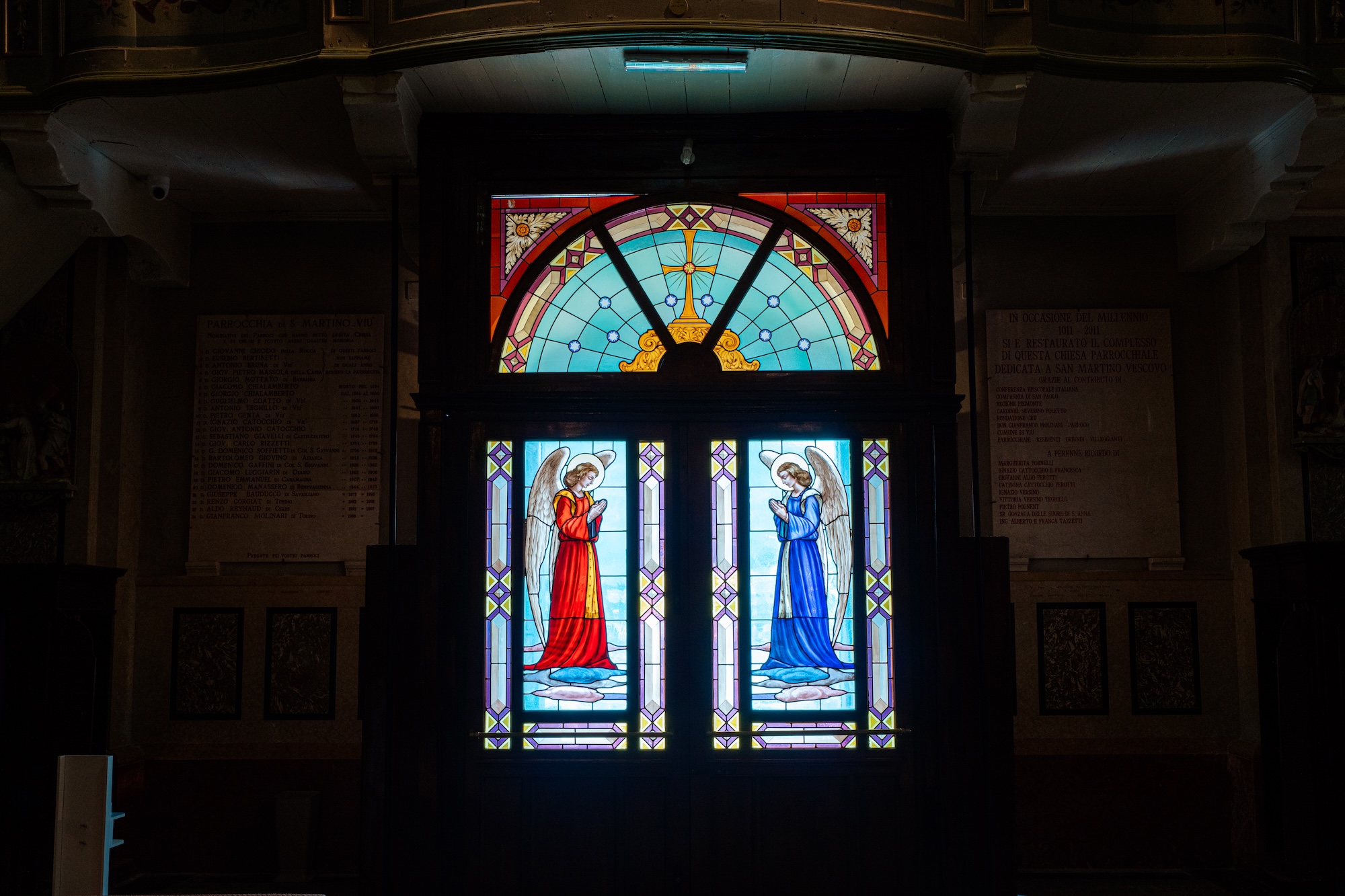
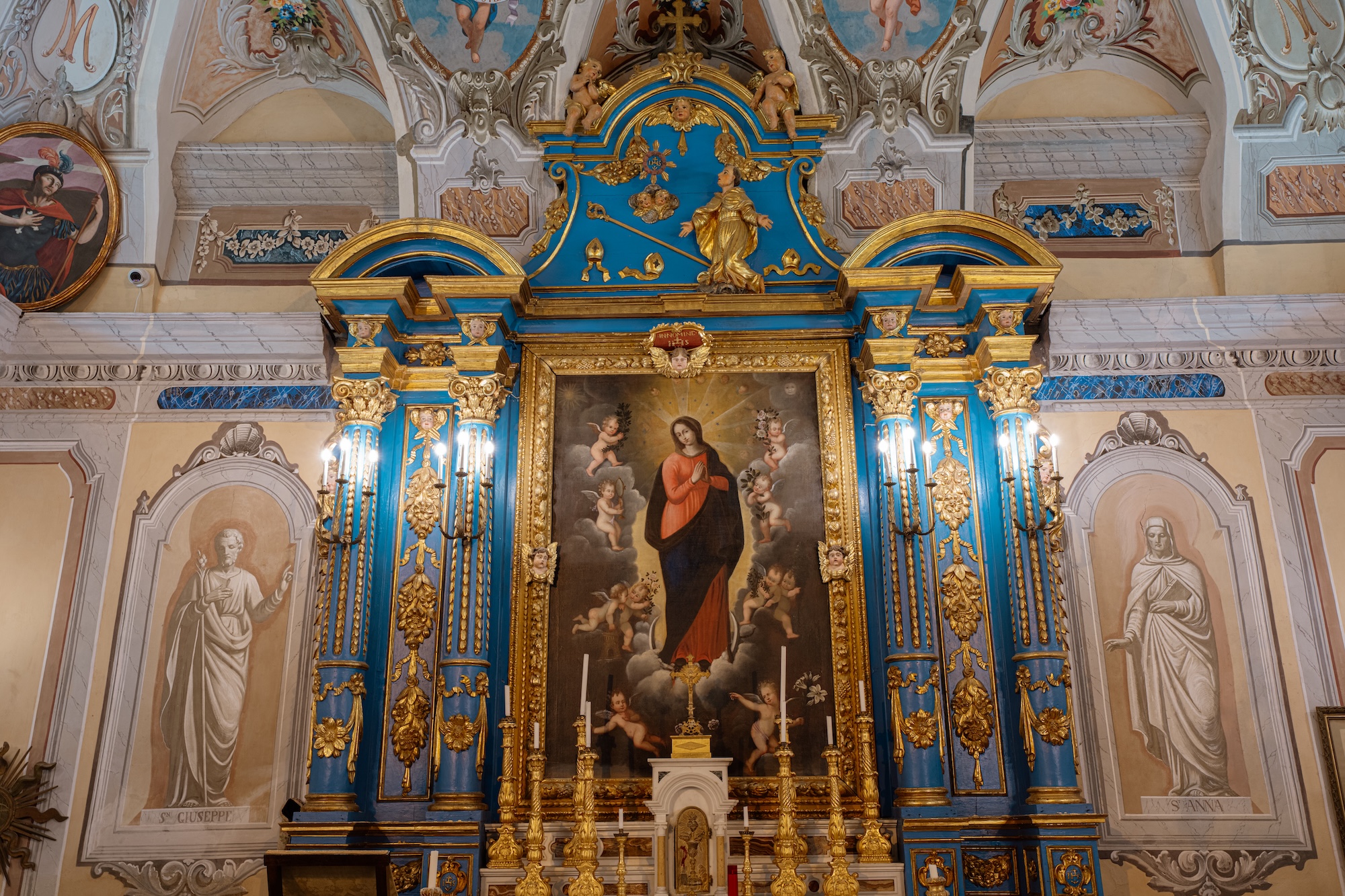
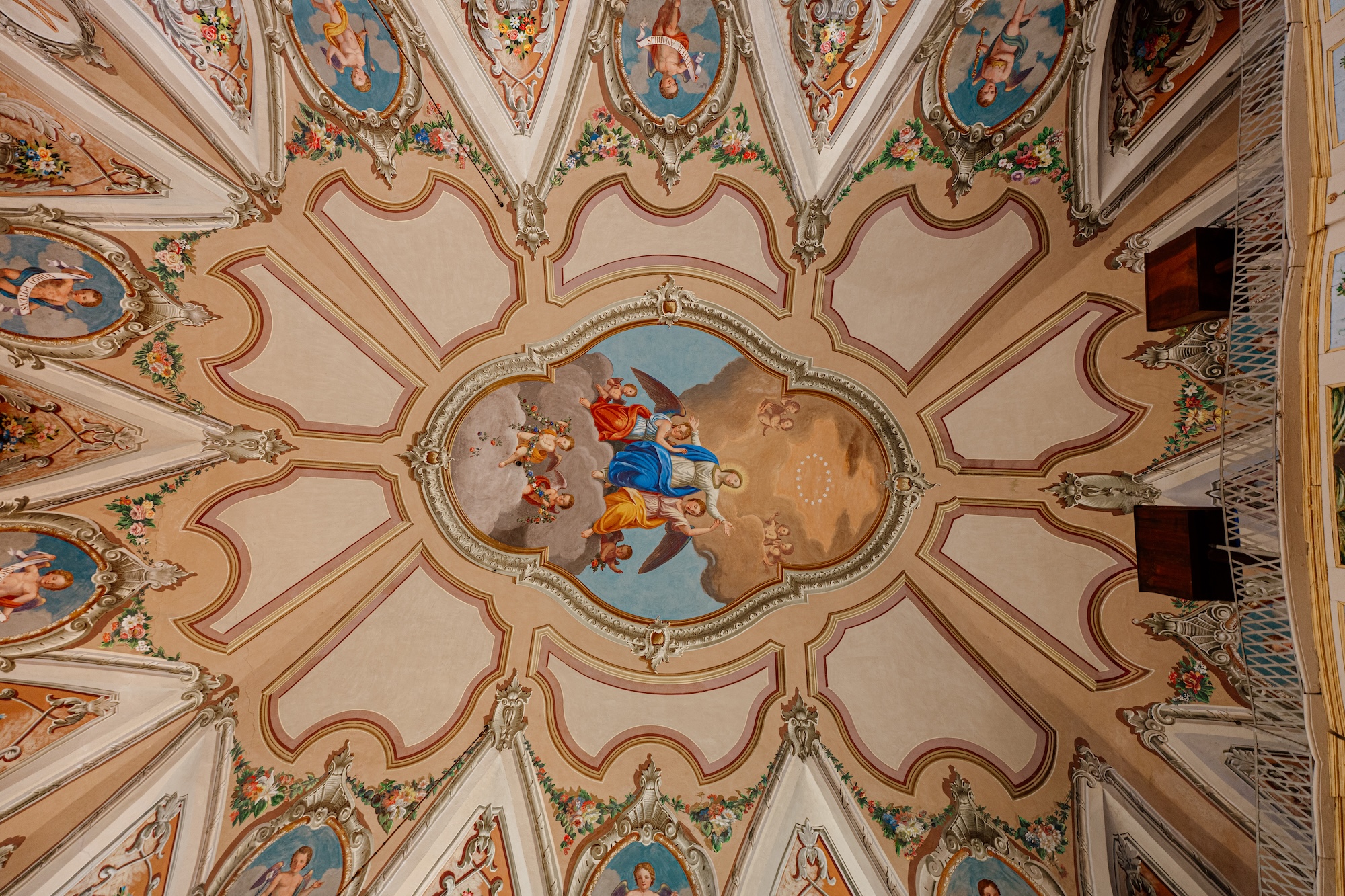
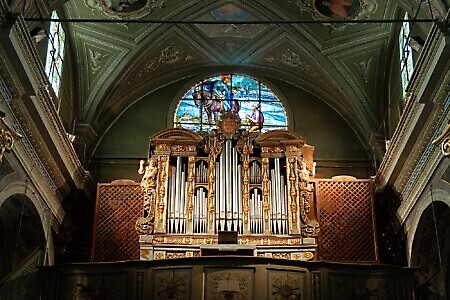
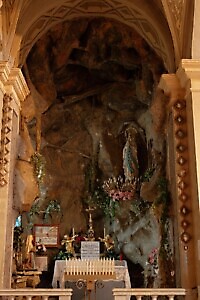
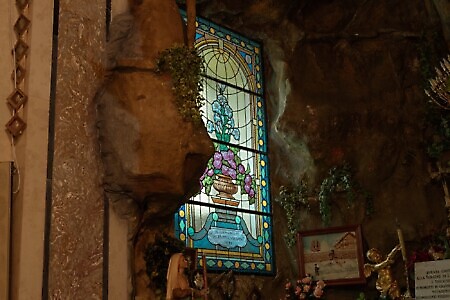
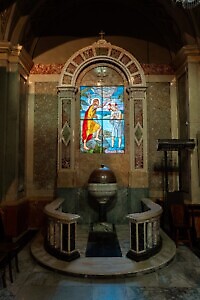
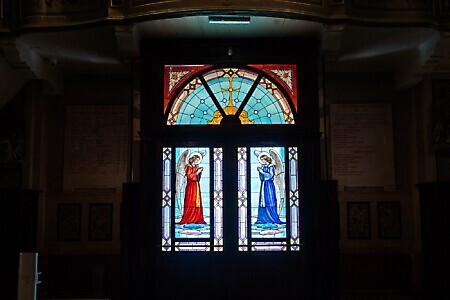
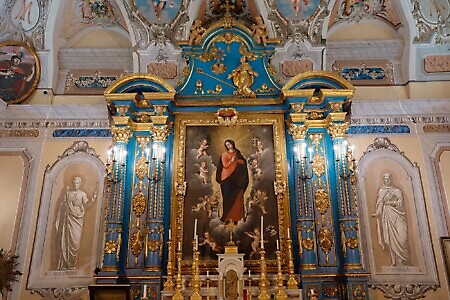
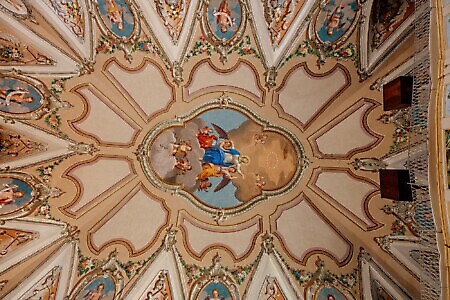
The church, with three aisles, is the largest in the Lanzo Valleys and, with its frescoes and paintings, its organ, the Baroque furnishings, and the peculiarity of some of its side altars, it is a true scrigno d’arte (treasure chest of art).
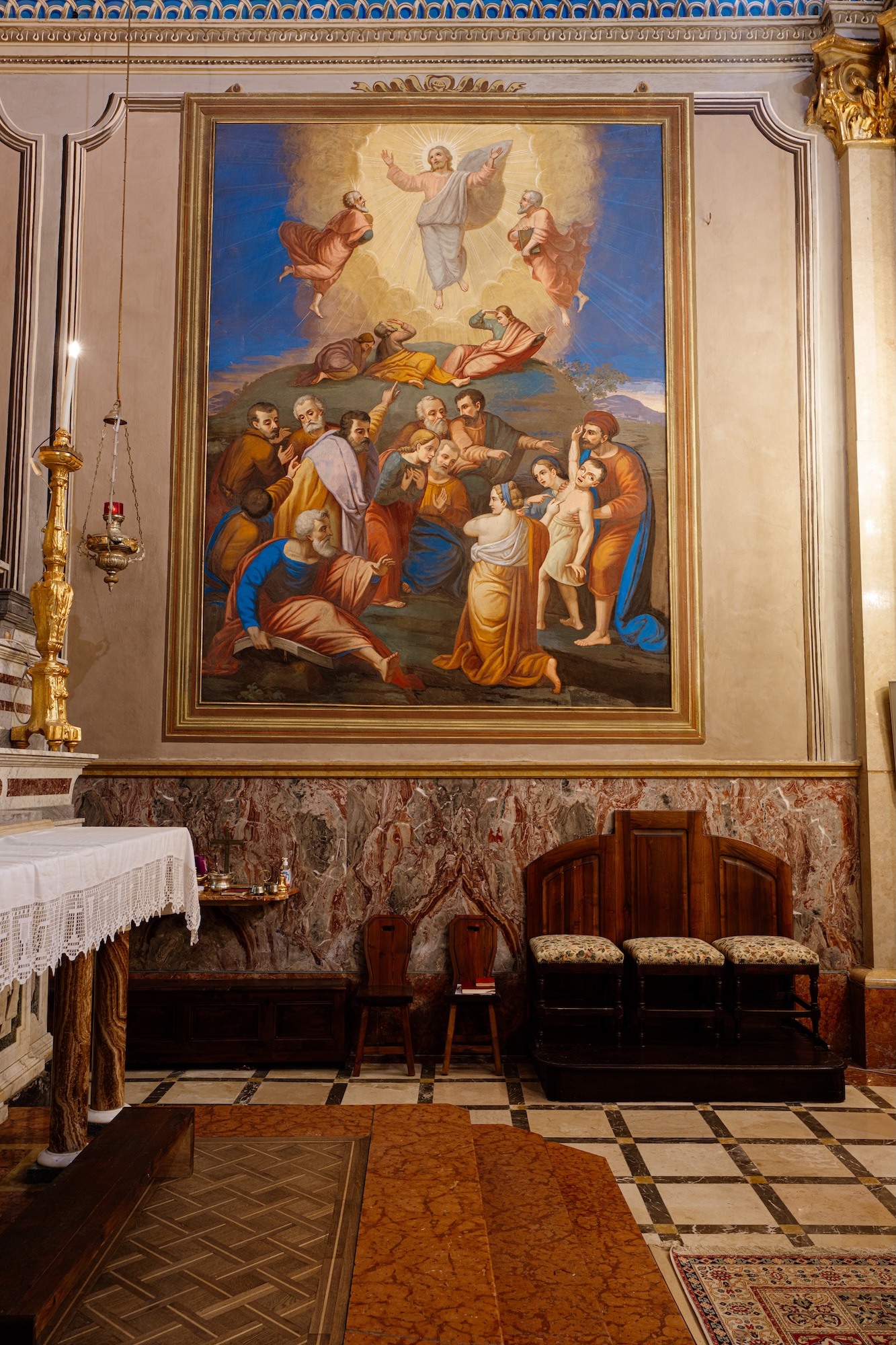
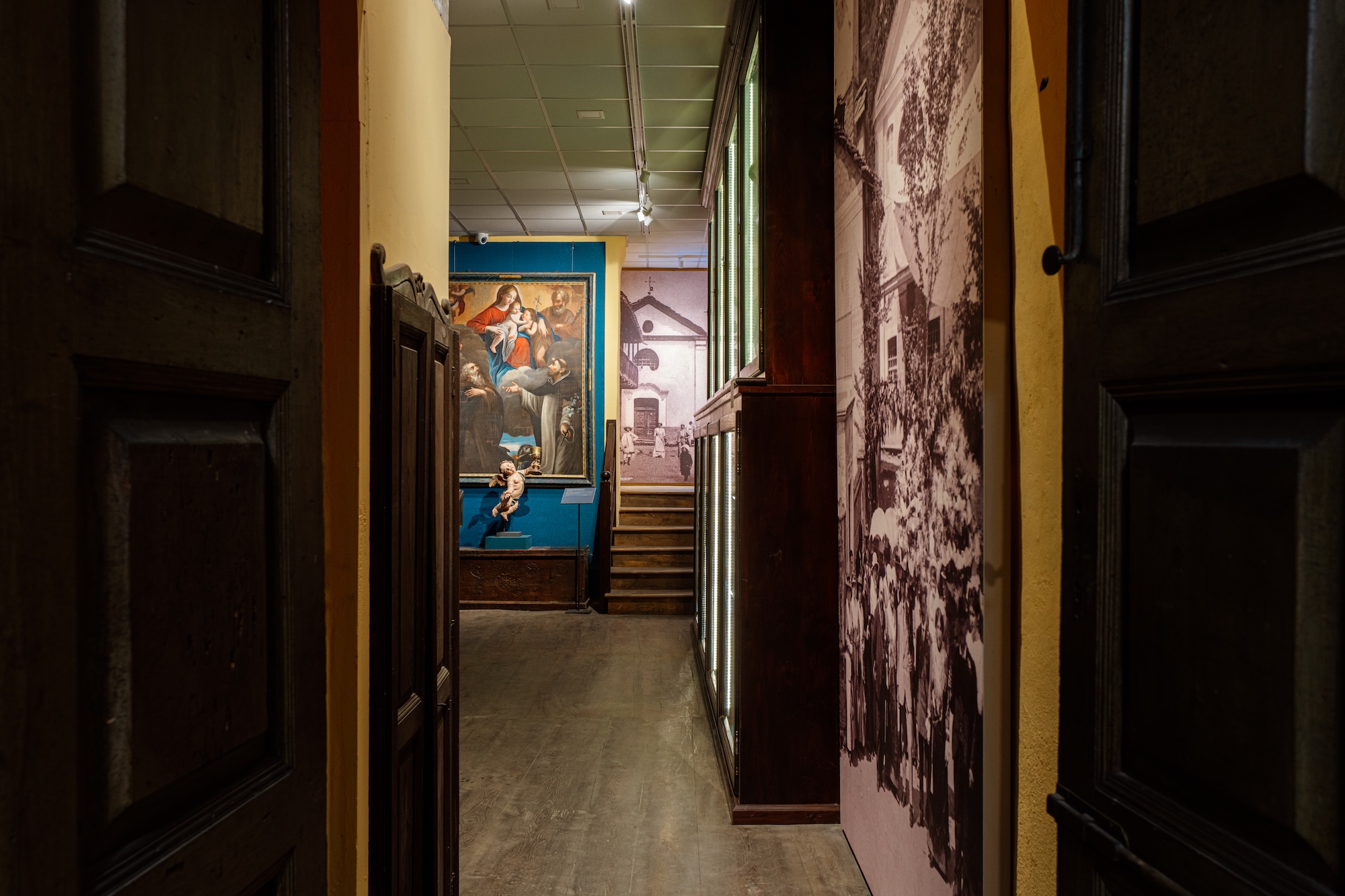
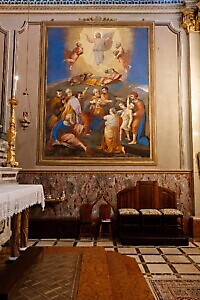
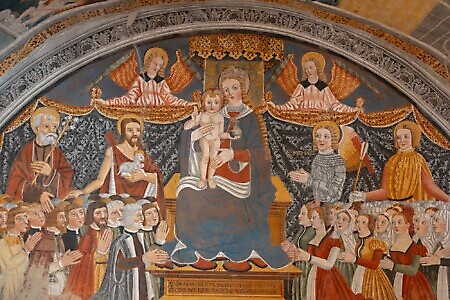
Among the works on display here is the famous 17th-century Ostensione della Sindone (Exhibition of the Shroud) with the depictions of Dukes Emmanuel Philibert and Charles Emmanuel I of Savoy, originating from the chapel of the Venera hamlet, as well as the Madonna and Child between Saints Sylvester and Longinus; the altarpiece of the Madonna and Child, Saint Andrew the Apostle, and Saint John the Baptist from the chapel of Sant’Andrea Apostolo in the Molar Marchis hamlet; some paintings from the chapel of the Holy Spirit in the Cramoletti Inferiore hamlet; the 18th-century Madonna and Child, Saint Dominic, and Saint Anthony Abbot, and the putto of the crucifix from the parish church of Col San Giovanni.
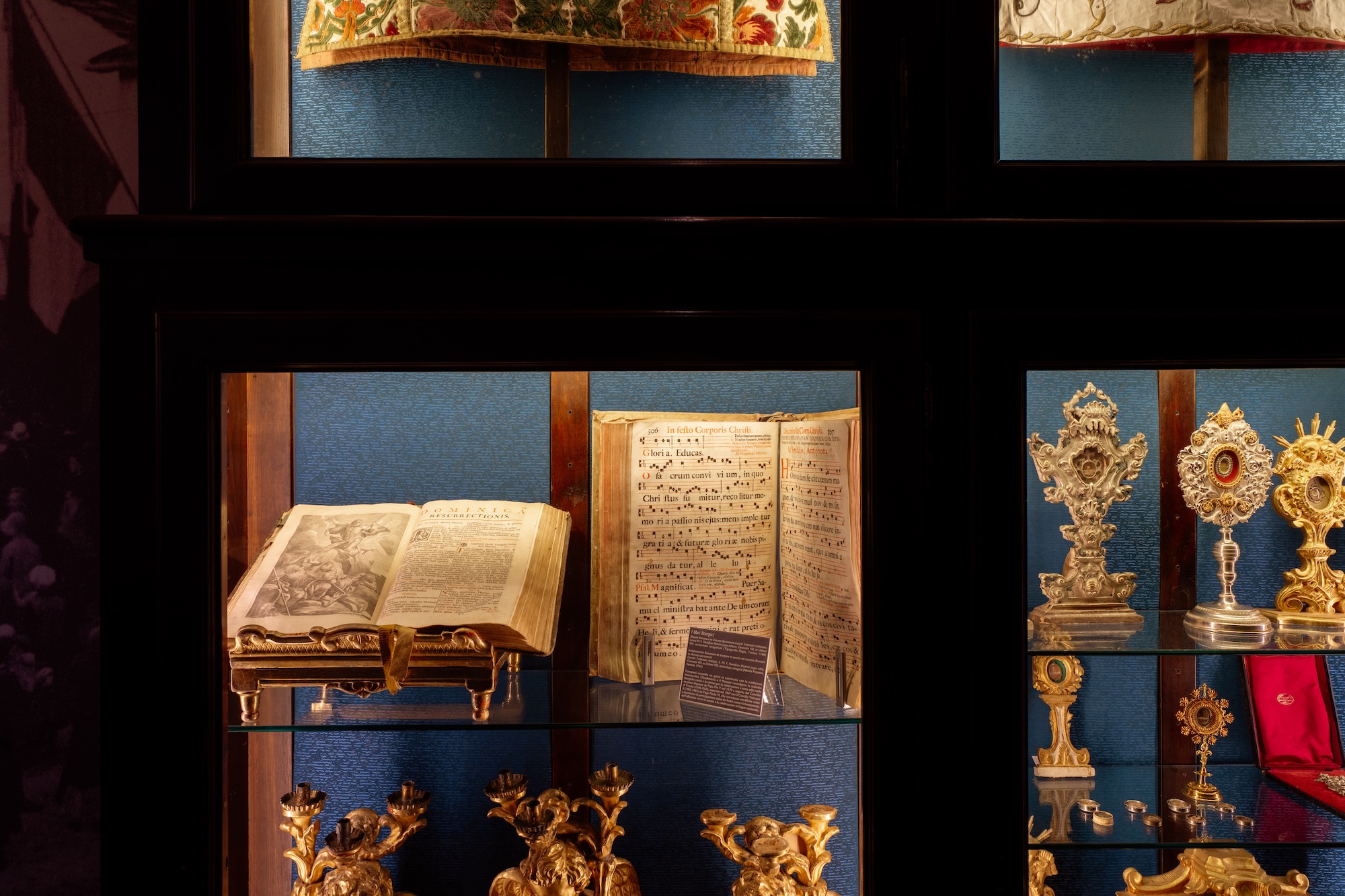
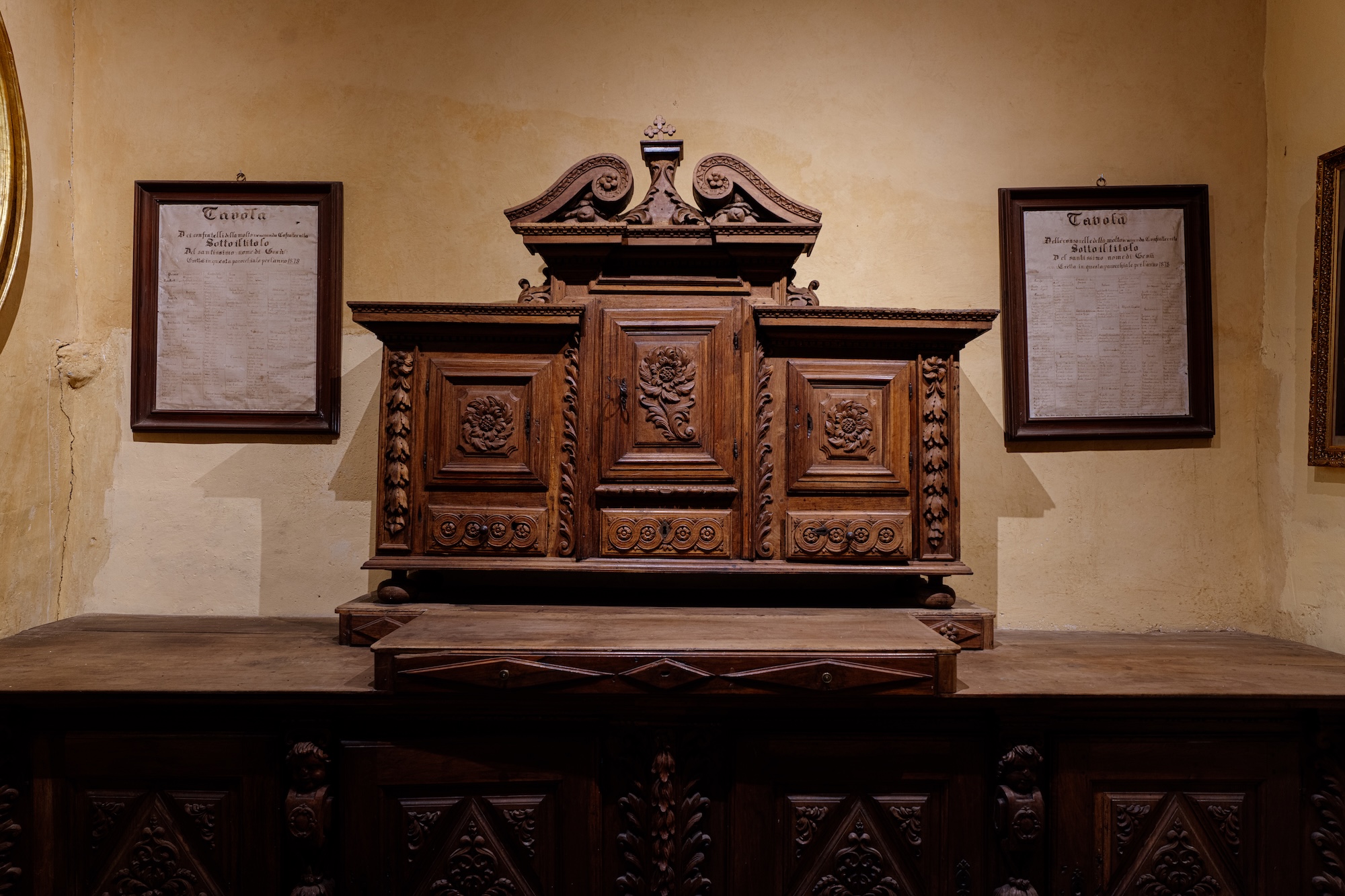
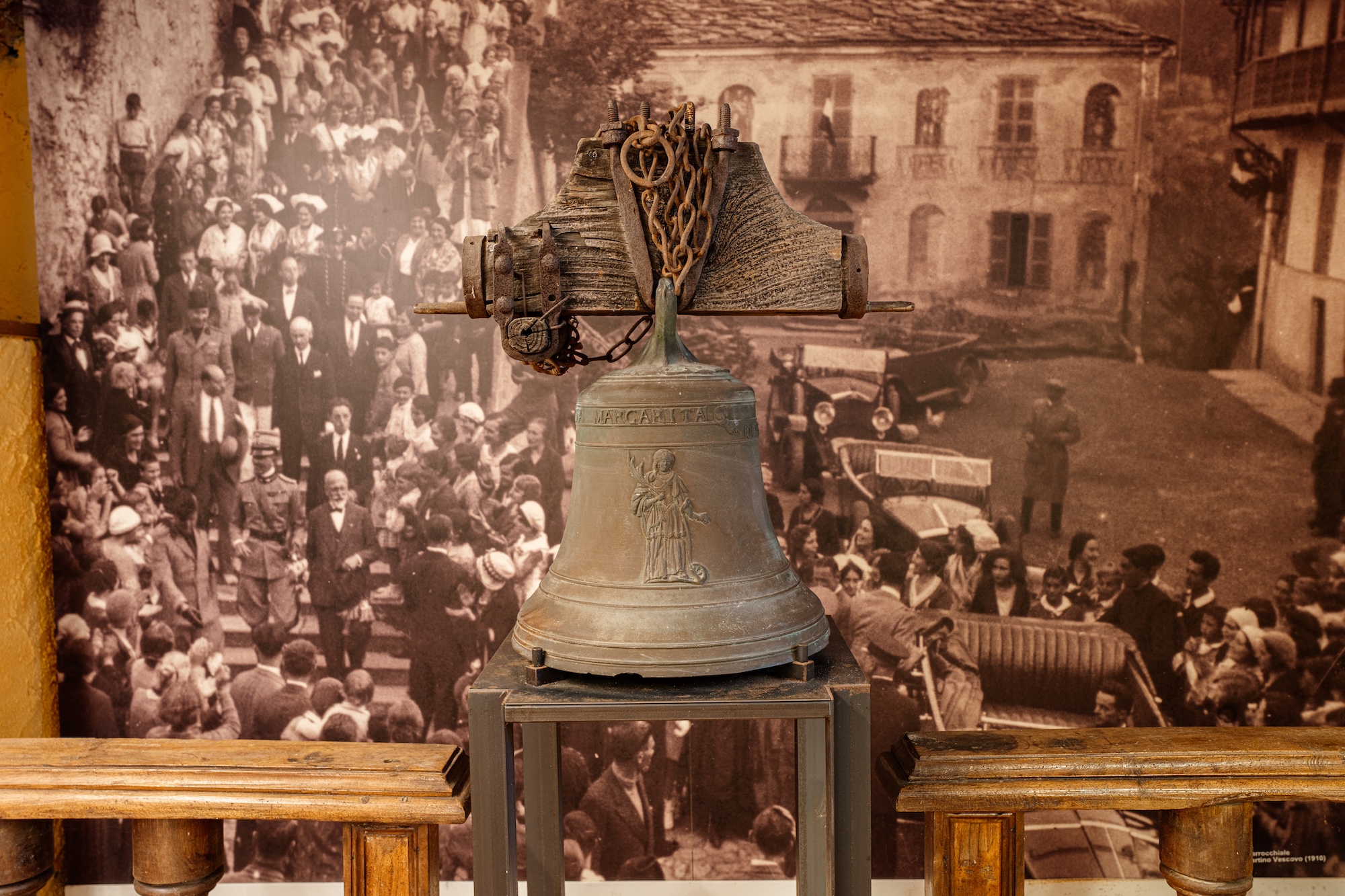
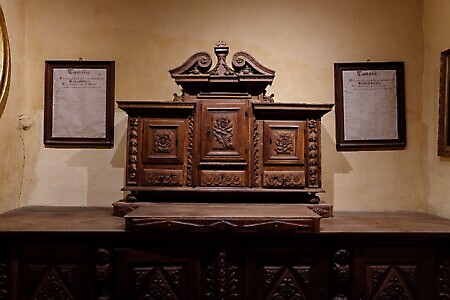
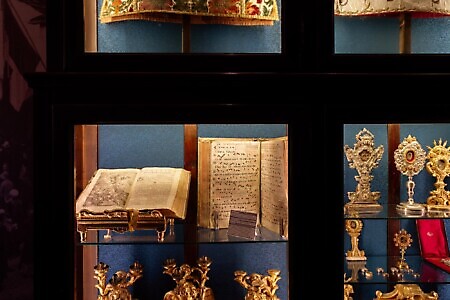
One room is dedicated to ancient liturgical objects: precious vestments, reliquaries, cartegoria (altar cards), 18th-century missals, and altar apparatus, including the 17th-century chalice featuring the effigy of Saint Martin.
How to visit the site
From the Market Square (parking lot), proceed into the hamlet along Via San Martino and follow the signs for "Museo diffuso di arte sacra della Valle di Viù." The museum entrance is located on the front facade of the church, on the right.
You might also like
“Nicola Grosa” Documentation Centre on the Resistance and 20th-Century History
Via Leopoldo Usseglio 5a (Lanzo Torinese)The museum is dedicated to Nicola Grosa, a prominent figure of the Piedmontese Resistance, who spent his post-war life honouring...
Antiquarium – Ecomuseum of the Ceronda Valley
Via Don Giocondo Cabodi 4 (Varisella)The Antiquarium welcomes visitors with a fine display case featuring all the medieval finds from the Castle of Baratonia (Varisella),...
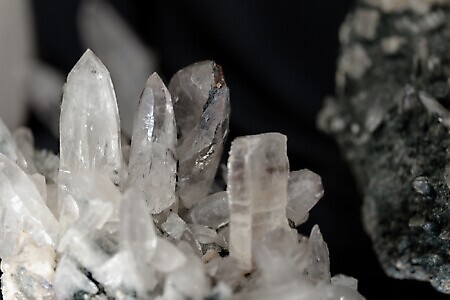
Ecomuseum of Minerals and Local History
Via Rocciamelone 5, Margone (Usseglio)The ecomuseum was born from the passion for mineralogy shared by a group of volunteers and friends, driven by the...
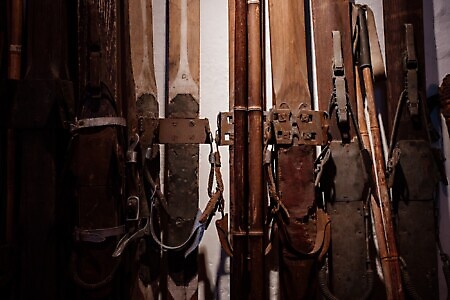
Ecomuseum of the Mountain Guides “Antonio Castagneri”
Ex Municipio (Balme)The Museum was established in 1990 on the centenary of the tragic death on Mont Blanc of the famous Mountain...
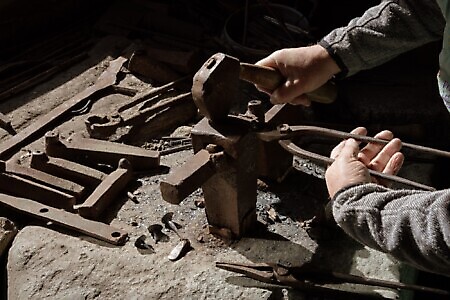
Ecomuseum of the Nail Makers – Ancient Forge
Frazione Forneri (Mezzenile)In the central part of the Lanzo Valleys, several villages lived for centuries, at least since the Middle Ages, on...
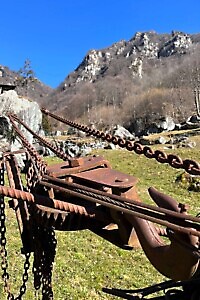
Ecomuseum of the Old Brunetta Talc Mine
Cantoira (Cantoira)The museum was conceived as an example of industrial archaeology, to preserve and showcase the important heritage left by mining...
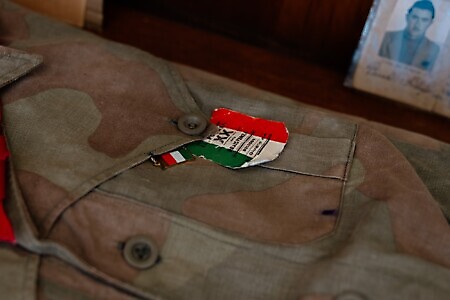
Ecomuseum of the Resistance
Piazzale del Colle del Lys (Viù)A place of memory linked to the history of the local resistance, situated on the watershed between the Lanzo Valleys...
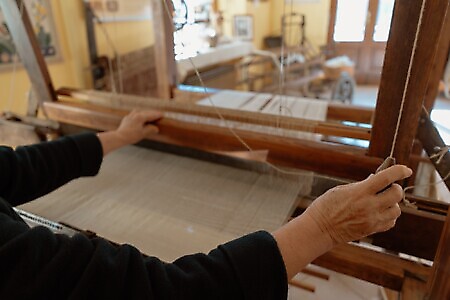
Ethnographic Museum – Textile Art Workshop
Via Leopoldo Usseglio 8 (Lanzo Torinese)Inaugurated in its new location on July 10, 2021, the Museum exhibition is organized into the following path: Section I...
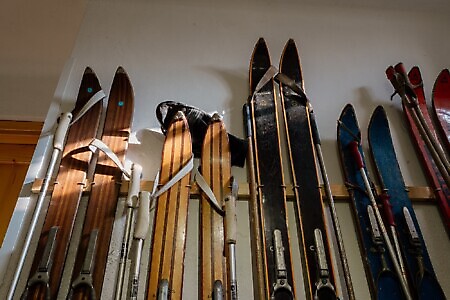
History of Mountaineering Museum of the Lanzo Valleys
Via G. B. Savant 1 (Lanzo Torinese)The museum includes a collection of historical objects related to the practice of mountain sports: it is possible to see...
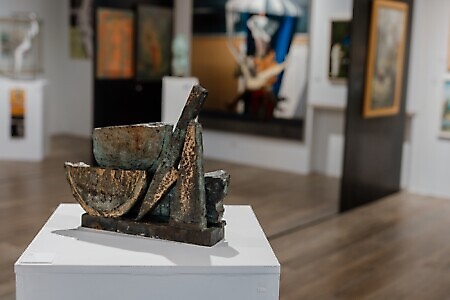
Municipal Art Gallery Francesco Tabusso
Piazza Roma 11 (Rubiana)Inaugurated in 2016, the Municipal Art Gallery Francesco Tabusso, in its permanent exhibition, contains over one hundred works of the...
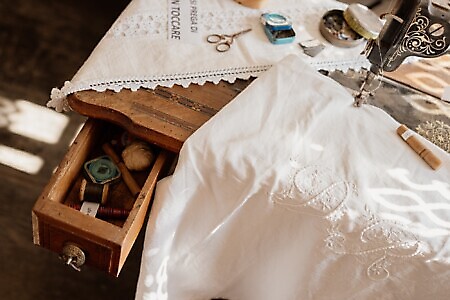
Museo Ca’ dou Rouset and the Lities Open-Air Museum
Località Lities (Cantoira)In Lities, the past is preserved in the “Ca’ dou Rouset” house, a period residence that safeguards the rural memory...
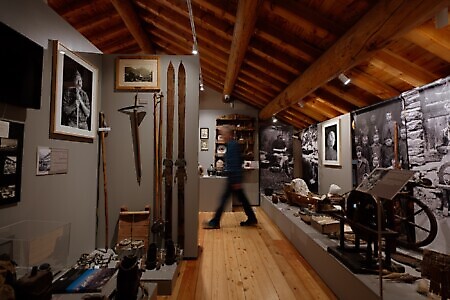
Museo Civico Tazzetti and Parish Complex
Piazza Luigi Cibrario, 1 (Usseglio)Since 2004, the Ancient Parish Complex of Usseglio has returned to life as a cultural hub for the Viù Valley,...
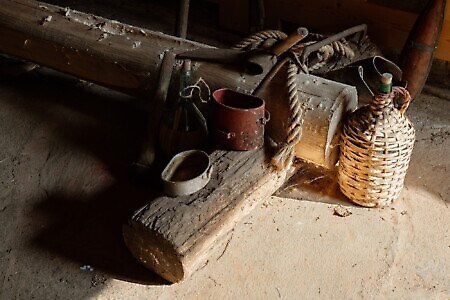
Museo degli oggetti di uso quotidiano a Castagnole
Località Castagnole (Germagnano)The memory of work and daily life of an alpine community. The Museo degli oggetti di uso quotidiano of Castagnole...
Museo del Gipeto
Via Capoluogo, 100 (Balme)From ruthless hunting to scientific monitoring: the story of the bearded vulture is a symbol of nature being reborn. Visit...
Museum – Chapel of the Confraternity and Church of San Michele
Sagrato della chiesa (Lemie)Rebuilt between 1689 and 1701 in Piedmontese Baroque style over the previous 14th-century construction, which was by then considered insufficient...