Fountain at Pessinea, Old Wash House, and Sanctuary of the Madonna della Consolata
Tradition, water, and devotion at Forno.
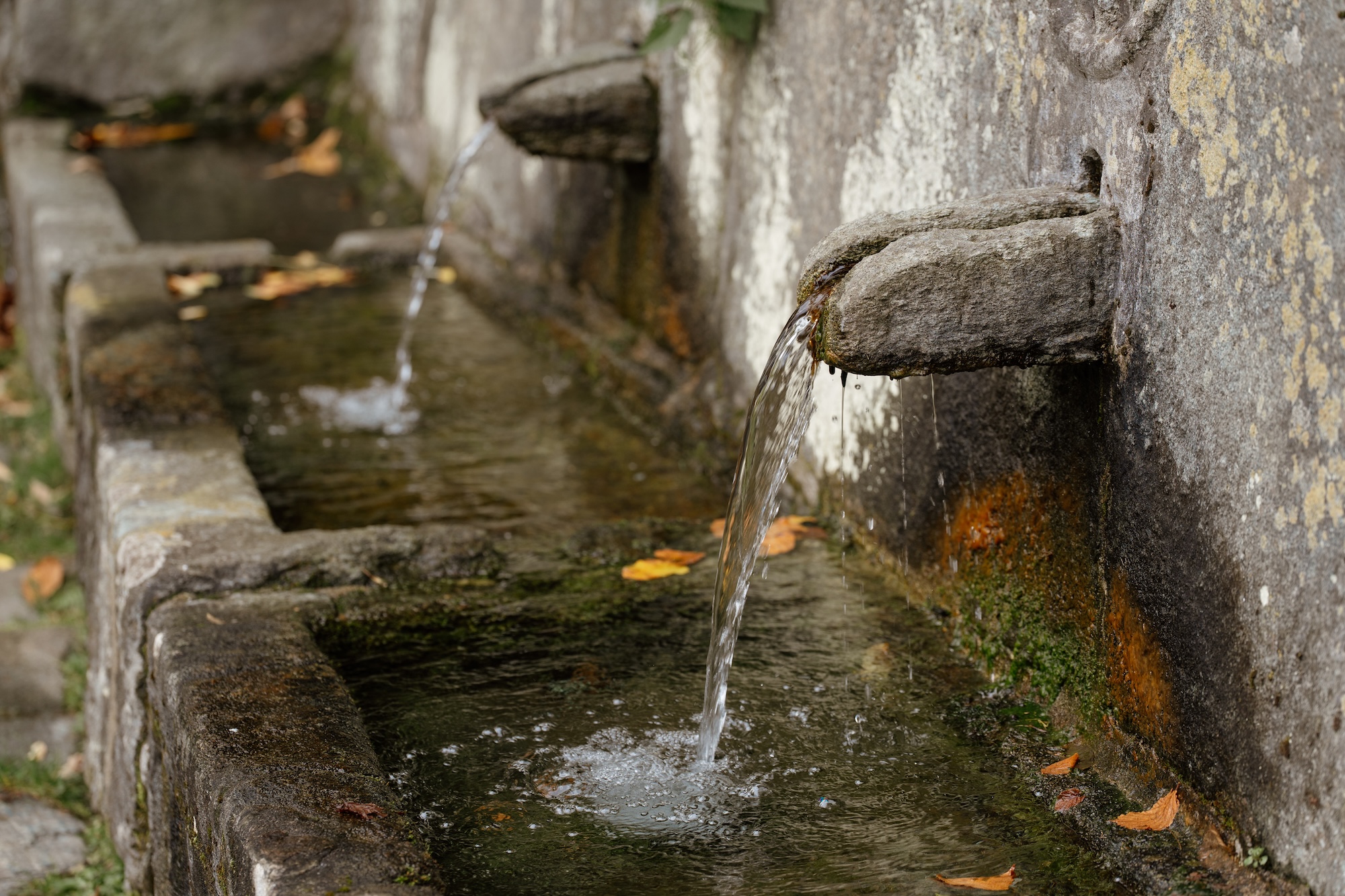

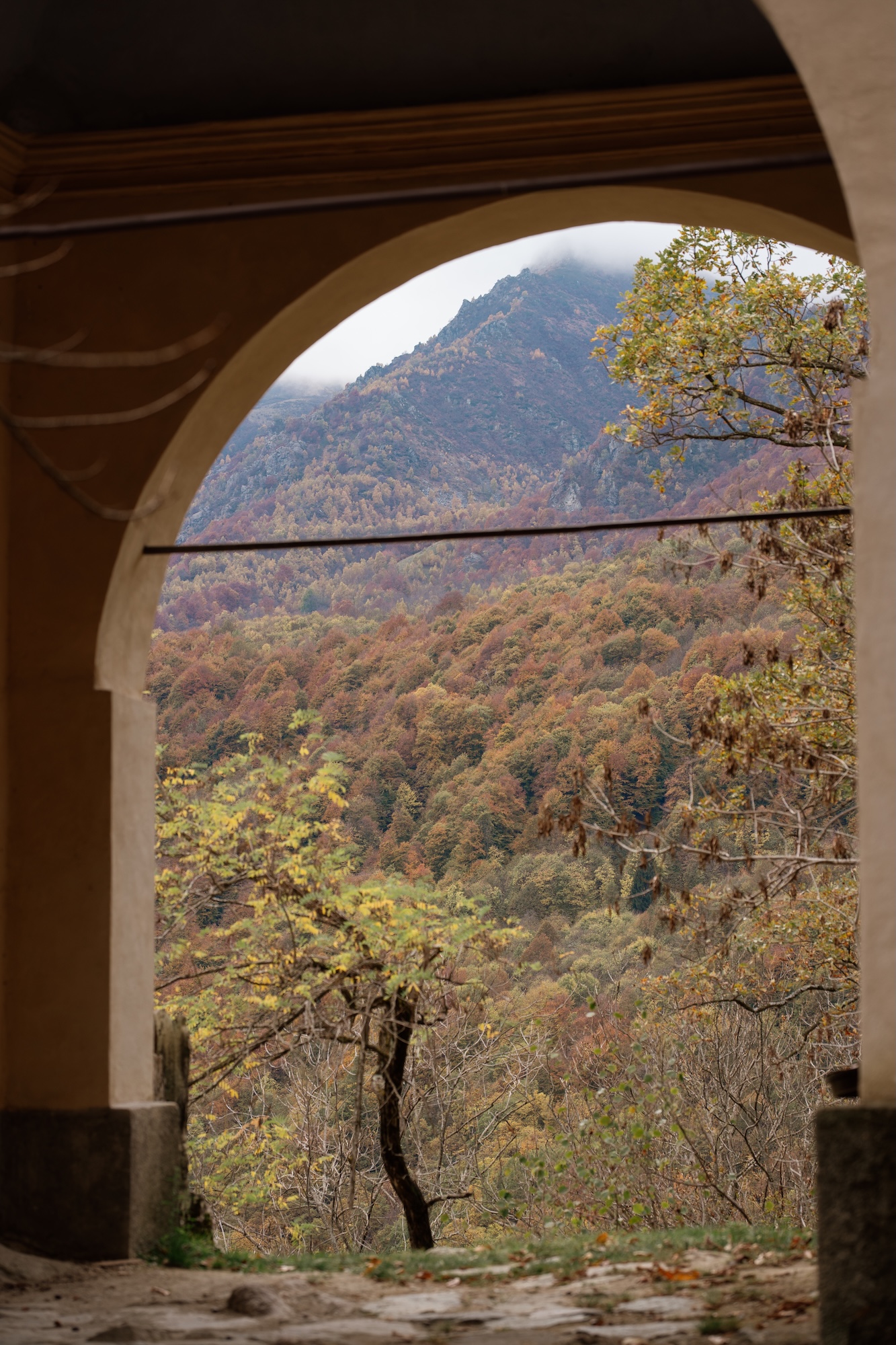
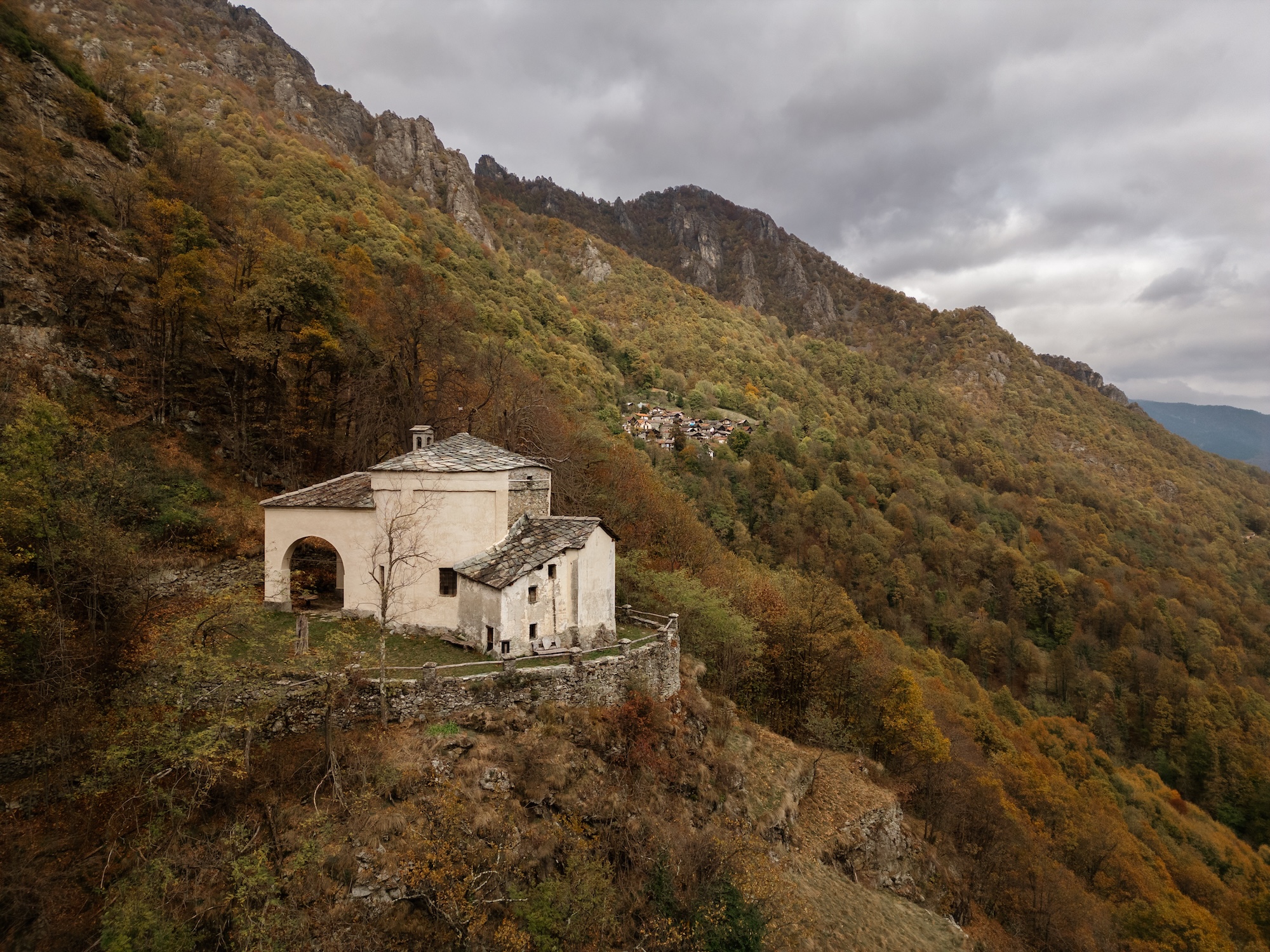
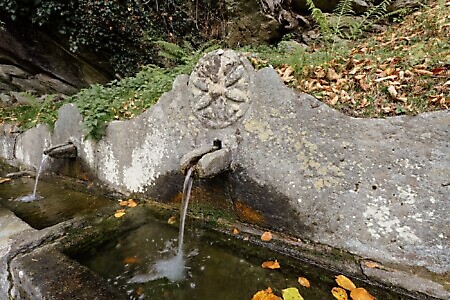
Forno maintains its historic pedestrian lanes, the distinctive village oven, and the 1880 fountain featuring the "shepherd's rosette." Just a few minutes away is the Chapel of the Truc, dedicated to Madonna della Consolata, which dates back to the 17th century and was expanded in the 19th century, adding to its architectural and decorative appeal.
Site overview
This hamlet is the last in the town of Viù. It remains largely unchanged, maintaining the traditional pedestrian lanes that weave between the houses and the notable oven that once served the entire village. Until a few decades ago, the benal, barns with rye-straw roofs, could still be seen, although they have now been replaced by metal sheeting.
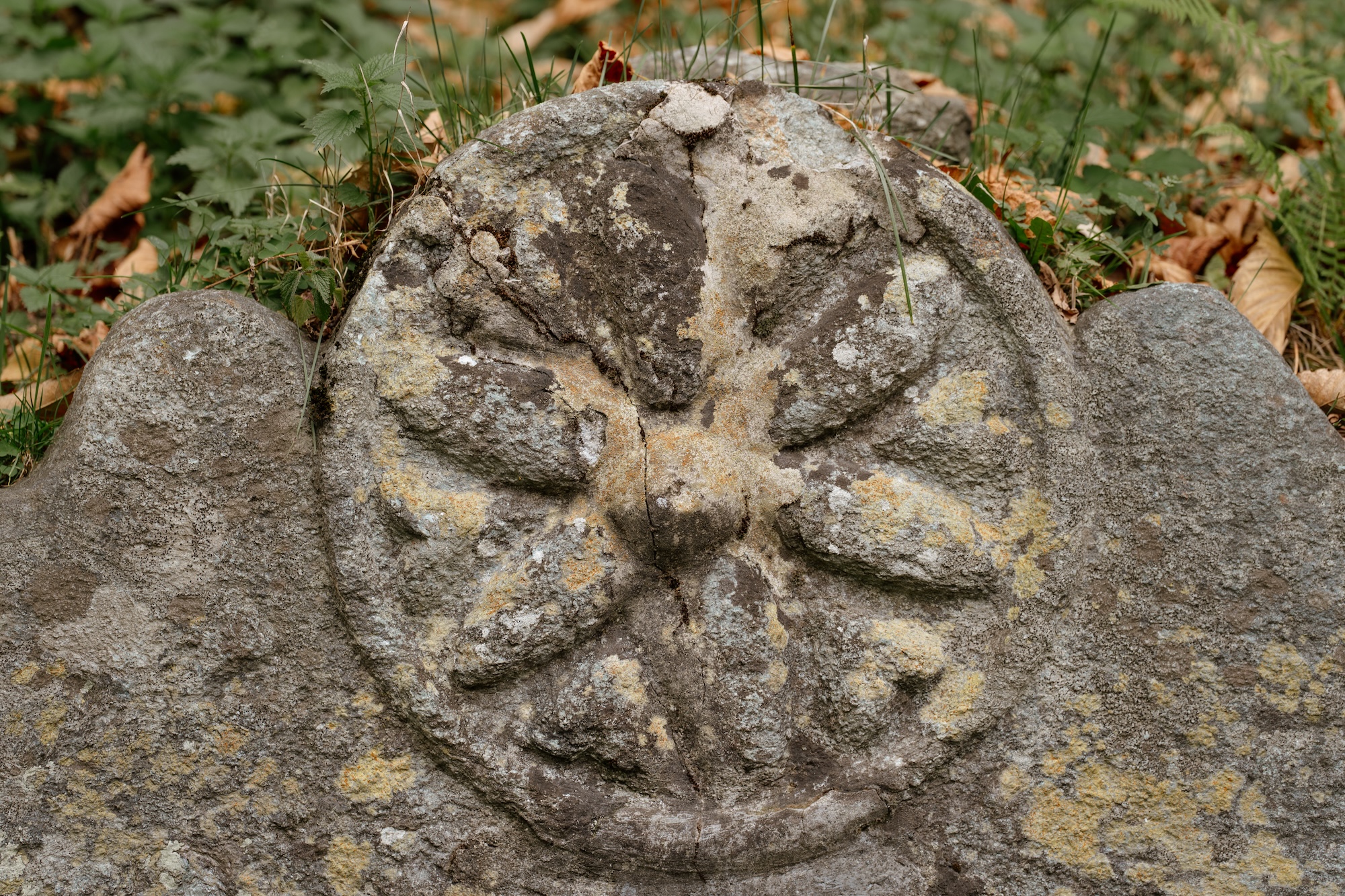
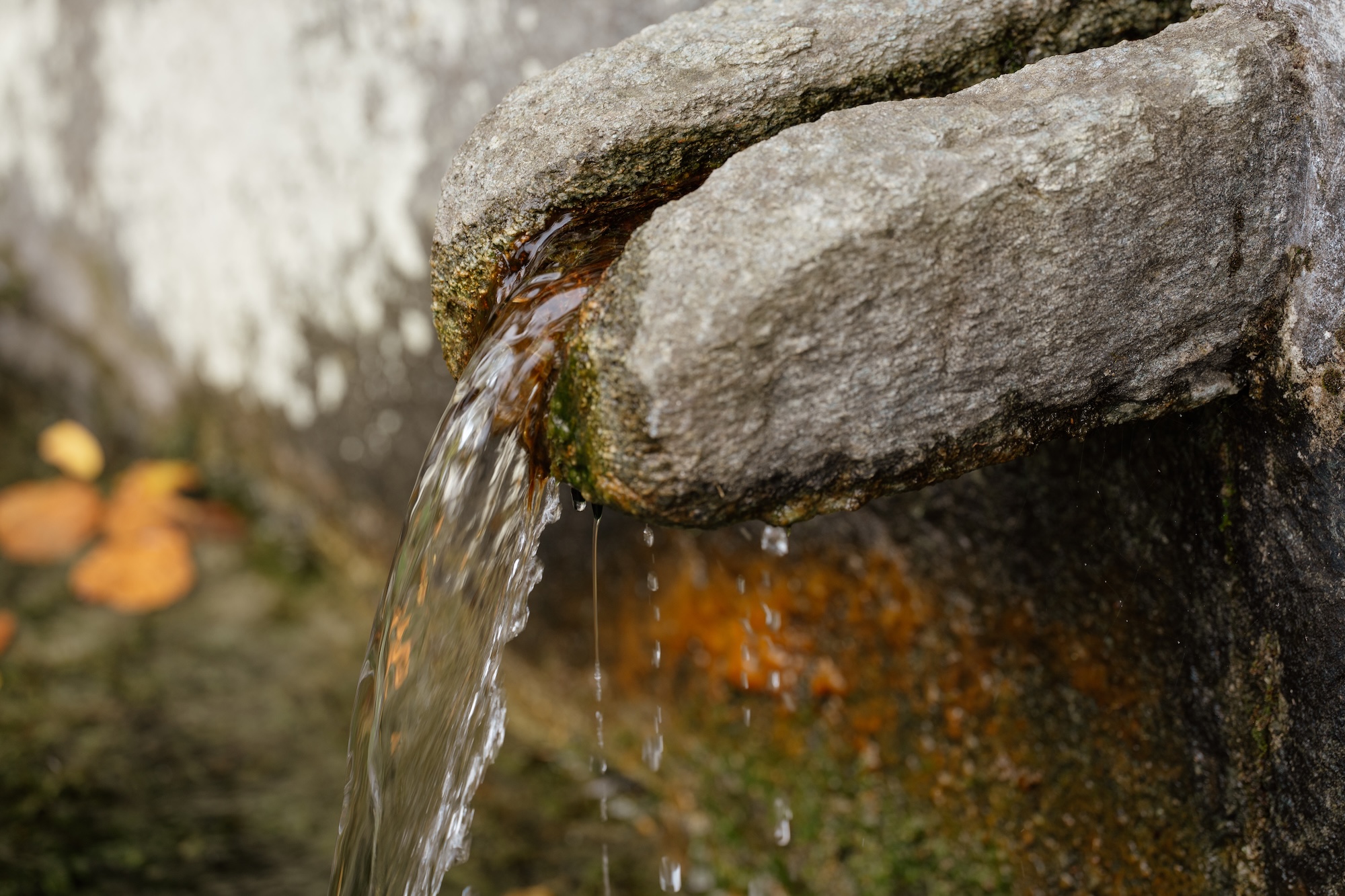
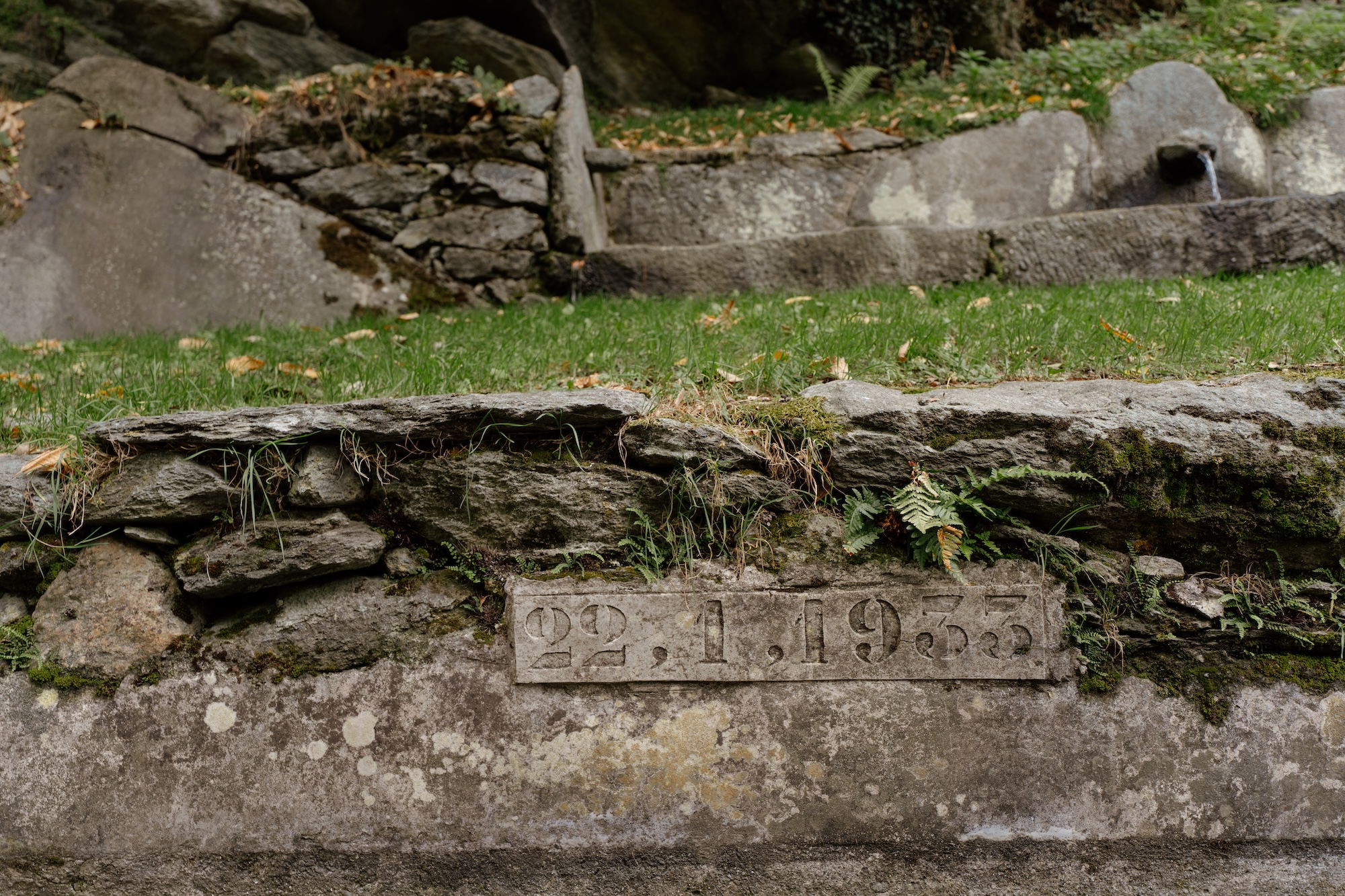
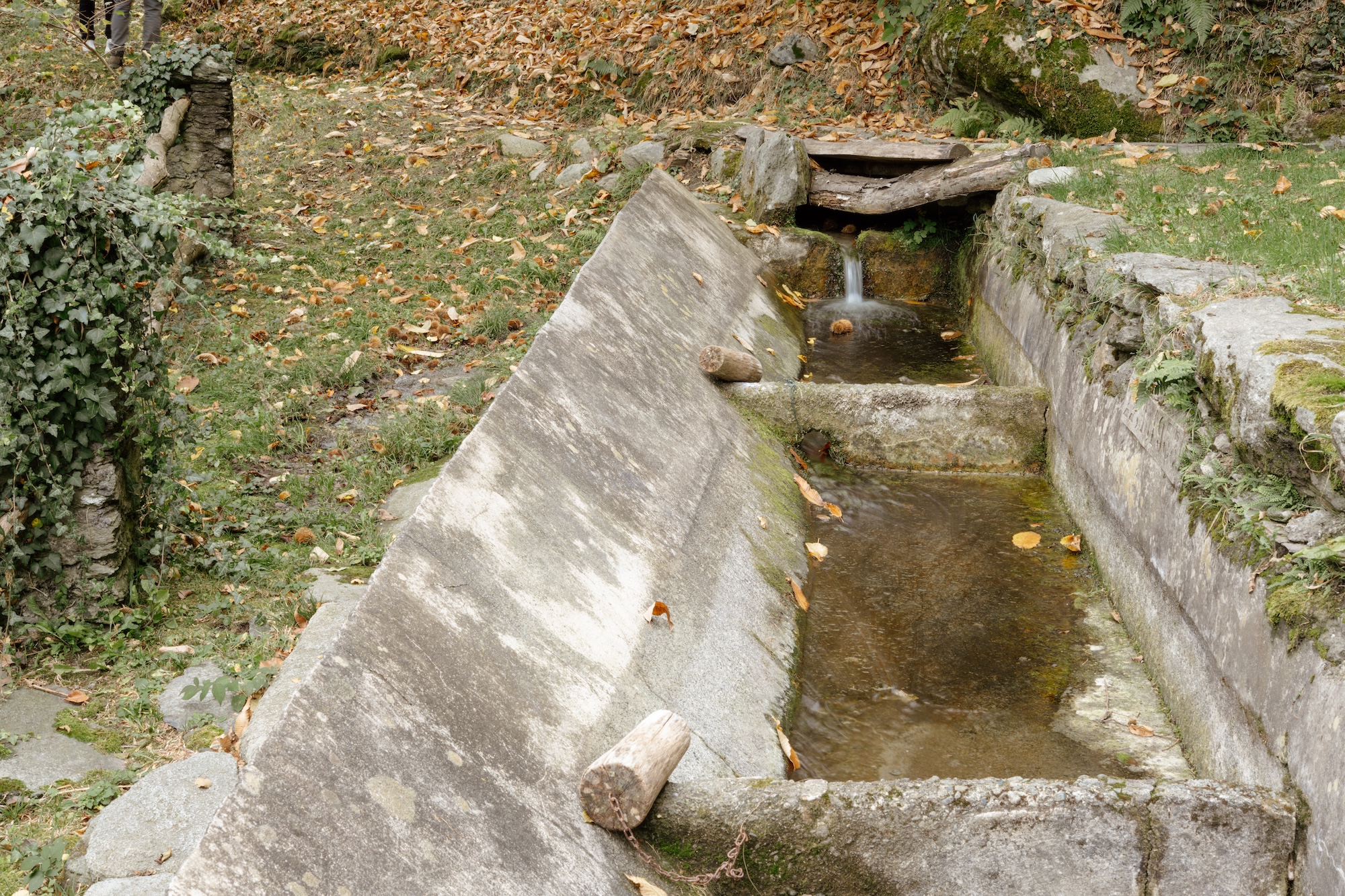
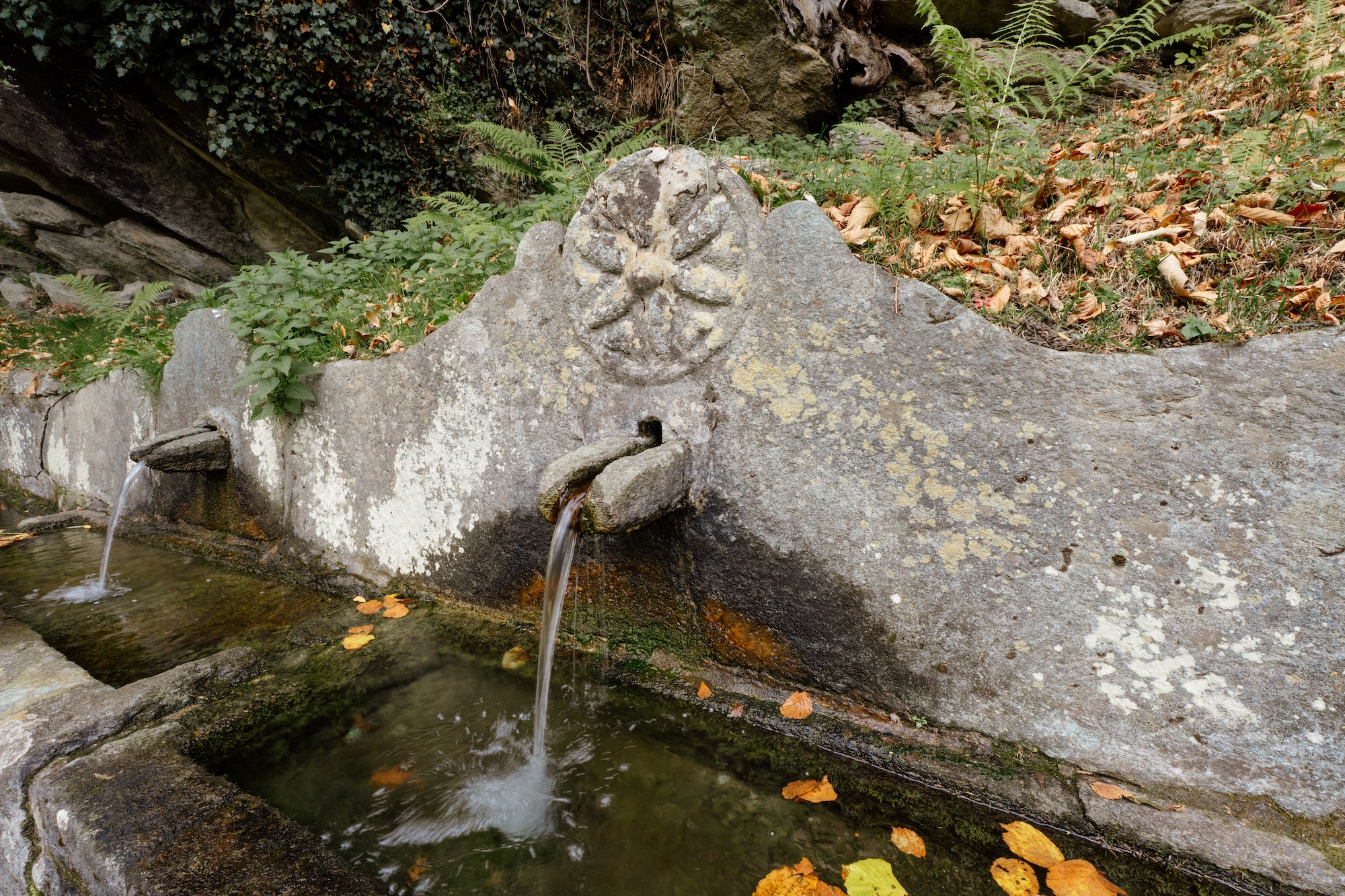
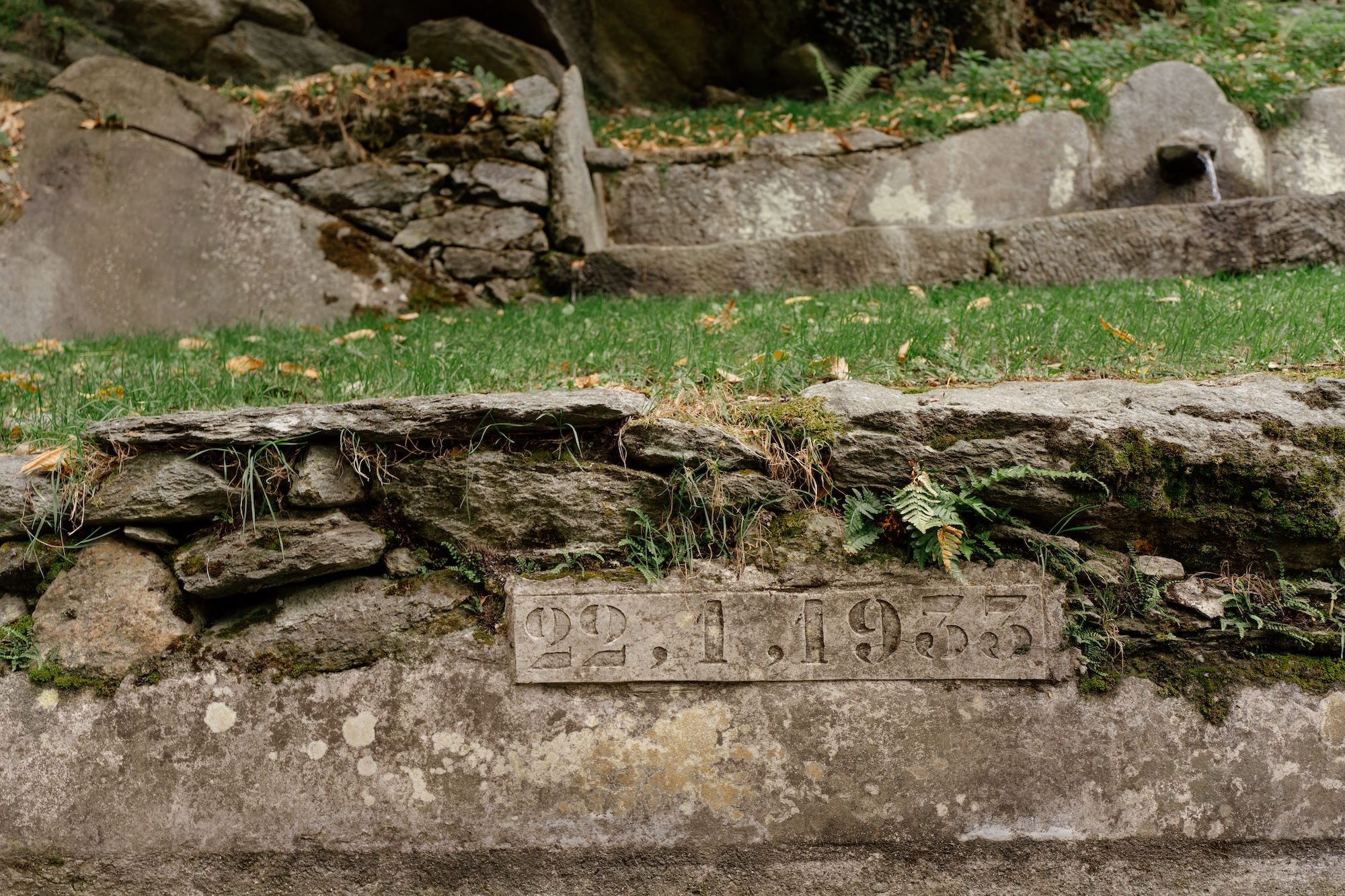
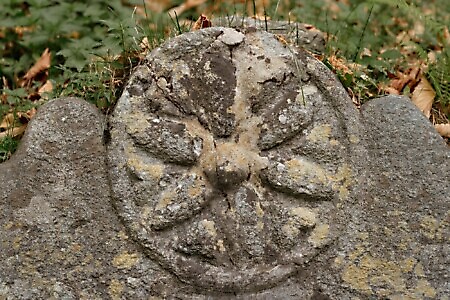
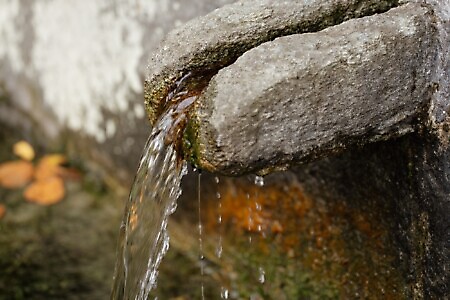
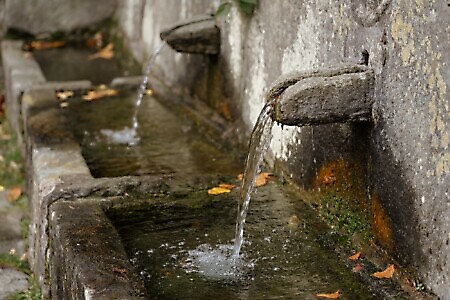
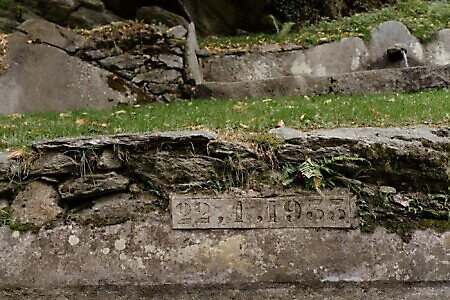
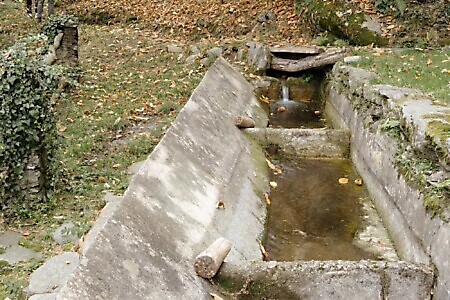
The distinctive stone fountain was built in 1880 and features four spouts and a striking central rosette carved in stone. It served as a domestic water supply, a livestock trough, and a wash house. The central rosette is the so-called “shepherd’s rosette” with six petals, an ancient symbol found among various peoples around the world, representing the sun.
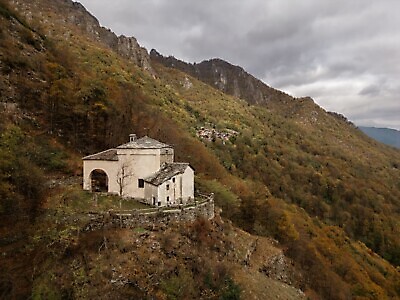
A few minutes’ walk along a path takes you to the Sanctuary of the Madonna della Consolata.
The original chapel was constructed between 1705 and 1710 by Giovanni Battista Giorgis of Forno as an ex-voto. Having relocated to Turin and established his wealth as a builder, Giorgis also designed the first chapel at Colle del Colombardo, the chapel at Forno, the steps at the parish church of Viù, and the presbytery with the high altar of Lemie’s parish church.
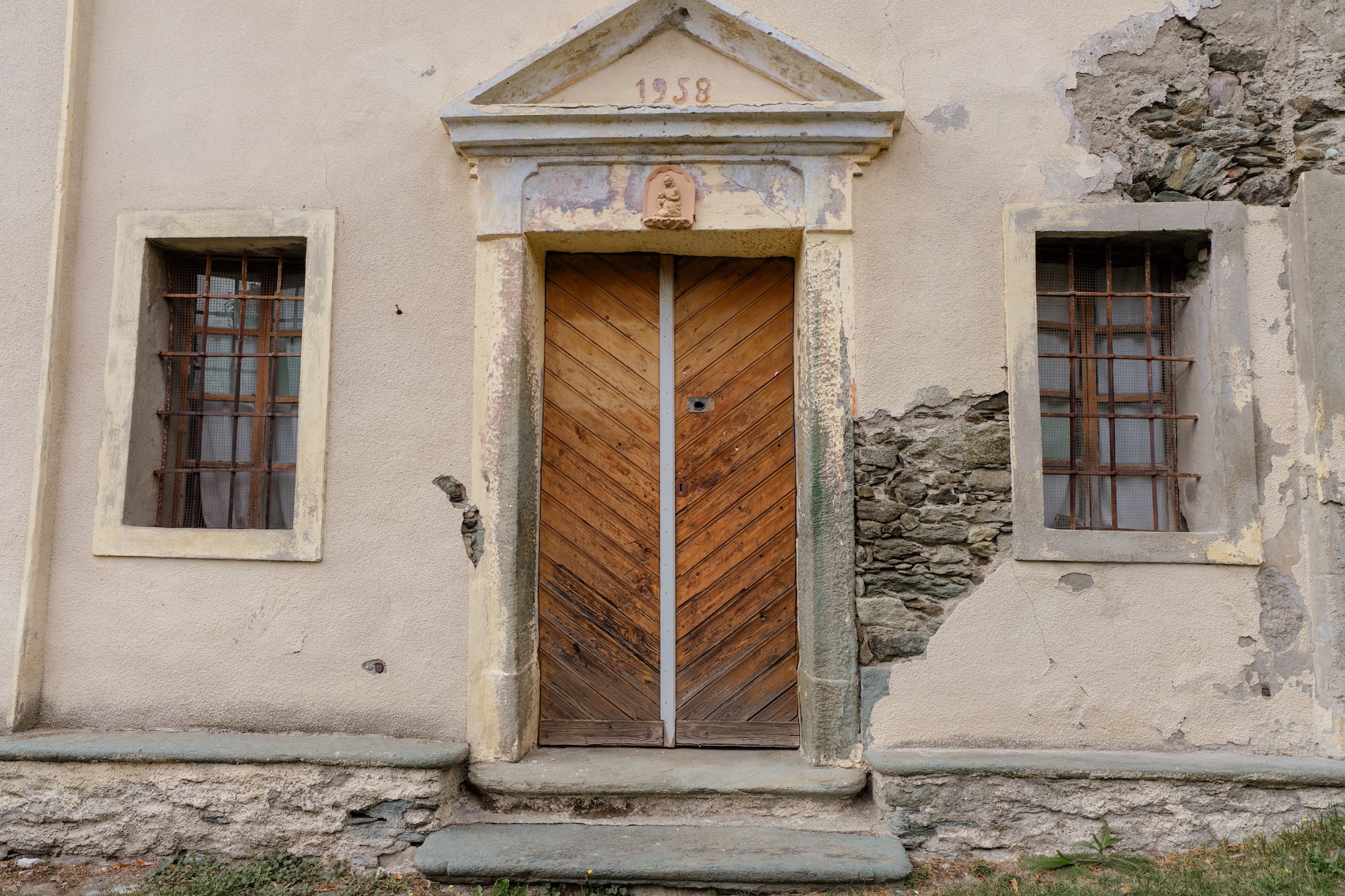
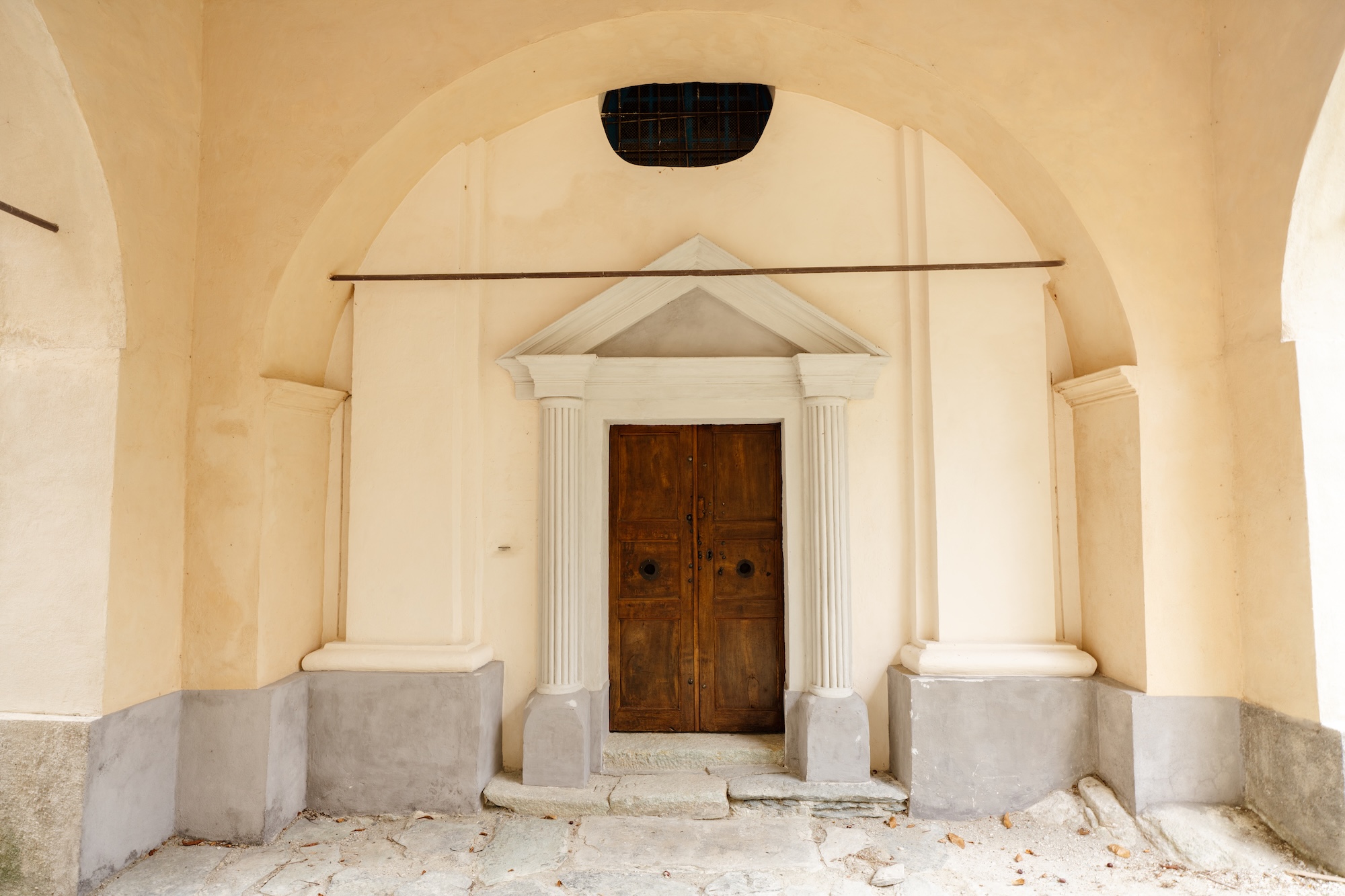
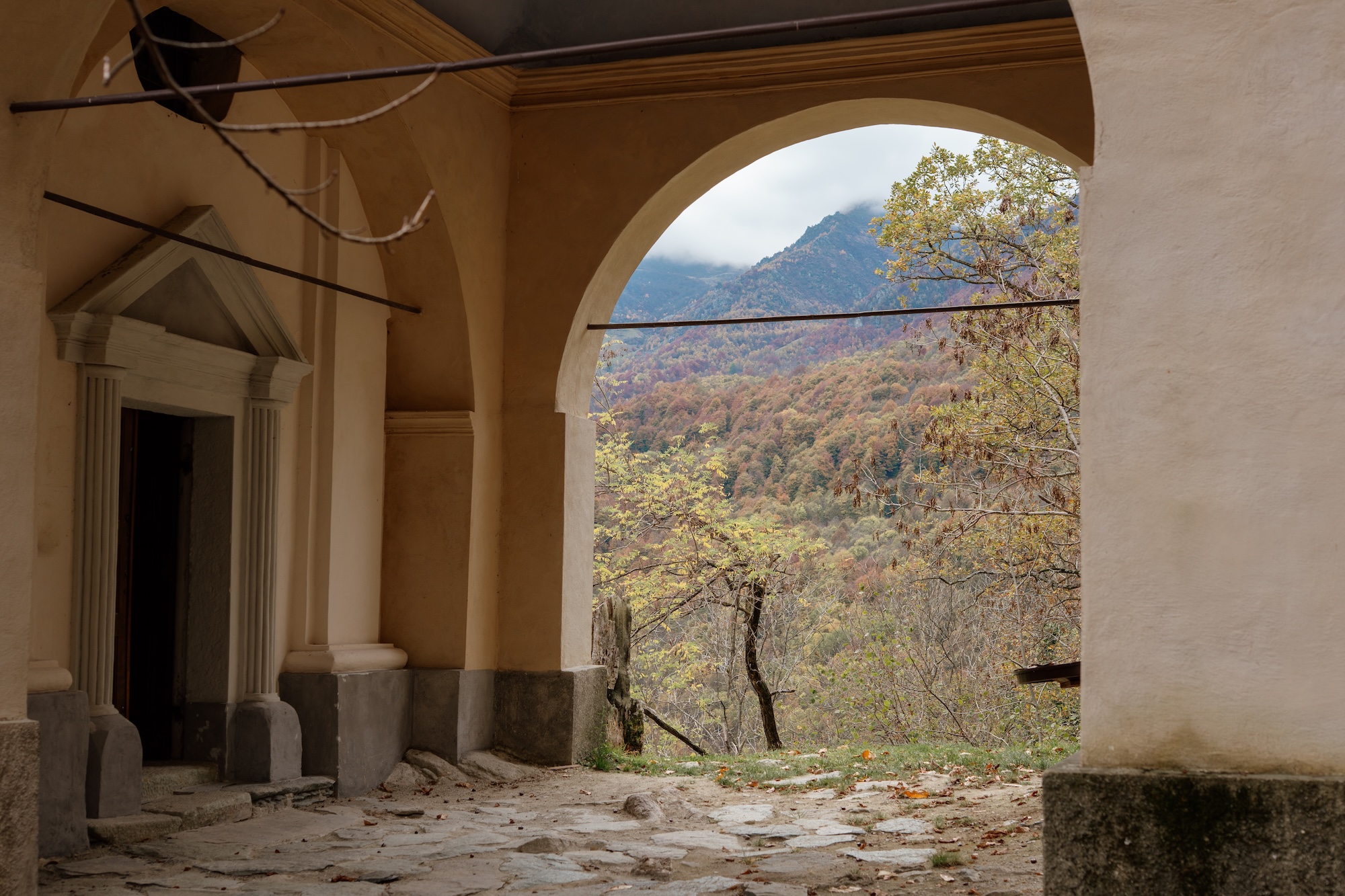
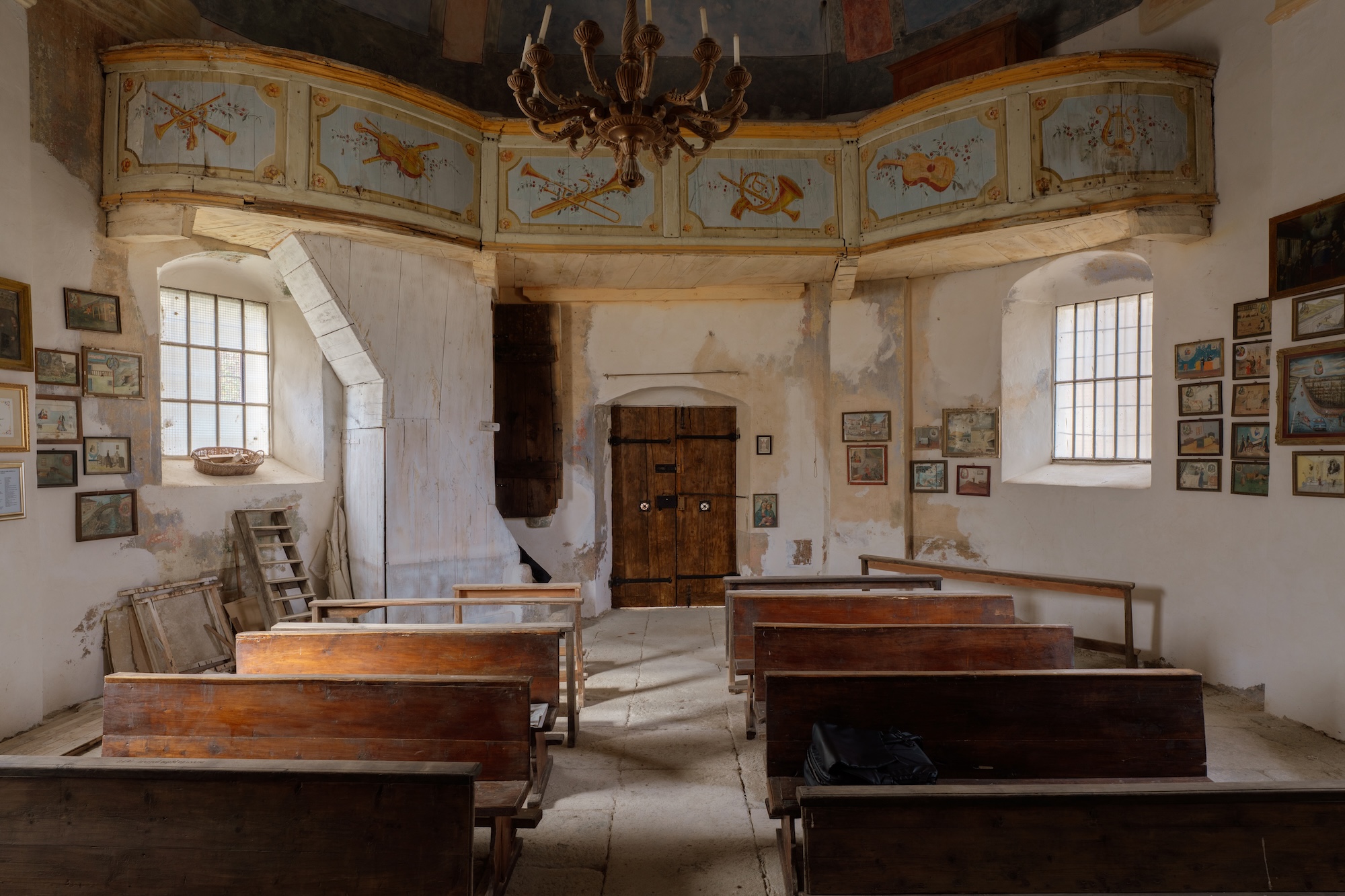
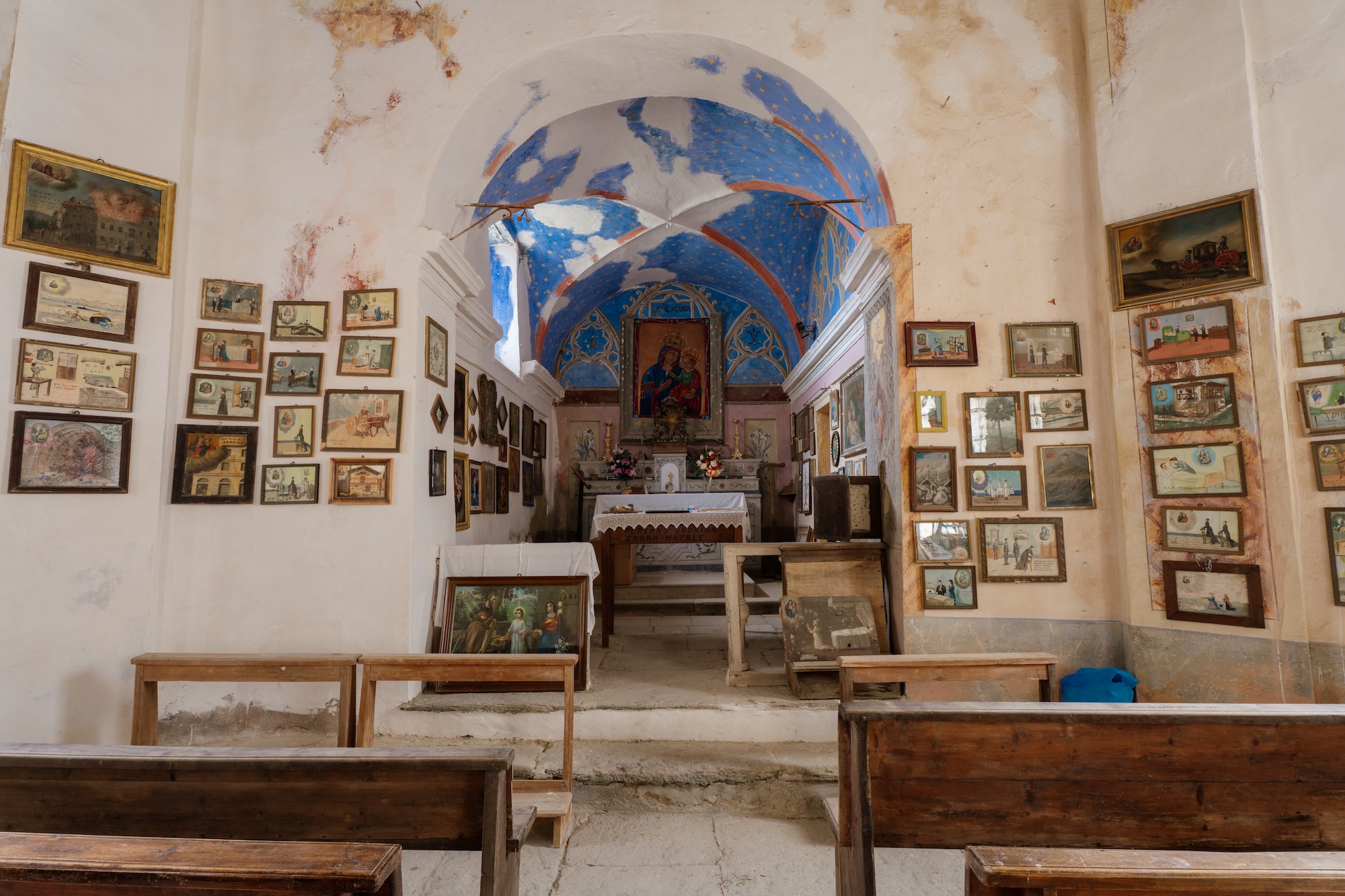
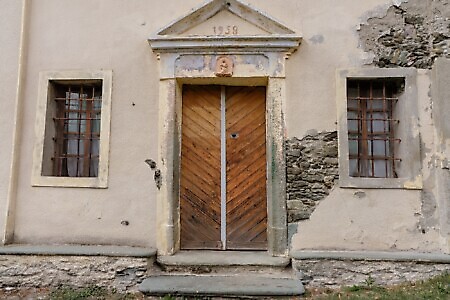
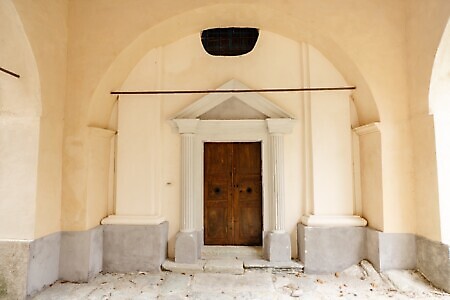
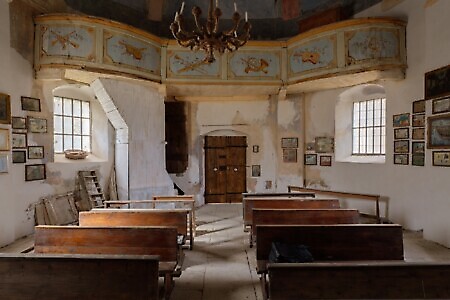
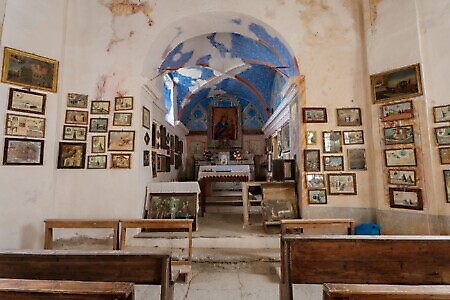
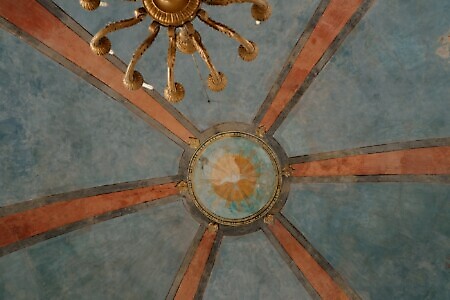
The Chapel of the Truc is dedicated to the Consolata, and the original canvas depicting the Virgin is now placed above the arch between the older and more recent parts of the building. The church later became the property of a family from Pessinea, and in 1830 it passed into the hands of a council composed of “the most notable landowners of the hamlet”. On the church’s entrance step, the date 1830 and “S. Iachino” are carved into a block of stone, probably reused when the chapel was enlarged with the circular structure that forms the current main building.
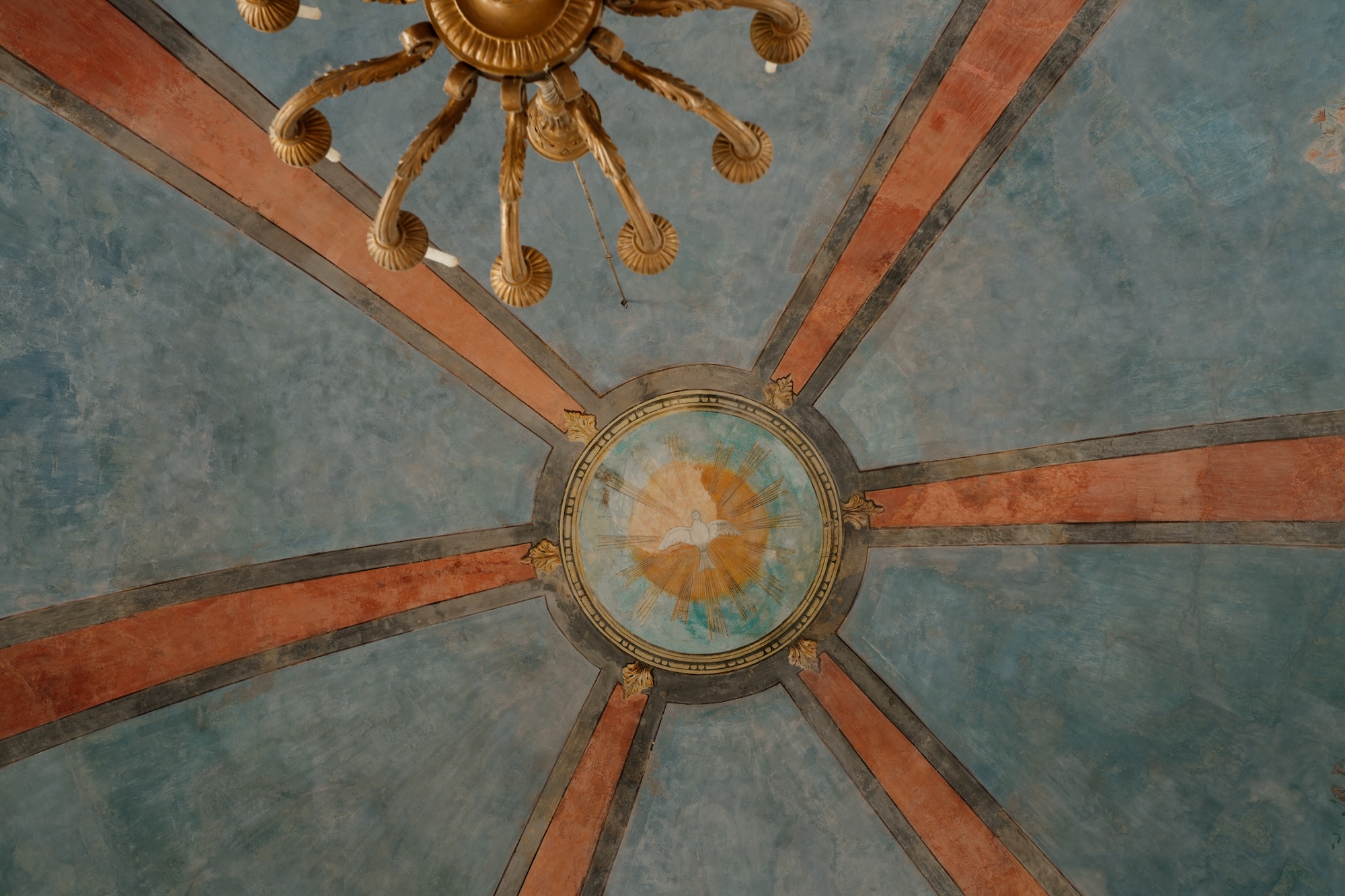
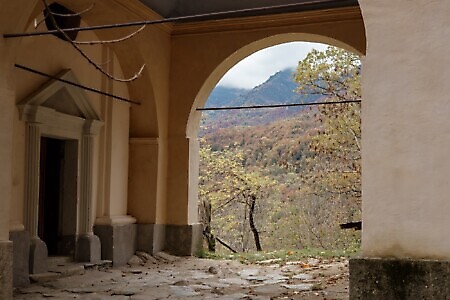
In 1870, the front portico was constructed. Subsequently, in 1898, the marble altar created by sculptor Gannio was installed, and the church was embellished by Rector Father Giovanni Riva.
How to visit the site
The road to the hamlet is challenging to drive but is very popular among cyclists. From the SP32, head uphill before Forno di Lemie and turn right at the signs for Pessinea. You will find a small parking area before entering the hamlet. From there, follow the signs to the fountains. To reach the Sanctuary from Pessinea, follow the path that descends to the left above the fountains, marked Madonna del Truc. Alternatively, you can reach the Sanctuary by climbing a trail that begins at the bridge at Forno di Lemie.
You might also like
Airal Circle
Frazione Brione, Località “Airal/Buttiberghe” (Val della Torre)The structure is circular, roughly 60 m in diameter, and situated on flat land near where the Casternone and Codano...
Chapel of the Shroud, or Chapel of Christ Pantocrator
Rivòt di Luis detto anche Via Margutta (Balme)The lanes branching through the old centre of Balme are called quintàness if flat and rivòt if uphill. Narrow and...
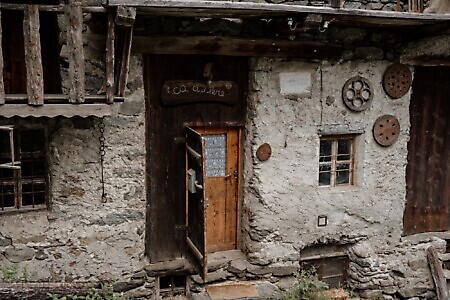
Cornetti Historic Centre
Frazione Cornetti (Balme)Cornetti di Balme (Li Cournàt) is among the highest permanently inhabited settlements in the Lanzo Valleys, sitting at 1,446 metres....
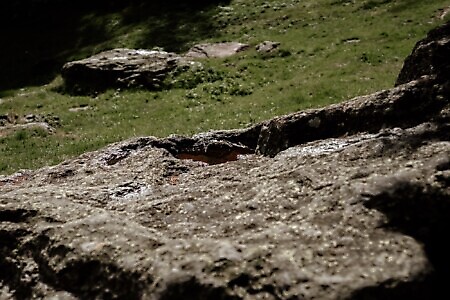
Prehistoric Altar of Bogone
Bogone (Balme)The small hamlet of Bogone was inhabited mainly in spring and autumn, serving as a stopping point during the Alpine...
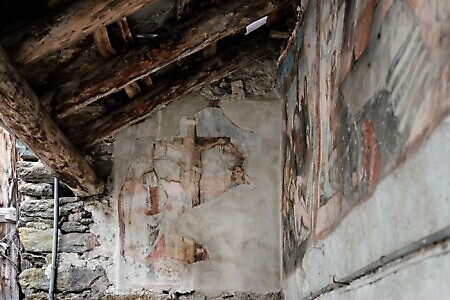
Rucias Fortified House with 17th-Century Fresco
Via Capoluogo, 40 Balme (TO) (Balme)In 1909, work commenced on the Turin aqueduct, and the old centre of Balme was demolished to make way for...