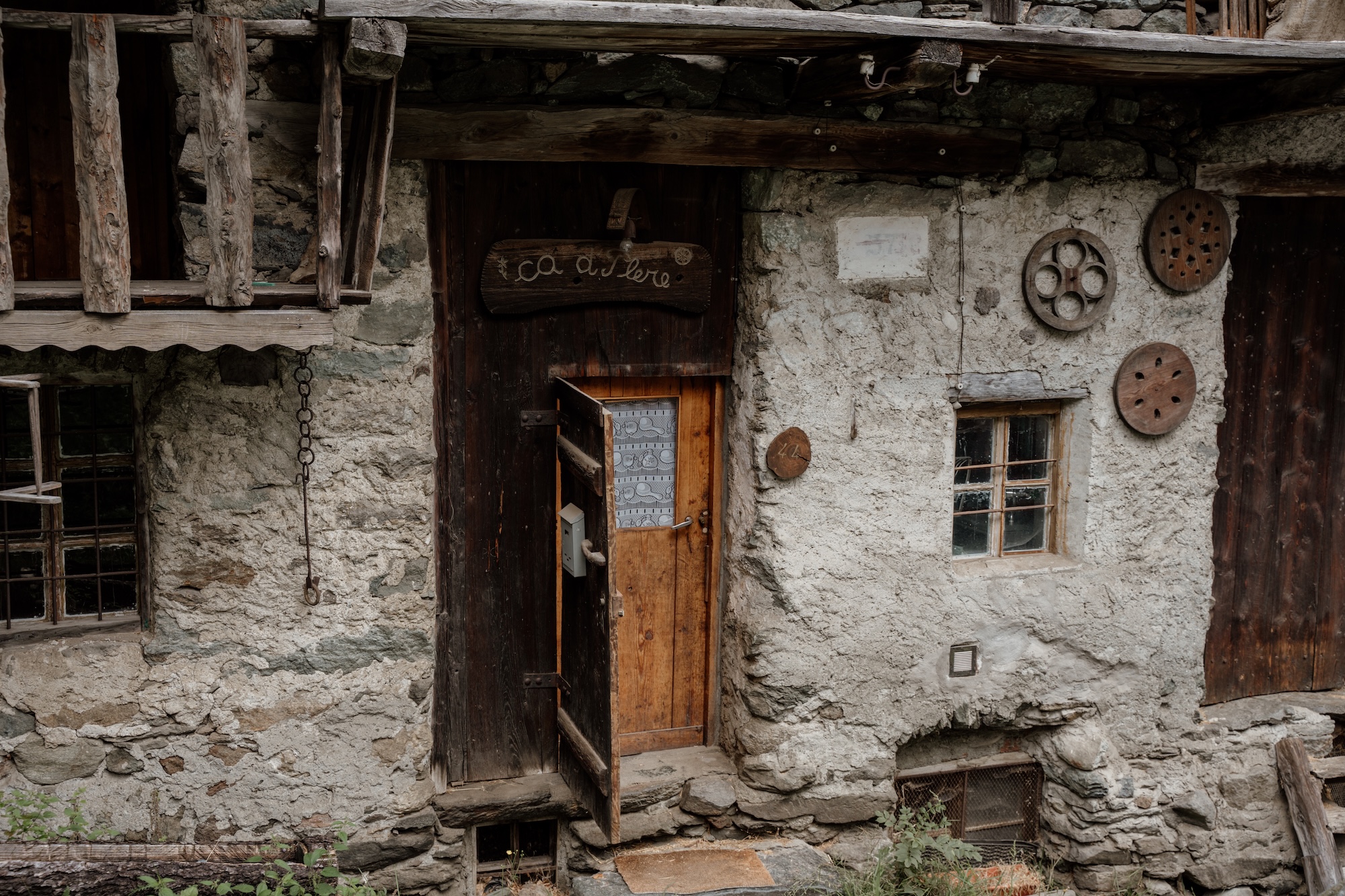

Untouched by modern roads, the hamlet of Cornetti welcomes you with its authentic architecture and winding passageways. From the signs of old cobblers who served mountaineers to overhanging balconies, the village is an open-air museum. An essential stop for anyone seeking the truest face of the mountains.
Site overview
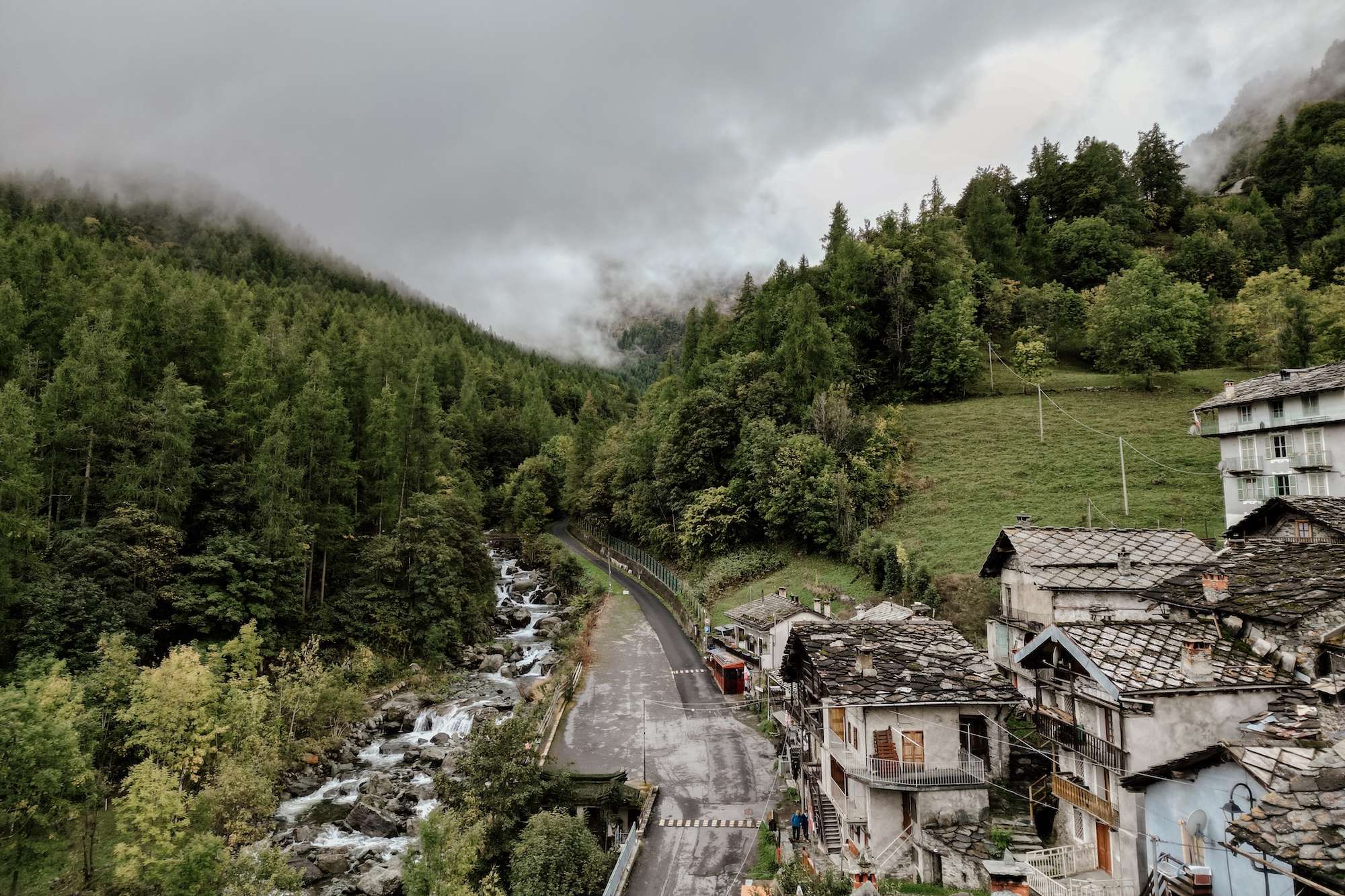
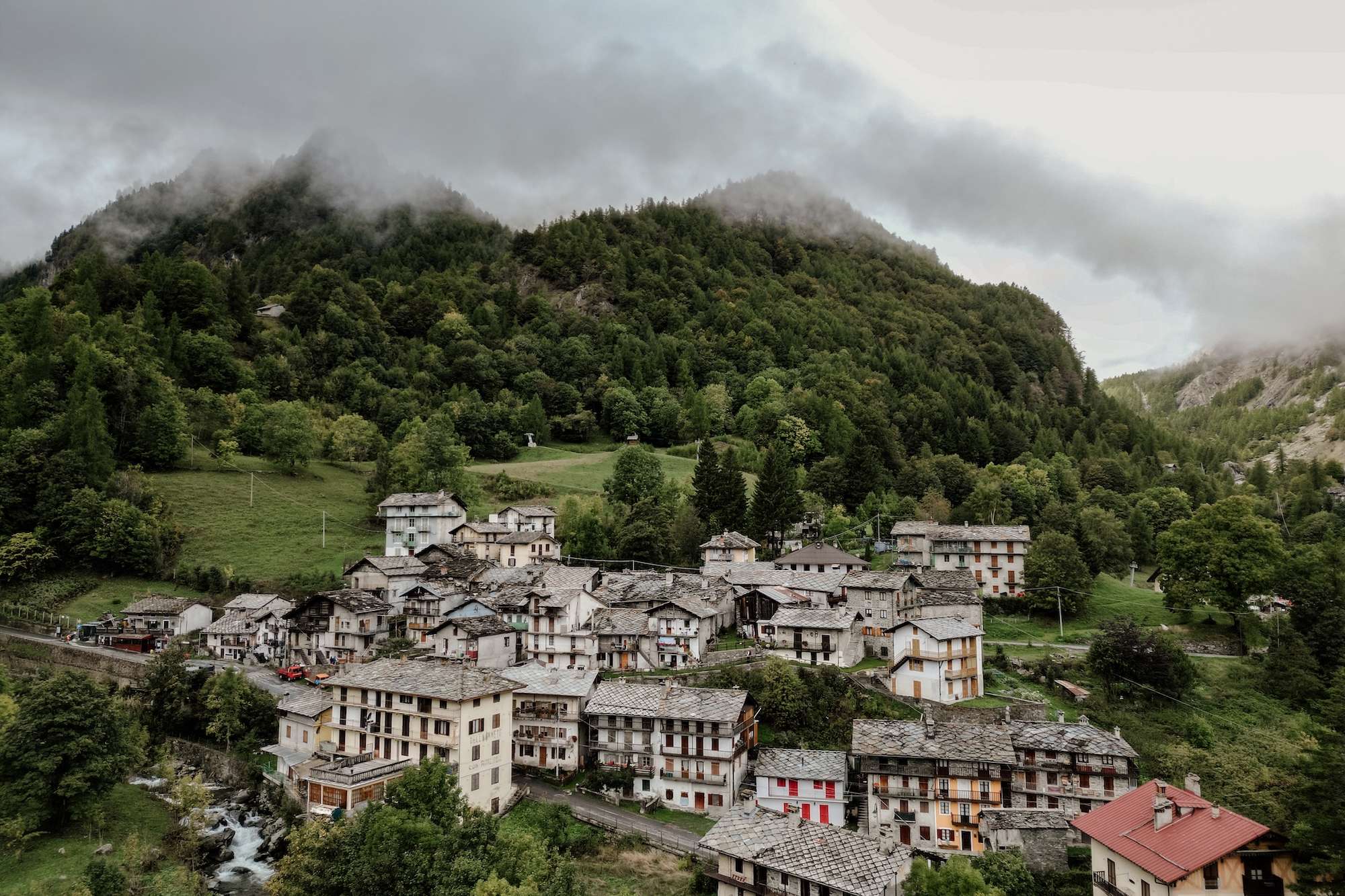
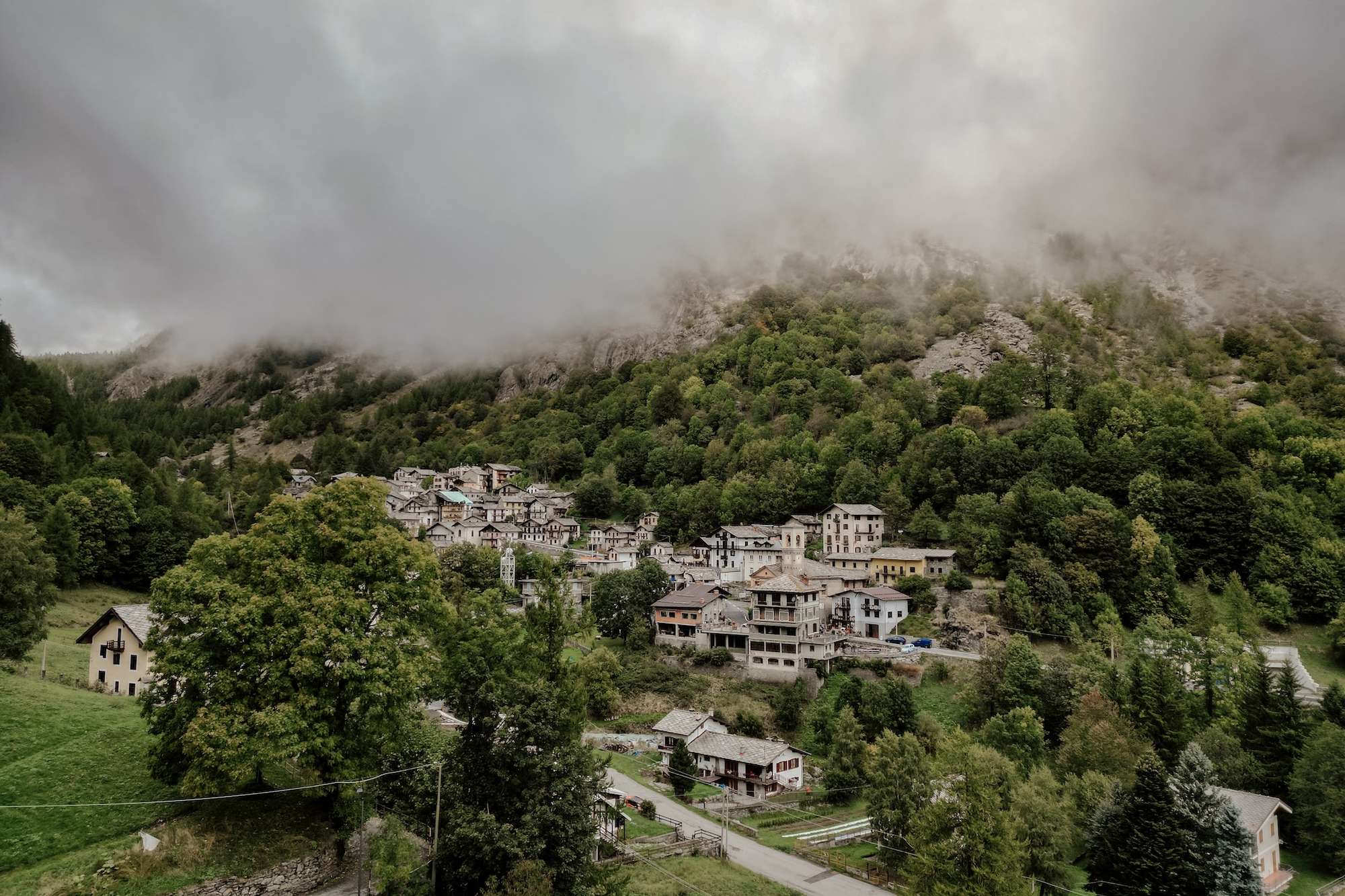
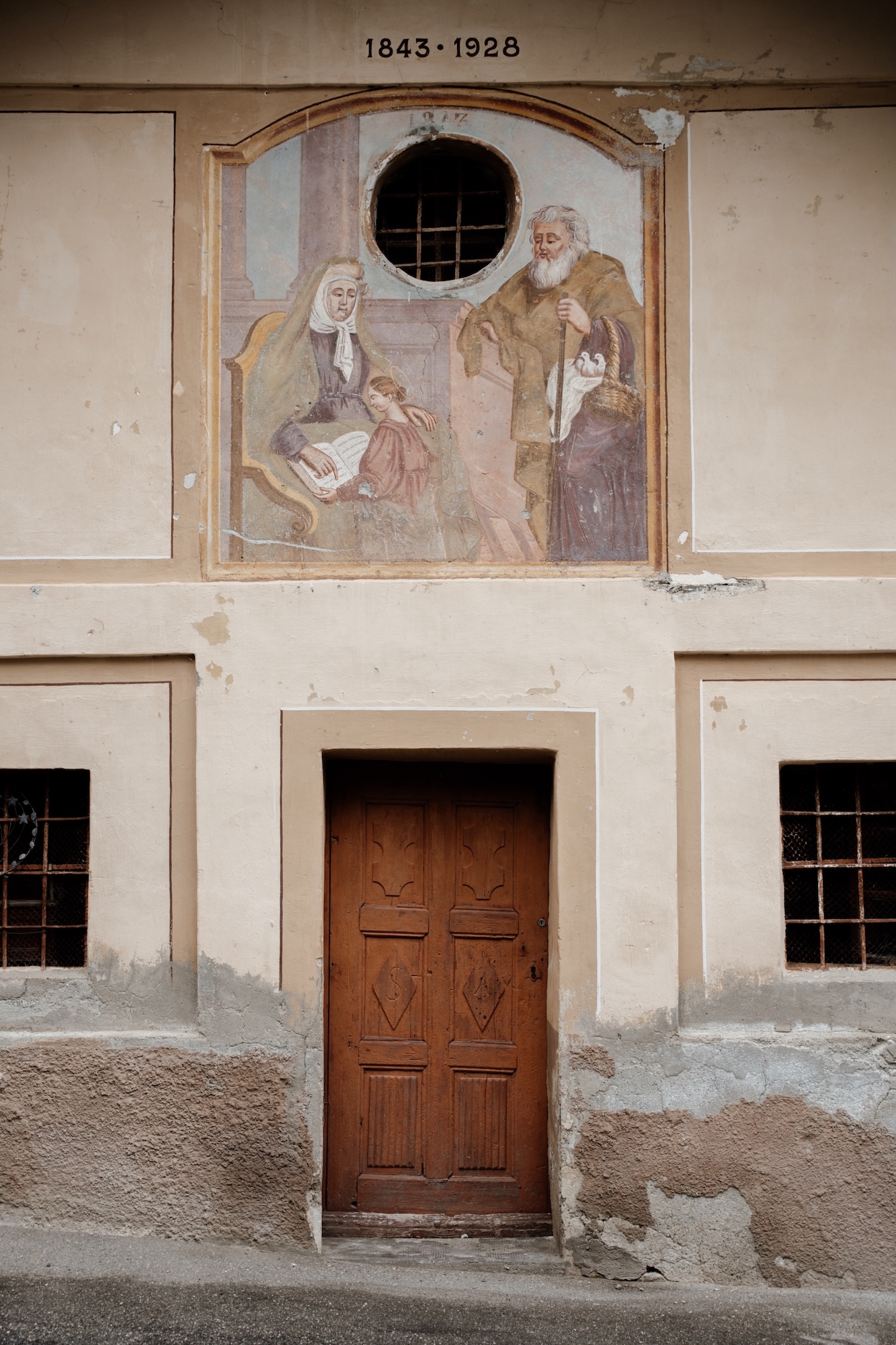
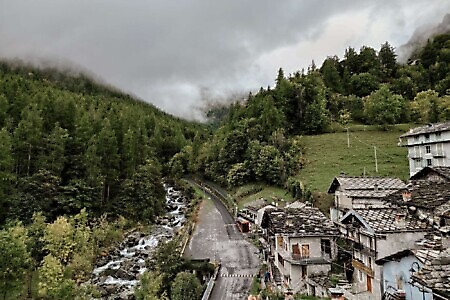
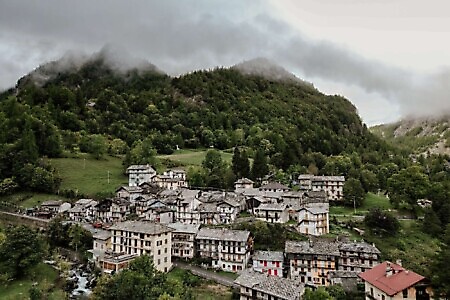
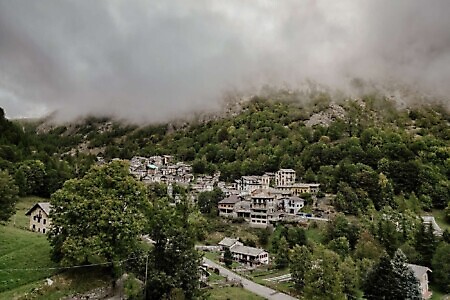
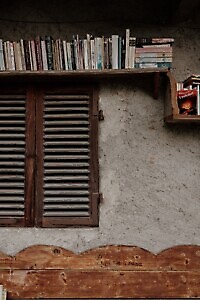
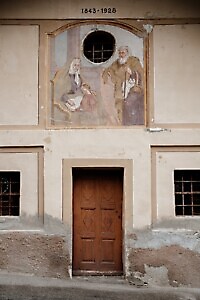
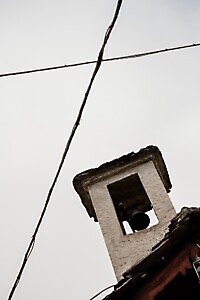
Cornetti di Balme (Li Cournàt) is among the highest permanently inhabited settlements in the Lanzo Valleys, sitting at 1,446 metres. It is also one of the few villages that has preserved its original layout, as it was spared from the demolitions caused by the construction of the carriageable road.
The small hamlet existed as early as the 13th century, when groups of miners and blacksmiths from Bergamasque and Valsesian backgrounds settled here, similar to other areas in the Lanzo Valleys, to work in the iron mines.
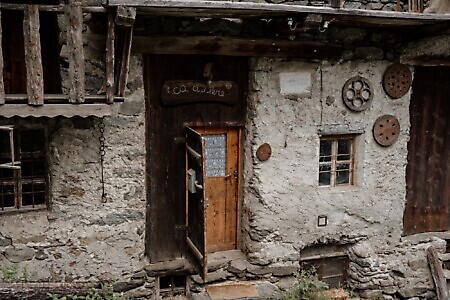
The settlement grew gradually over the centuries, and it remains possible to see the oldest houses in the hamlet’s centre, characterised by their deeply sunken stables and ground-level windows, which served as protection against the cold, allowing residents to live alongside their livestock during the long winter.
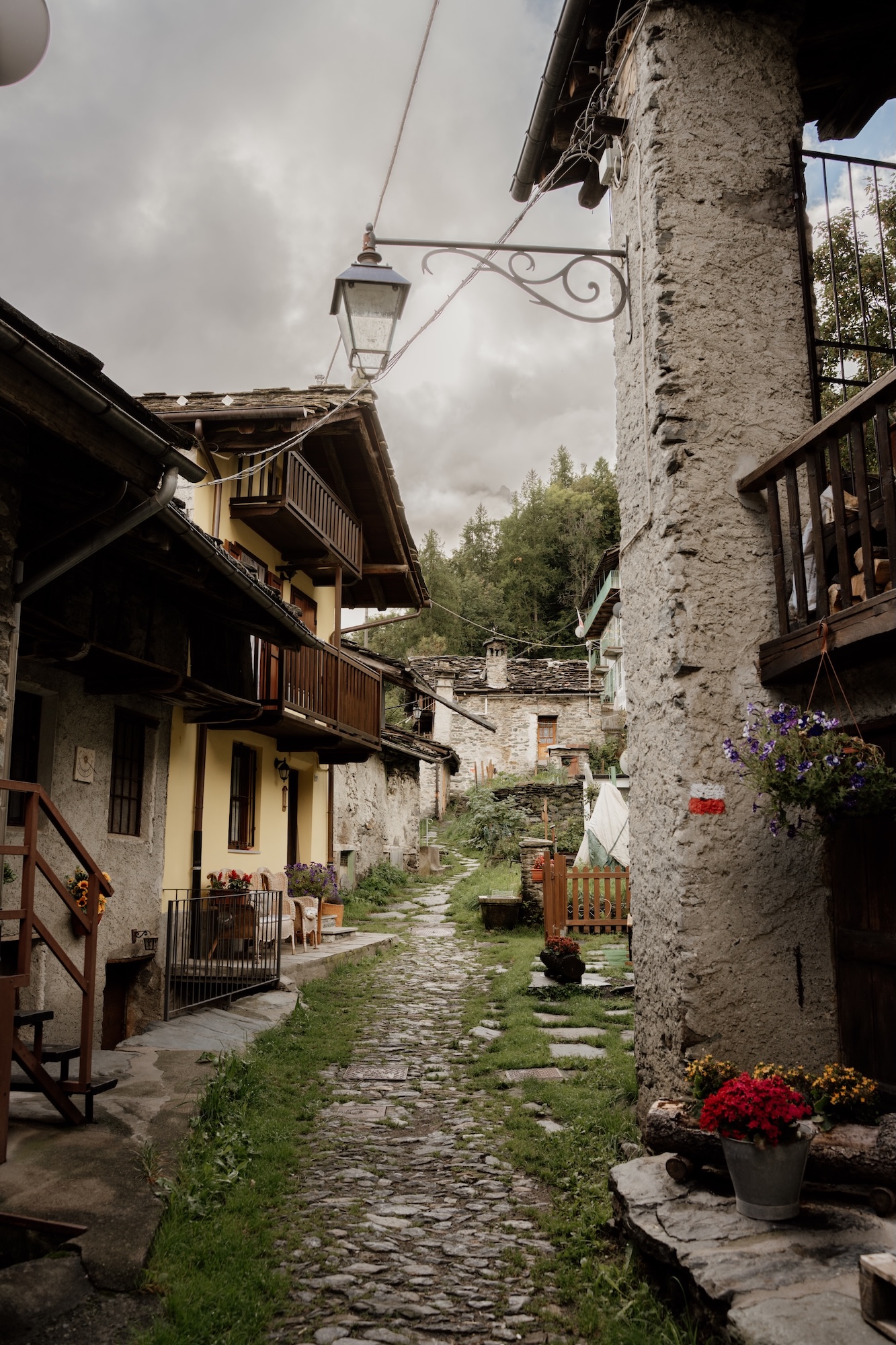
Houses constructed after the 17th century, when the decline of mining prompted a shift to agriculture, are taller and feature long balconies used for drying cereals. These cereals are often harvested before fully ripening due to the high altitude.
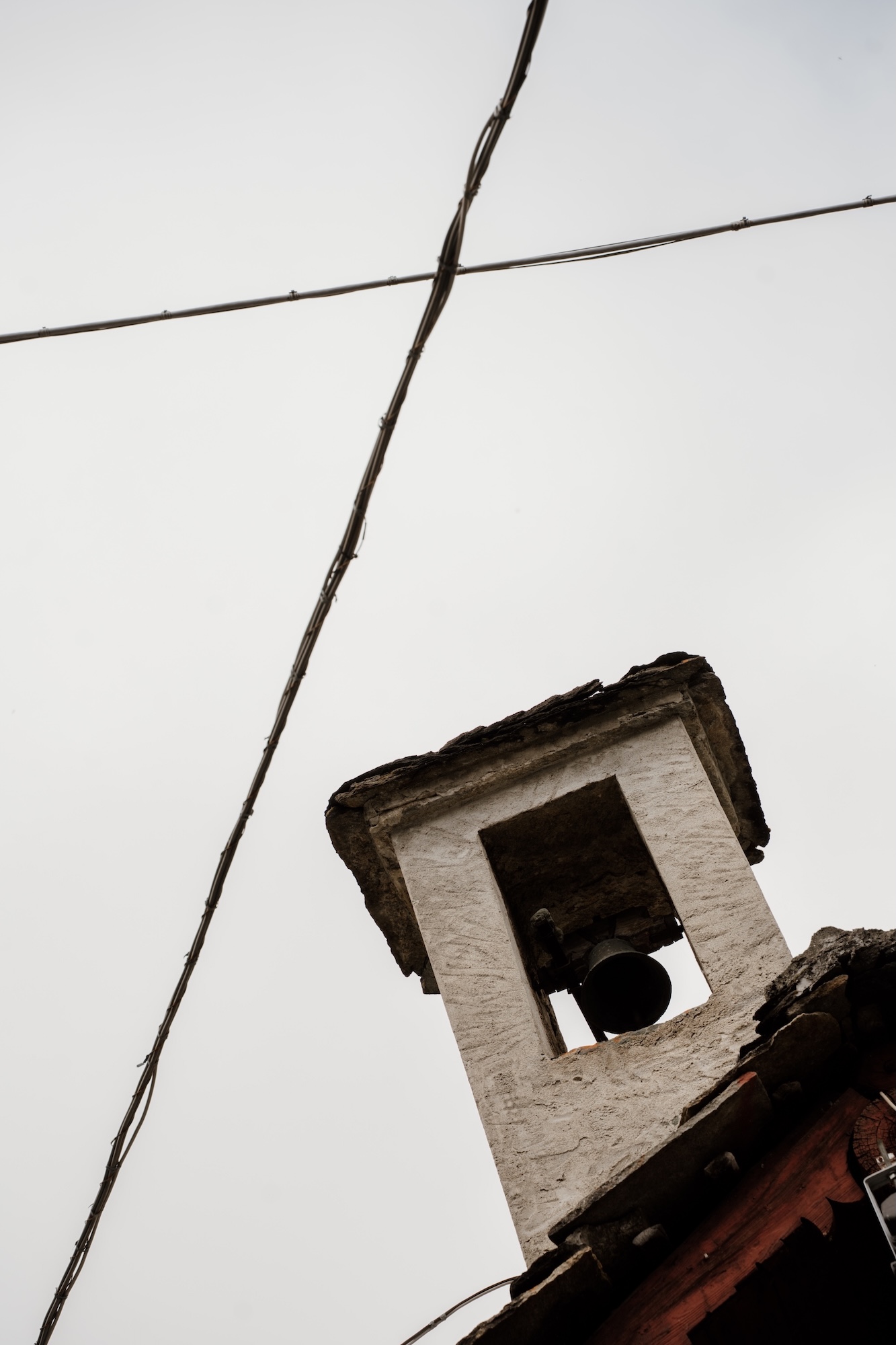
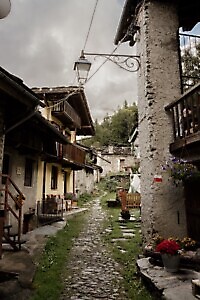
The hamlet’s lanes (quintàness) are narrow and winding, offering protection from wind and blizzards, while the sloping roofs, covered with heavy stone slabs, provide shelter from heavy snowfall.
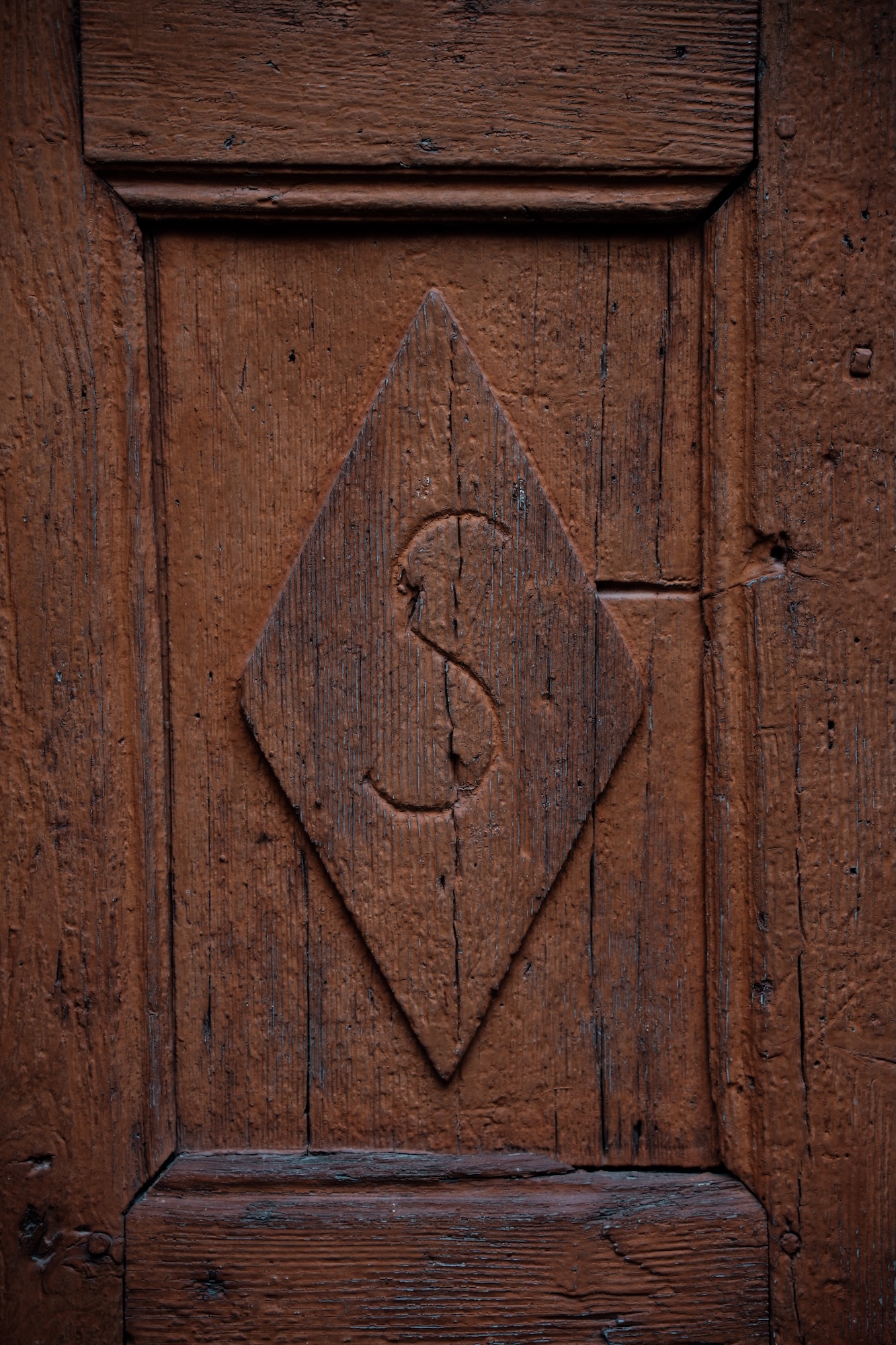
The core of the hamlet is the small square called the Airàtta (a tiny threshing floor), where cereals were once threshed and the tavern used to be, later turned into a grocery store. One house displays the coat of arms of the Castagneri family, still the most common surname in Balme, which features a chestnut tree, sometimes paired with the Latin motto pasco bonos pungoque malos (“I nourish the good and prick the wicked’), referencing the spiny husk of the chestnut.
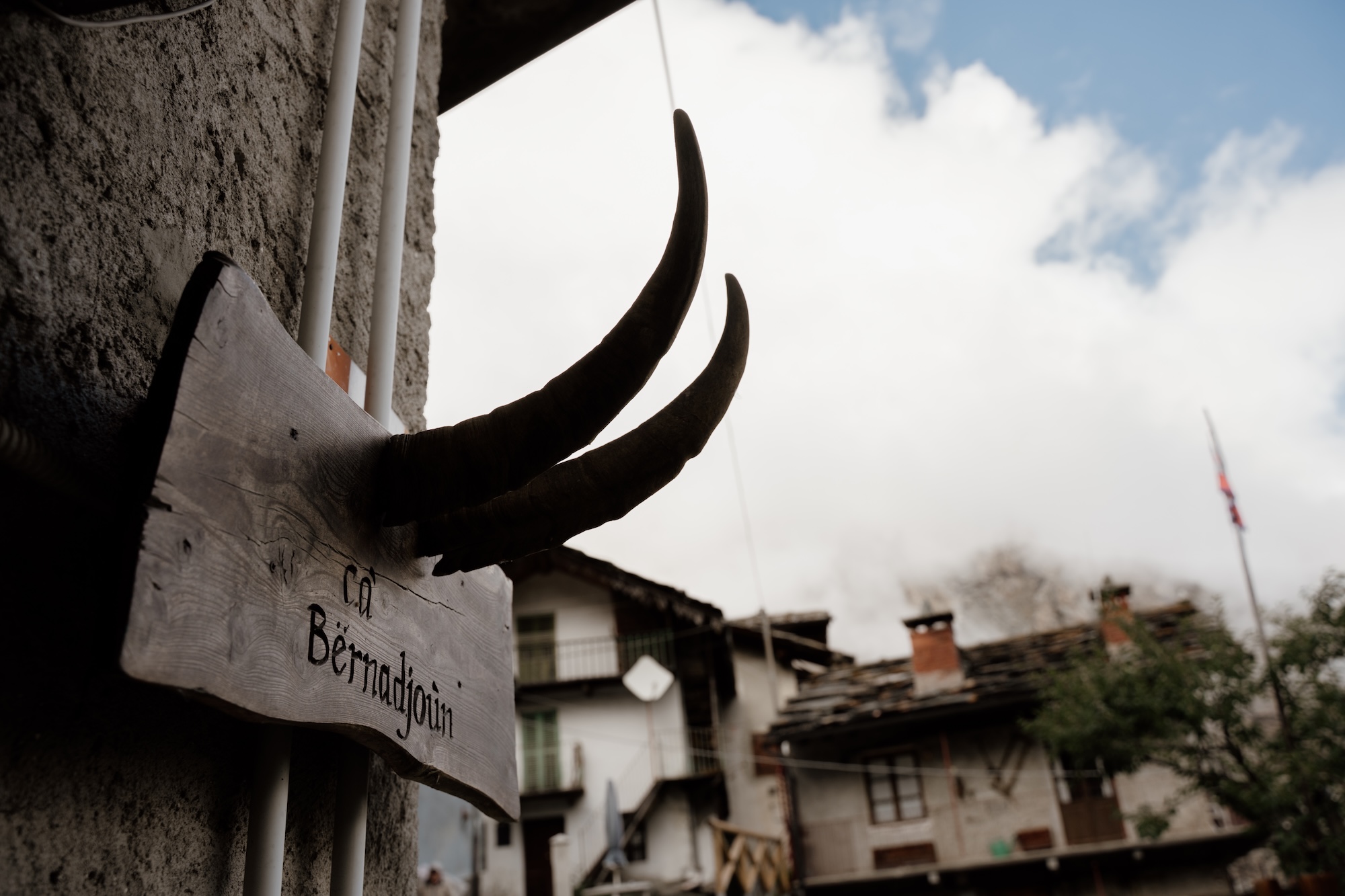
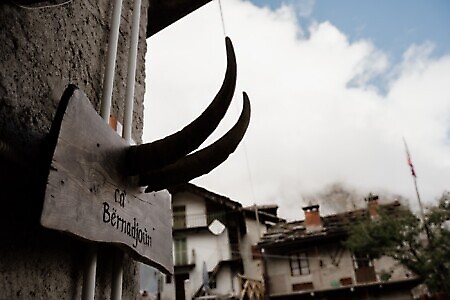
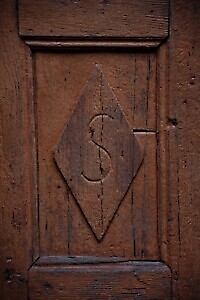
In one of the lanes, you can still see the sign of the cobbler, where mountaineers would go to have extra nails added to their boots before tackling the most demanding climbs.
How to visit the site
Heading up to Balme along the SP1, turn left following the sign for Cornetti onto the SP253.
You might also like
Airal Circle
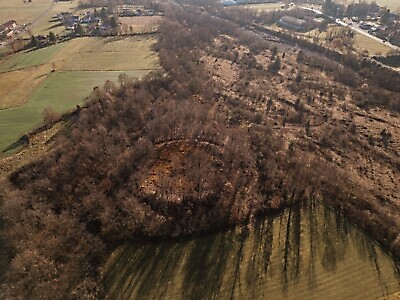
Frazione Brione, Località “Airal/Buttiberghe” (Val della Torre)The structure is circular, roughly 60 m in diameter, and situated on flat land near where the Casternone and Codano...
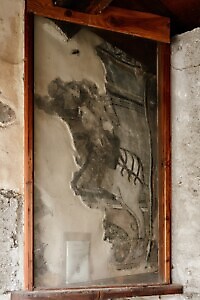
Chapel of the Shroud, or Chapel of Christ Pantocrator
Rivòt di Luis detto anche Via Margutta (Balme)The lanes branching through the old centre of Balme are called quintàness if flat and rivòt if uphill. Narrow and...
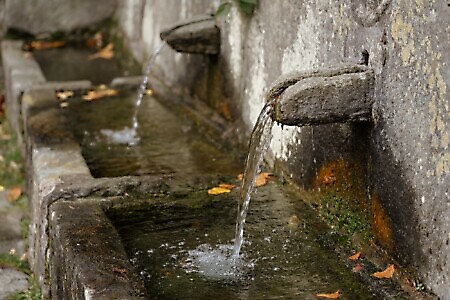
Fountain at Pessinea, Old Wash House, and Sanctuary of the Madonna della Consolata
Frazione Pessinea (Viù)This hamlet is the last in the town of Viù. It remains largely unchanged, maintaining the traditional pedestrian lanes that...
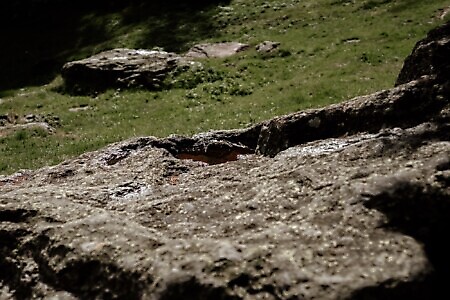
Prehistoric Altar of Bogone
Bogone (Balme)The small hamlet of Bogone was inhabited mainly in spring and autumn, serving as a stopping point during the Alpine...
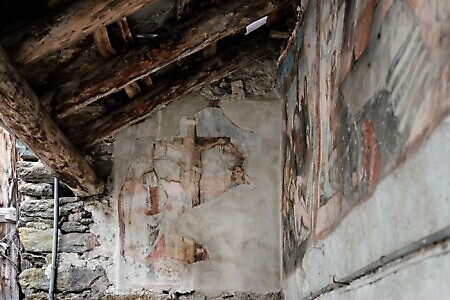
Rucias Fortified House with 17th-Century Fresco
Via Capoluogo, 40 Balme (TO) (Balme)In 1909, work commenced on the Turin aqueduct, and the old centre of Balme was demolished to make way for...