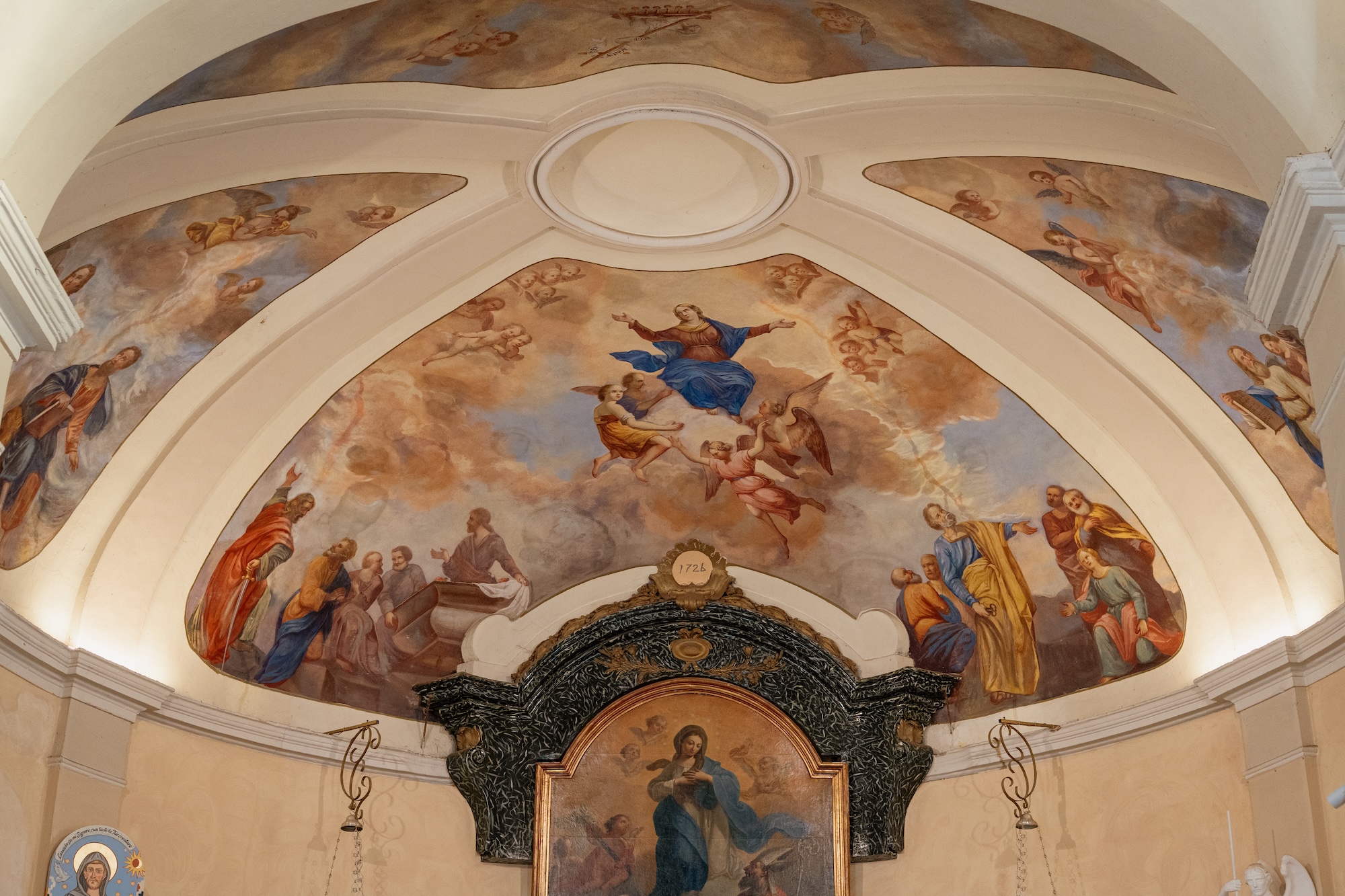

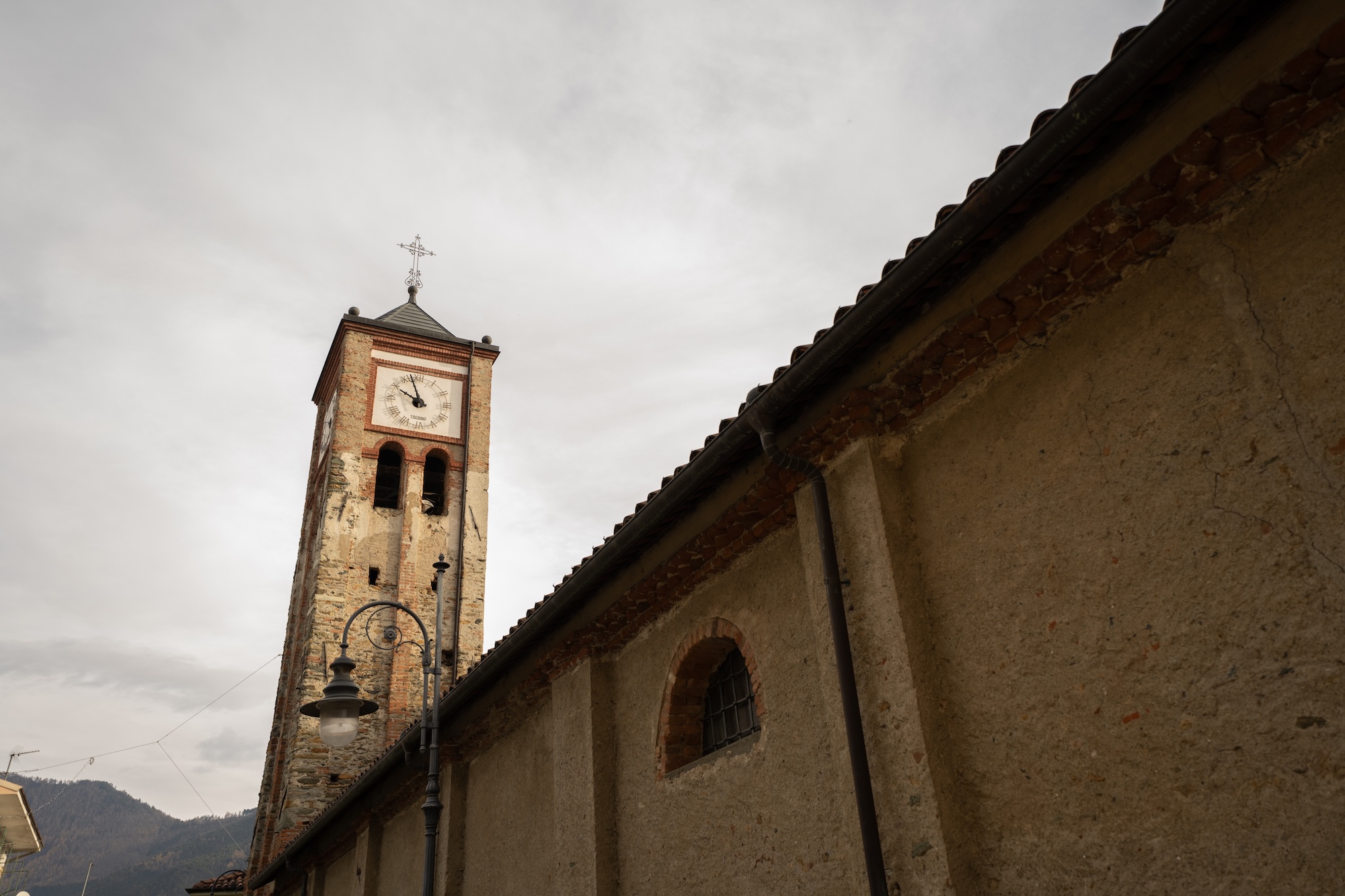
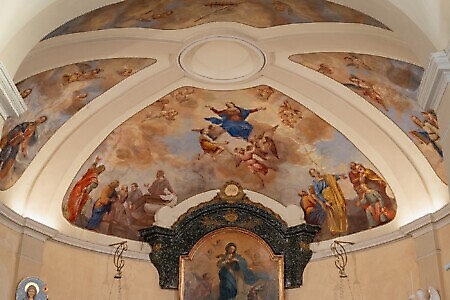
The Parish Church of Sant'Egidio, reconstructed in 1607 and expanded over the centuries, overlooks the Piano district with its three naves and the frescoes embellishing its vaults and apse. As a keeper of centuries of faith and sacred art, it narrates the community's history and its connection to the land.
Site overview
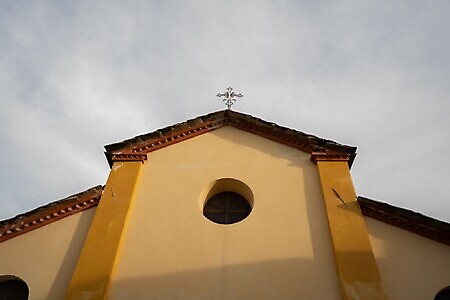
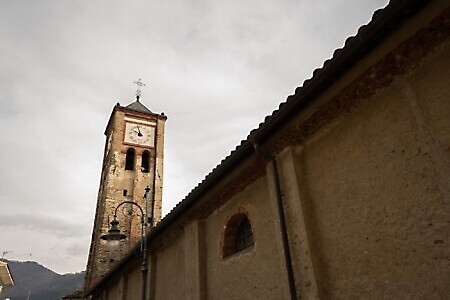
The Parish Church of Sant’Egidio, located in the Piano district, was reconstructed in 1607 by expanding the original 16th-century structure, although no architectural records of the original building remain.
Under the patronage of the Abbey of San Giusto, it once extended its jurisdiction over the entire territory of Rubiana. The first enlargement was prompted by the age of the building and population growth, while the restructuring of 1628 was driven by the need for architectural alterations.
At the beginning of the 18th century, the parish church underwent further major structural and decorative work, culminating in its solemn consecration in 1769 by the Archbishop of Turin, Monsignor Francesco Rorengo di Rorà.
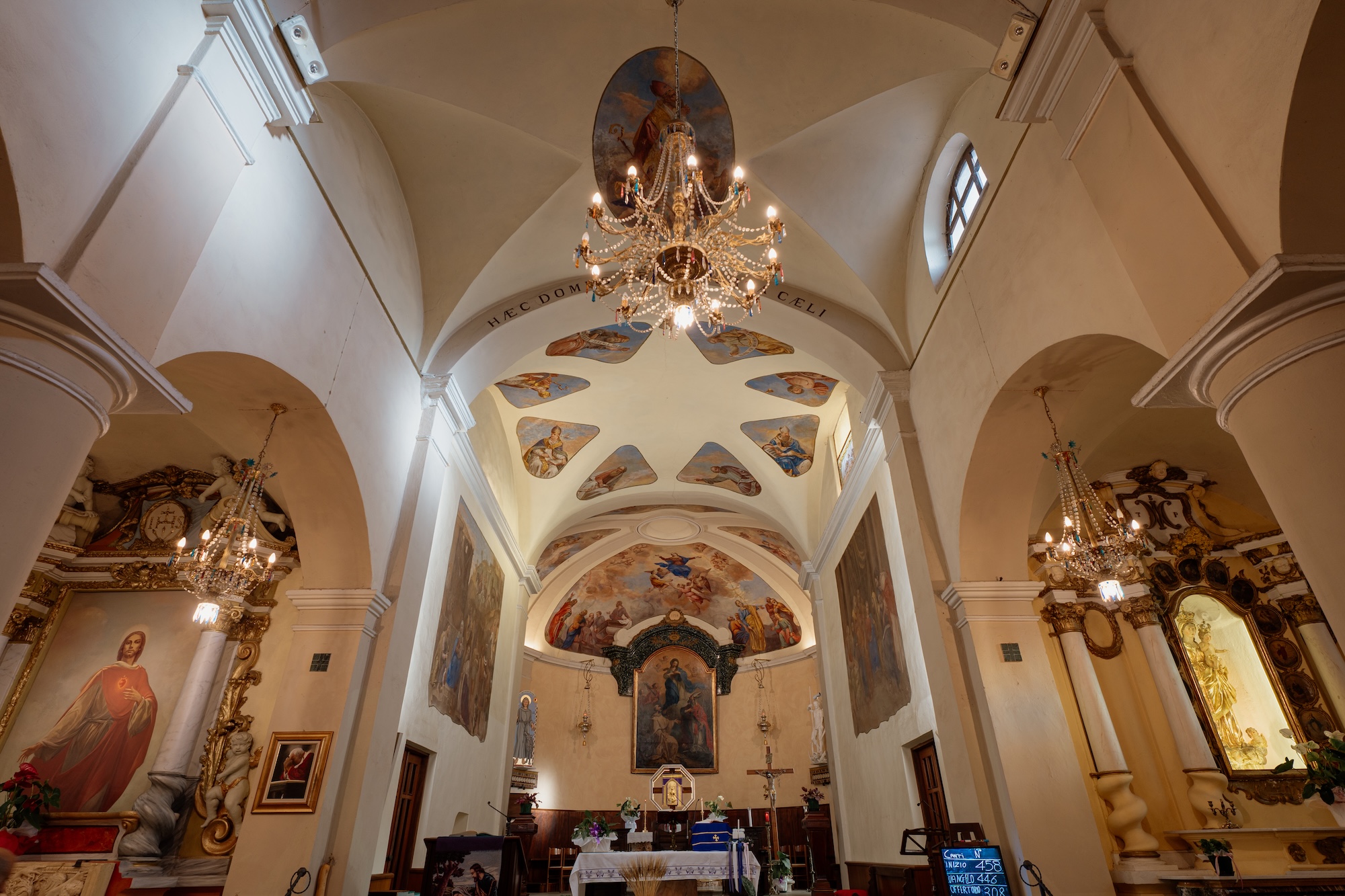
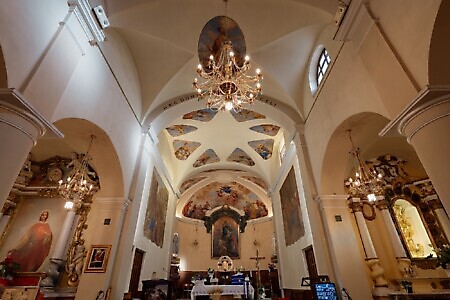
The current presbytery was restored in 1967 by Trieste artist Professor Luciano Bartoli. The altar was consecrated by Monsignor Giuseppe Garneri, Bishop of Susa, on May 27 of that year. The structure features three naves, with the main nave having a semicircular layout.
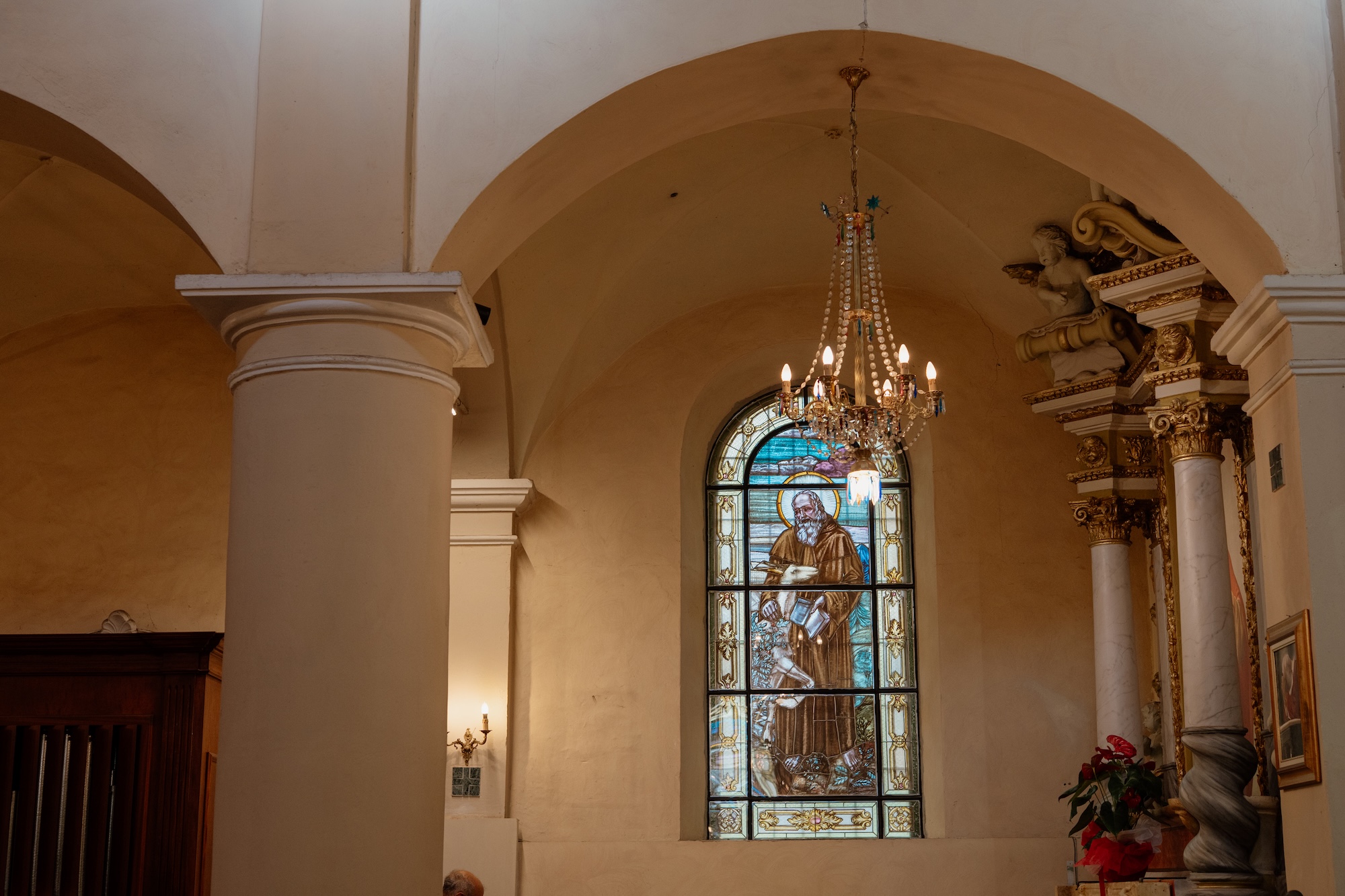
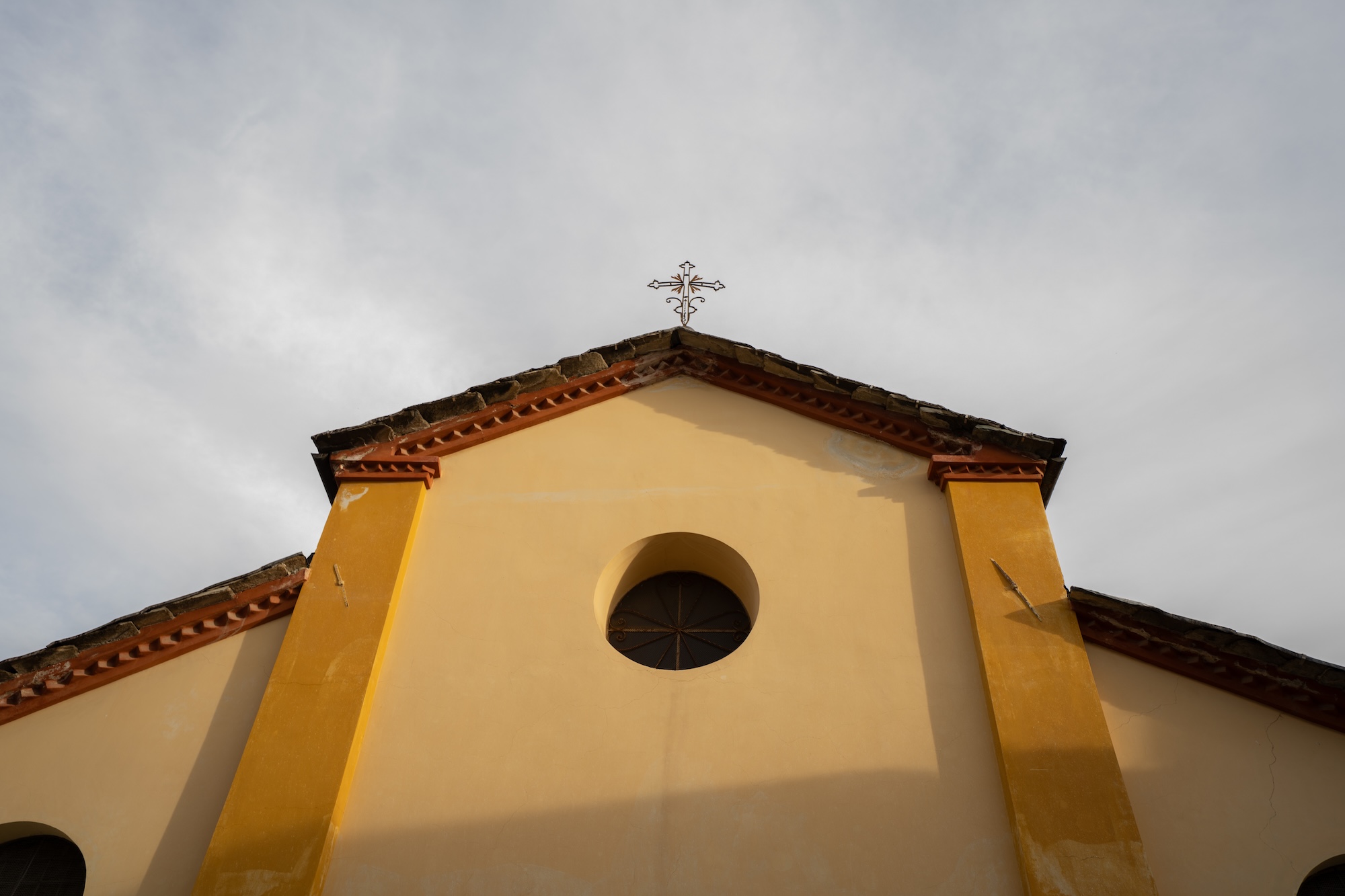
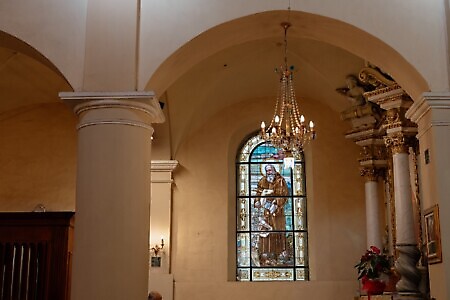
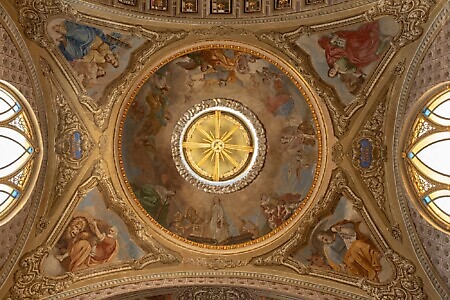
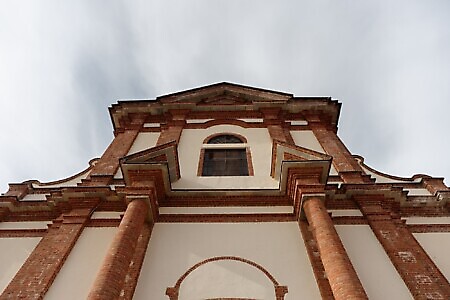
The naves are divided by semicircular pillars topped with depressed arches. The roof is covered with clay tiles, featuring two pitches over the nave and presbytery and a single pitch over the side naves. Inside, the presbytery has marble slab flooring, while terrazzo covers the naves and wooden boards line the side chapels. The vaults and apse basin are decorated with frescoes, with the depiction of the Coronation of the Virgin standing out as especially noteworthy.
How to visit the site
The church stands opposite the Town Hall of Rubiana.
You might also like
16th-Century Fresco by Oldrado Perini
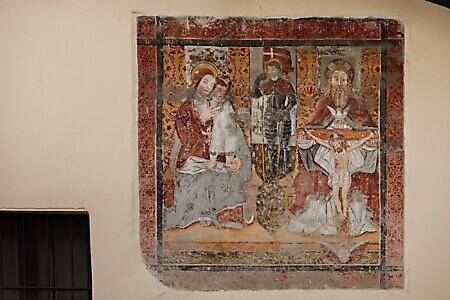
Frazione Villar, 45ì (Ala di Stura)A fresco by Oldrado Perini from 1577 is on the outside wall of a private house. The roughly square painting,...
Chapel of San Biagio
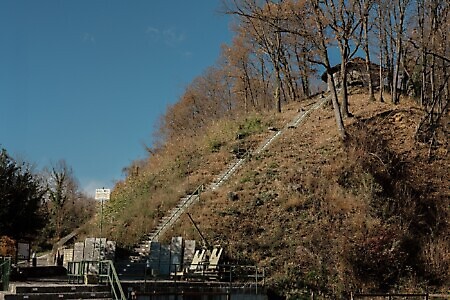
Strada Provinciale 26 dell'Amiantifera (Balangero)The origins of the chapel are somewhat unclear. It is quite probable that it originally served as a watchtower to...

Chapel of San Giulio
Frazione Forno (Lemie)The Chapel of San Giulio is located in Forno, Lemie. Its name likely reflects the Valsesian roots of many locals...
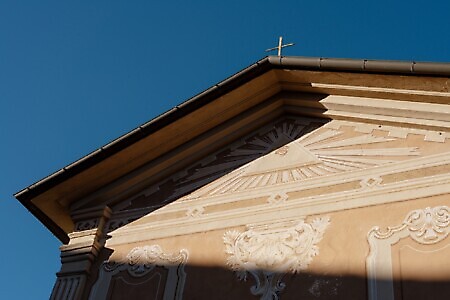
Chapel of San Rocco
Piazza San Rocco, Monastero di Cafasse (Cafasse)The precise construction date is unknown, but written records indicate it was built in 1687 and likely constructed to fulfil...
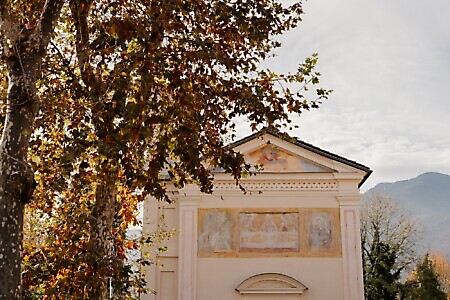
Chapel of Sant’Anna
Via Roma 37 (Fiano)The building stands in isolation, with its façade facing east. The chapel is used for services on the feast of...
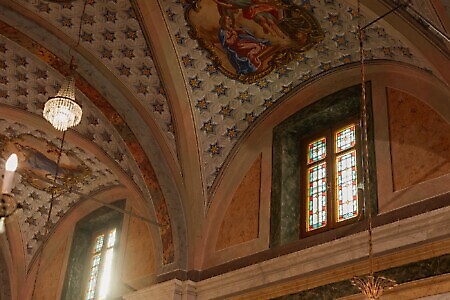
Chapel of Santa Maria della Stella (Truc di Miolà)
Borgata Truc di Miolà (La Cassa)The chapel features a rectangular layout divided into three bays. Its gabled façade is fully plastered and displays corner pilasters...
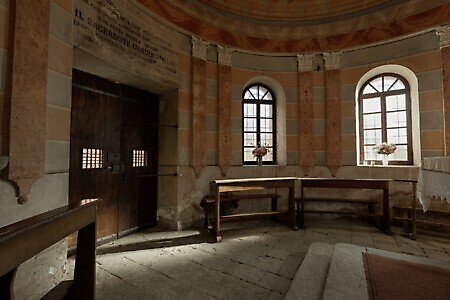
Chapel of the Blessed Virgin of Graces
Coassolo Torinese (Coassolo Torinese)According to tradition, on the rocky outcrop above the Tesso plain, where the steep path linking Coassolo and Monastero runs,...
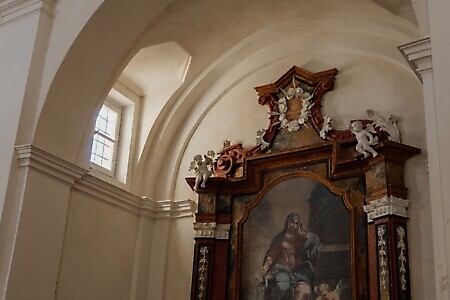
Chapel of the Holy Cross
Piazza della Chiesa, 4 (Corio)The building is open on three sides, with the north side adjacent to a private residence. Its façade faces northeast....
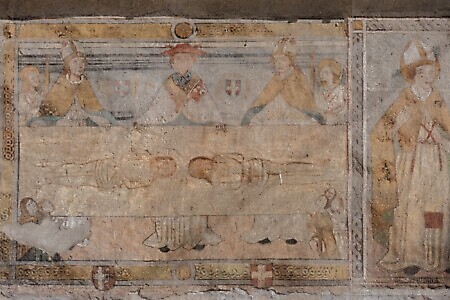
Chapel of the Holy Shroud at Voragno
Strada Provinciale 1 delle Valli di Lanzo, 64 (Ceres)In the Chapel of Saints Sebastian and Lawrence, several 16th-century frescoes depicting the Holy Shroud testify to its secret journey...
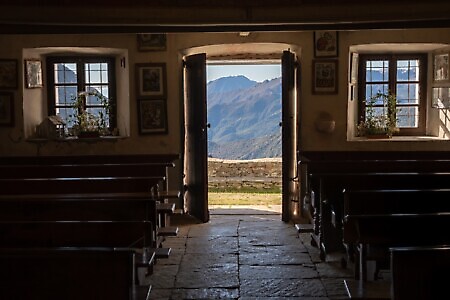
Chapel of the Madonna del Carmine at Ciavanis
Cappella della Madonna del Carmine al Ciavanis (Chialamberto)Dedicated to the Madonna del Carmine, the chapel stands at 1,874 m above sea level on a grassy terrace above...
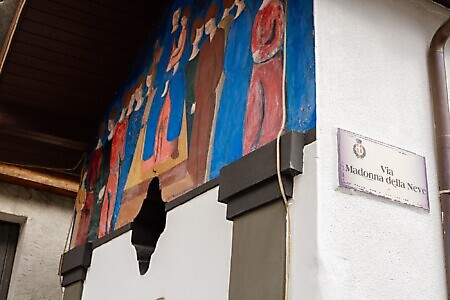
Chapel of the Madonna della Neve
Piazza Schiari (Viù)The Chapel of the Madonna della Neve, located at the village’s centre, serves as the focal point of Pascheretto, one...
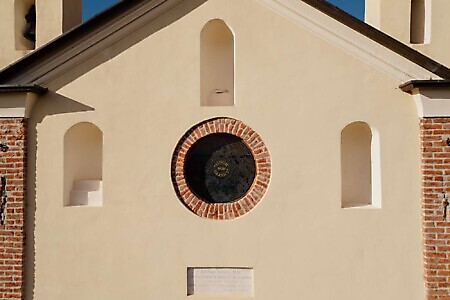
Church of Maria Ausiliatrice
Frazione Santa Maria (Givoletto)The chapel has a single-hall rectangular plan, covered by a pitched timber ceiling with exposed trusses. The chapel’s interior features...
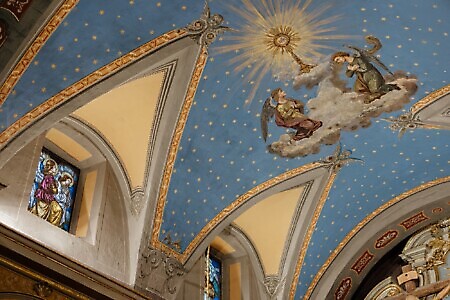
Church of Saints Peter and Paul
Via della Chiesa (Cantoira)In Foieri, visitors can explore the Saints Peter and Paul parish complex, which uniquely combines two churches, one Romanesque and...
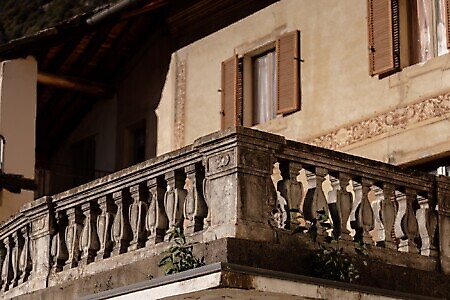
Church of Saints Philip and James, and Bell Tower
Piazza Fratelli Chiariglione (Chialamberto)The building is located in the centre of town, along the provincial road, positioned above a wide podium on the...
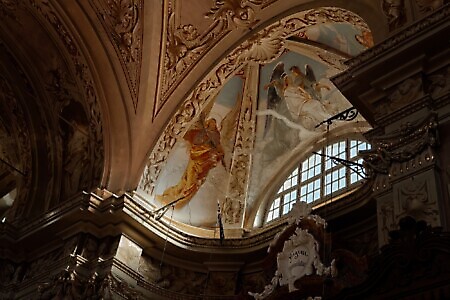
Church of San Genesio Martire
Piazza della Chiesa 2 (Corio)The church features a rectangular single nave divided into three bays with groined barrel vaults, ending in a semicircular apse...
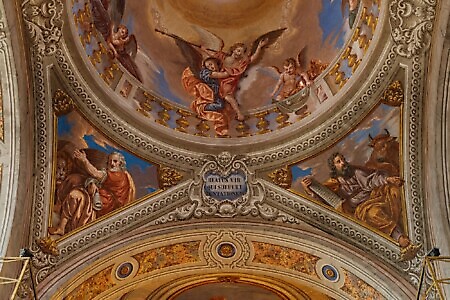
Church of San Giacomo at Gisola
Frazione Gisola, 28 (Pessinetto)The Parish Church of Gisola, dedicated to the Apostle St James the Great, is believed to be the oldest in...
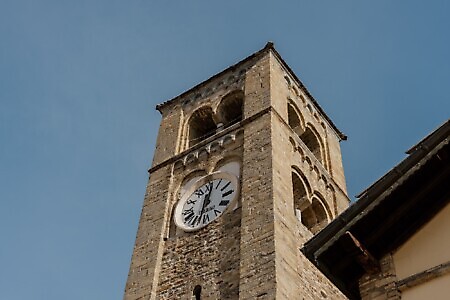
Church of Sant’Anastasia and Romanesque Bell Tower
Monastero di Lanzo (Monastero di Lanzo)The church’s origins stretch back to the 12th century when Benedictine monks, likely alongside a chapel, built the Romanesque bell...
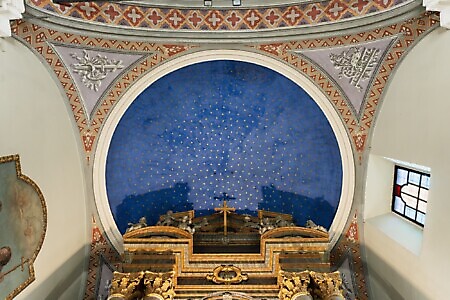
Church of Santa Croce
Via Roma s.n.c. (Lanzo Torinese)The church, originally located outside the town, was dedicated to the Holy Apostles James and Philip. Since the early 14th...
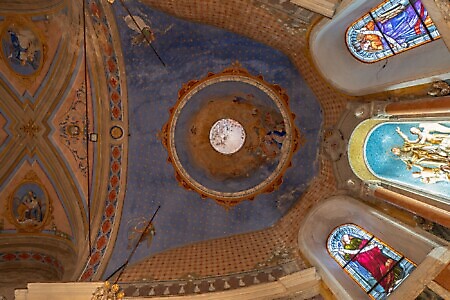
Church of Santa Maria del Borgo
Via San Giovanni Bosco, 29 (Lanzo Torinese)Always dedicated to the Madonna, albeit under different names, the church is situated halfway along the old Contrada del Borgo...
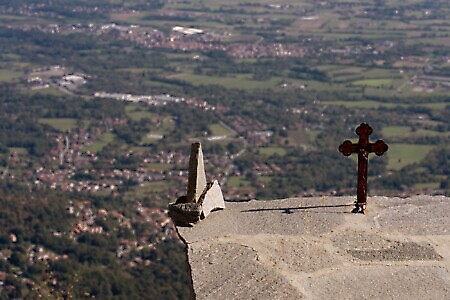
Church of the Madonna della Neve
Givoletto (Givoletto)The Chapel of the Madonna della Neve was built in 1855 on Monte Sap (at 1,215 m above sea level)....
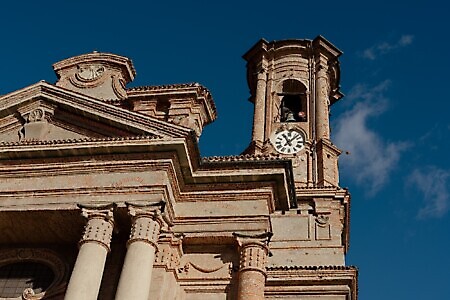
Parish Church of San Giacomo Maggiore
Via Chiesa, Balangero (TO) (Balangero)The Baroque parish church of San Giacomo, set in an elevated position overlooking the village, has become the symbol of...
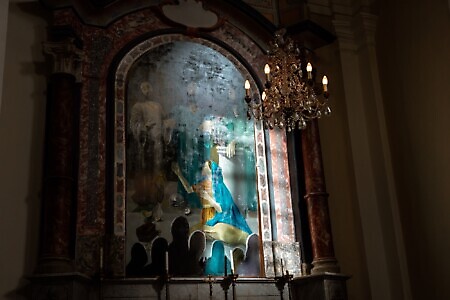
Parish Church of San Nicola and Santa Marta
Via Don Giocondo Cabodi, 5 (Varisella)The parish church, dedicated to San Nicola, while Santa Marta is the patron saint of the village, can claim very...
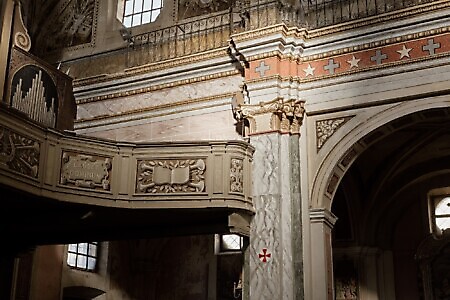
Parish Church of San Nicolao
Piazza Capoluogo, 197 (Coassolo Torinese)The church is situated on an old cemetery that also included part of what is now the square. The existing...
Parish Church of San Pietro in Vincoli
Piazza Albert 11 (Lanzo Torinese)The origins of the parish church of Lanzo are believed to be very ancient. In 1545, Gian Giacomo Medici, Lord...
Parish Church of San Secondo Martire and the Remains of Maria Orsola Bussone
Piazza San Secondo (Vallo Torinese)The parish church, designed in the Baroque style, is dedicated to the patron saint San Secondo. Inside, it features a...