Church of Saints Philip and James, and Bell Tower
The voice of the community, between history and legacy.
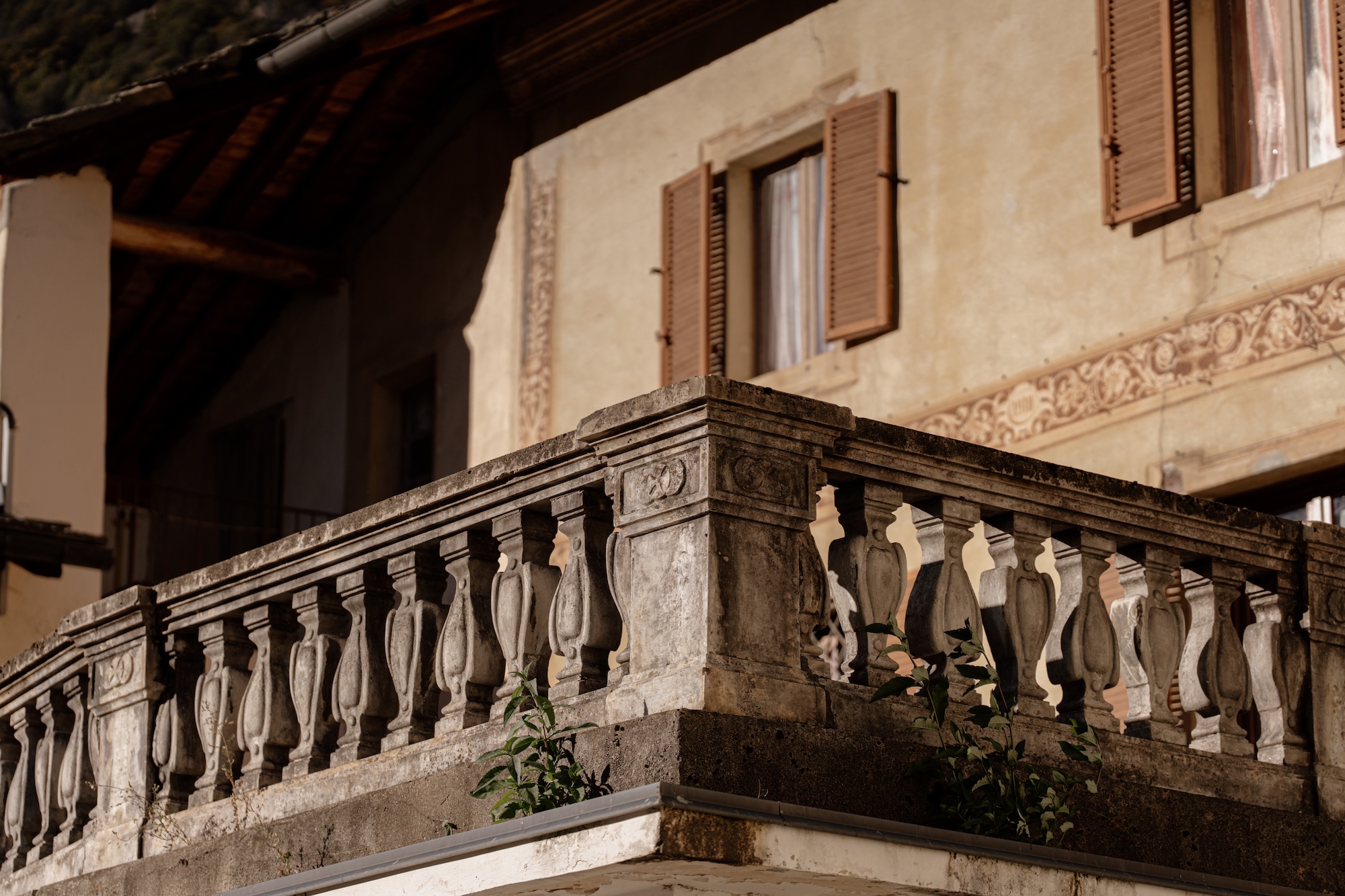

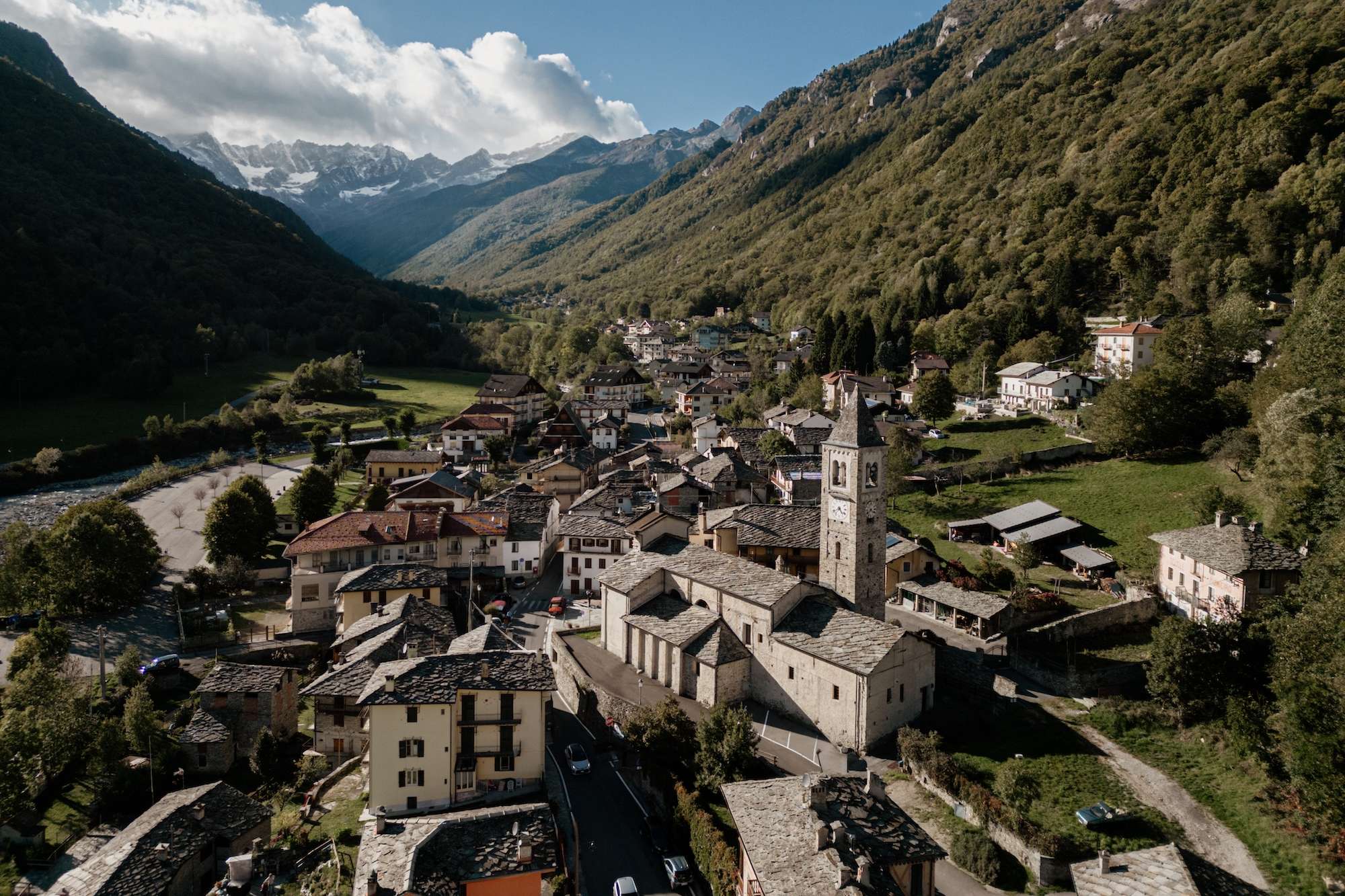
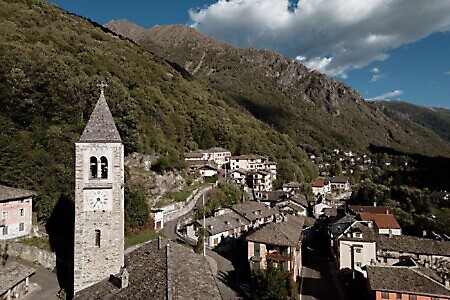
Dominated by the impressive 11th-century Romanesque bell tower, a village symbol with its 28 metres of exposed stone, the parish church of Chialamberto is a hidden gem spanning multiple eras. Behind its Neoclassical façade, the interior is unexpectedly vibrant, where the strictness of the frescoed naves by Turin's Reffo school contrasts with the grandeur of the Baroque high altar, an exquisite display of carved wood and gold. This is a living site, where the voice of the historic 805 kg Great Bell continues to tell the authentic story and deep devotion of this valley.
Site overview
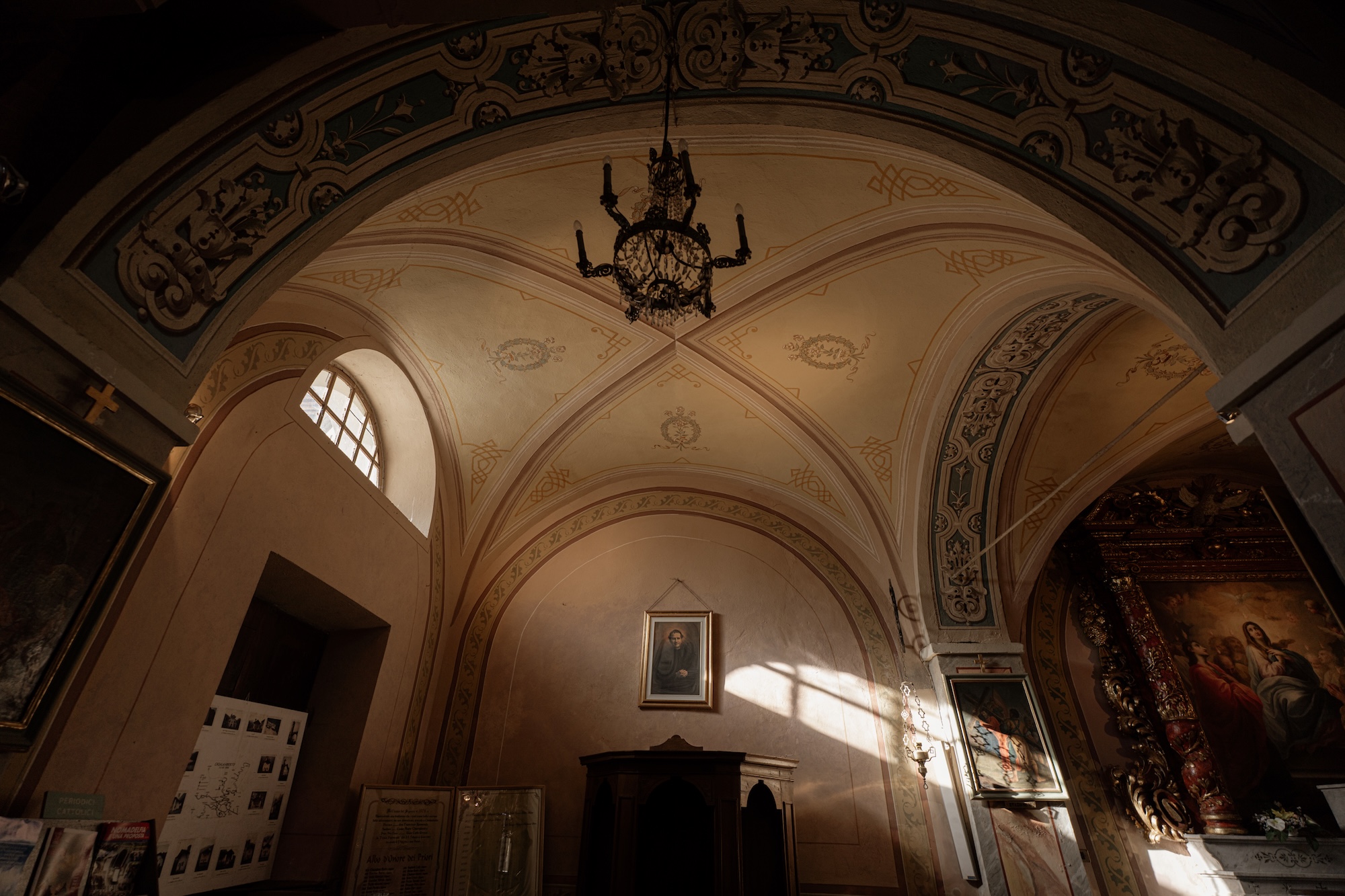
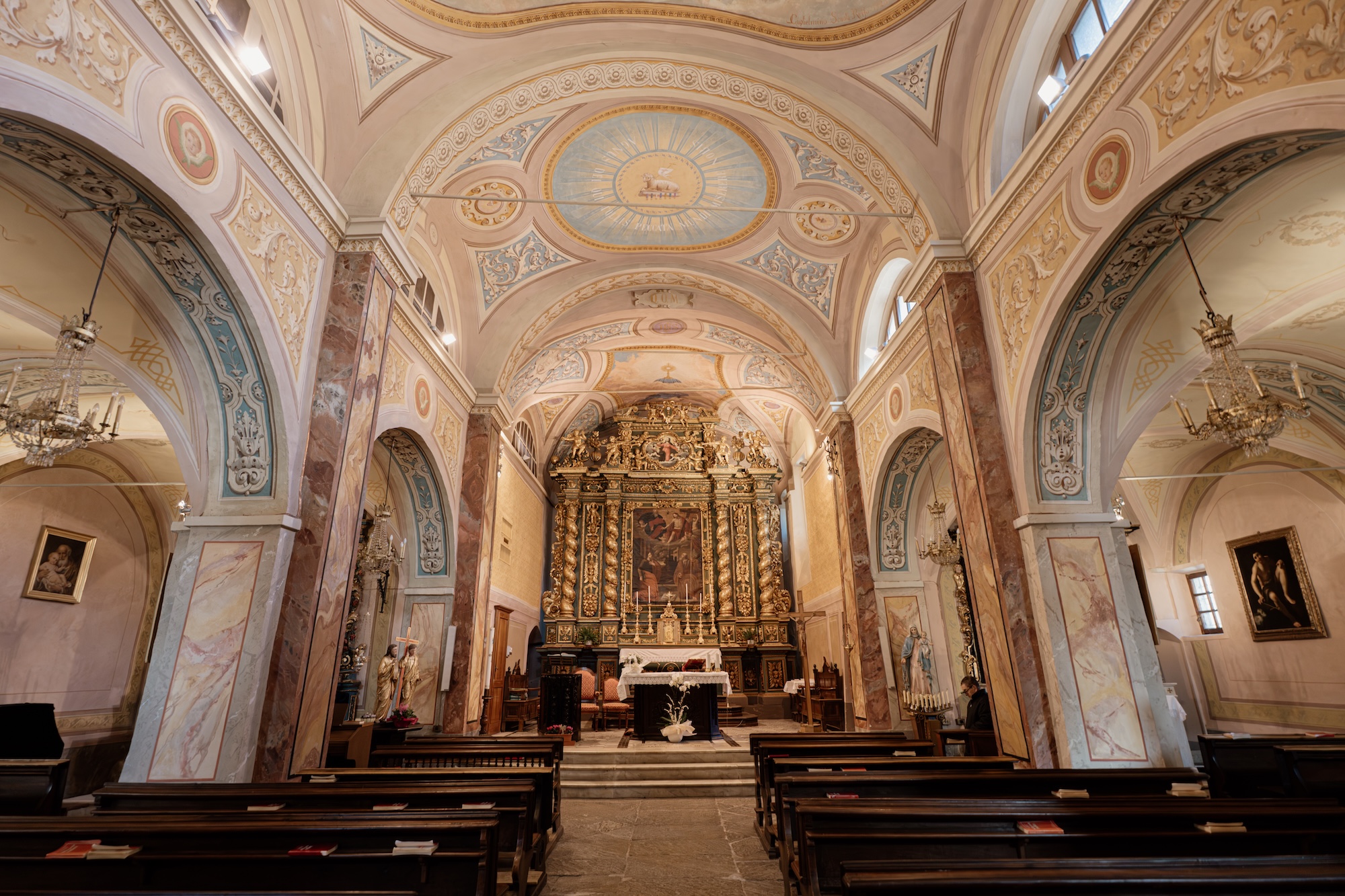
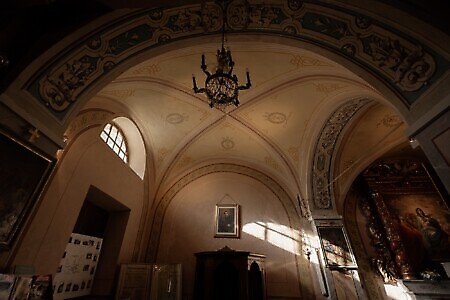
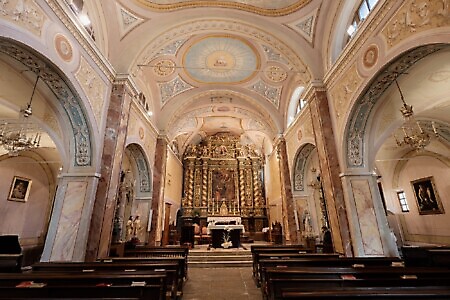
The building is located in the centre of town, along the provincial road, positioned above a wide podium on the right. It is situated close to the houses on its left and faces east. The structure has a rectangular layout with three naves, each divided into three bays. The central nave features a ceiling of sail vaults supported by three arches. The presbytery is covered by a sail vault with groins, while the side naves, starting from the entrance, have a sail vault followed by two groin vaults.
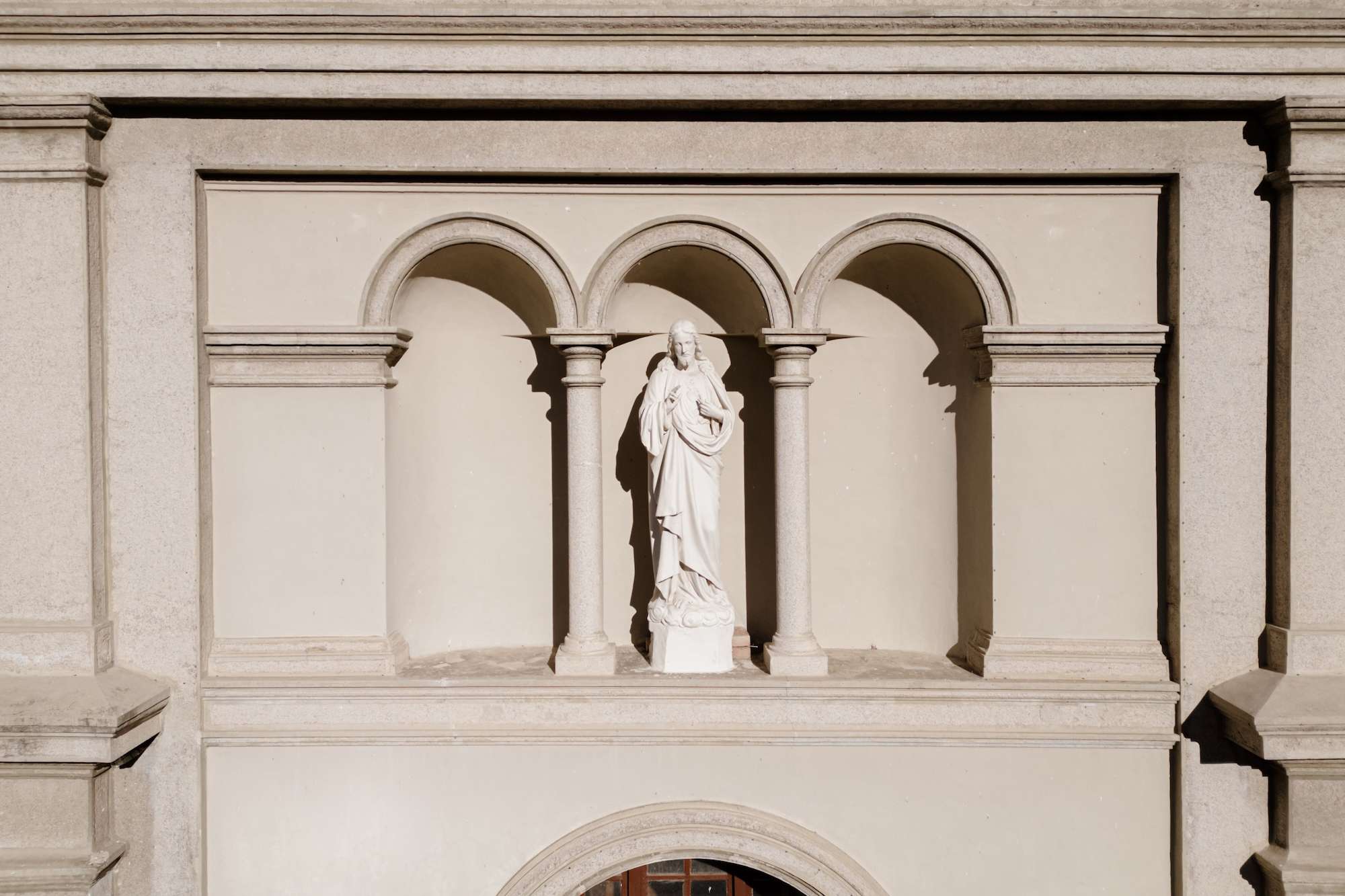
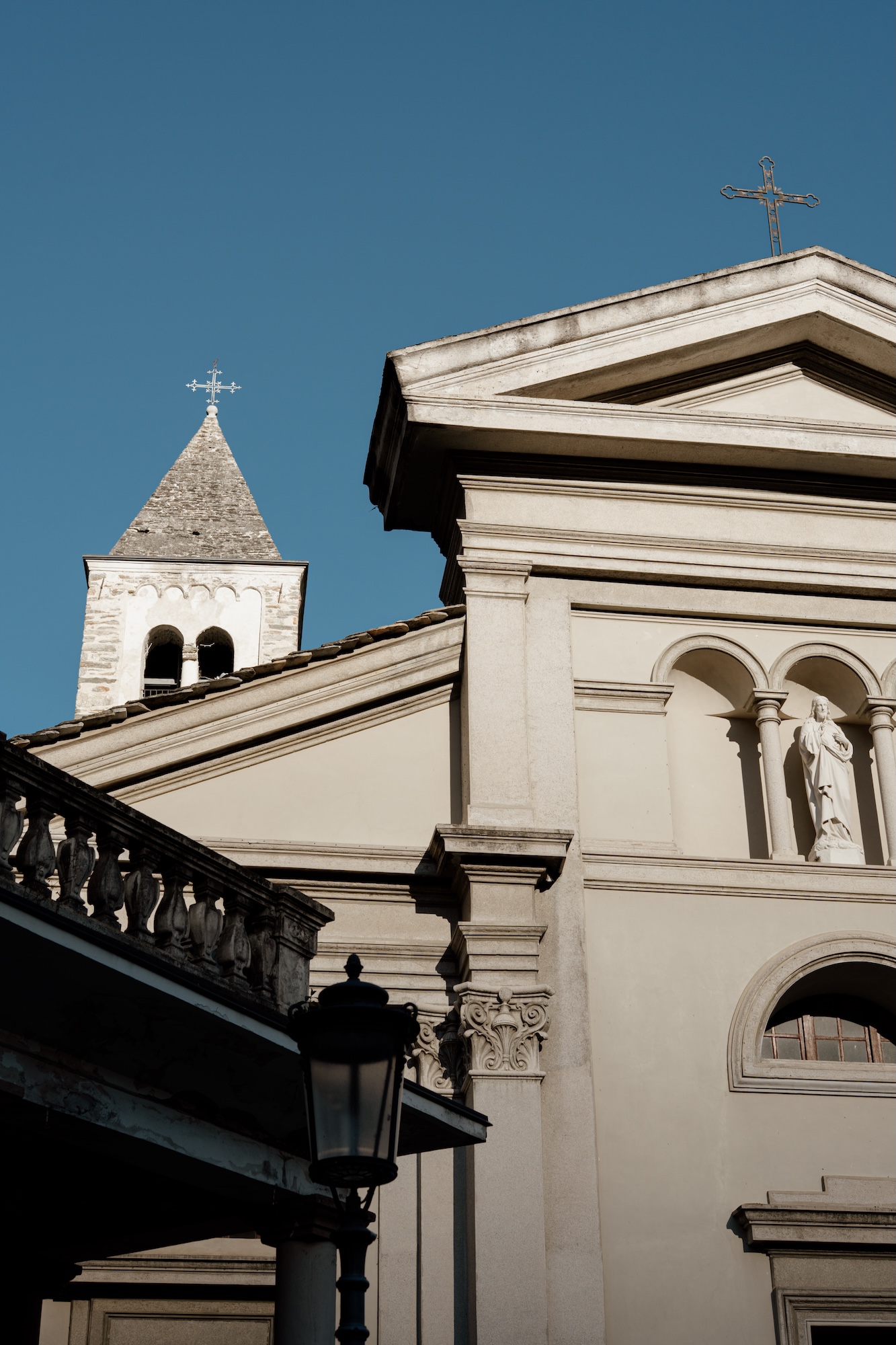
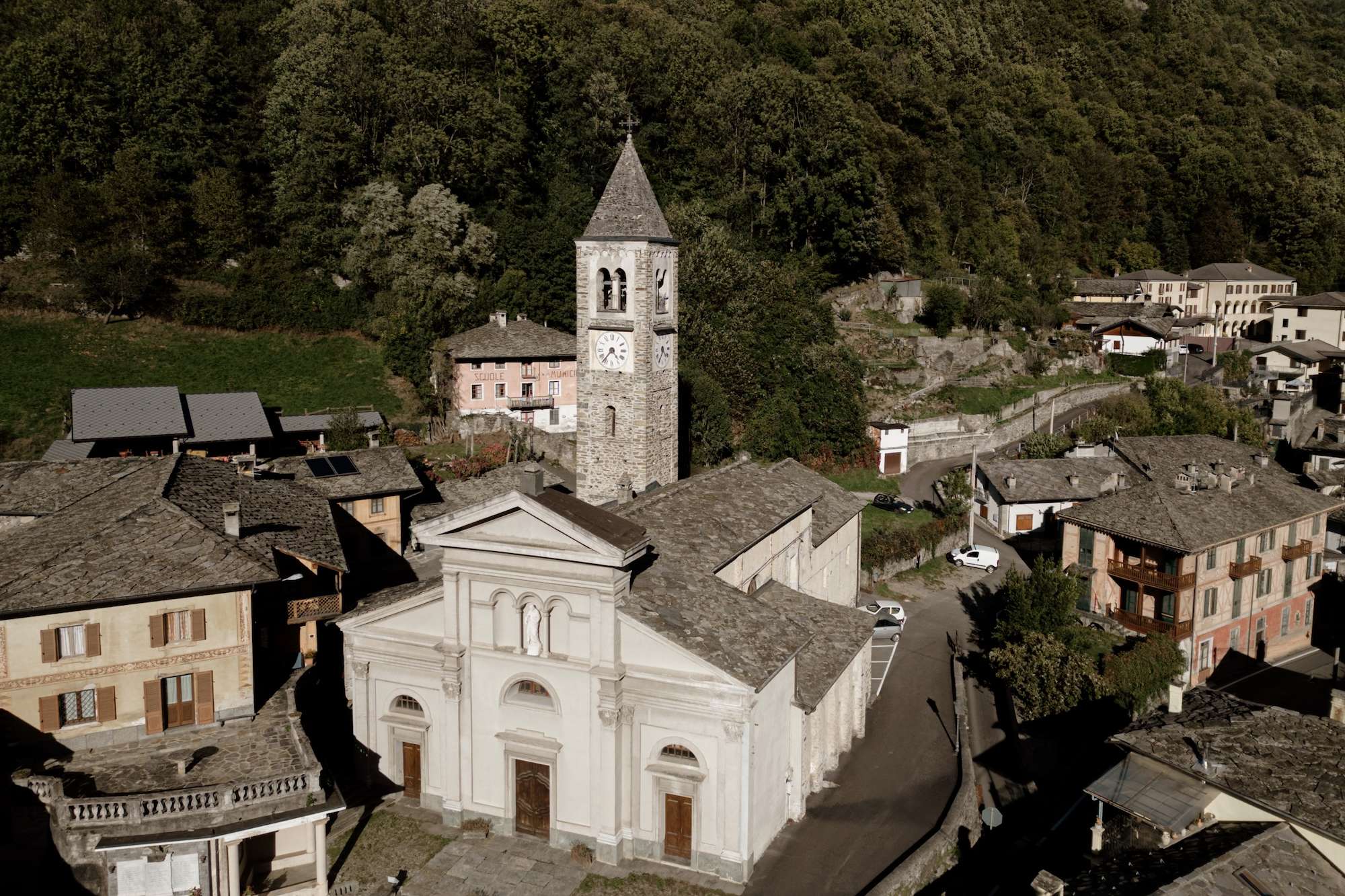
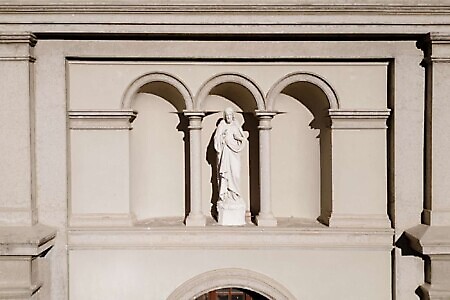
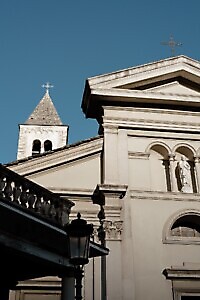
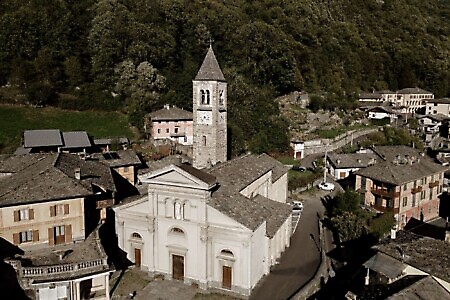
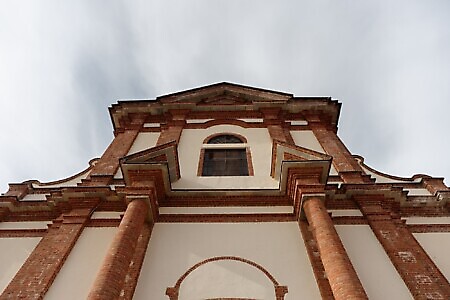
The interior volume is separated by a moulded cornice that encircles the entire perimeter. The main façade features a vertical division into three sections, showcasing plastered surfaces and a layered order composition. The central part of the façade is split into two levels by a moulding; the lower level has a double-leaf wooden door and a round-arched window, which is larger than the side windows. Above this moulding, there’s an aedicule with three arches supported by two small columns, with a statue of Jesus in the centre. The side elevations have a thin plaster coating, through which the underlying masonry is visible. The bell tower, integrated into the church structure, rises to the left of the apse on a square base, with an open belfry on all four sides, topped by a stone spire. The building remains well-preserved both inside and outside.
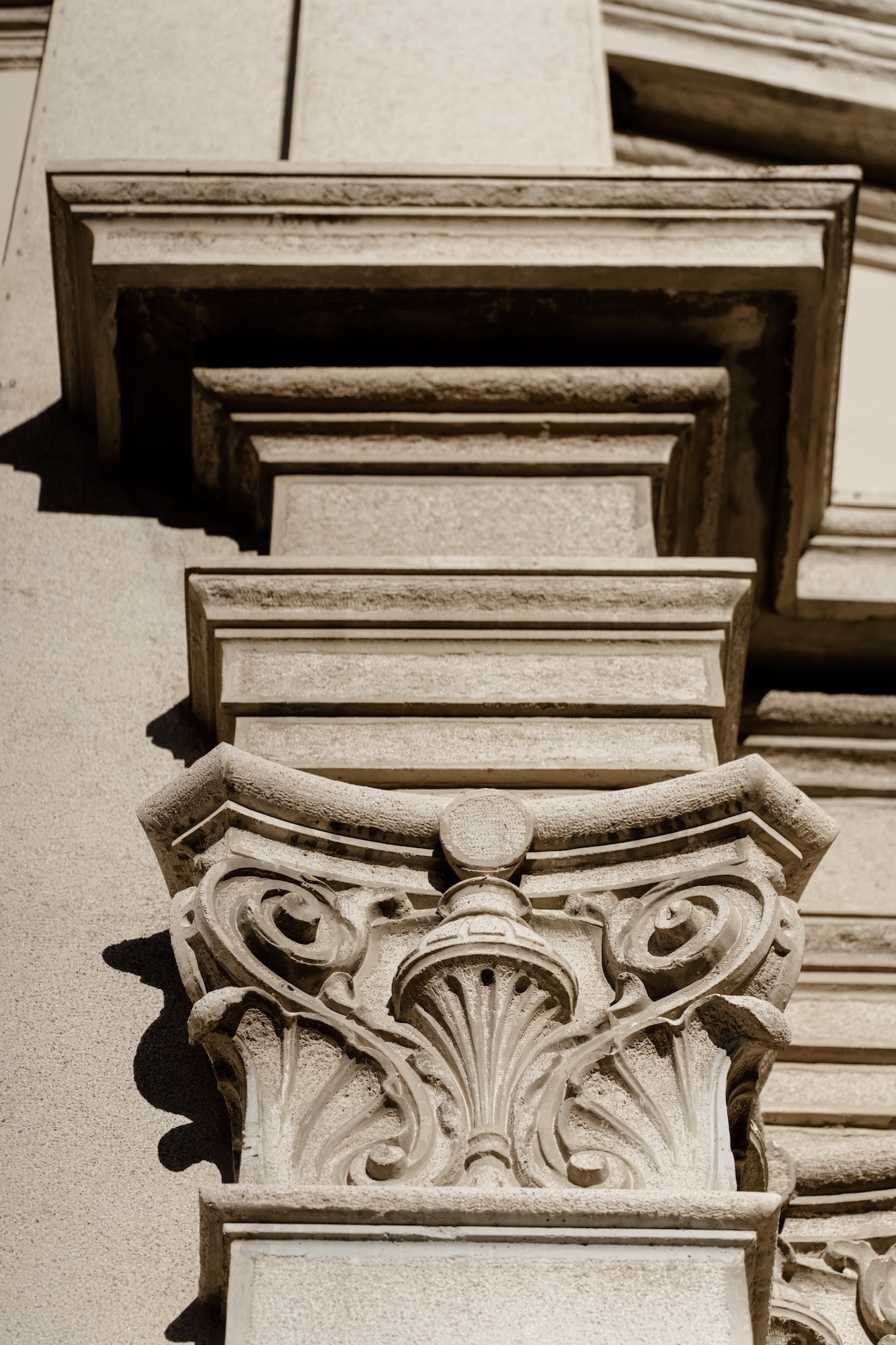
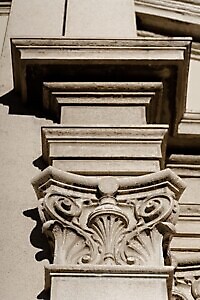
The building features a rectangular layout with three naves, each subdivided into three bays. Its main façade exhibits Neoclassical elements, divided vertically into three sections by two pilasters with capitals and bases that extend up to the pediment. The central section is further divided into two orders by a moulding; it includes a double-leaf wooden door and a larger round-arched window compared to those on the sides. Above the moulding, an aedicule with three arches supported by two small columns houses a statue of Jesus at the centre. The side façades are covered with a thin plaster layer, revealing the underlying masonry.
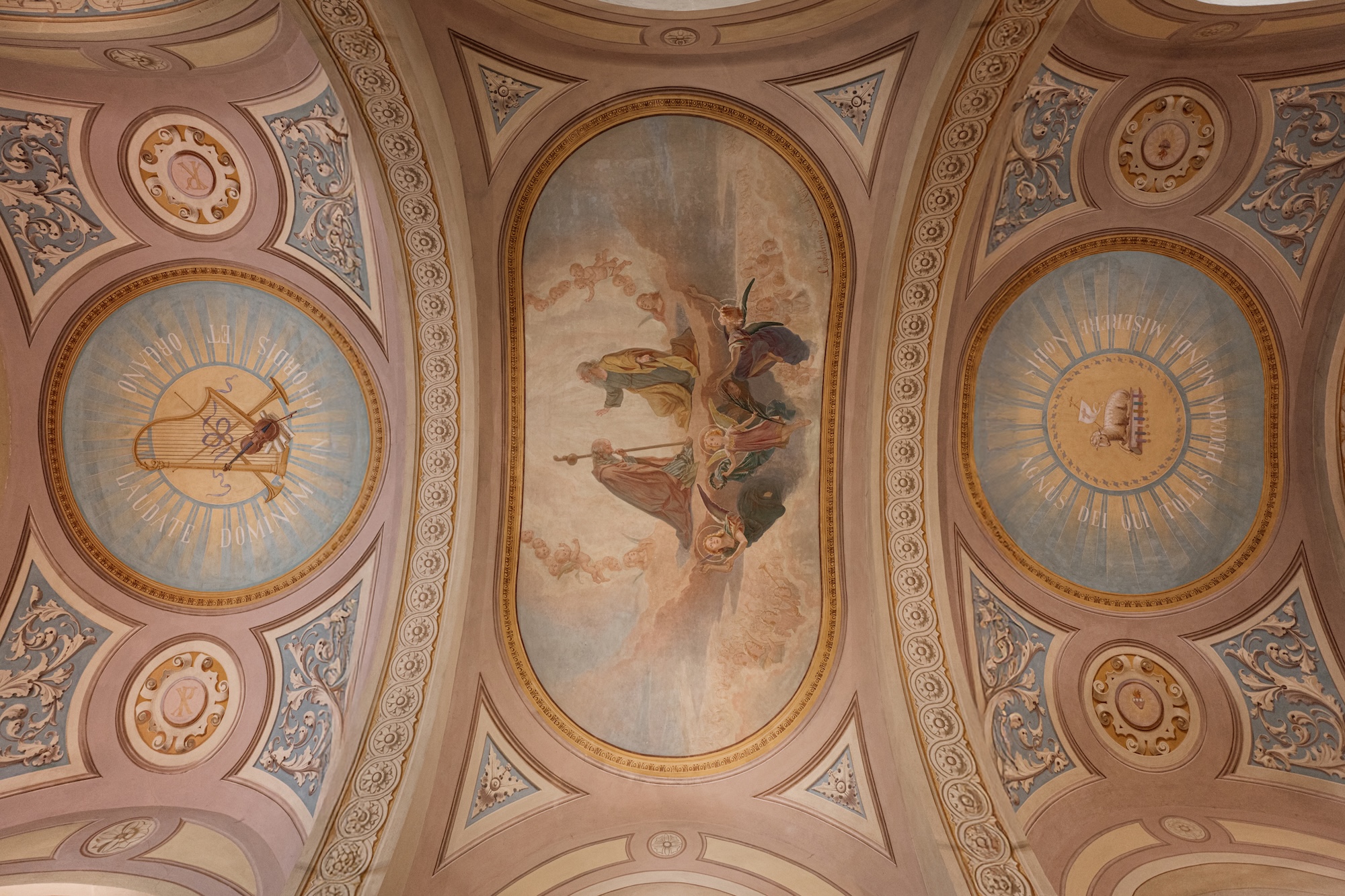
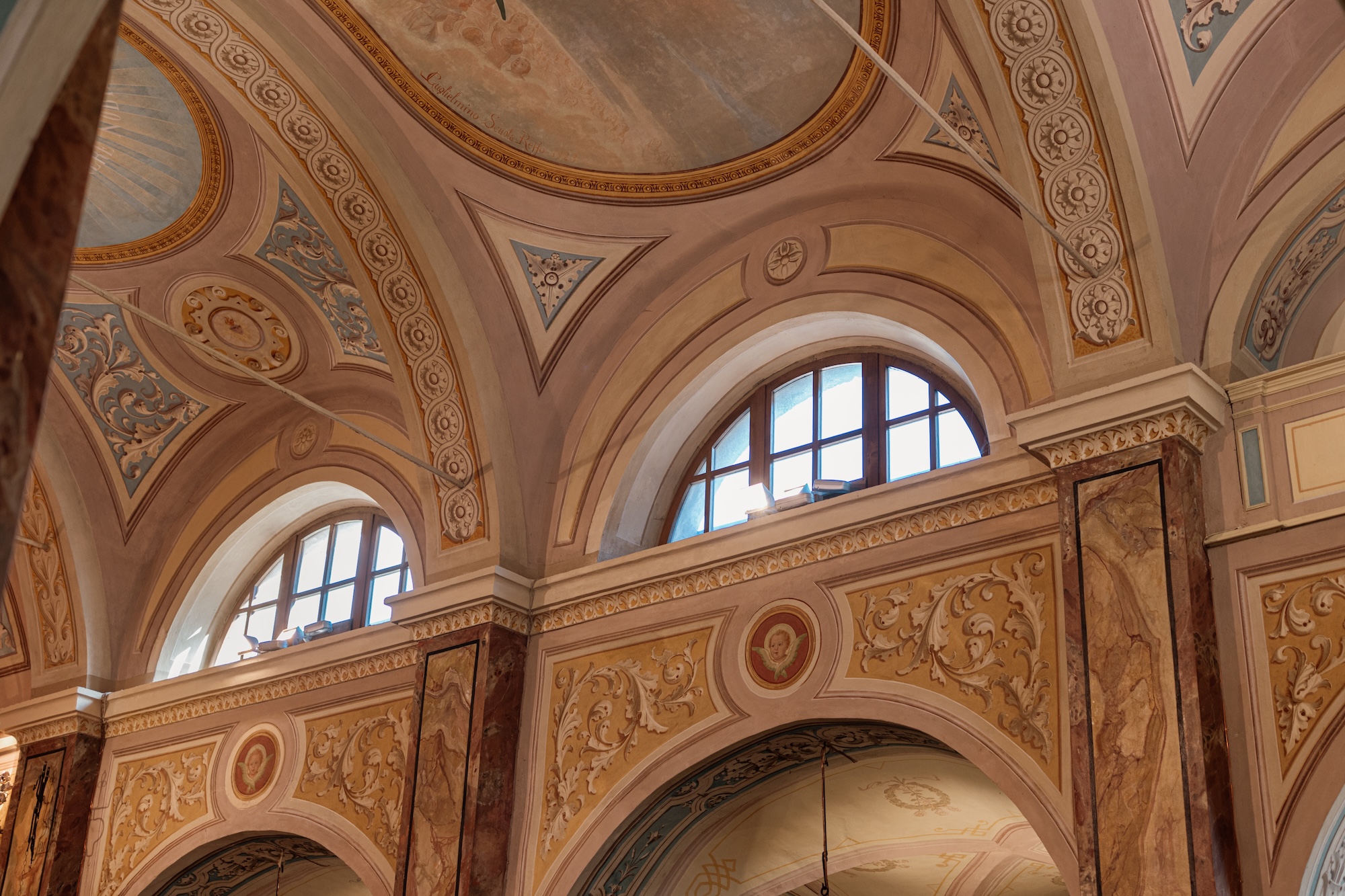
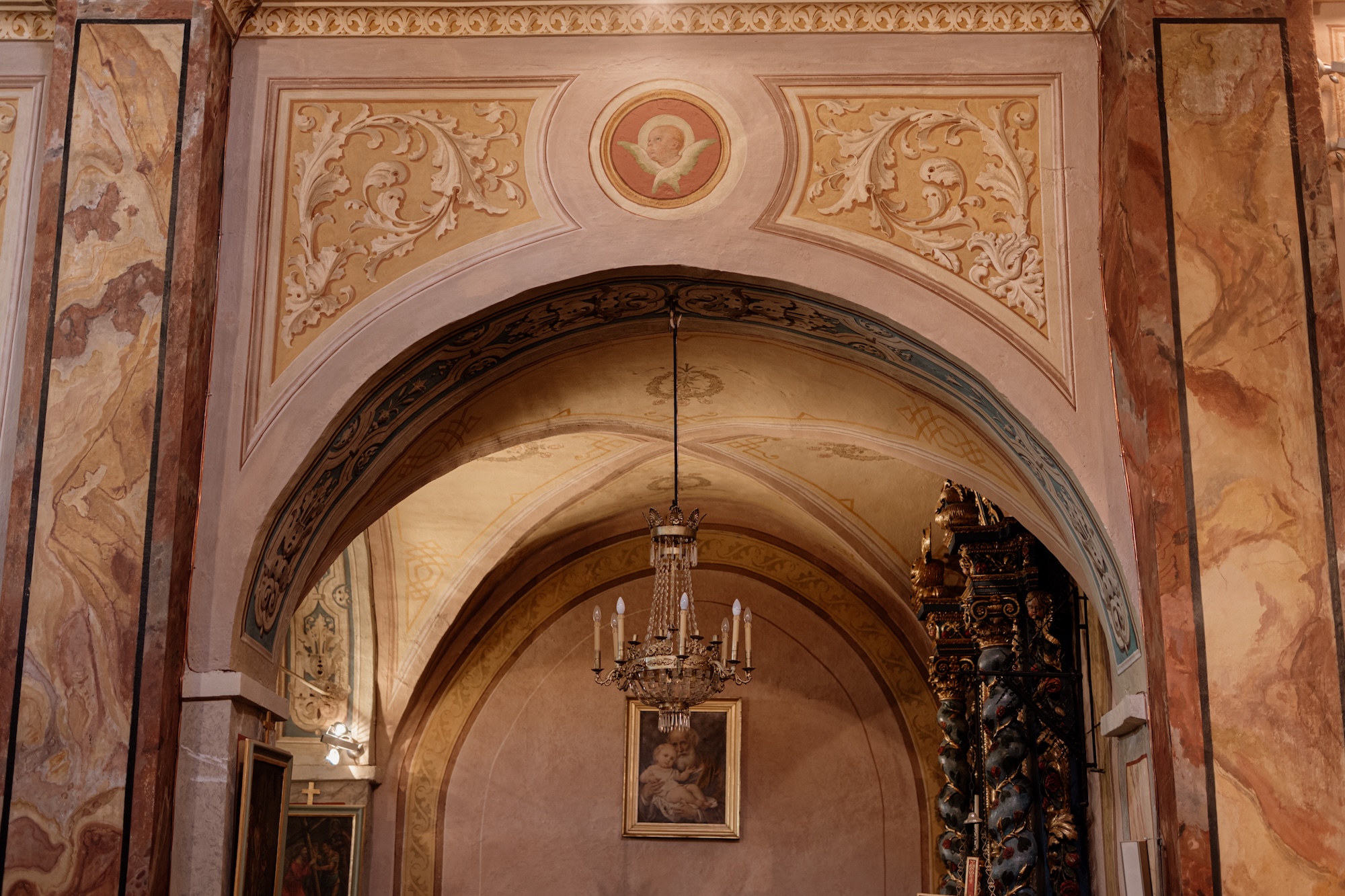
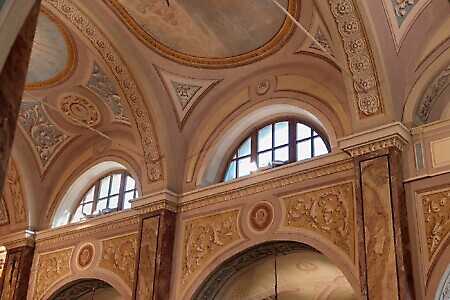
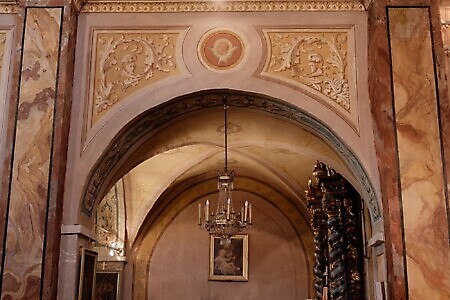
Projecting pilasters rise from the walls and are connected at the base by a plinth. At the rear of the church, there are three openings: two windows that illuminate the oratory and a secondary entrance. The structure is built of load-bearing masonry. The ceiling of the central nave features three sail vaults, separated by three transverse arches with raised intrados, and is divided from the side naves by three longitudinal arches. In the presbytery, the sail vault includes two groins, while the side naves, starting from the entrance, have a sail vault followed by two groin vaults, all separated by transverse arches with raised intrados. These vaults originate from a lower height than those of the central nave and are supported by cruciform pillars. The interior space is divided by a moulded cornice that runs around the entire perimeter.
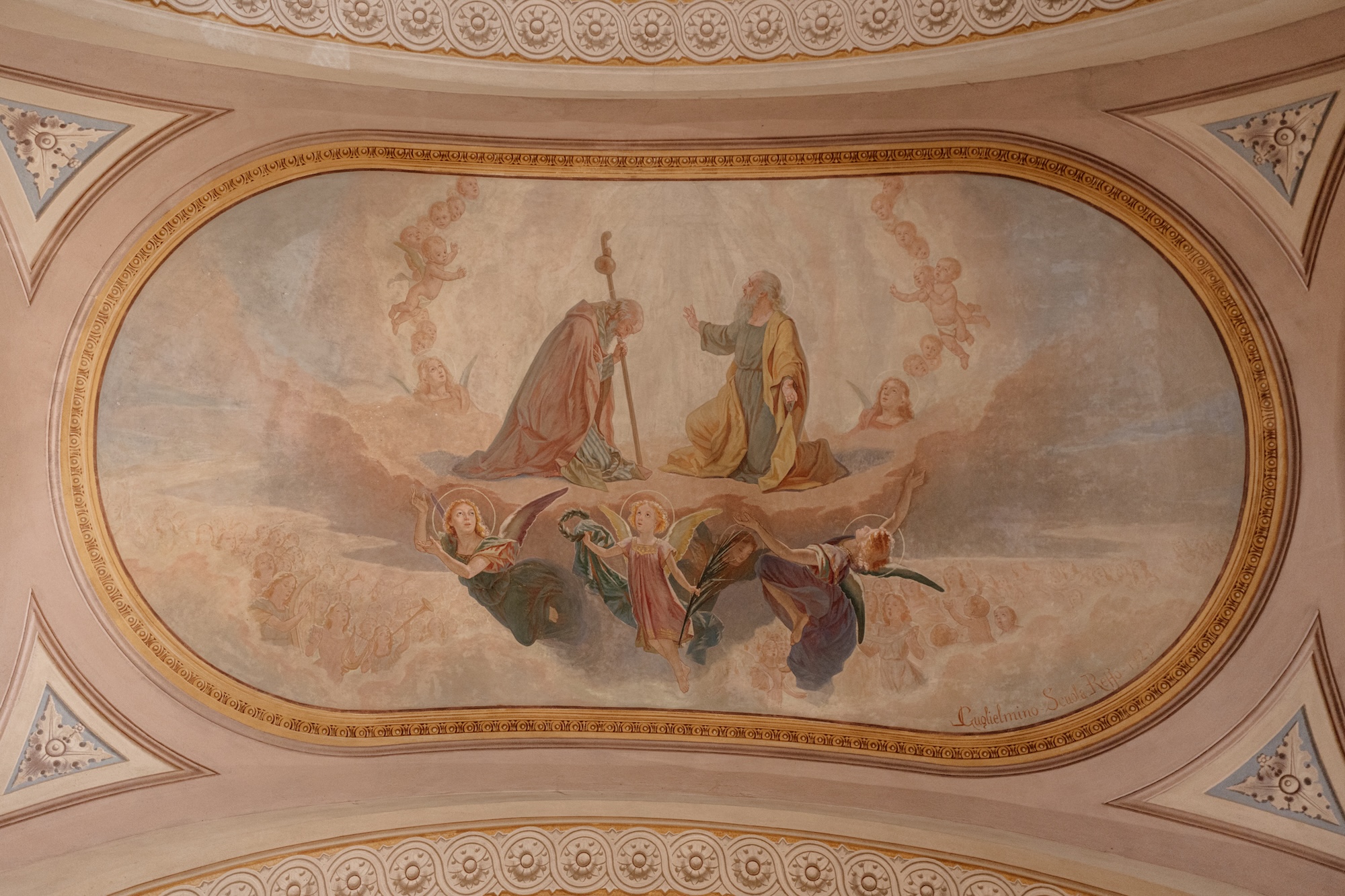
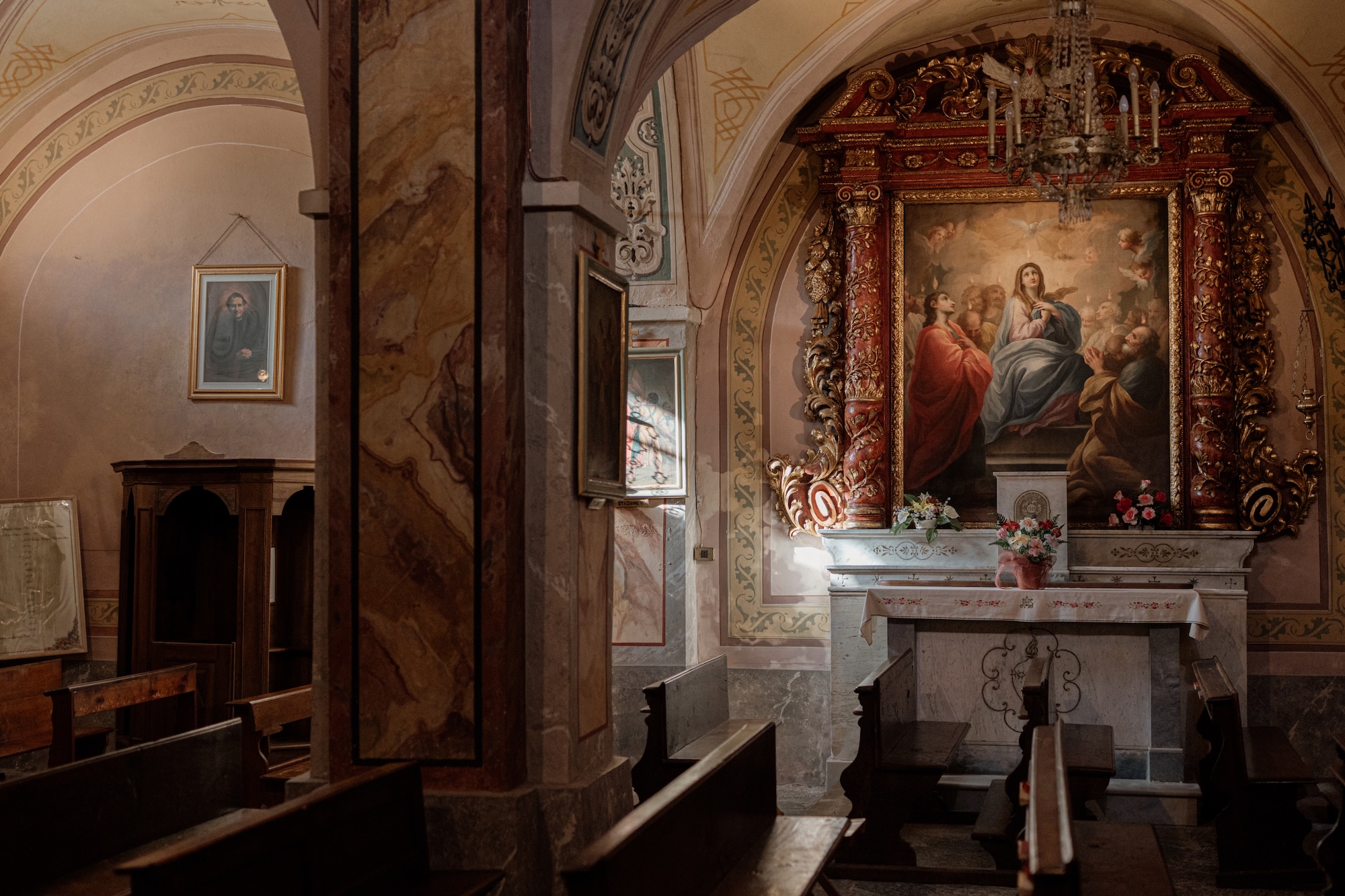
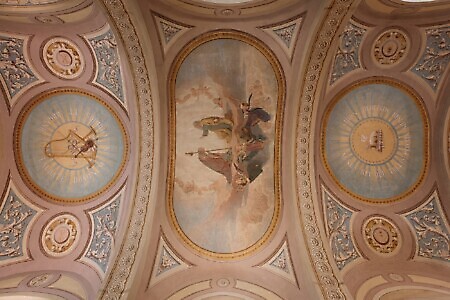
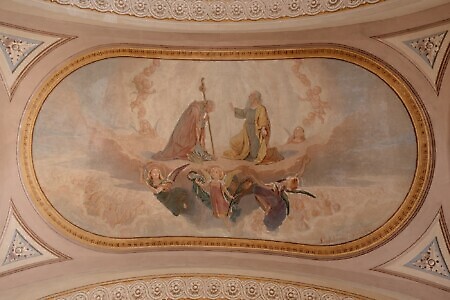
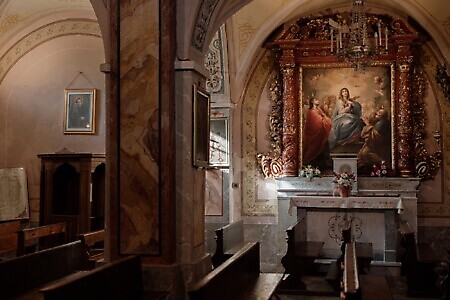
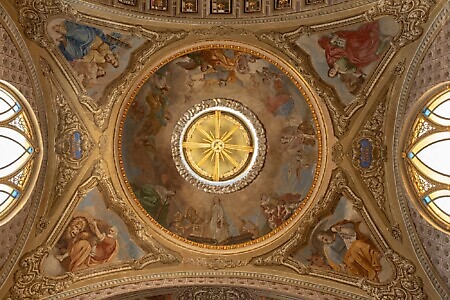
The double-pitched roof features a timber frame covered with stone slabs. Inside, the walls are finished with plaster. The interior decorations of the central nave’s architectural elements date back to 1913 and were created by painter Guglielmino from the Reffo school in Turin. On the right side of the church, three rounded-arch windows illuminate the interior in the lunettes, while the corresponding windows on the opposite side are only painted. A wooden mezzanine above the entrance is accessible from outside the building. The side naves house four small altars: two in the central bays and two on the end walls flanking the presbytery, dedicated to Our Lady of the Holy Rosary, the Souls in Purgatory, the Holy Spirit, and St Anthony the Abbot. The main hall’s floor is made of local stone slabs, whereas the presbytery is paved with marble and is raised above the Eucharistic hall.
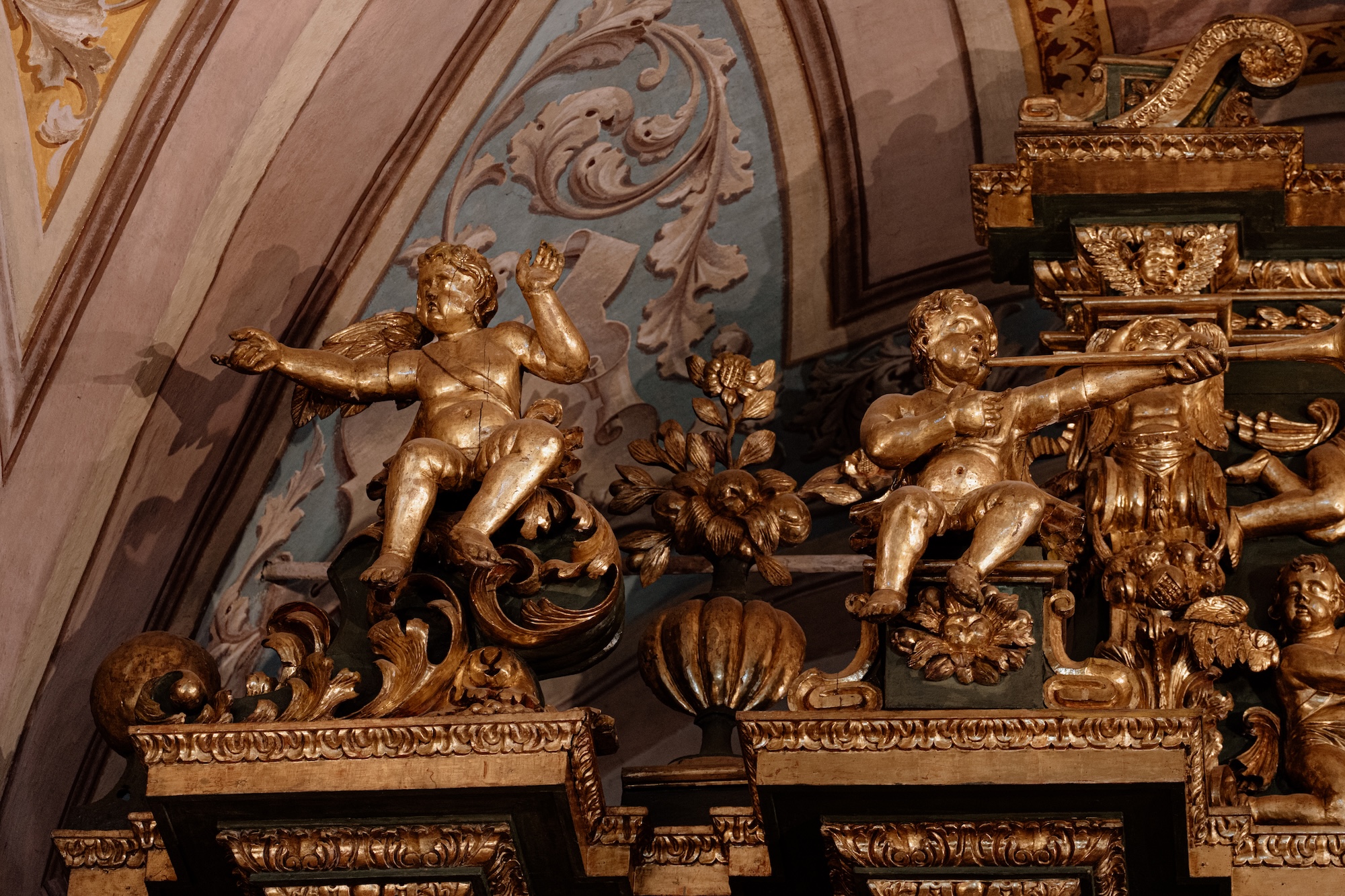
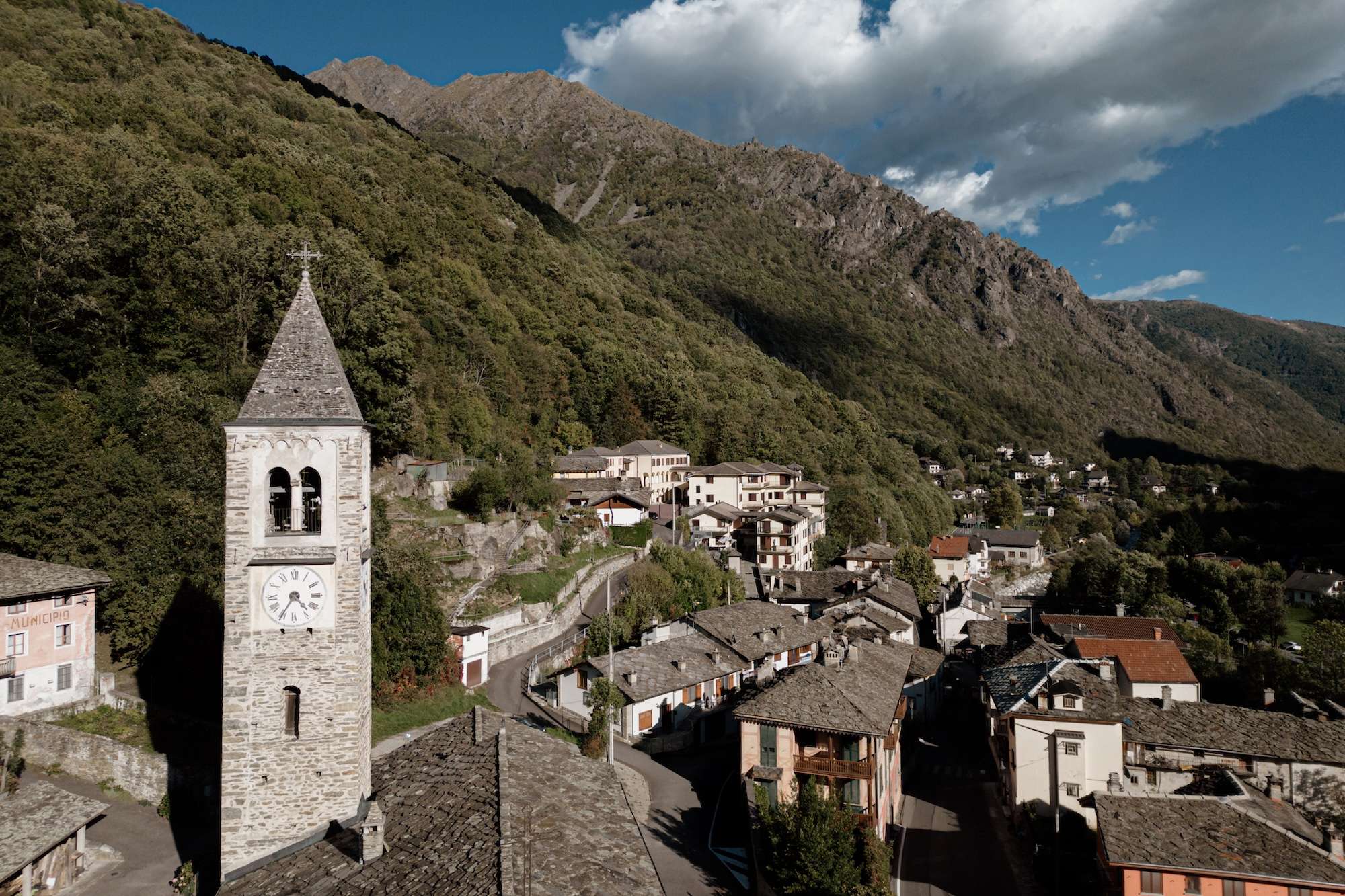
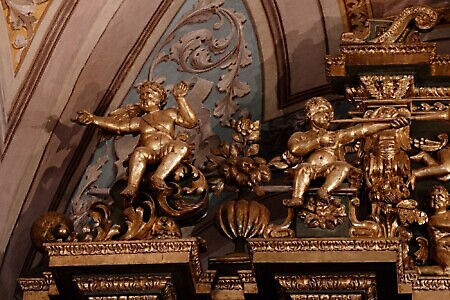
The high altar dedicated to Saints Philip and James features a Baroque style with carved wooden elements finished in gold. It includes four twisted columns with capitals and putti at the top of the antependium. The congregation sits in battalion pews aligned with the hall’s shape and size. To the left of the apse of the parish church, which is also dedicated to Saints Philip and James, stands an ancient bell tower from the 11th century. This Romanesque structure, a symbol of Chialamberto, has a commanding profile that dominates the village with its harmonious proportions. It hints at an earlier, now lost, place of worship. The tower reaches 28 metres including the spire, is square in plan, built of locally quarried stone that is roughly dressed and dry-assembled. It is accented with corner pilasters and divided into six levels by projecting stone string courses. Mullioned windows with small arches frame the belfry on all sides, with clock faces below, and the top is finished with a stone spire. Like most medieval bell towers, it served both to ring bells for religious services and as a civic signal for danger, assemblies, or curfew.
The Great Bell weighs 805 kg and measures 1.10 m in diameter at its base. It was recast in 1952 by Roberto Mazzola’s firm from Valduggia (Novara), arriving in Chialamberto that December. The bell symbolises a history not fully documented but intertwined with the building’s antiquity and the village’s central role.
On June 30, 2018, three new bells were installed, funded by the parish through a bequest from the late Guido Chino, a benefactor and military air force captain who died in 2017. The blessing ceremony was led by episcopal vicar Father Claudio Baima Rughet and parish priest Father Claudio Pavesio. The first bell is dedicated to the Madonna del Carmine of Ciavanis, the second to Saints Peter and Paul, and the third to St Joseph.
How to visit the site
The building is located in the centre of town, along the provincial road, atop a wide podium on the right, in Piazza Fratelli Chiariglione.
You might also like
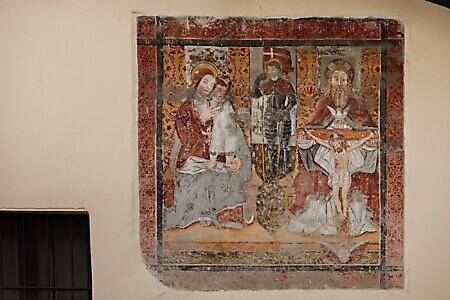
16th-Century Fresco by Oldrado Perini
Frazione Villar, 45ì (Ala di Stura)A fresco by Oldrado Perini from 1577 is on the outside wall of a private house. The roughly square painting,...
Chapel of San Biagio
Strada Provinciale 26 dell'Amiantifera (Balangero)The origins of the chapel are somewhat unclear. It is quite probable that it originally served as a watchtower to...

Chapel of San Giulio
Frazione Forno (Lemie)The Chapel of San Giulio is located in Forno, Lemie. Its name likely reflects the Valsesian roots of many locals...
Chapel of San Rocco
Piazza San Rocco, Monastero di Cafasse (Cafasse)The precise construction date is unknown, but written records indicate it was built in 1687 and likely constructed to fulfil...
Chapel of Sant’Anna
Via Roma 37 (Fiano)The building stands in isolation, with its façade facing east. The chapel is used for services on the feast of...
Chapel of Santa Maria della Stella (Truc di Miolà)
Borgata Truc di Miolà (La Cassa)The chapel features a rectangular layout divided into three bays. Its gabled façade is fully plastered and displays corner pilasters...
Chapel of the Blessed Virgin of Graces
Coassolo Torinese (Coassolo Torinese)According to tradition, on the rocky outcrop above the Tesso plain, where the steep path linking Coassolo and Monastero runs,...
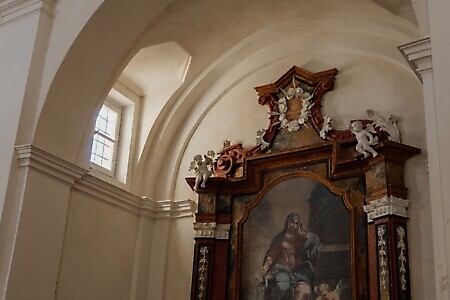
Chapel of the Holy Cross
Piazza della Chiesa, 4 (Corio)The building is open on three sides, with the north side adjacent to a private residence. Its façade faces northeast....
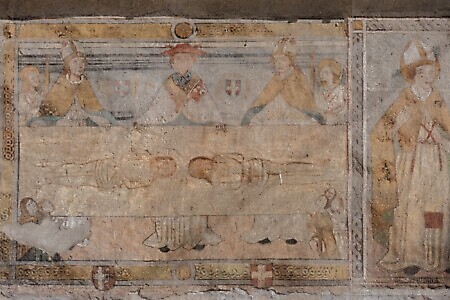
Chapel of the Holy Shroud at Voragno
Strada Provinciale 1 delle Valli di Lanzo, 64 (Ceres)In the Chapel of Saints Sebastian and Lawrence, several 16th-century frescoes depicting the Holy Shroud testify to its secret journey...
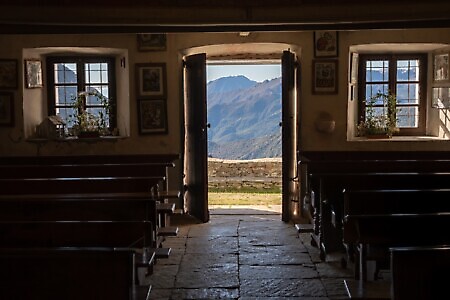
Chapel of the Madonna del Carmine at Ciavanis
Cappella della Madonna del Carmine al Ciavanis (Chialamberto)Dedicated to the Madonna del Carmine, the chapel stands at 1,874 m above sea level on a grassy terrace above...
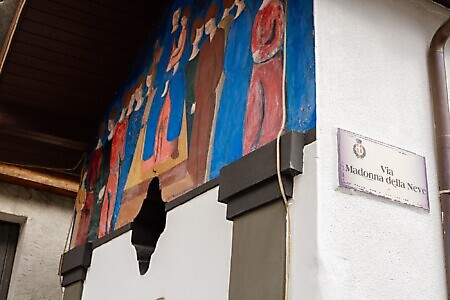
Chapel of the Madonna della Neve
Piazza Schiari (Viù)The Chapel of the Madonna della Neve, located at the village’s centre, serves as the focal point of Pascheretto, one...
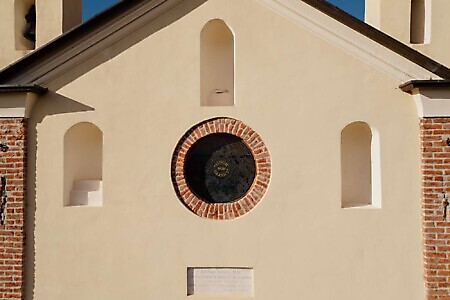
Church of Maria Ausiliatrice
Frazione Santa Maria (Givoletto)The chapel has a single-hall rectangular plan, covered by a pitched timber ceiling with exposed trusses. The chapel’s interior features...
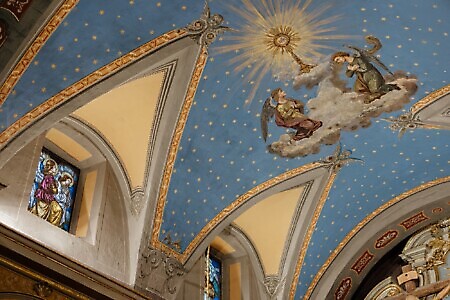
Church of Saints Peter and Paul
Via della Chiesa (Cantoira)In Foieri, visitors can explore the Saints Peter and Paul parish complex, which uniquely combines two churches, one Romanesque and...
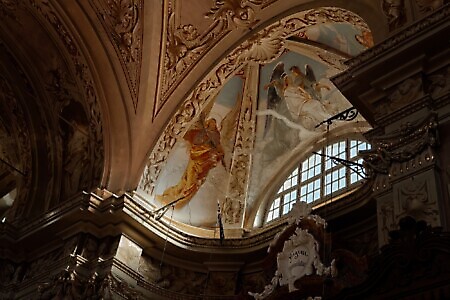
Church of San Genesio Martire
Piazza della Chiesa 2 (Corio)The church features a rectangular single nave divided into three bays with groined barrel vaults, ending in a semicircular apse...
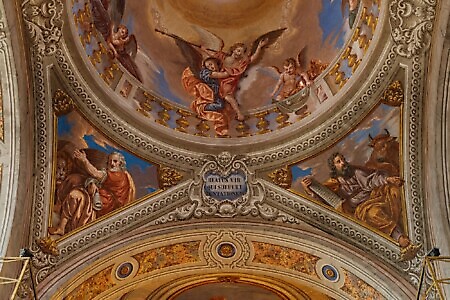
Church of San Giacomo at Gisola
Frazione Gisola, 28 (Pessinetto)The Parish Church of Gisola, dedicated to the Apostle St James the Great, is believed to be the oldest in...
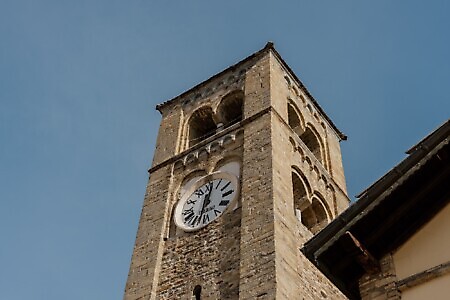
Church of Sant’Anastasia and Romanesque Bell Tower
Monastero di Lanzo (Monastero di Lanzo)The church’s origins stretch back to the 12th century when Benedictine monks, likely alongside a chapel, built the Romanesque bell...
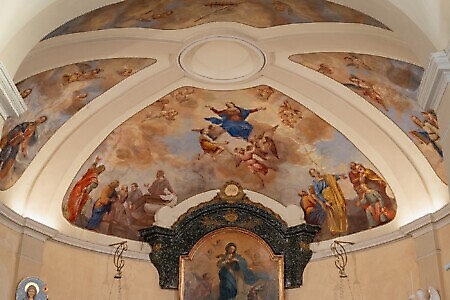
Church of Sant’Egidio
Borgata Chiesa 3 (Rubiana)The Parish Church of Sant’Egidio, located in the Piano district, was reconstructed in 1607 by expanding the original 16th-century structure,...
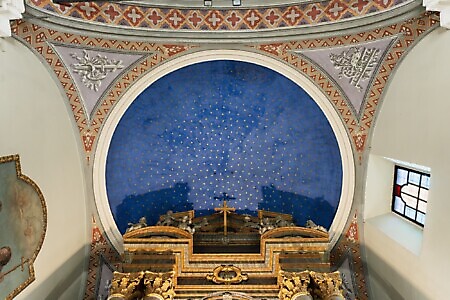
Church of Santa Croce
Via Roma s.n.c. (Lanzo Torinese)The church, originally located outside the town, was dedicated to the Holy Apostles James and Philip. Since the early 14th...
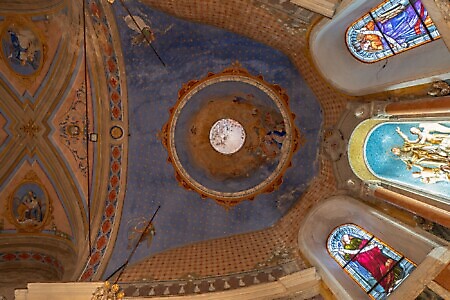
Church of Santa Maria del Borgo
Via San Giovanni Bosco, 29 (Lanzo Torinese)Always dedicated to the Madonna, albeit under different names, the church is situated halfway along the old Contrada del Borgo...
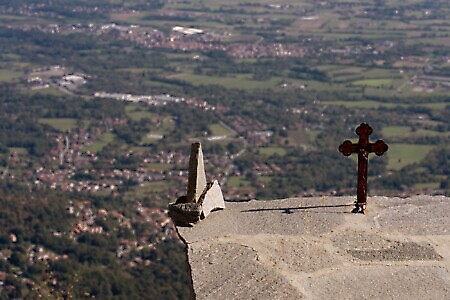
Church of the Madonna della Neve
Givoletto (Givoletto)The Chapel of the Madonna della Neve was built in 1855 on Monte Sap (at 1,215 m above sea level)....
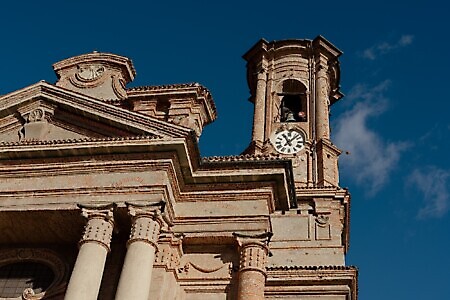
Parish Church of San Giacomo Maggiore
Via Chiesa, Balangero (TO) (Balangero)The Baroque parish church of San Giacomo, set in an elevated position overlooking the village, has become the symbol of...
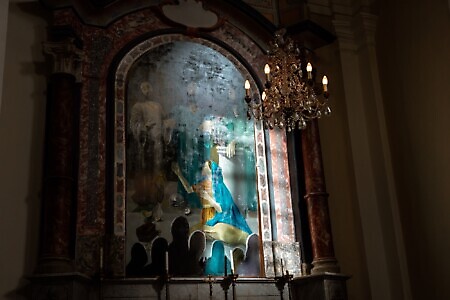
Parish Church of San Nicola and Santa Marta
Via Don Giocondo Cabodi, 5 (Varisella)The parish church, dedicated to San Nicola, while Santa Marta is the patron saint of the village, can claim very...
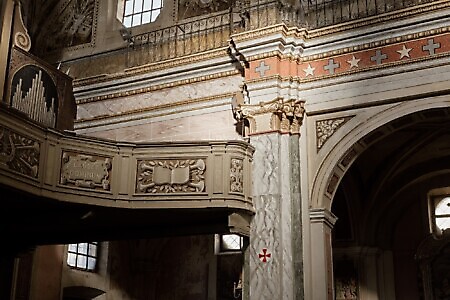
Parish Church of San Nicolao
Piazza Capoluogo, 197 (Coassolo Torinese)The church is situated on an old cemetery that also included part of what is now the square. The existing...
Parish Church of San Pietro in Vincoli
Piazza Albert 11 (Lanzo Torinese)The origins of the parish church of Lanzo are believed to be very ancient. In 1545, Gian Giacomo Medici, Lord...
Parish Church of San Secondo Martire and the Remains of Maria Orsola Bussone
Piazza San Secondo (Vallo Torinese)The parish church, designed in the Baroque style, is dedicated to the patron saint San Secondo. Inside, it features a...