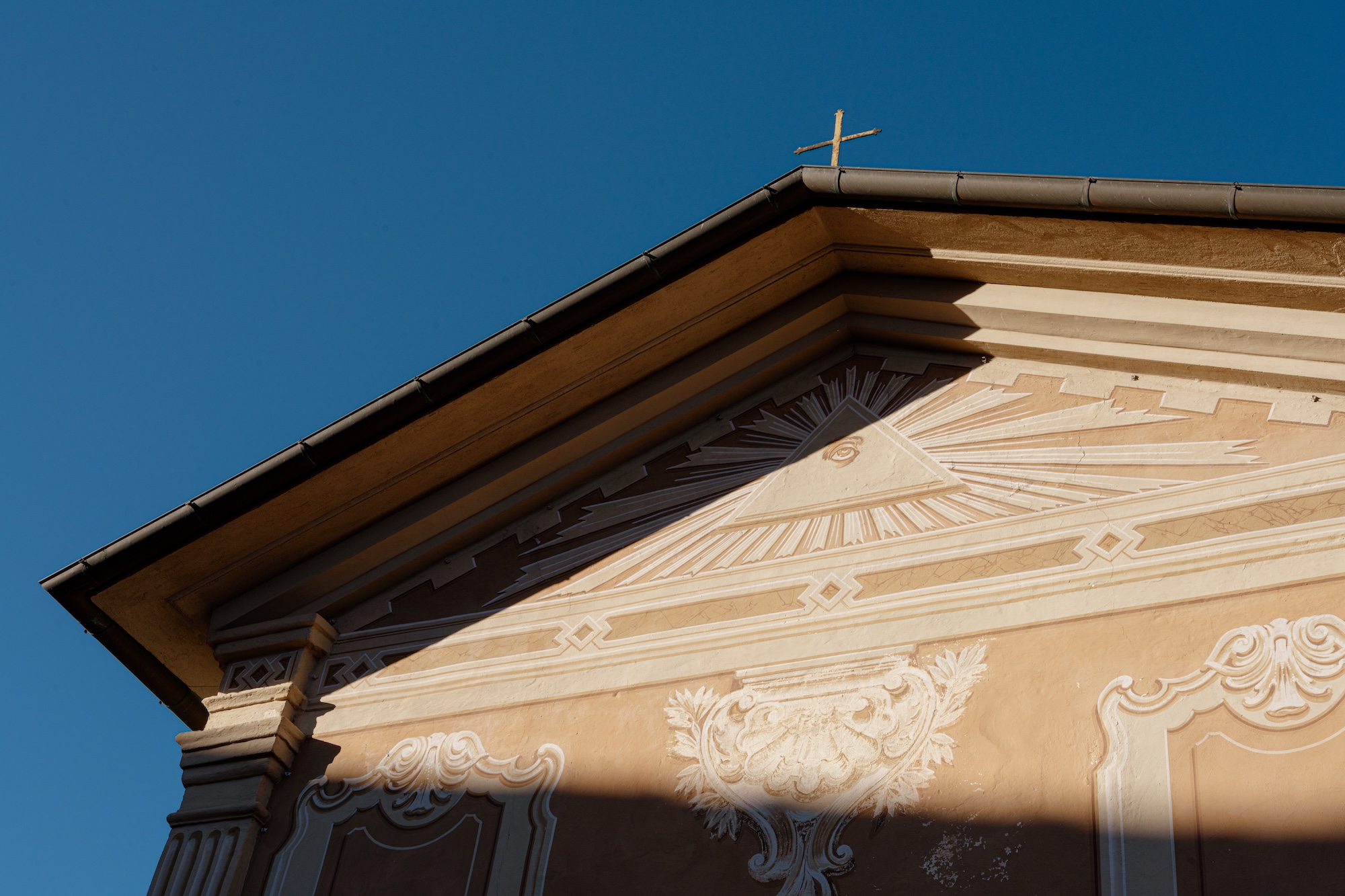

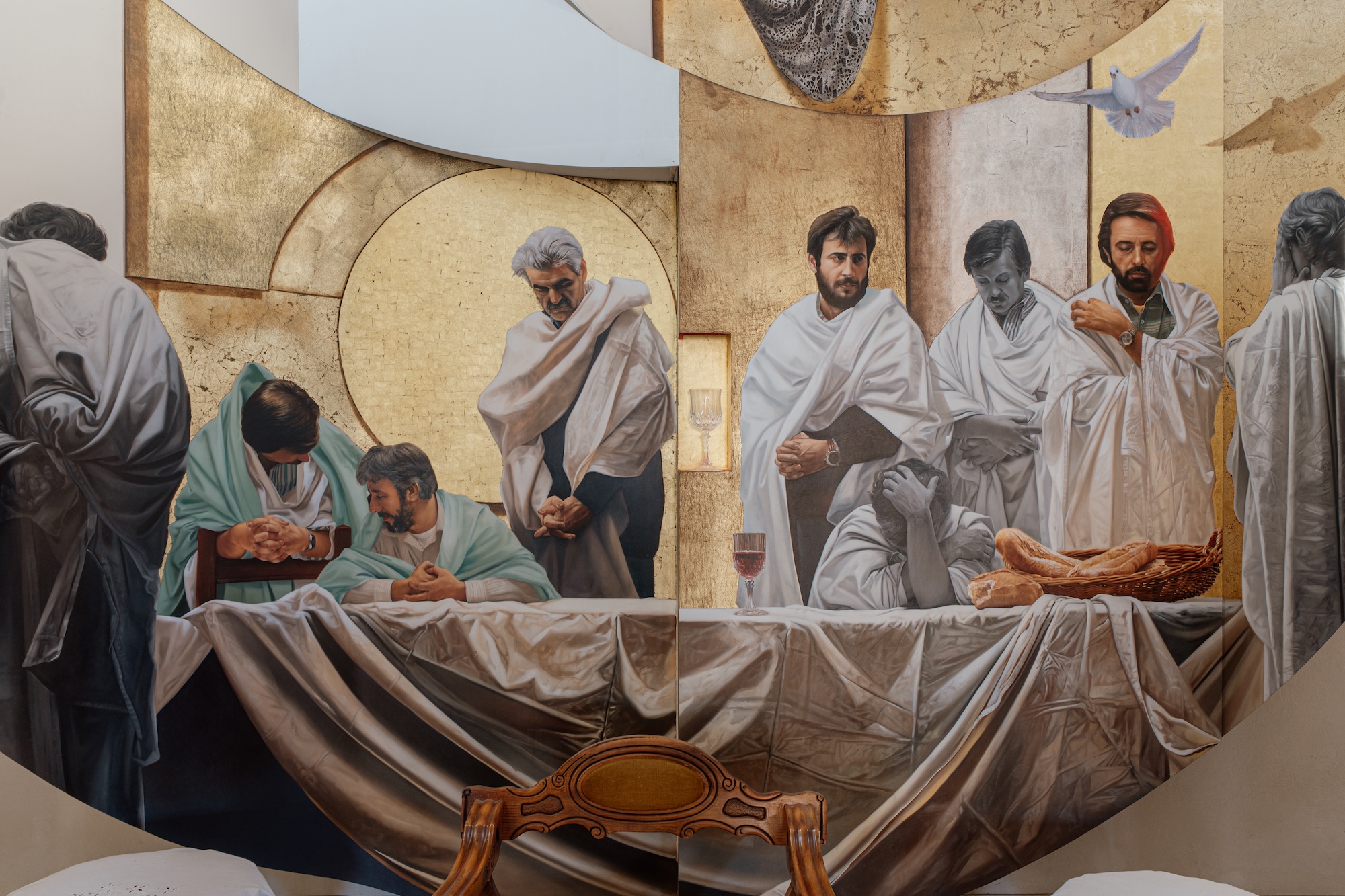
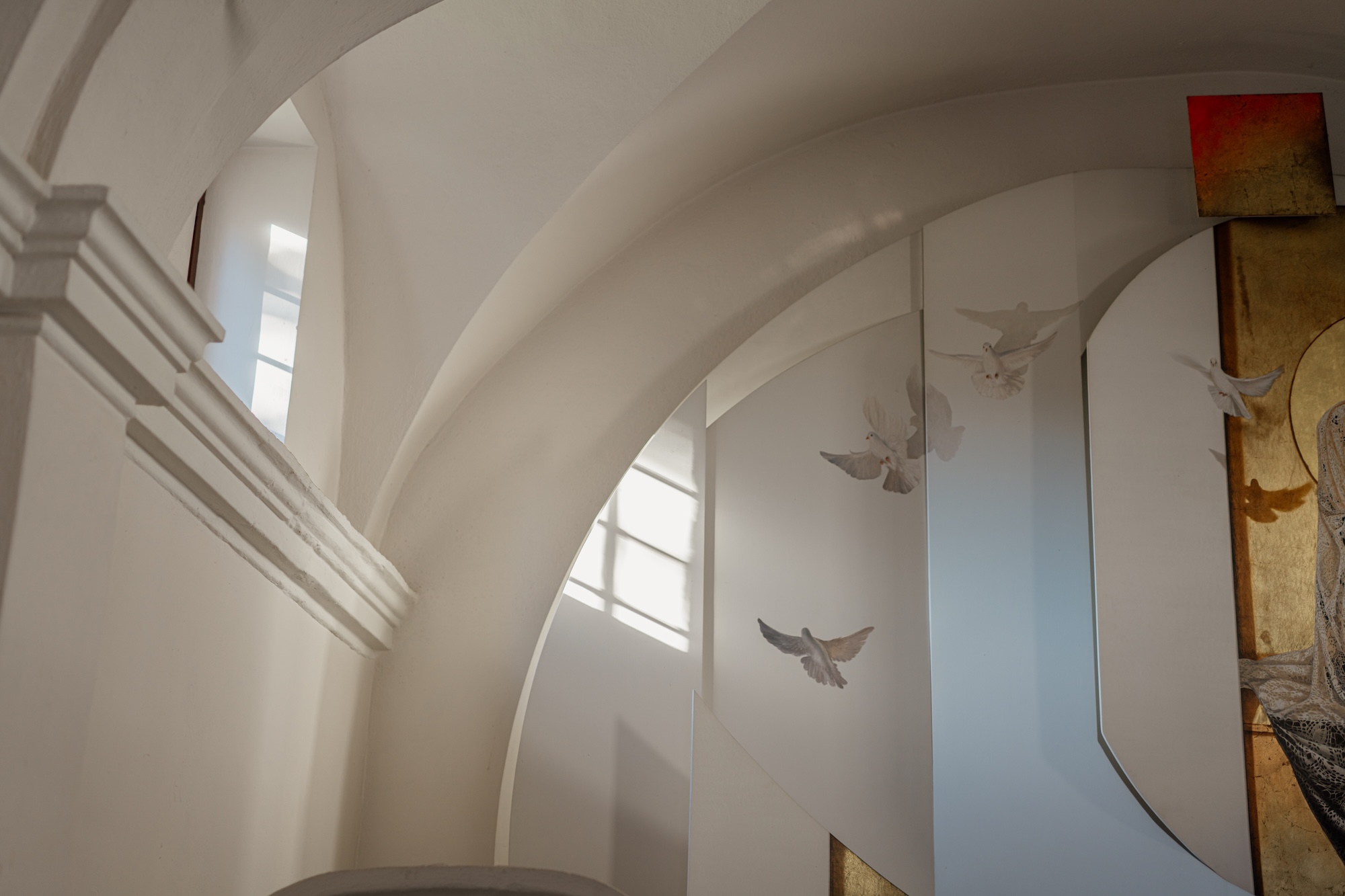
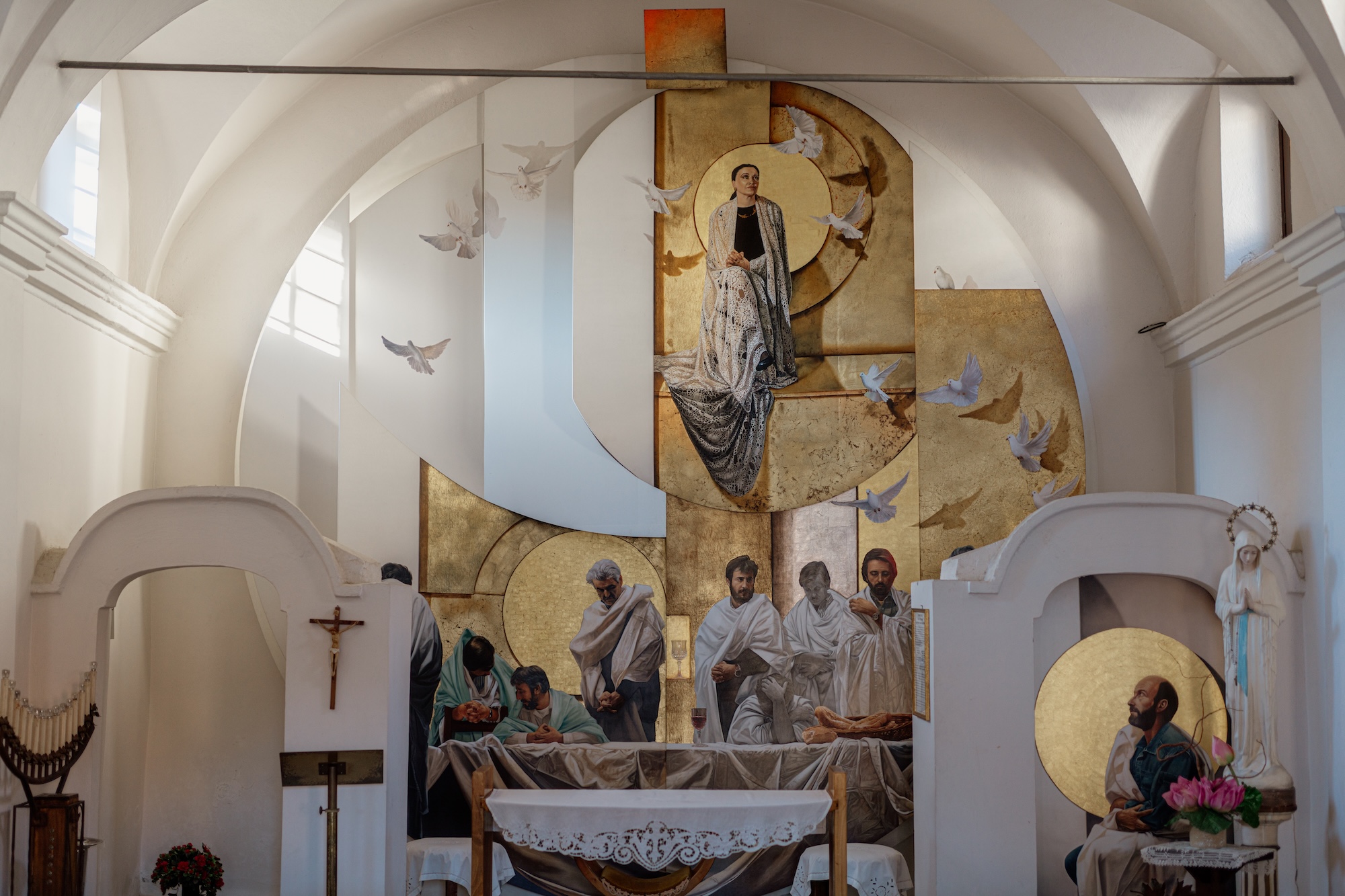
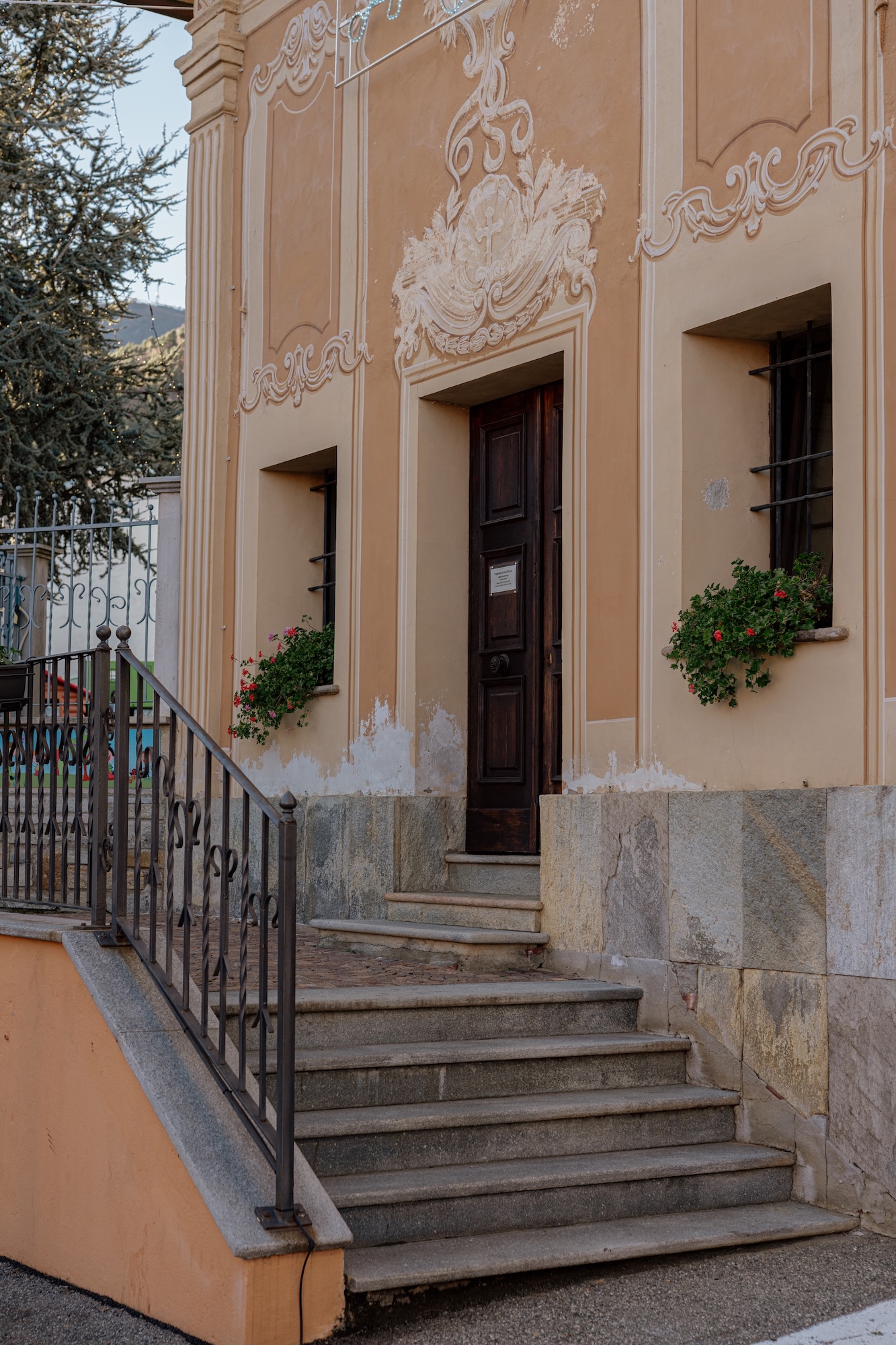
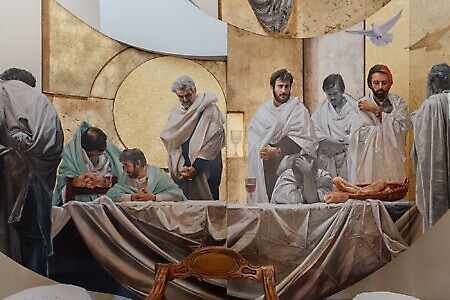
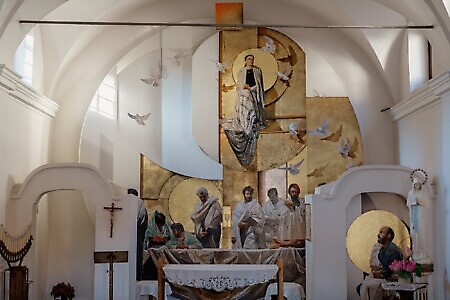
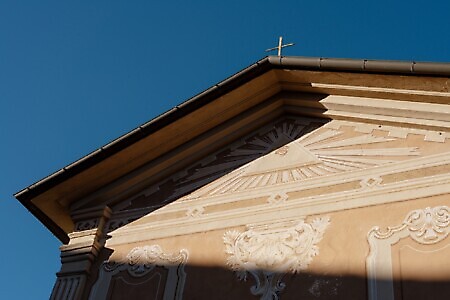
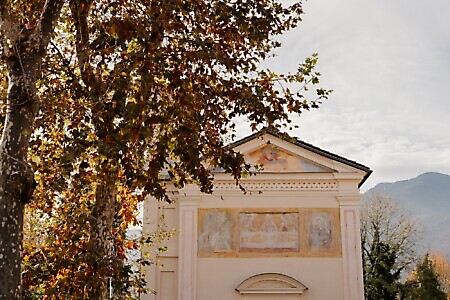
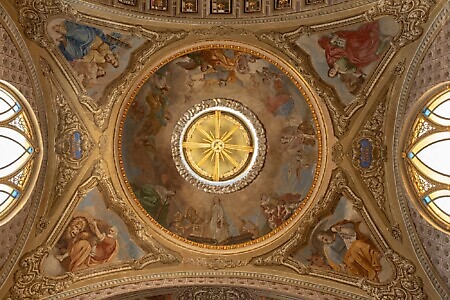
Constructed as a gesture of gratitude for the conclusion of the devastating 17th-century plagues, this chapel features a symbol of divine power painted on its pediment. Inside, attention is drawn to the large altarpiece depicting Pentecost, a gift from the local artist Dovilio Brero.
Site overview
The precise construction date is unknown, but written records indicate it was built in 1687 and likely constructed to fulfil a vow made to San Rocco during the plague years of 1629–1632. The chapel was built by the inhabitants of Monasterolo, who still maintain it today.
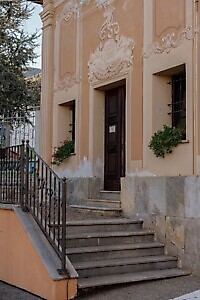
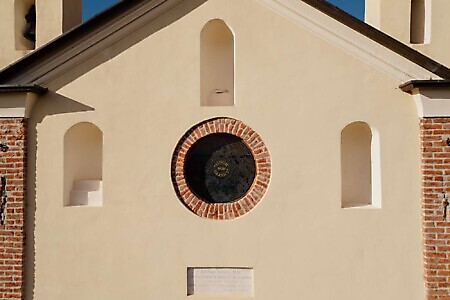
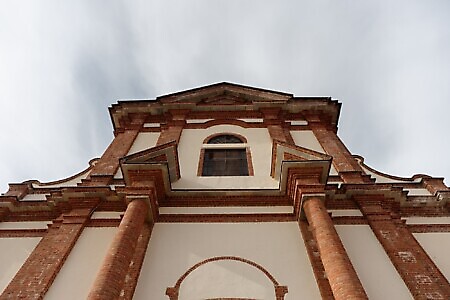
The chapel was partly reconstructed in 1809, restored in 1892, and again in the 20th century. It has a rectangular layout with a single nave. The façade displays three stacked orders with a pediment at the top.
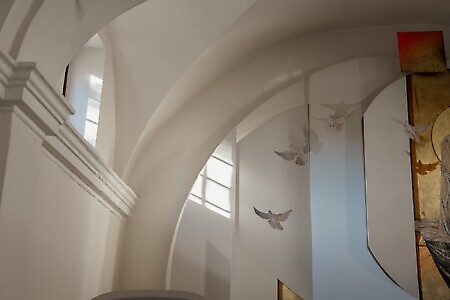
The exterior frescoes depict cartouches, while the pediment features a radiant triangle containing an eye, a symbol of divine power. In 1991, the Monasterolo-born painter Dovilio Brero presented the community with an altarpiece that covers an entire interior wall of the chapel, depicting the Pentecost. The bell tower, a sturdy square brick tower, does not stand beside the chapel but in a small lane in the hamlet of Piedimezzo.
The bell tower contains two bells: the larger one is named “Assunta” and the smaller one is called “Maria”.
How to visit the site
The chapel is located on the square that shares its name, in the heart of the hamlet of Monasterolo di Cafasse. Its south-facing façade stands isolated from the surrounding buildings, elevated above the square level and accessible via a small staircase in Piazza San Rocco, Monasterolo di Cafasse (TO).
You might also like
16th-Century Fresco by Oldrado Perini
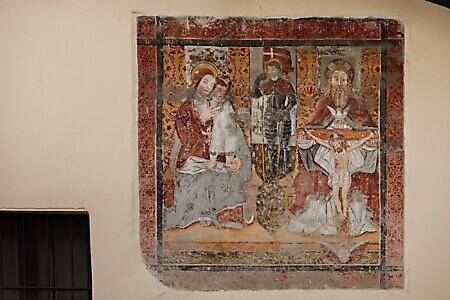
Frazione Villar, 45ì (Ala di Stura)A fresco by Oldrado Perini from 1577 is on the outside wall of a private house. The roughly square painting,...
Chapel of San Biagio
Strada Provinciale 26 dell'Amiantifera (Balangero)The origins of the chapel are somewhat unclear. It is quite probable that it originally served as a watchtower to...

Chapel of San Giulio
Frazione Forno (Lemie)The Chapel of San Giulio is located in Forno, Lemie. Its name likely reflects the Valsesian roots of many locals...
Chapel of Sant’Anna
Via Roma 37 (Fiano)The building stands in isolation, with its façade facing east. The chapel is used for services on the feast of...
Chapel of Santa Maria della Stella (Truc di Miolà)
Borgata Truc di Miolà (La Cassa)The chapel features a rectangular layout divided into three bays. Its gabled façade is fully plastered and displays corner pilasters...
Chapel of the Blessed Virgin of Graces
Coassolo Torinese (Coassolo Torinese)According to tradition, on the rocky outcrop above the Tesso plain, where the steep path linking Coassolo and Monastero runs,...
Chapel of the Holy Cross
Piazza della Chiesa, 4 (Corio)The building is open on three sides, with the north side adjacent to a private residence. Its façade faces northeast....
Chapel of the Holy Shroud at Voragno
Strada Provinciale 1 delle Valli di Lanzo, 64 (Ceres)In the Chapel of Saints Sebastian and Lawrence, several 16th-century frescoes depicting the Holy Shroud testify to its secret journey...
Chapel of the Madonna del Carmine at Ciavanis
Cappella della Madonna del Carmine al Ciavanis (Chialamberto)Dedicated to the Madonna del Carmine, the chapel stands at 1,874 m above sea level on a grassy terrace above...
Chapel of the Madonna della Neve
Piazza Schiari (Viù)The Chapel of the Madonna della Neve, located at the village’s centre, serves as the focal point of Pascheretto, one...
Church of Maria Ausiliatrice
Frazione Santa Maria (Givoletto)The chapel has a single-hall rectangular plan, covered by a pitched timber ceiling with exposed trusses. The chapel’s interior features...
Church of Saints Peter and Paul
Via della Chiesa (Cantoira)In Foieri, visitors can explore the Saints Peter and Paul parish complex, which uniquely combines two churches, one Romanesque and...
Church of Saints Philip and James, and Bell Tower
Piazza Fratelli Chiariglione (Chialamberto)The building is located in the centre of town, along the provincial road, positioned above a wide podium on the...
Church of San Genesio Martire
Piazza della Chiesa 2 (Corio)The church features a rectangular single nave divided into three bays with groined barrel vaults, ending in a semicircular apse...
Church of San Giacomo at Gisola
Frazione Gisola, 28 (Pessinetto)The Parish Church of Gisola, dedicated to the Apostle St James the Great, is believed to be the oldest in...
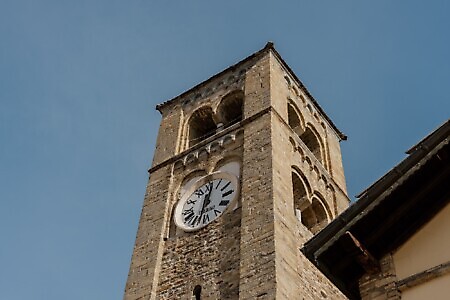
Church of Sant’Anastasia and Romanesque Bell Tower
Monastero di Lanzo (Monastero di Lanzo)The church’s origins stretch back to the 12th century when Benedictine monks, likely alongside a chapel, built the Romanesque bell...
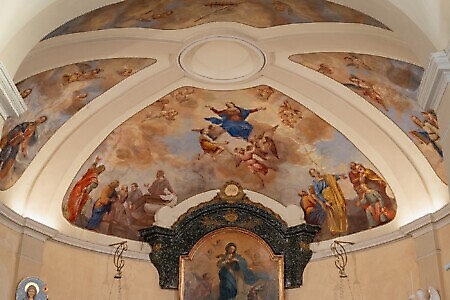
Church of Sant’Egidio
Borgata Chiesa 3 (Rubiana)The Parish Church of Sant’Egidio, located in the Piano district, was reconstructed in 1607 by expanding the original 16th-century structure,...
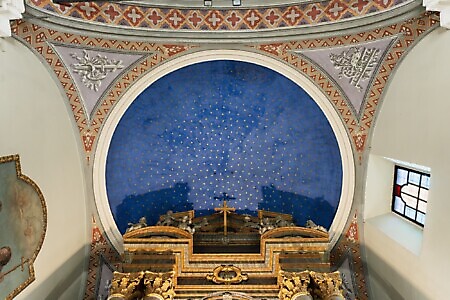
Church of Santa Croce
Via Roma s.n.c. (Lanzo Torinese)The church, originally located outside the town, was dedicated to the Holy Apostles James and Philip. Since the early 14th...
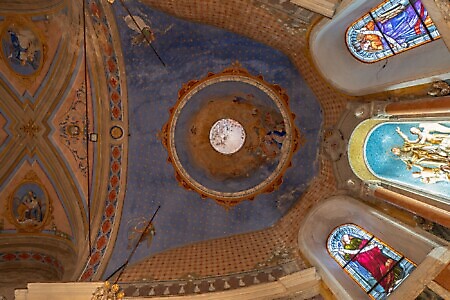
Church of Santa Maria del Borgo
Via San Giovanni Bosco, 29 (Lanzo Torinese)Always dedicated to the Madonna, albeit under different names, the church is situated halfway along the old Contrada del Borgo...
Church of the Madonna della Neve
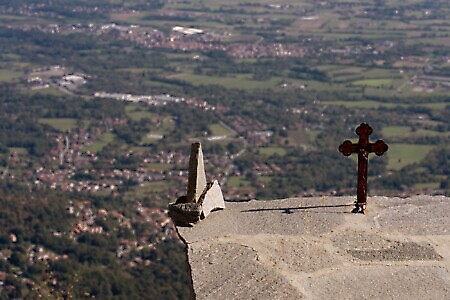
Givoletto (Givoletto)The Chapel of the Madonna della Neve was built in 1855 on Monte Sap (at 1,215 m above sea level)....
Parish Church of San Giacomo Maggiore
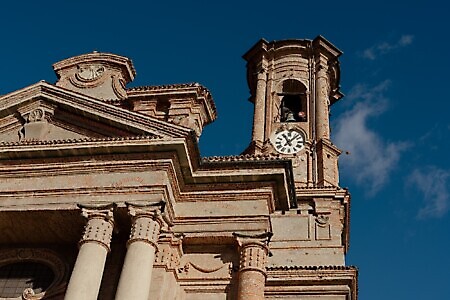
Via Chiesa, Balangero (TO) (Balangero)The Baroque parish church of San Giacomo, set in an elevated position overlooking the village, has become the symbol of...
Parish Church of San Nicola and Santa Marta
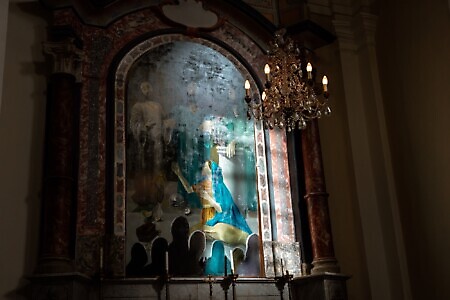
Via Don Giocondo Cabodi, 5 (Varisella)The parish church, dedicated to San Nicola, while Santa Marta is the patron saint of the village, can claim very...
Parish Church of San Nicolao
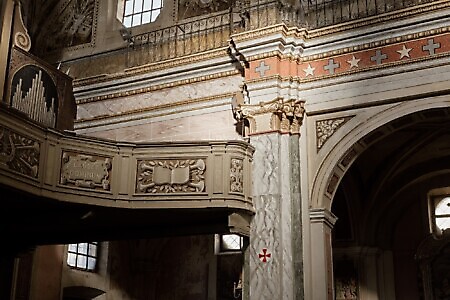
Piazza Capoluogo, 197 (Coassolo Torinese)The church is situated on an old cemetery that also included part of what is now the square. The existing...
Parish Church of San Pietro in Vincoli
Piazza Albert 11 (Lanzo Torinese)The origins of the parish church of Lanzo are believed to be very ancient. In 1545, Gian Giacomo Medici, Lord...
Parish Church of San Secondo Martire and the Remains of Maria Orsola Bussone
Piazza San Secondo (Vallo Torinese)The parish church, designed in the Baroque style, is dedicated to the patron saint San Secondo. Inside, it features a...