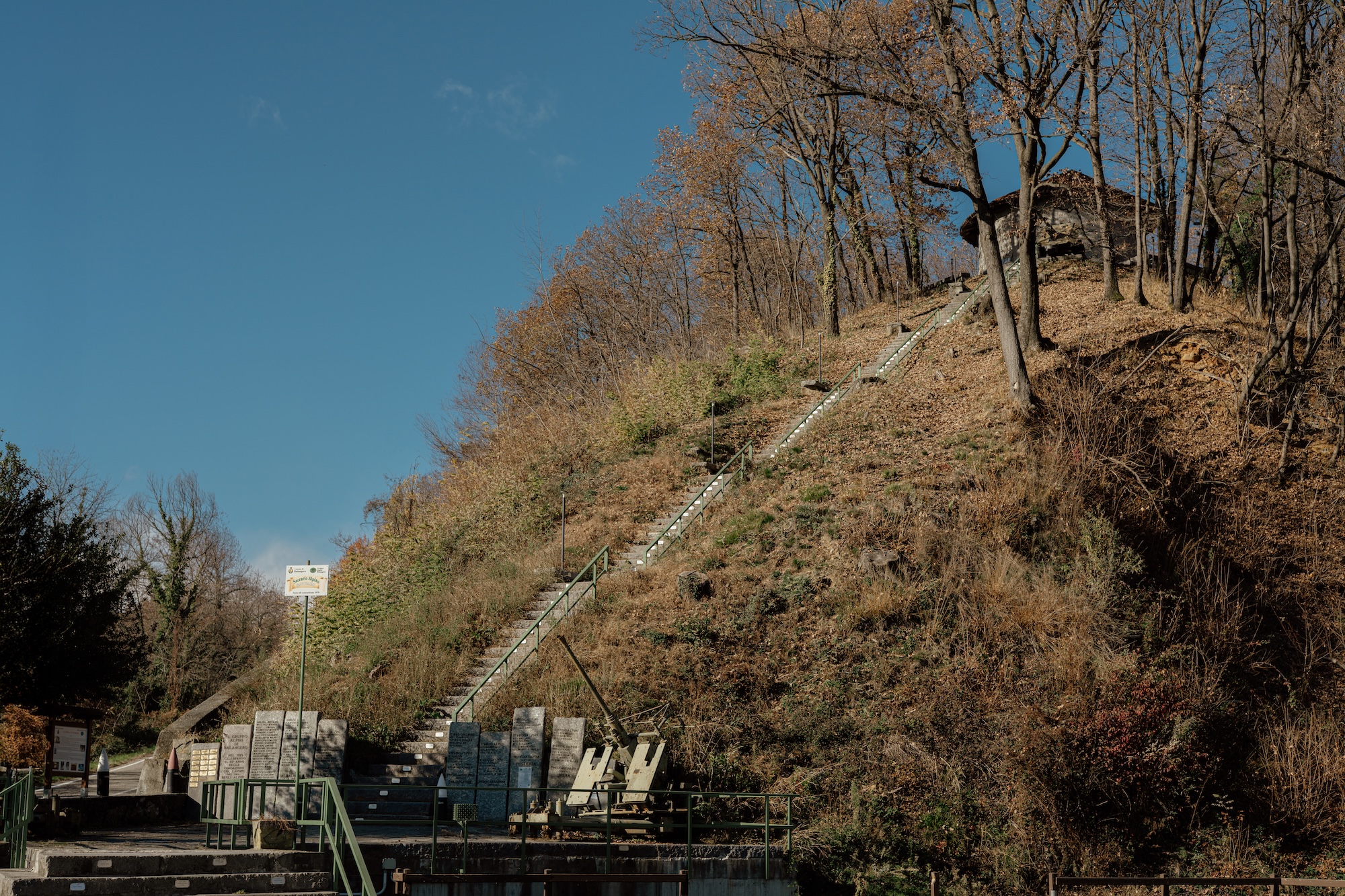

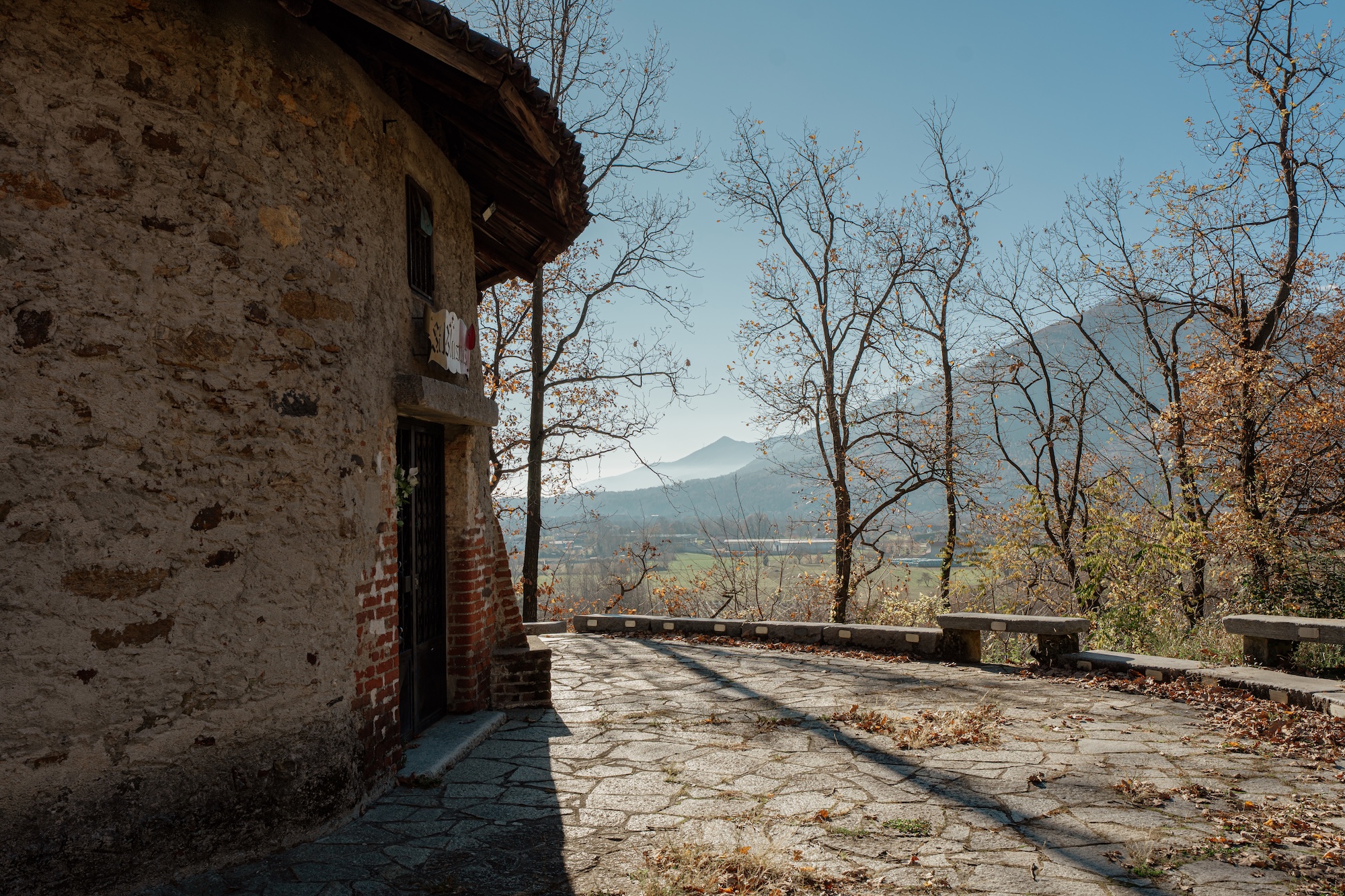
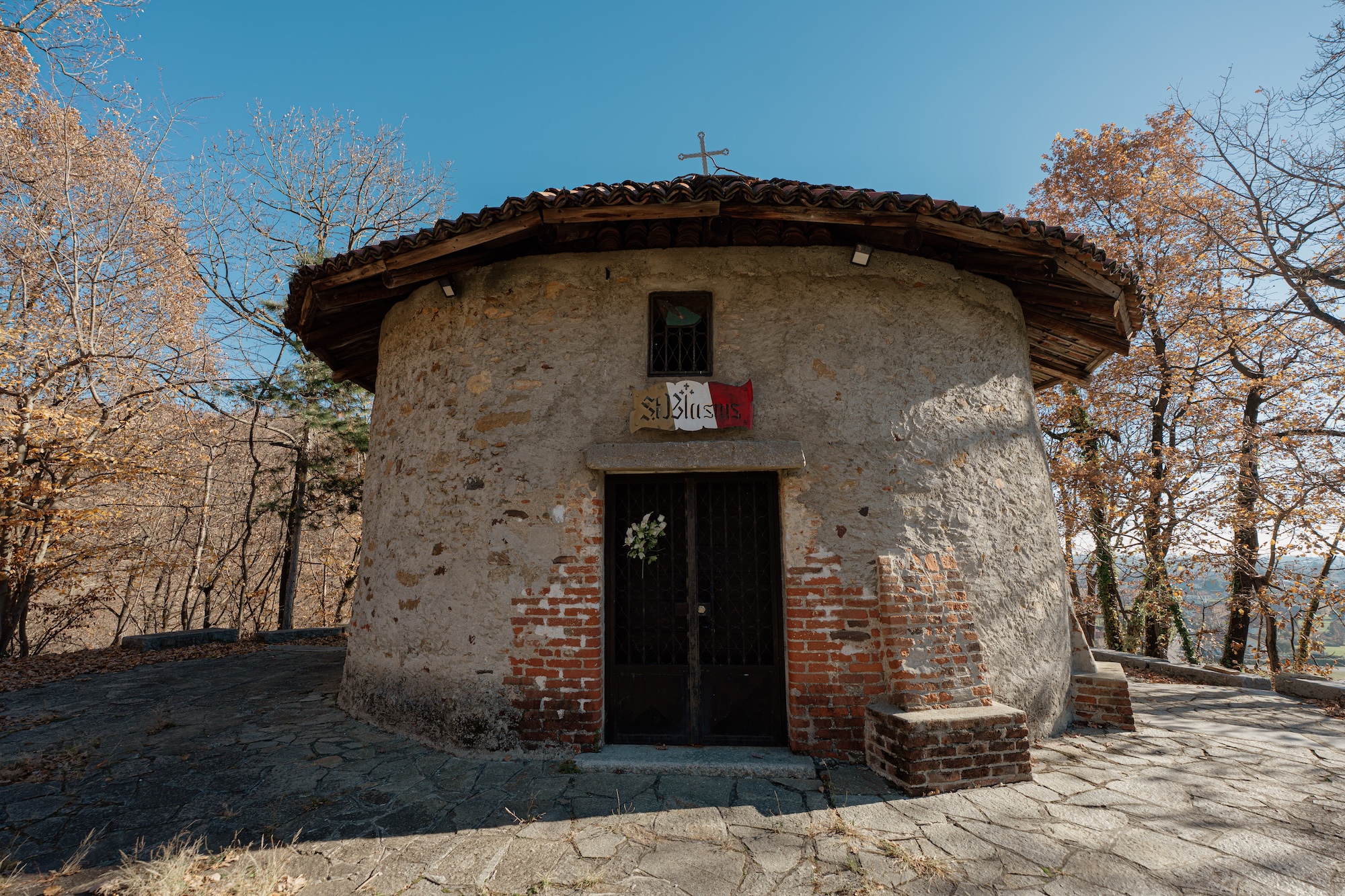
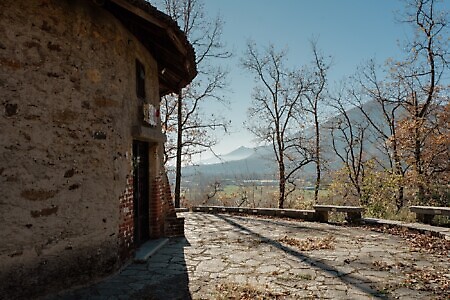
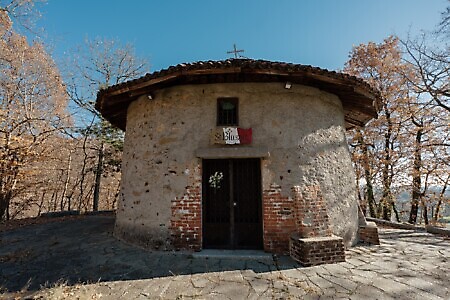
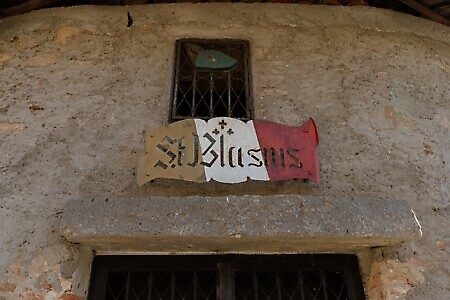
Originally built in the Middle Ages as a round tower for observing the horizon, it has now been transformed into a poignant shrine by the Alpini. It greets visitors with its distinctive shape and stunning views that extend between Balangero and Lanzo. This is a place where historical silence converges with mountain tranquillity.
Site overview
The origins of the chapel are somewhat unclear. It is quite probable that it originally served as a watchtower to defend the castle, which, despite its high position, had part of its view obstructed by the vineyard hills.
In the 1921 publication Un inventario medioevale e notizie di un castello scomparso (Balangero Torinese) (A Medieval Inventory and Records of a Lost Castle, Balangero Torinese) by Don Costantino Rosa Brusin and Don Cino Borghezio, the following is noted about the castle: “Other towers certainly existed, and one outside the castle enclosure is mentioned in roll II of the castellany of Balangero (1347).”
This theory is further supported by the building’s unique circular shape and a single small window facing southeast. Additionally, it is not listed among the parishes and churches that paid the cattedratico (cathedral tax) to the Bishop of Turin.
In 1386, Balangero had only two recorded churches: “Ecclesia Sancti Iacobi de Bellengerio” and “Ecclesia Sancti Victoris de Bellengerio.” By the late 16th century, the castle ceased to function as a fortress, likely paving the way for the small building’s transformation into a devotional chapel. Nonetheless, its origins remain uncertain due to the absence of written records, possibly destroyed in 1708 during the French siege when the village was attacked. The historical archive, then kept in the Church of San Rocco, was burned in that event with great disregard.
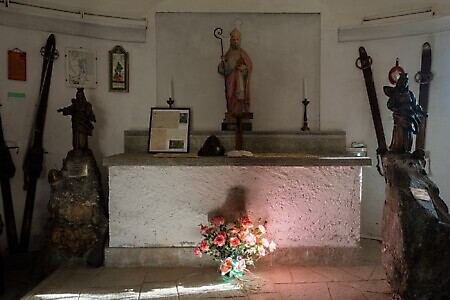
The first document mentioning the Chapel of San Biagio dates from 1594 and is the report of the pastoral visit by the Archbishop of Turin, Monsignor Carlo Broglio. A far more detailed description comes from 1771, during another pastoral visit by Archbishop Francesco Rorengo di Rorà: “This Chapel is built on the hillside between Balangero and Lanzo, in the locality known as San Biagio, vaulted, whitewashed, spherical in form with a bitumen floor, though worn in places. Its door closes very well. It has a single wooden window fitted with a grille. The exterior walls are damaged down to the foundations, with very large openings visible; shrubs grow all around. Above the door a window opens, giving access to the vault. The altar is set against the wall. It is of masonry. On it is placed a panel bearing the chapel’s dedication. But it is torn in places. Furthermore, it lacks any ornament. It is, as a work, entrusted to the Parish Church. (…)”
The building was in poor condition, so much so that the Archbishop ordered: “The altar icon, somewhat damaged, shall be repaired within the year, under penalty of interdict of the said altar. The exterior walls of the Chapel, damaged almost to the foundations, shall be repaired within six months, and the large holes open on the outside shall be sealed within the same period. (…)”
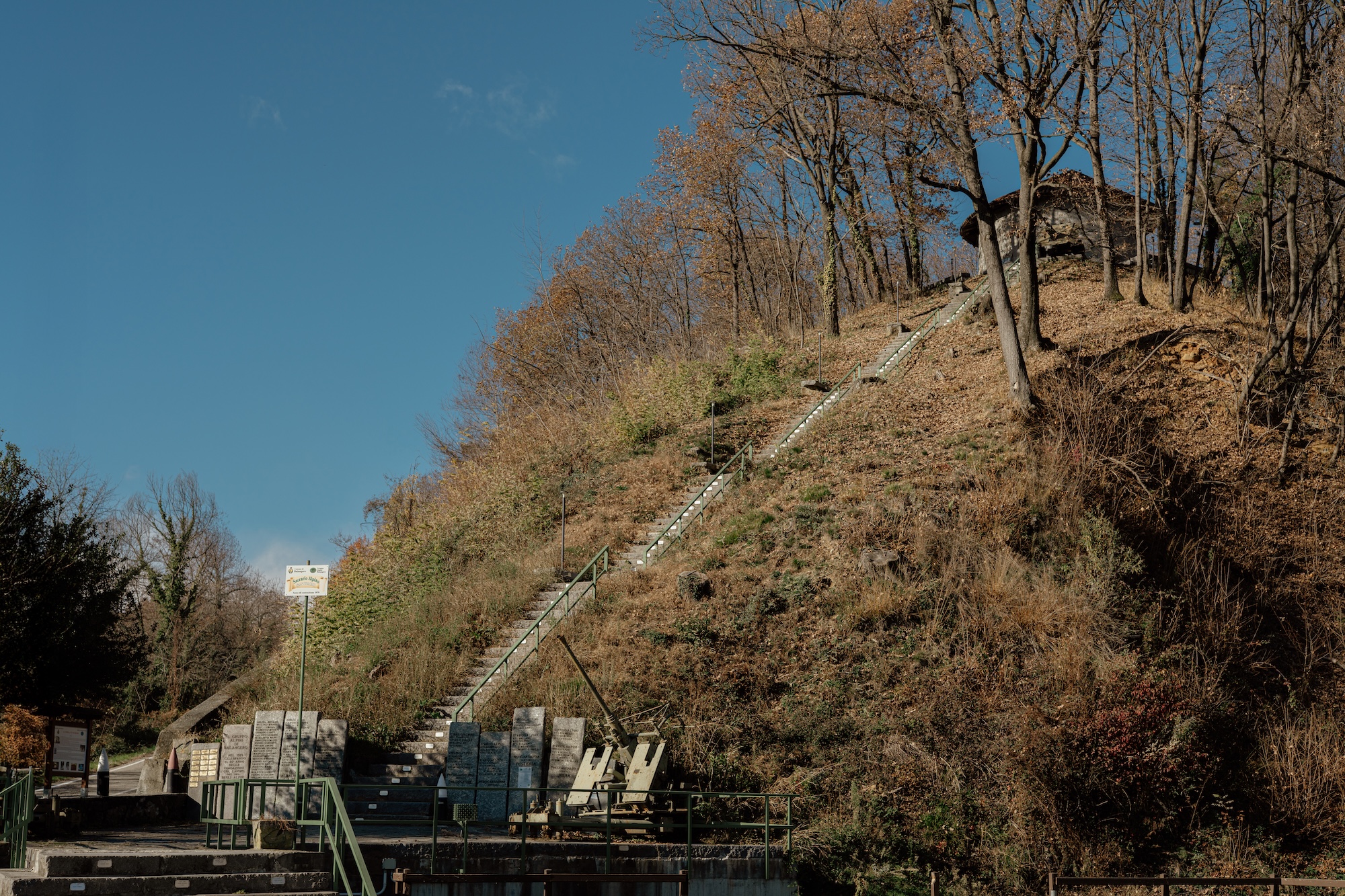
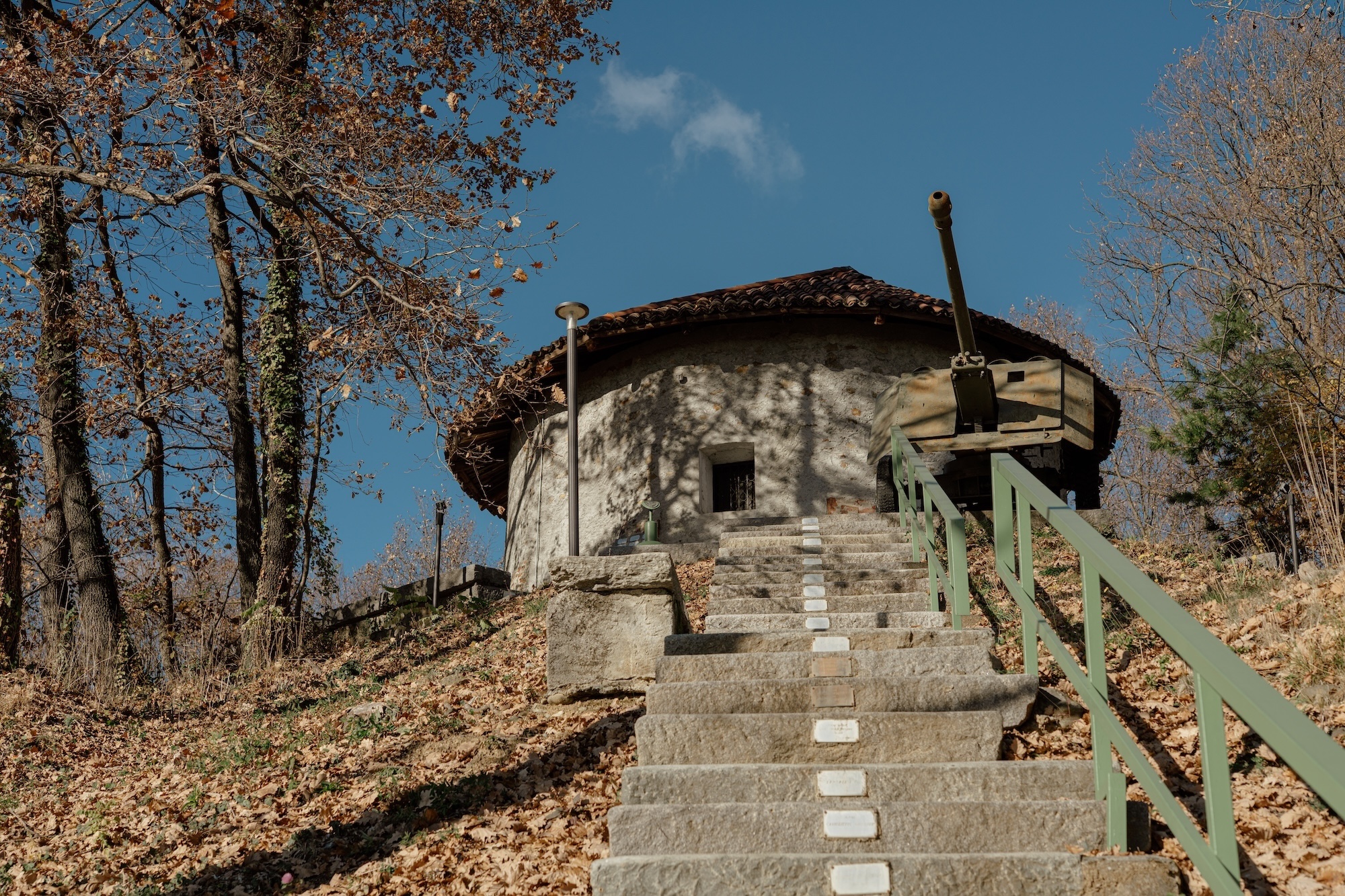
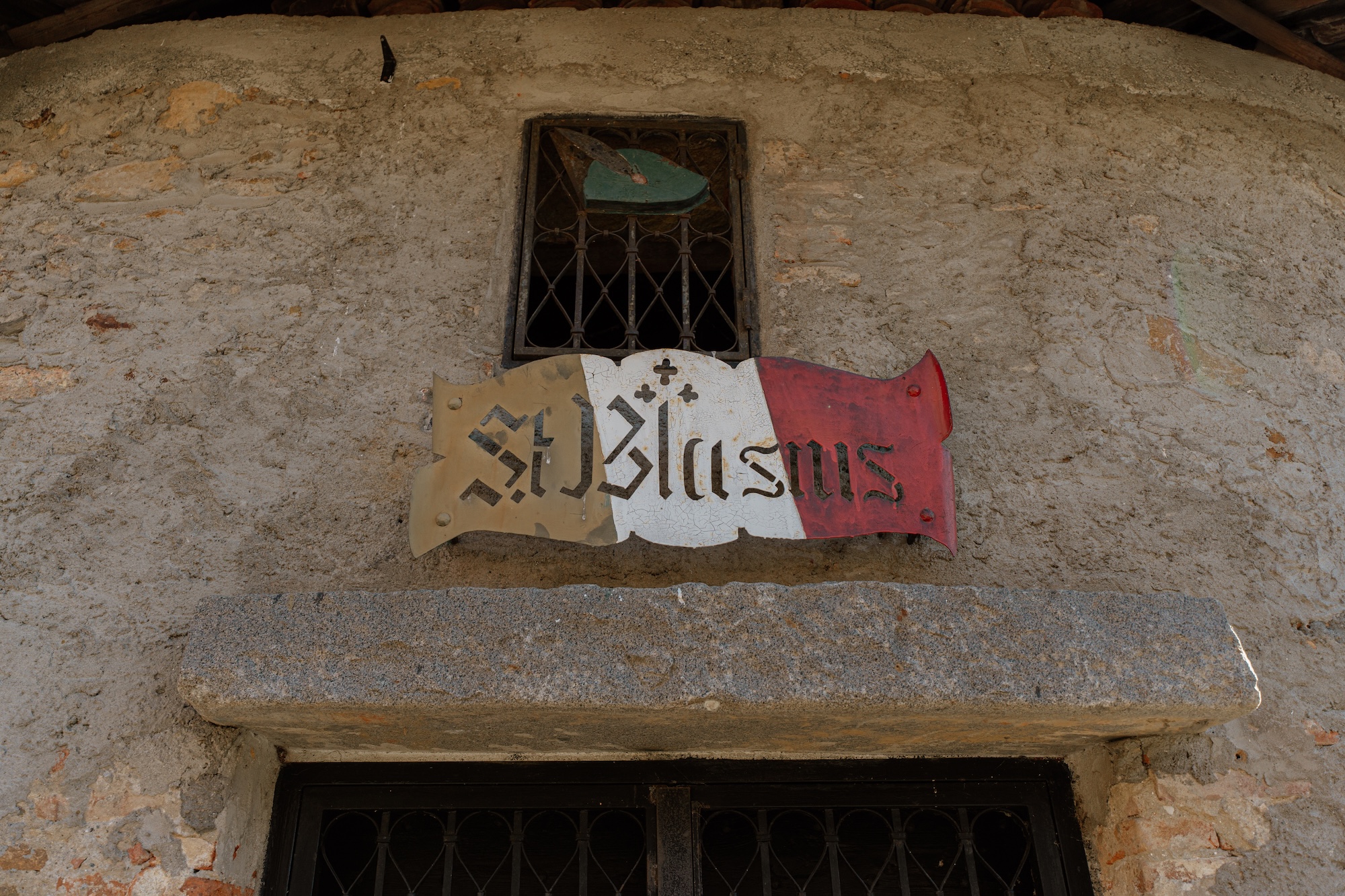
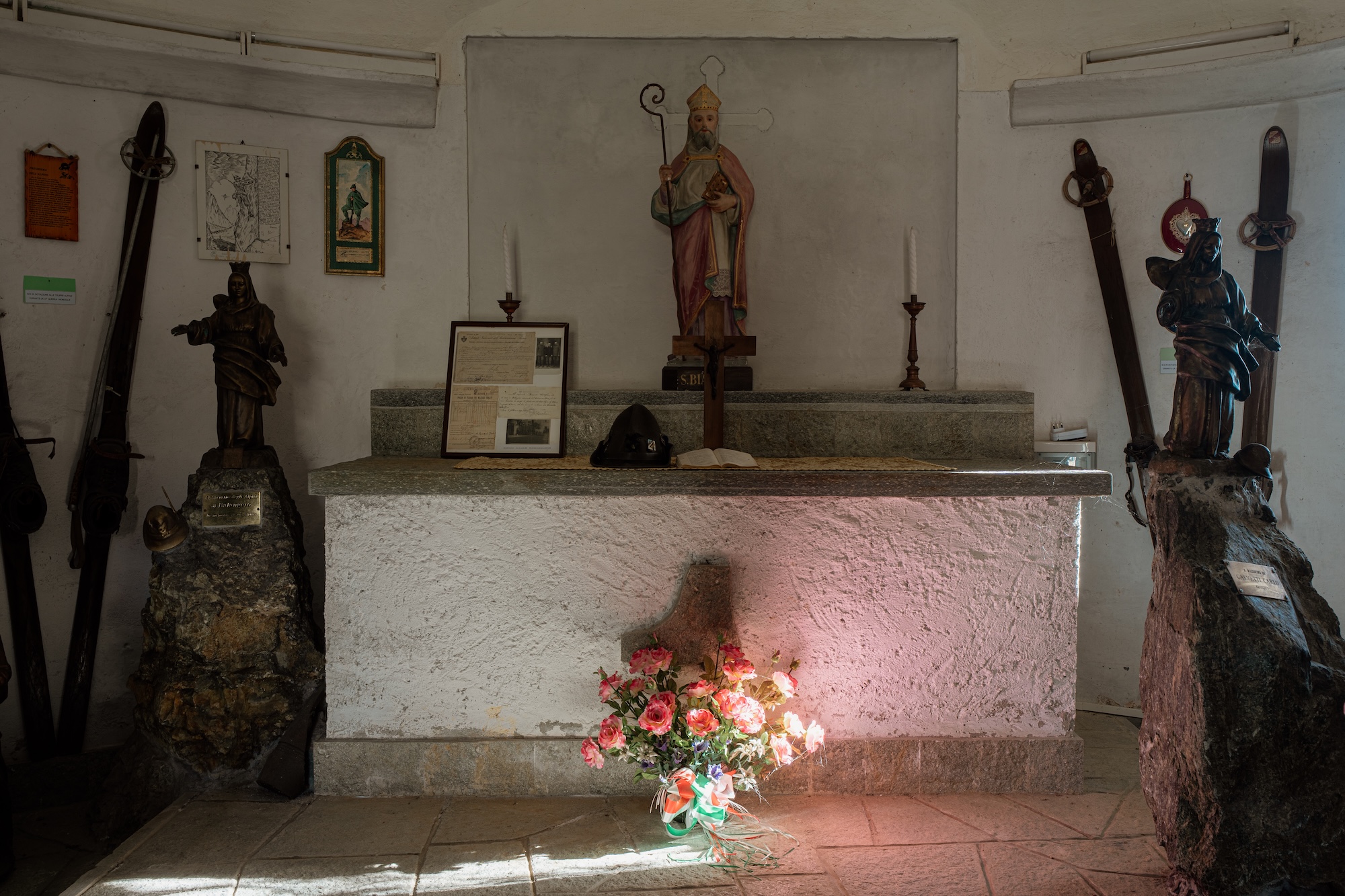
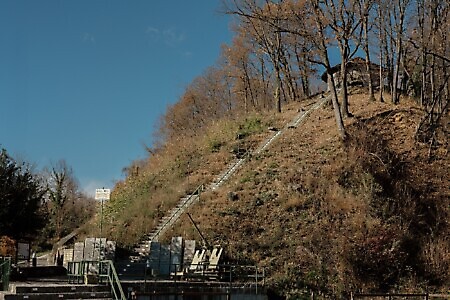
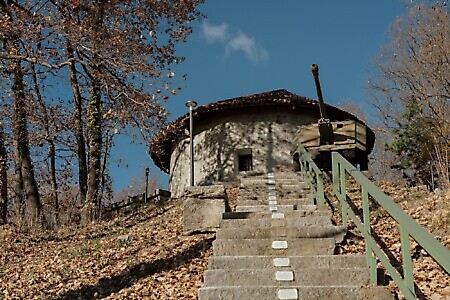
In more recent times, the chapel’s upkeep was managed for many years by Giovanni Calvetti Bias, a First World War veteran; the wooden door decorated with large studs is his work. The Calvetti Bias family and other families from the Lanzo Valleys organised the feast of San Biagio on 3 February. By the end of the 1950s, the tradition had been lost. In 1978–79, the Balangero Alpini Group undertook the restoration and enhancement of the building, which became the Alpine Shrine of San Biagio, inaugurated on 8 July 1979. They built an impressive and striking flight of steps.
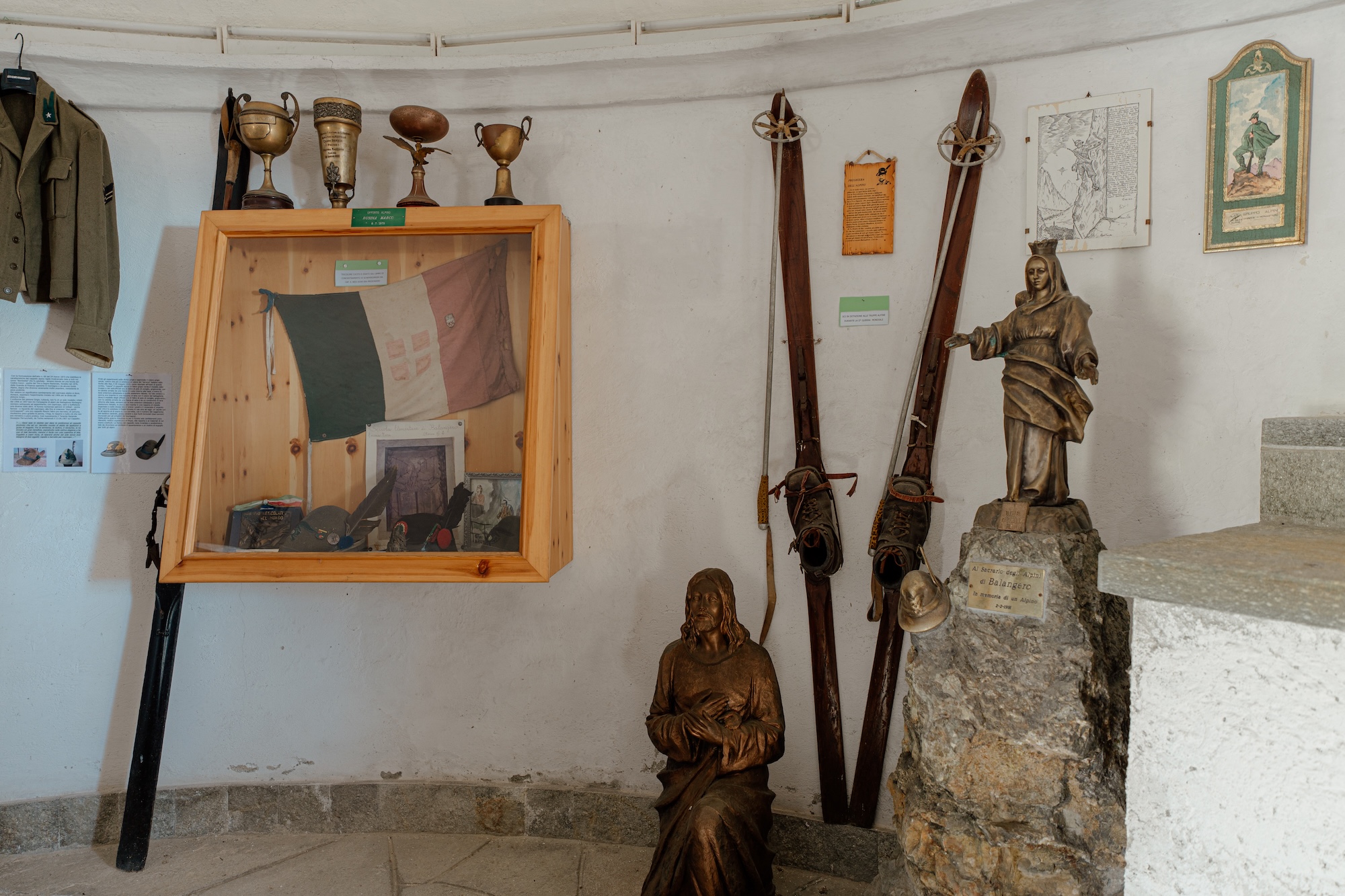
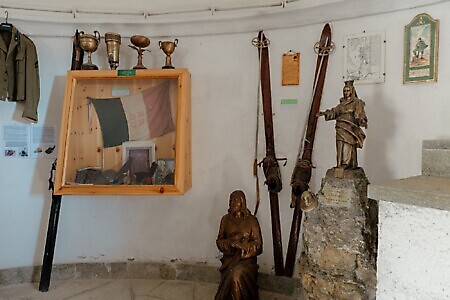
The building houses a permanent exhibition of numerous important artefacts donated by Balangero families. To mark the 90th anniversary of the Group’s founding and the 35th anniversary of the Shrine’s inauguration, the “Garden of Remembrance in Honour of the Fallen Without a Cross” was established in the area in front of the chapel.
How to visit the site
The Chapel of San Biagio is situated on a hill along the old Lanzo road (SP26). To visit, park near Piazzale Truppe Alpine, then climb a lengthy staircase to reach the shrine.
You might also like
16th-Century Fresco by Oldrado Perini
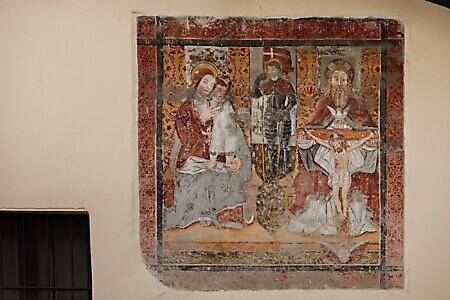
Frazione Villar, 45ì (Ala di Stura)A fresco by Oldrado Perini from 1577 is on the outside wall of a private house. The roughly square painting,...

Chapel of San Giulio
Frazione Forno (Lemie)The Chapel of San Giulio is located in Forno, Lemie. Its name likely reflects the Valsesian roots of many locals...
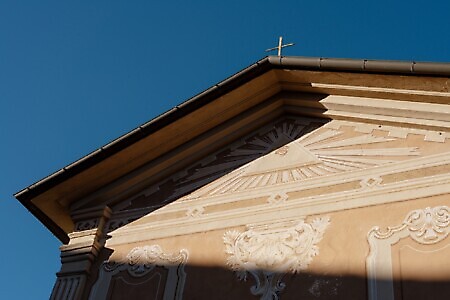
Chapel of San Rocco
Piazza San Rocco, Monastero di Cafasse (Cafasse)The precise construction date is unknown, but written records indicate it was built in 1687 and likely constructed to fulfil...
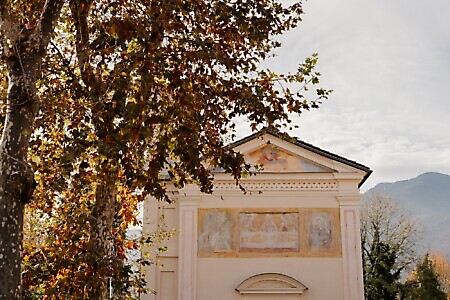
Chapel of Sant’Anna
Via Roma 37 (Fiano)The building stands in isolation, with its façade facing east. The chapel is used for services on the feast of...
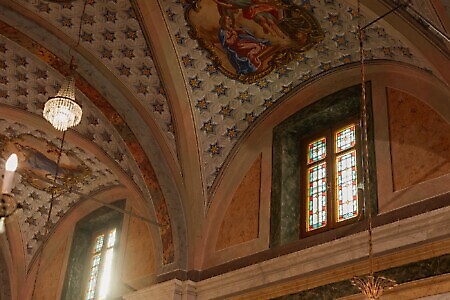
Chapel of Santa Maria della Stella (Truc di Miolà)
Borgata Truc di Miolà (La Cassa)The chapel features a rectangular layout divided into three bays. Its gabled façade is fully plastered and displays corner pilasters...
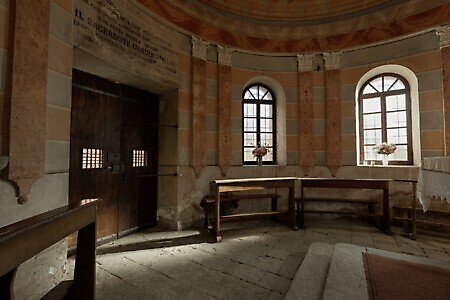
Chapel of the Blessed Virgin of Graces
Coassolo Torinese (Coassolo Torinese)According to tradition, on the rocky outcrop above the Tesso plain, where the steep path linking Coassolo and Monastero runs,...
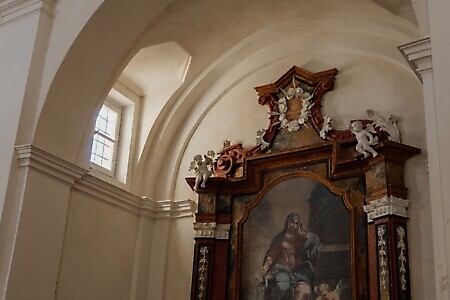
Chapel of the Holy Cross
Piazza della Chiesa, 4 (Corio)The building is open on three sides, with the north side adjacent to a private residence. Its façade faces northeast....
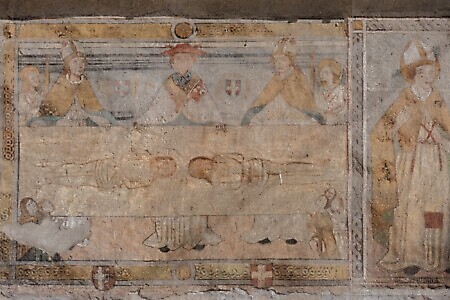
Chapel of the Holy Shroud at Voragno
Strada Provinciale 1 delle Valli di Lanzo, 64 (Ceres)In the Chapel of Saints Sebastian and Lawrence, several 16th-century frescoes depicting the Holy Shroud testify to its secret journey...
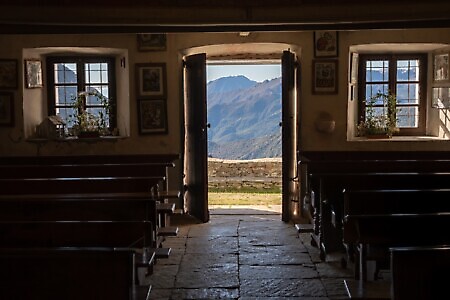
Chapel of the Madonna del Carmine at Ciavanis
Cappella della Madonna del Carmine al Ciavanis (Chialamberto)Dedicated to the Madonna del Carmine, the chapel stands at 1,874 m above sea level on a grassy terrace above...
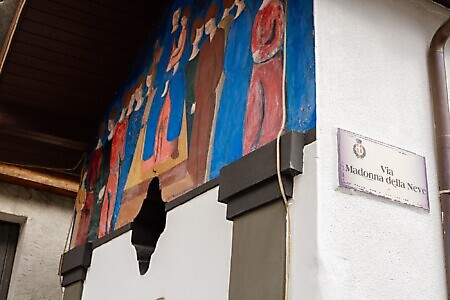
Chapel of the Madonna della Neve
Piazza Schiari (Viù)The Chapel of the Madonna della Neve, located at the village’s centre, serves as the focal point of Pascheretto, one...
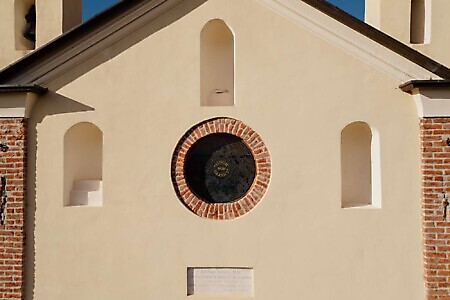
Church of Maria Ausiliatrice
Frazione Santa Maria (Givoletto)The chapel has a single-hall rectangular plan, covered by a pitched timber ceiling with exposed trusses. The chapel’s interior features...
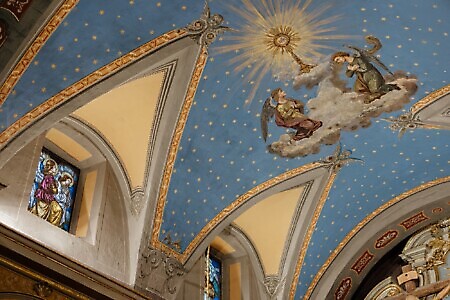
Church of Saints Peter and Paul
Via della Chiesa (Cantoira)In Foieri, visitors can explore the Saints Peter and Paul parish complex, which uniquely combines two churches, one Romanesque and...
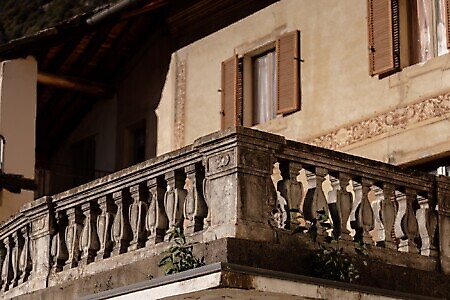
Church of Saints Philip and James, and Bell Tower
Piazza Fratelli Chiariglione (Chialamberto)The building is located in the centre of town, along the provincial road, positioned above a wide podium on the...
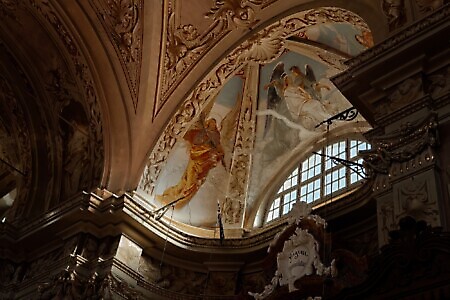
Church of San Genesio Martire
Piazza della Chiesa 2 (Corio)The church features a rectangular single nave divided into three bays with groined barrel vaults, ending in a semicircular apse...
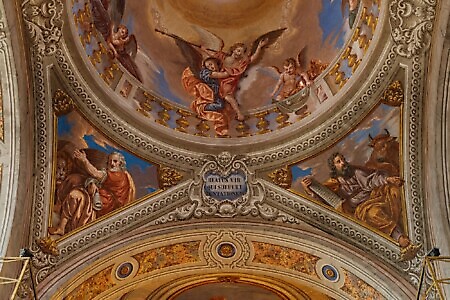
Church of San Giacomo at Gisola
Frazione Gisola, 28 (Pessinetto)The Parish Church of Gisola, dedicated to the Apostle St James the Great, is believed to be the oldest in...
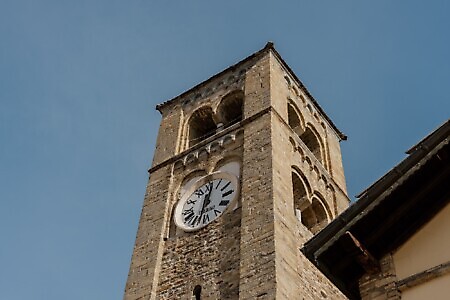
Church of Sant’Anastasia and Romanesque Bell Tower
Monastero di Lanzo (Monastero di Lanzo)The church’s origins stretch back to the 12th century when Benedictine monks, likely alongside a chapel, built the Romanesque bell...
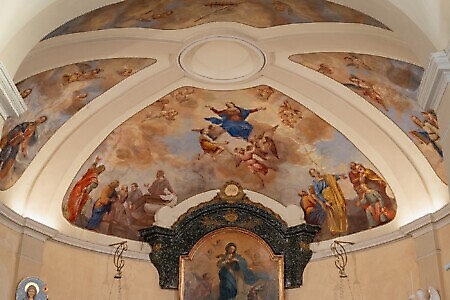
Church of Sant’Egidio
Borgata Chiesa 3 (Rubiana)The Parish Church of Sant’Egidio, located in the Piano district, was reconstructed in 1607 by expanding the original 16th-century structure,...
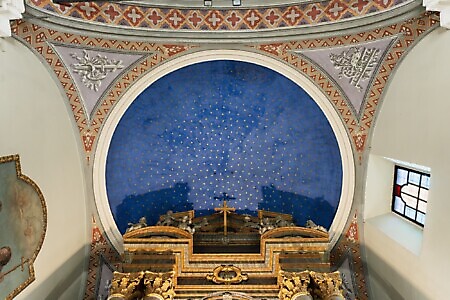
Church of Santa Croce
Via Roma s.n.c. (Lanzo Torinese)The church, originally located outside the town, was dedicated to the Holy Apostles James and Philip. Since the early 14th...
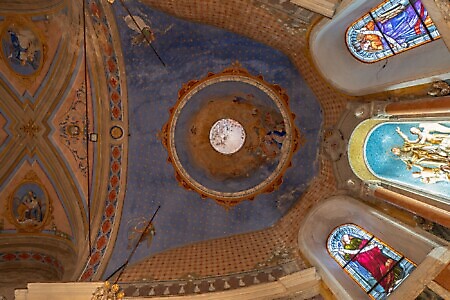
Church of Santa Maria del Borgo
Via San Giovanni Bosco, 29 (Lanzo Torinese)Always dedicated to the Madonna, albeit under different names, the church is situated halfway along the old Contrada del Borgo...
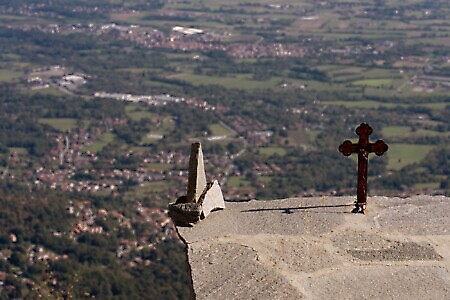
Church of the Madonna della Neve
Givoletto (Givoletto)The Chapel of the Madonna della Neve was built in 1855 on Monte Sap (at 1,215 m above sea level)....
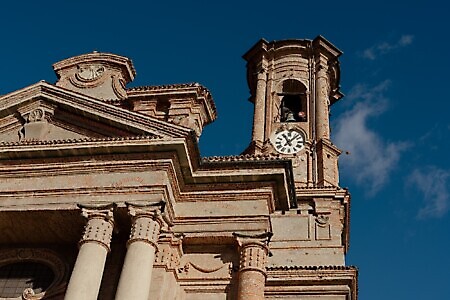
Parish Church of San Giacomo Maggiore
Via Chiesa, Balangero (TO) (Balangero)The Baroque parish church of San Giacomo, set in an elevated position overlooking the village, has become the symbol of...
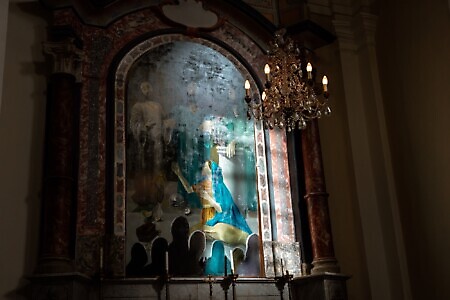
Parish Church of San Nicola and Santa Marta
Via Don Giocondo Cabodi, 5 (Varisella)The parish church, dedicated to San Nicola, while Santa Marta is the patron saint of the village, can claim very...
Parish Church of San Nicolao
Piazza Capoluogo, 197 (Coassolo Torinese)The church is situated on an old cemetery that also included part of what is now the square. The existing...
Parish Church of San Pietro in Vincoli
Piazza Albert 11 (Lanzo Torinese)The origins of the parish church of Lanzo are believed to be very ancient. In 1545, Gian Giacomo Medici, Lord...
Parish Church of San Secondo Martire and the Remains of Maria Orsola Bussone
Piazza San Secondo (Vallo Torinese)The parish church, designed in the Baroque style, is dedicated to the patron saint San Secondo. Inside, it features a...