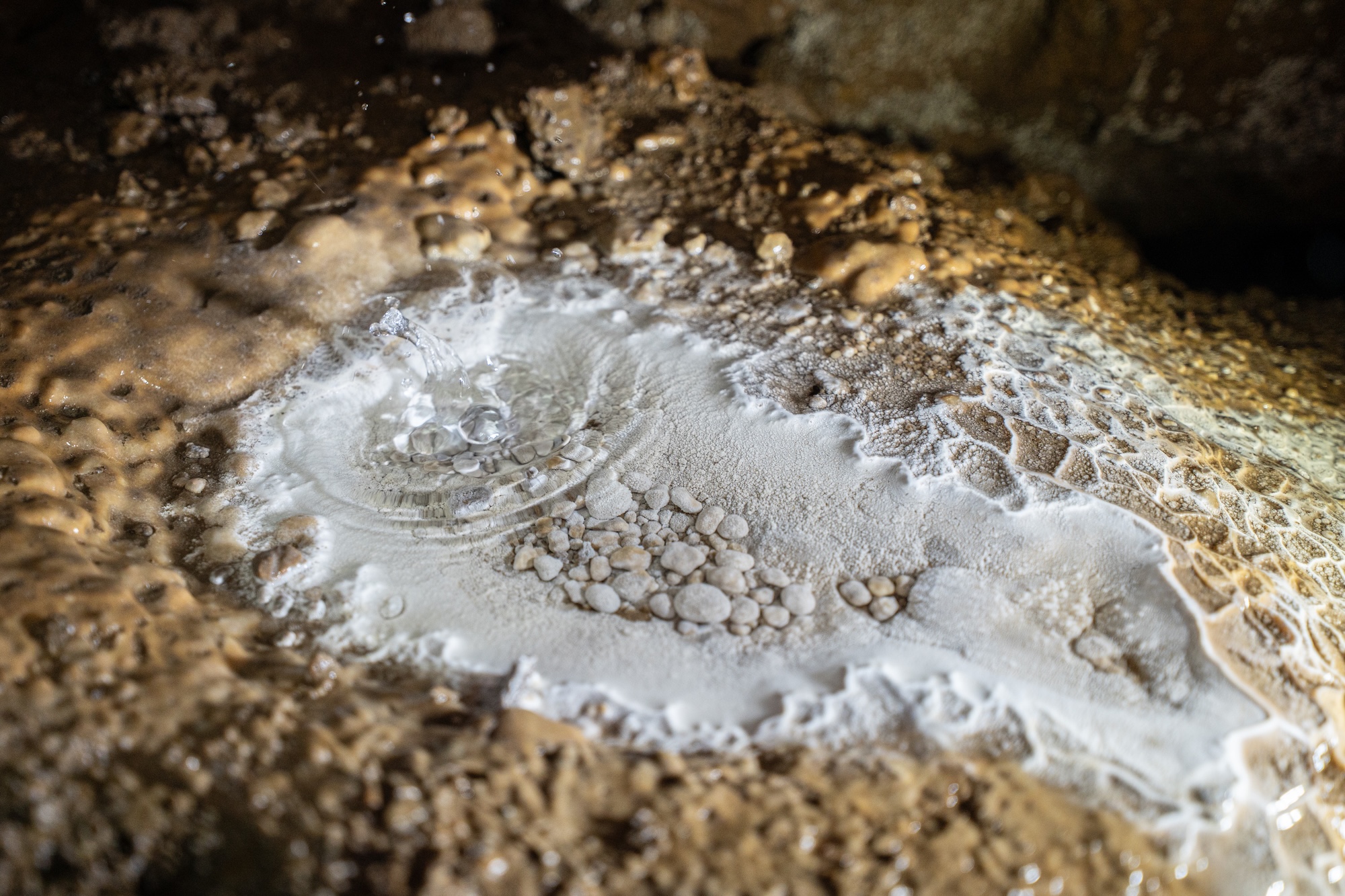

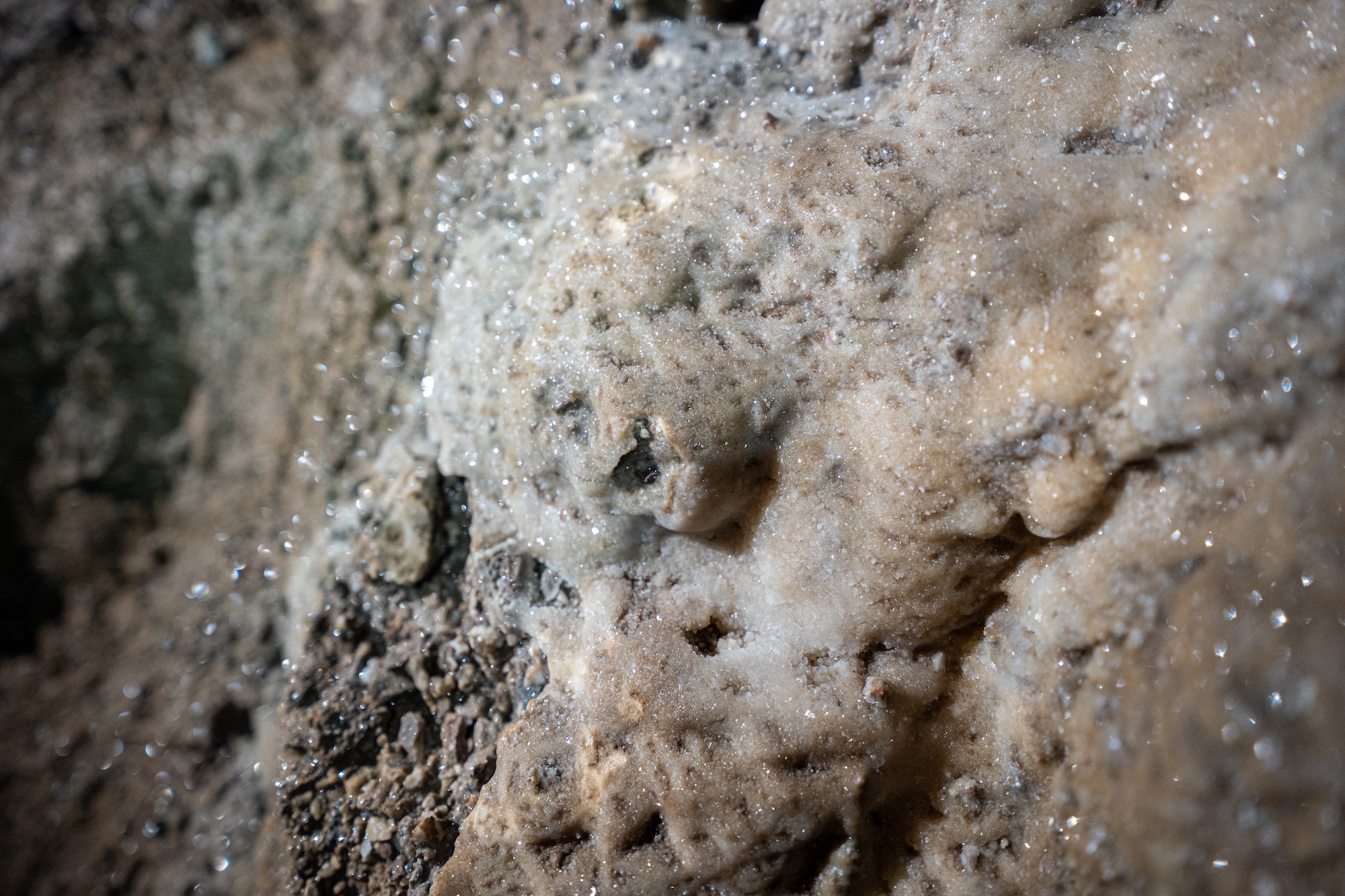
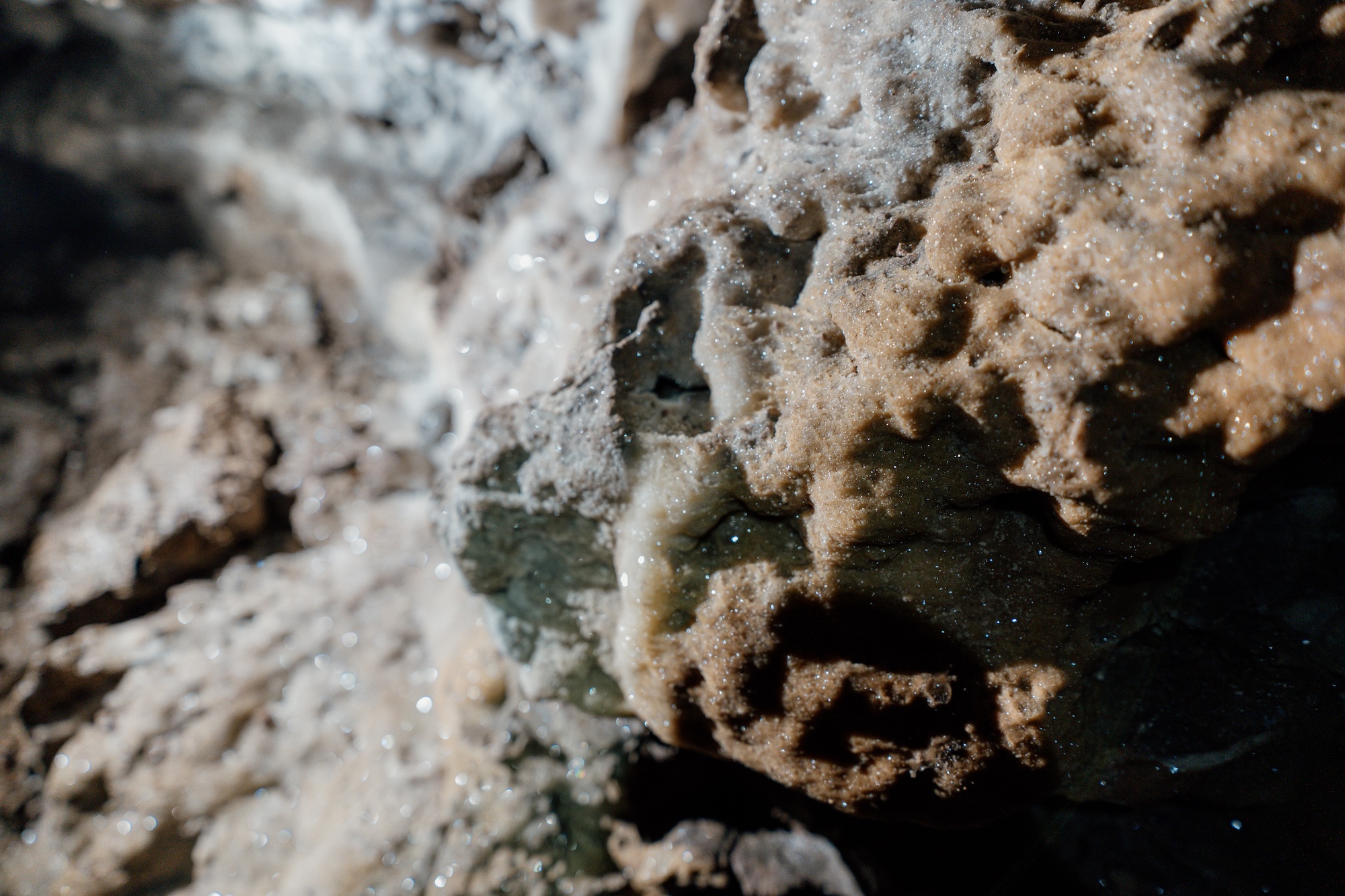
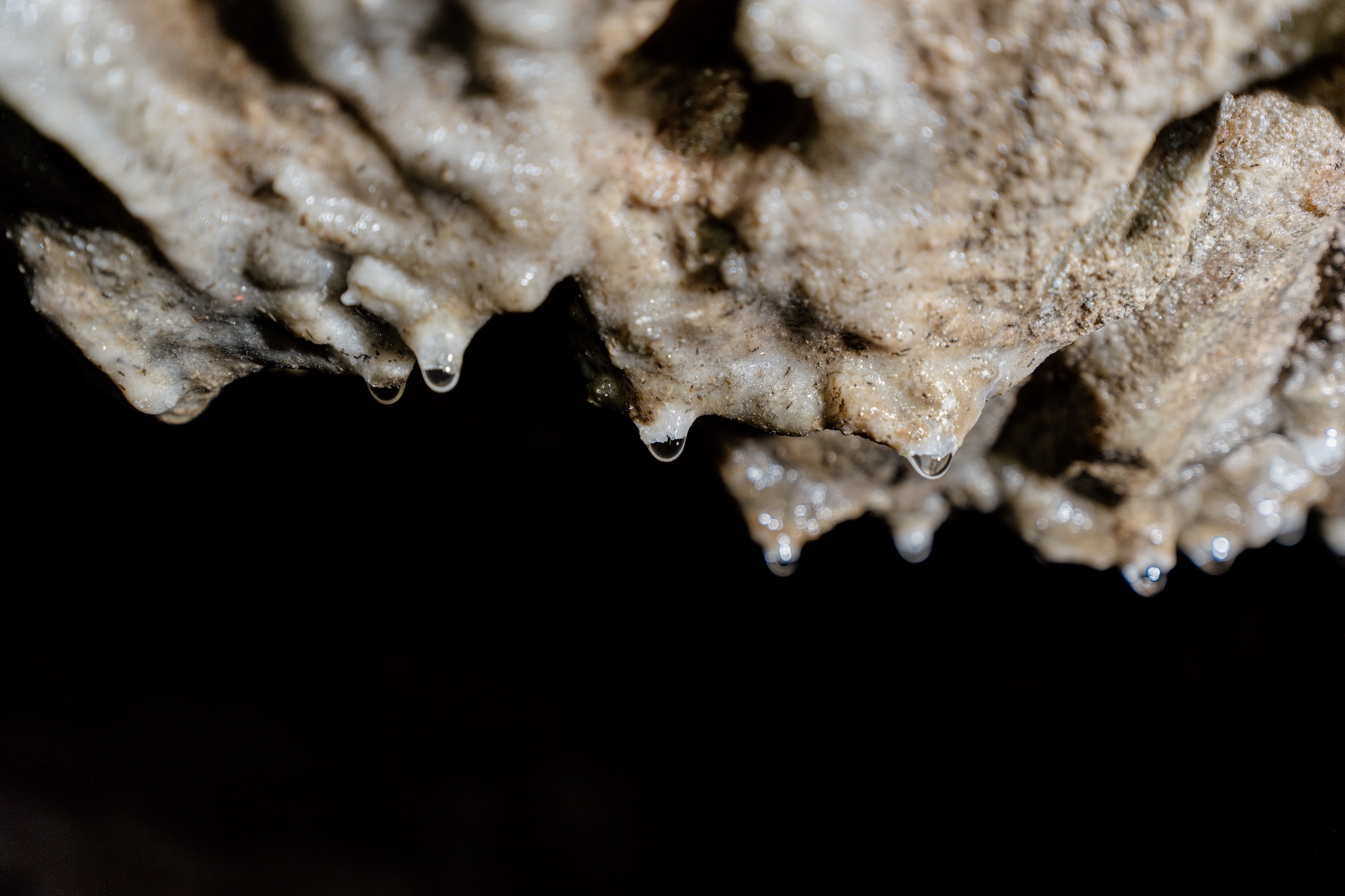
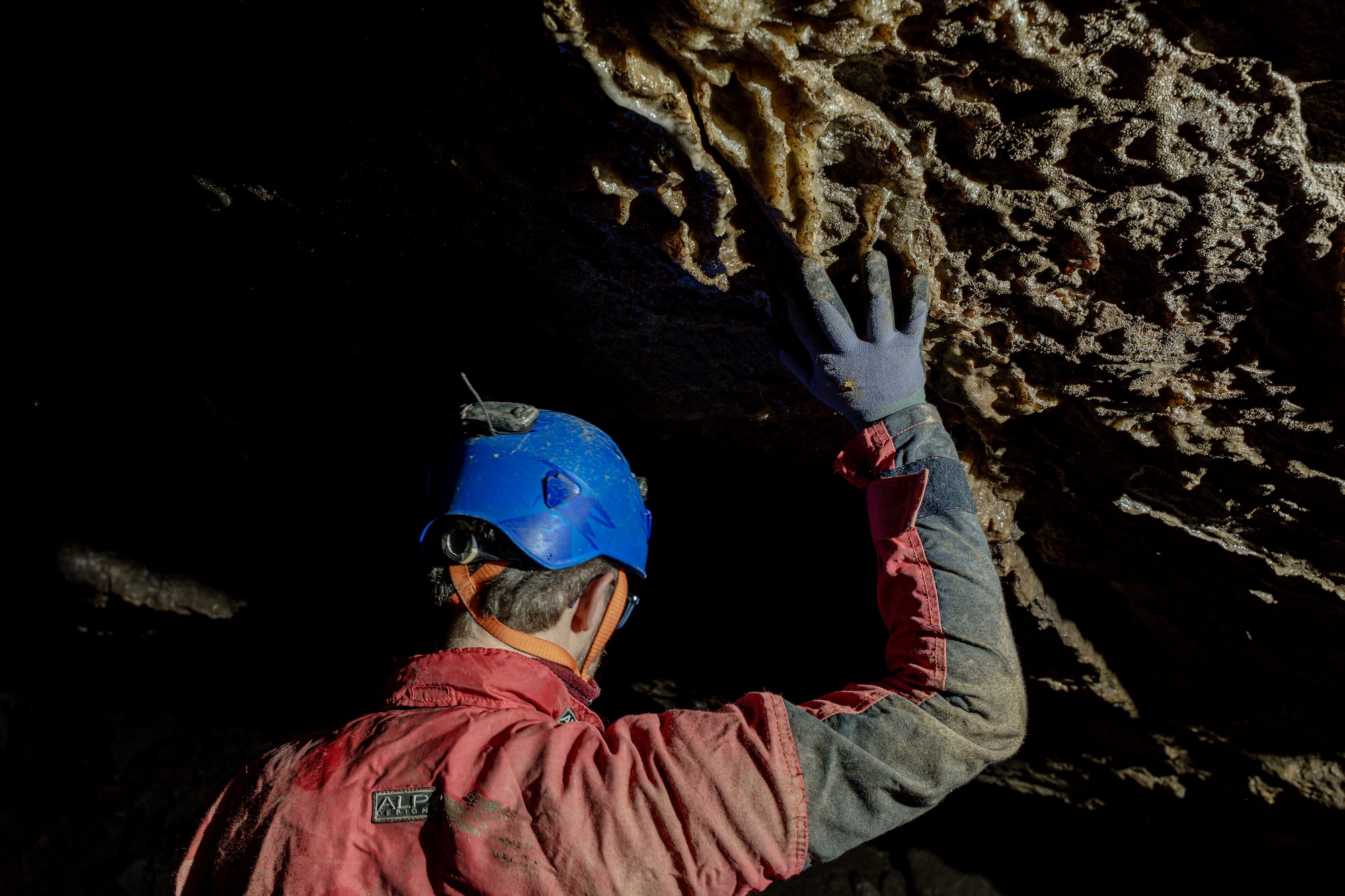
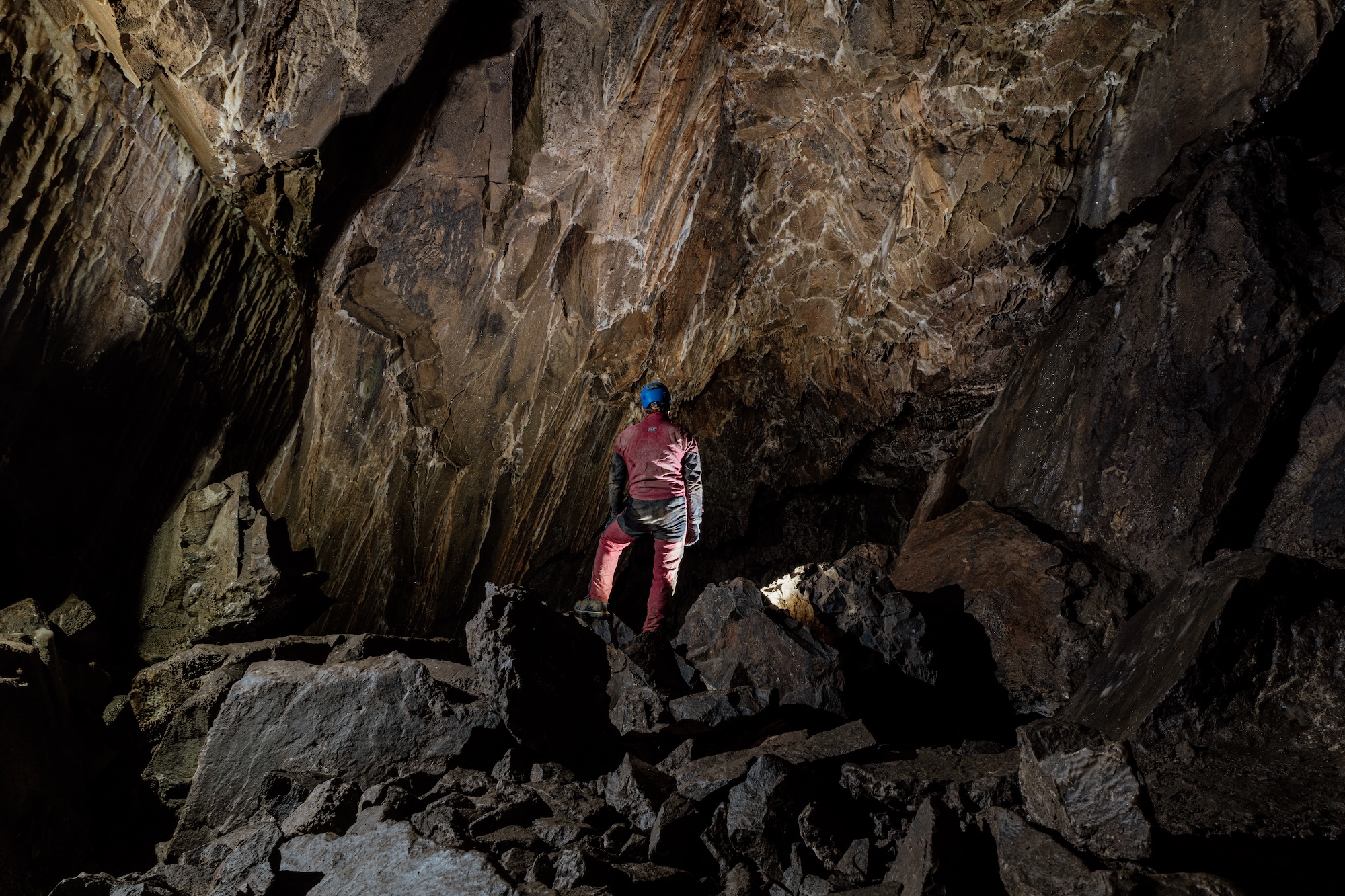
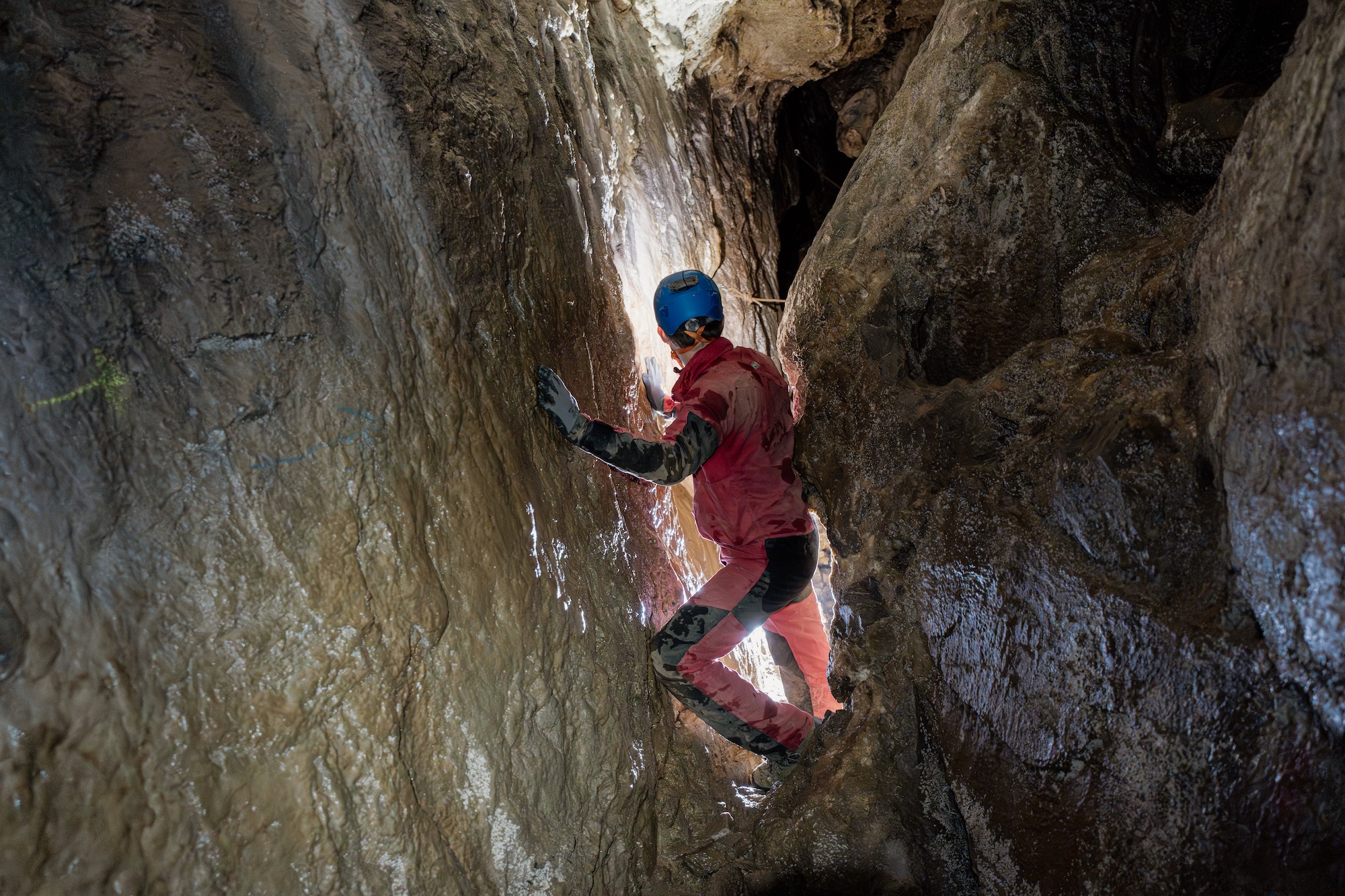
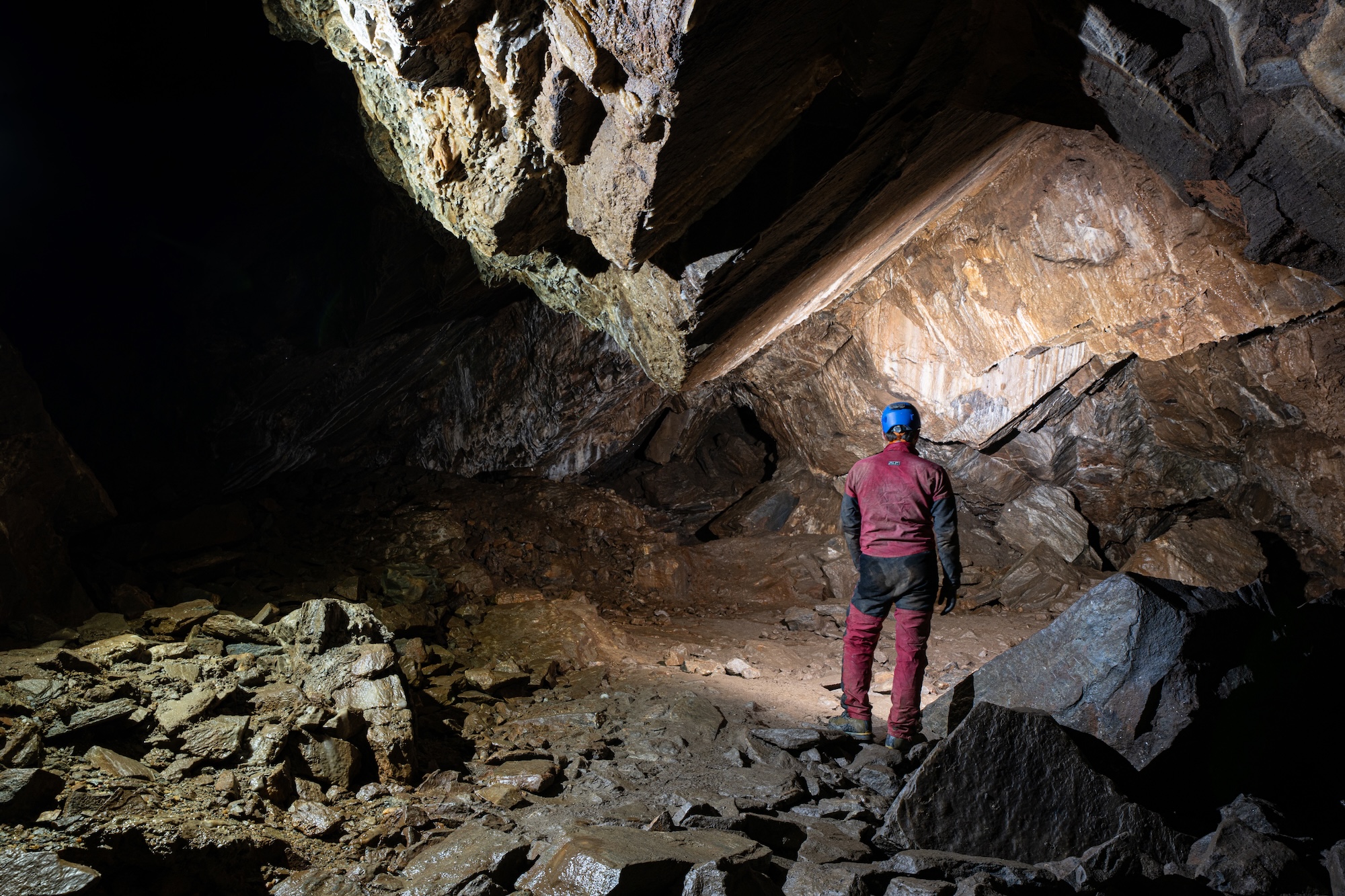
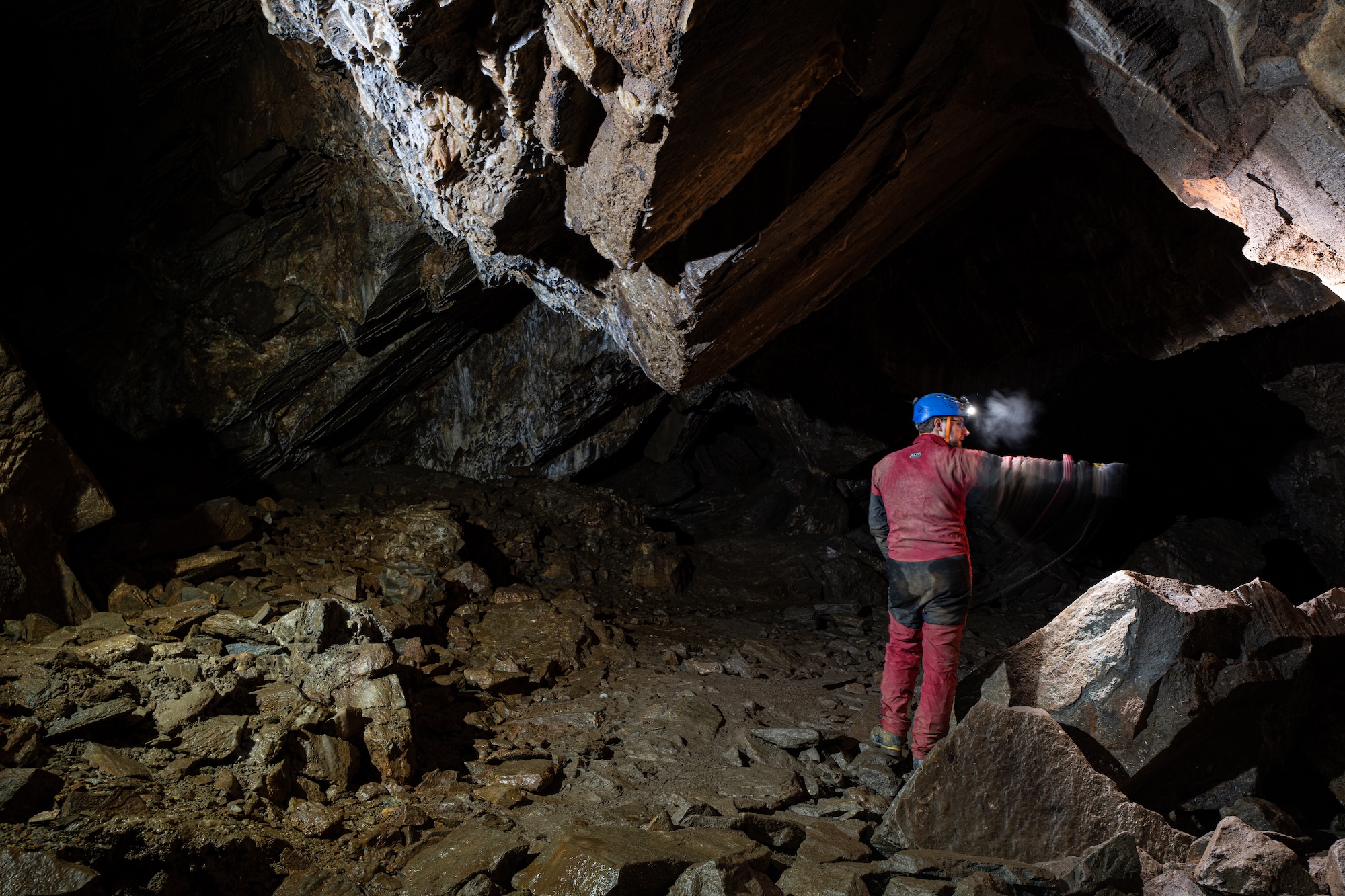
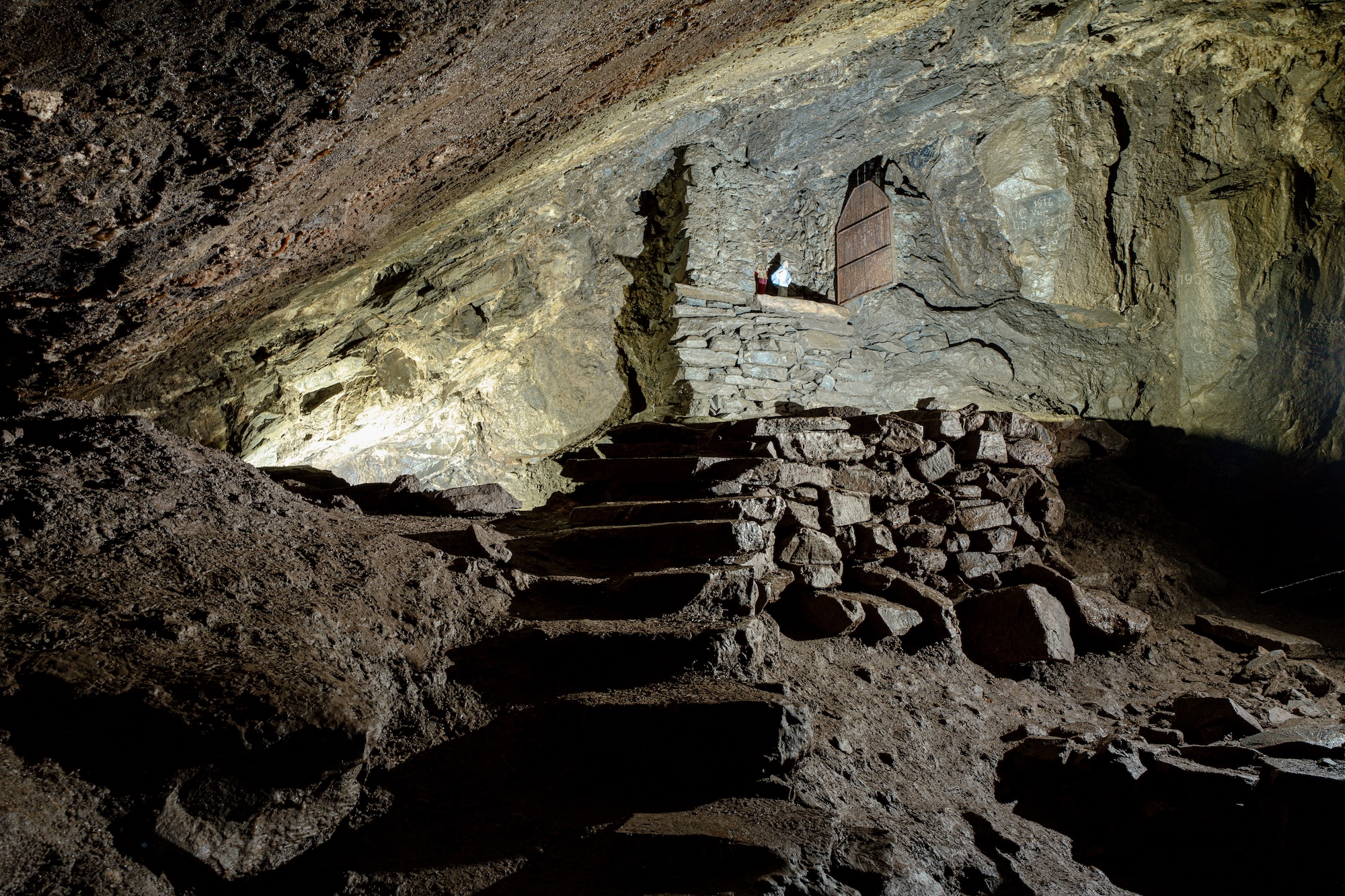
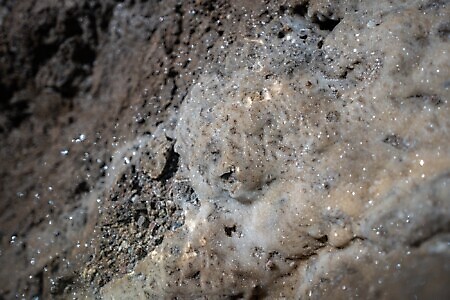
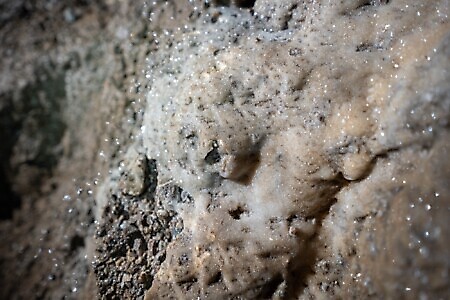
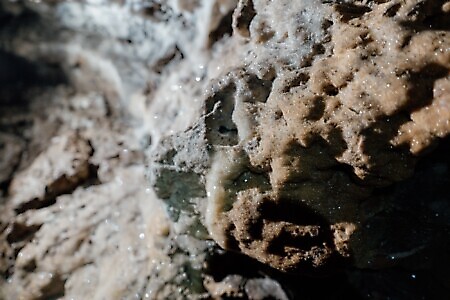
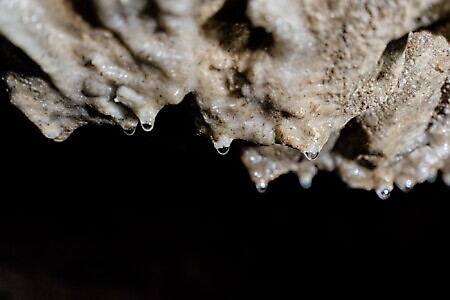
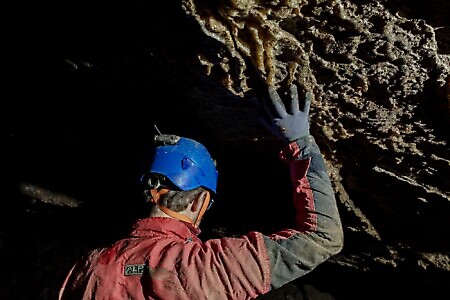
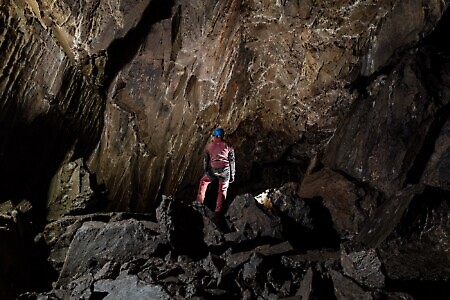
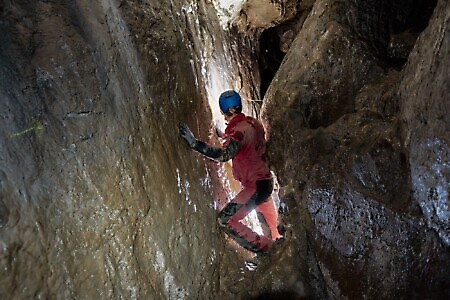
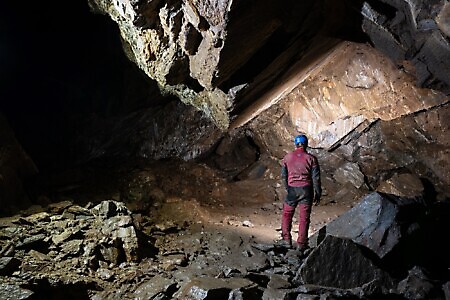
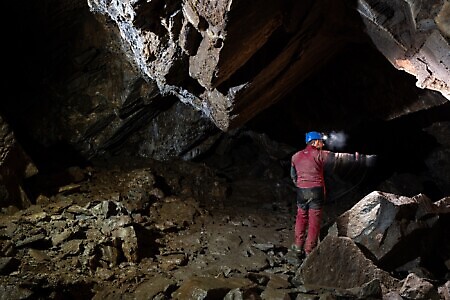
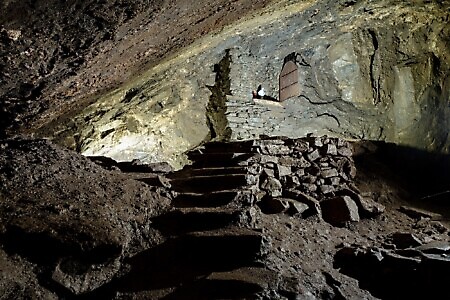
The Pugnetto Caves, in the municipality of Mezzenile, are a karst complex developed in the calcschists of the Pugnetto hamlet. Among the five known cavities, Borna Maggiore stands out as the longest Italian cave in calcschist, measuring 780 meters. Discovered and documented since the 18th century, it remains a site of significant speleological and historical interest.
Site overview
In local toponymy, “Grotte di Pugnetto” (Caves of Pugnetto) refers to the set of karst phenomena developed in the calcschists present in the area of the Pugnetto hamlet, in the municipality of Mezzenile.
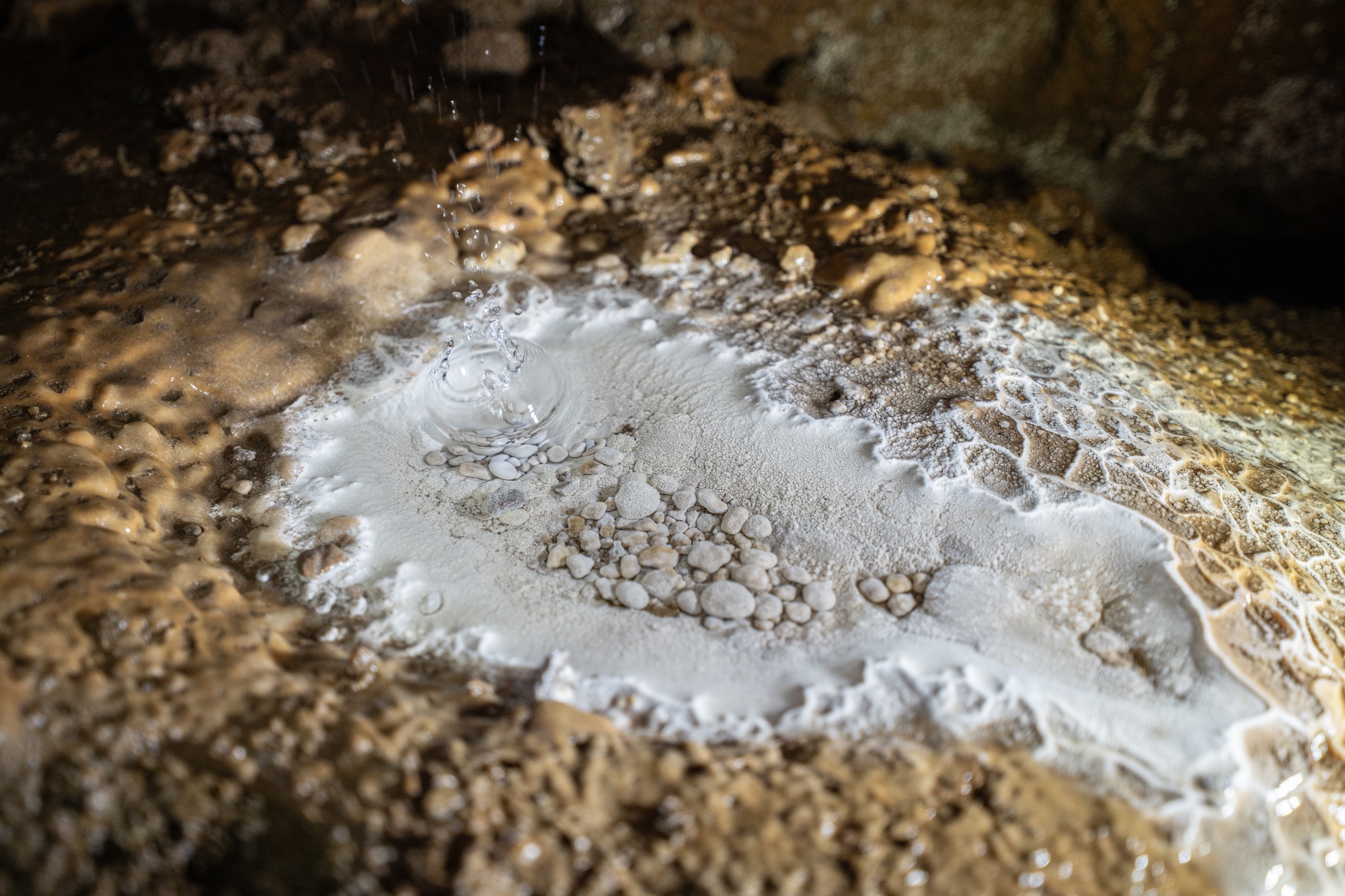
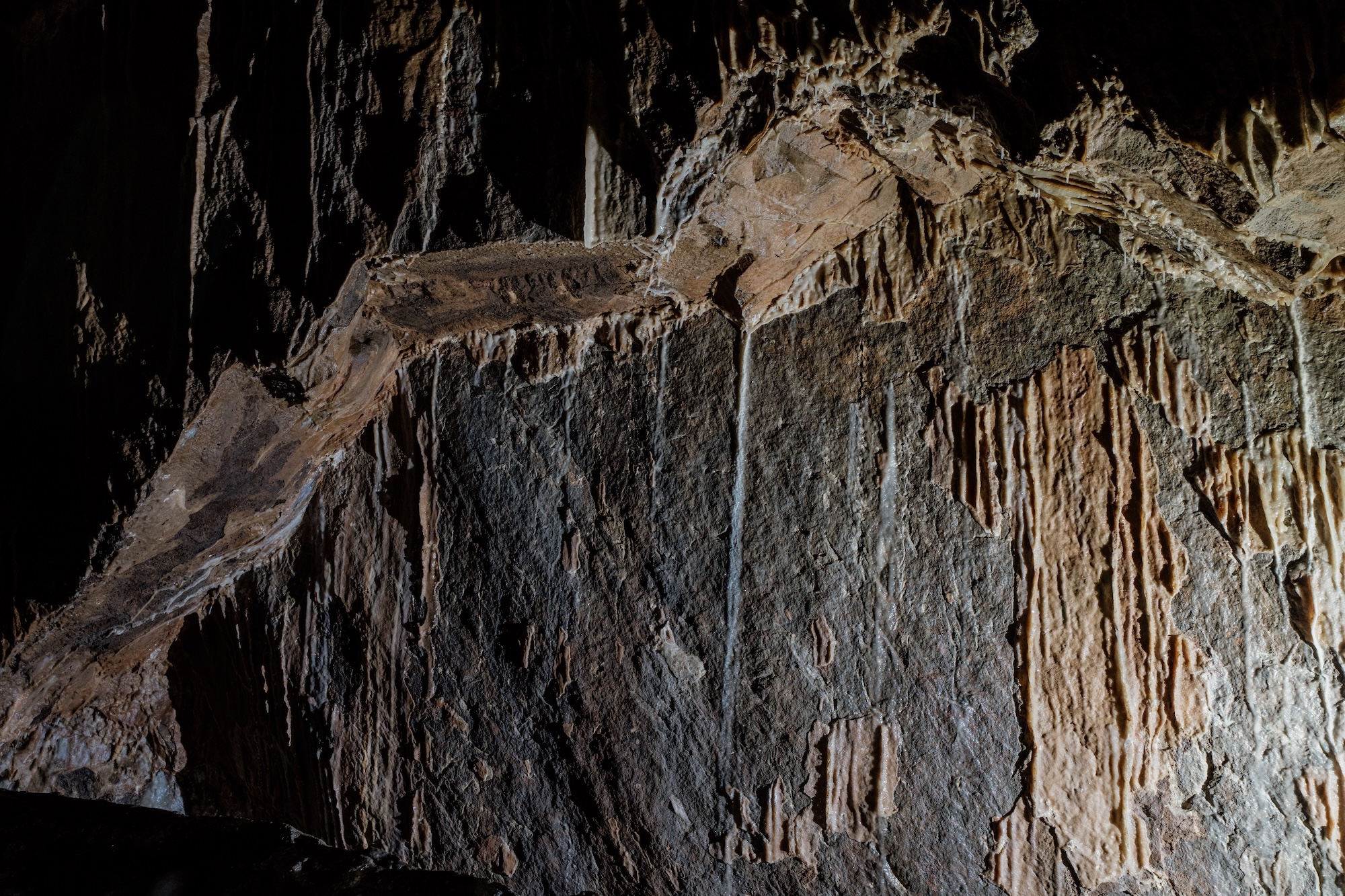
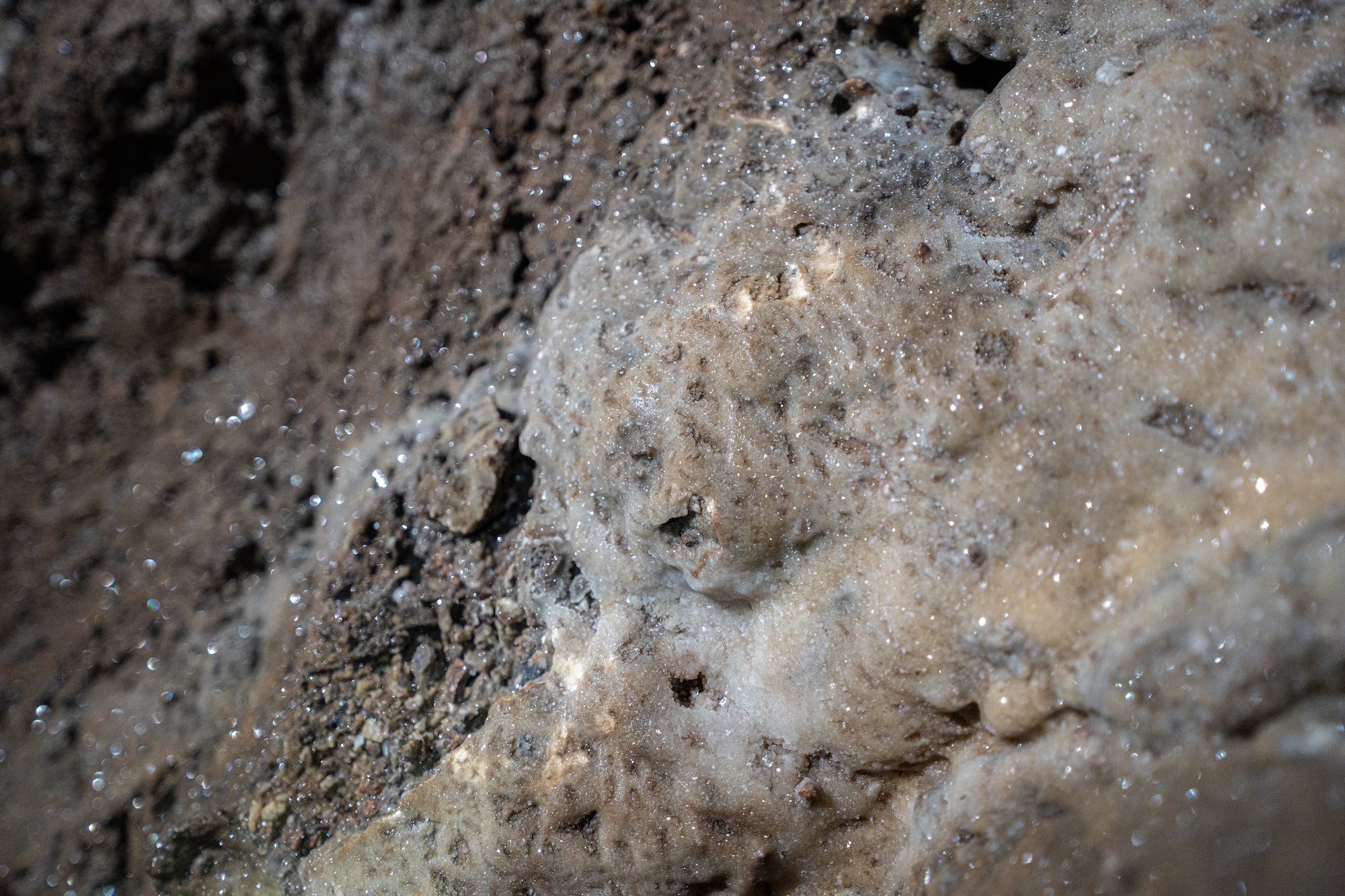
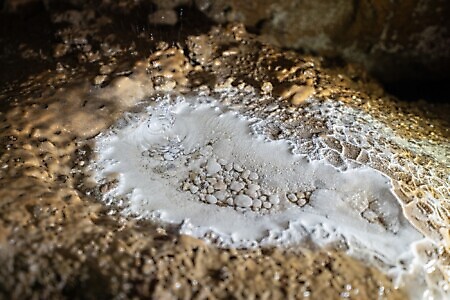
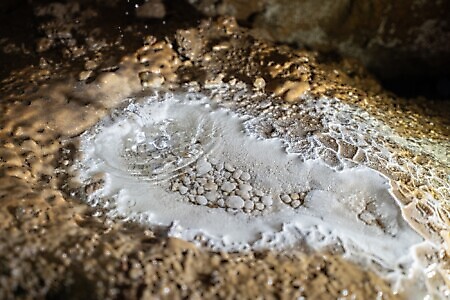
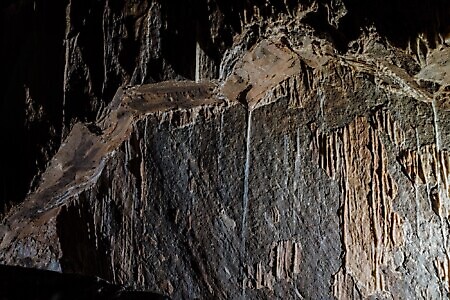
From a speleological point of view, the site counts 5 known cavities, the main one being the Borna Maggiore, which with its extension of 780 meters, holds the record as the longest Italian cave in calcschist. The caves have been known for a long time, and documents from the 1700s already mention the first visits by scholars from different areas of Piedmont.
The first description of the cave is credited to Count Amedè Ponsillon, who visited it in 1789 accompanied by two inhabitants of Pugnetto, but the first person to provide a complete description was Muratore in 1924. The Pugnetto Caves represent a site of great speleological and historical interest, continuing to fascinate visitors with their underground charm.
How to visit the site
The cavity is located in the Lanzo Valleys, in Val d'Ala. From Traves, follow signs for Pugnetto. A few curves before the hamlet, on the left side of the road, there is a sign indicating "Grotta della Madonna." From there, a path starts that climbs for about thirty meters and leads to the entrance. For reasons of safety and protection, the Borna Grande remains completely closed during the winter hibernation period, from November 1st to March 31st. The site is managed by the CAI of Lanzo, specifically by the Explora Speleological Group.
You might also like
Airal Circle
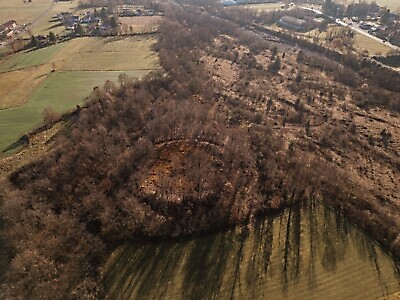
Frazione Brione, Località “Airal/Buttiberghe” (Val della Torre)The structure is circular, roughly 60 m in diameter, and situated on flat land near where the Casternone and Codano...
Chapel of the Shroud, or Chapel of Christ Pantocrator
Rivòt di Luis detto anche Via Margutta (Balme)The lanes branching through the old centre of Balme are called quintàness if flat and rivòt if uphill. Narrow and...
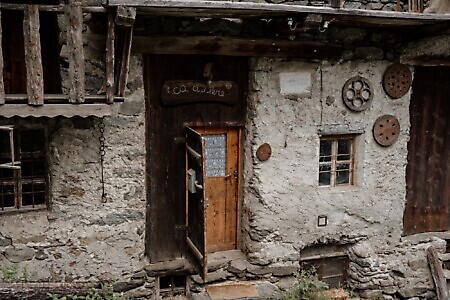
Cornetti Historic Centre
Frazione Cornetti (Balme)Cornetti di Balme (Li Cournàt) is among the highest permanently inhabited settlements in the Lanzo Valleys, sitting at 1,446 metres....
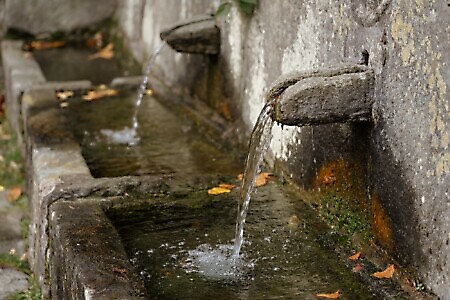
Fountain at Pessinea, Old Wash House, and Sanctuary of the Madonna della Consolata
Frazione Pessinea (Viù)This hamlet is the last in the town of Viù. It remains largely unchanged, maintaining the traditional pedestrian lanes that...
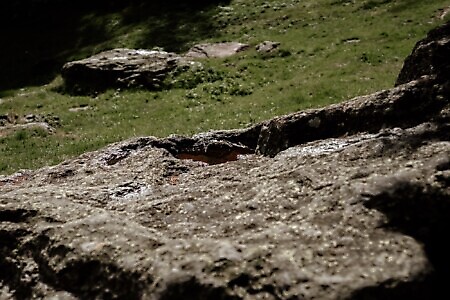
Prehistoric Altar of Bogone
Bogone (Balme)The small hamlet of Bogone was inhabited mainly in spring and autumn, serving as a stopping point during the Alpine...
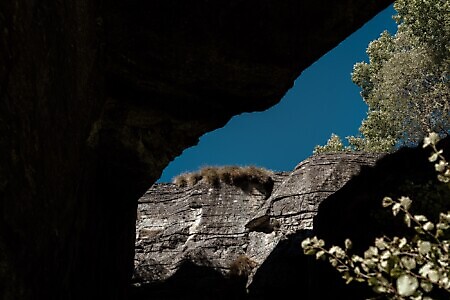
Roc dle Masche
Roc dle Masche, Sentiero 326 + 326B (Chialamberto)In the hamlet of Vonzo di Chialamberto (until 1831 an independent municipality), a huge, deformed boulder rising towards the north...
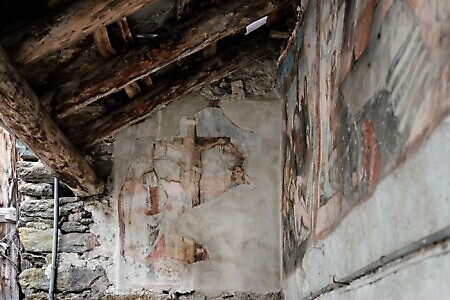
Rucias Fortified House with 17th-Century Fresco
Via Capoluogo, 40 Balme (TO) (Balme)In 1909, work commenced on the Turin aqueduct, and the old centre of Balme was demolished to make way for...
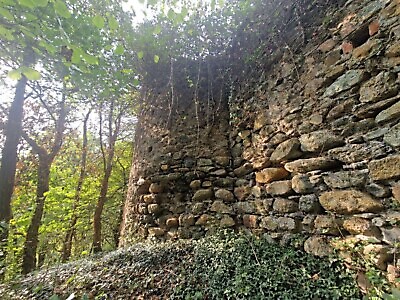
The Ancient Settlement
La Cassa (La Cassa)The ancient settlement, known as Rocca Provana, is a castle of medieval origin in Piedmont, located in the municipality of...
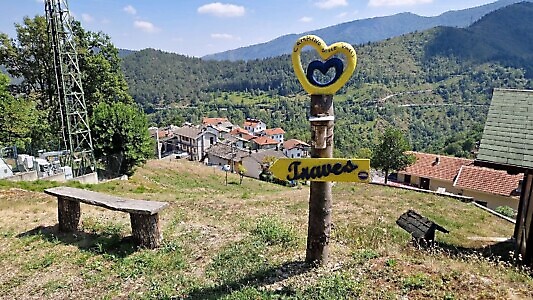
Trails of Freedom and Resistance
Sentieri della Resistenza (Traves)The Lanzo, Schioppo, and Ceronda Valleys were the scene of intense partisan struggles between 1943 and 1945. These trails, which...