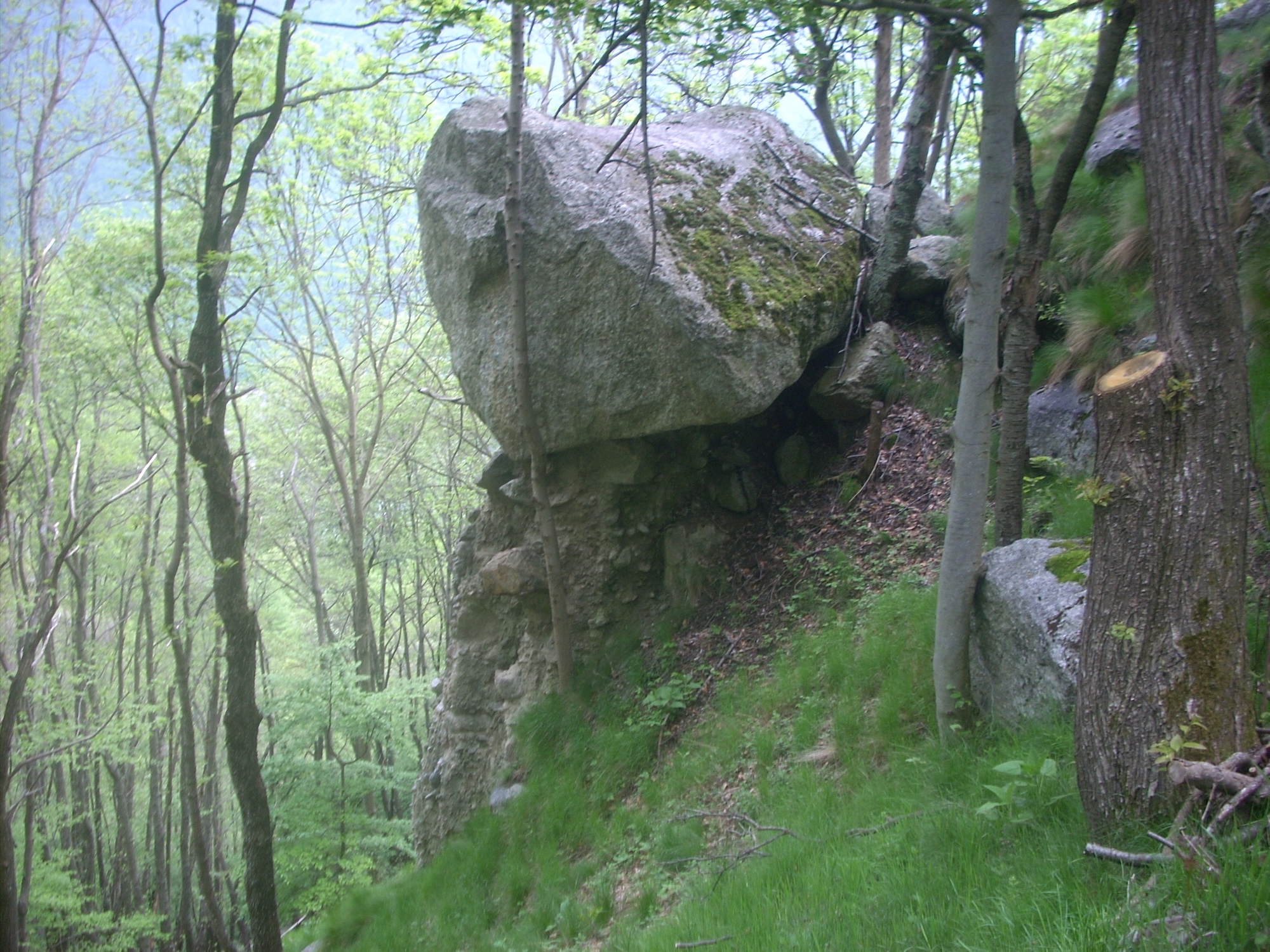

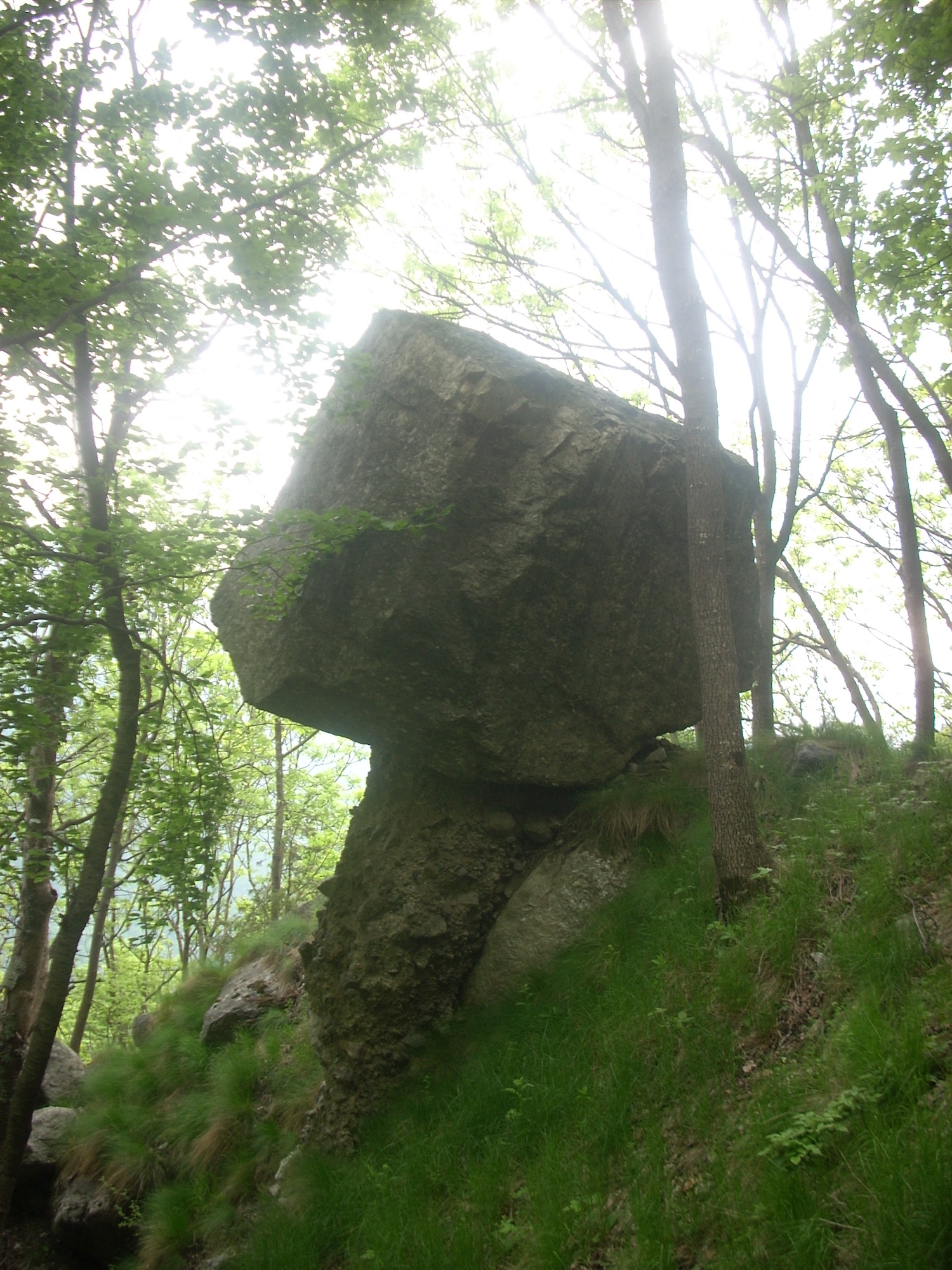
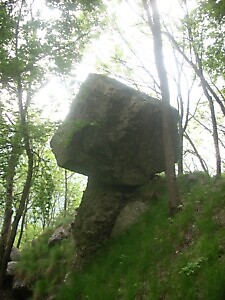
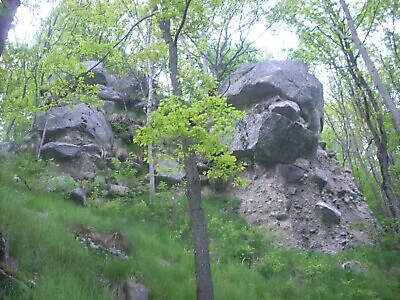
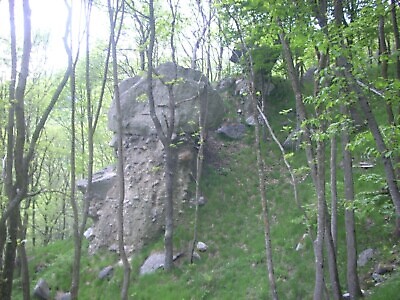
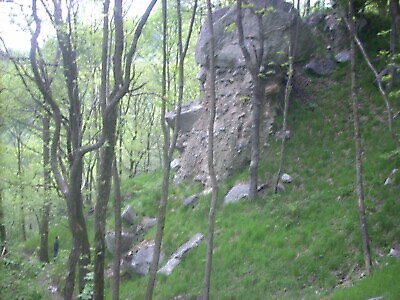
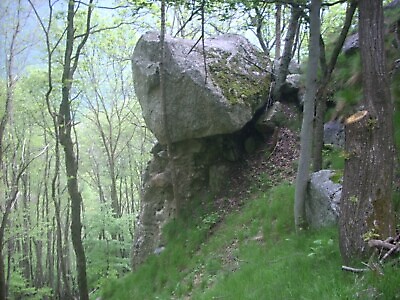
In the Paglia Brook side valley, rare formations can be found: towers made of sand and gravel over 10 metres high, topped with a cap of firm rock. These structures have formed over thousands of years through selective erosion, where the upper boulder shields the ground below while water and wind shape the structure, resulting in striking "stone mushrooms" that are unique to the Grande Valley.
Site overview
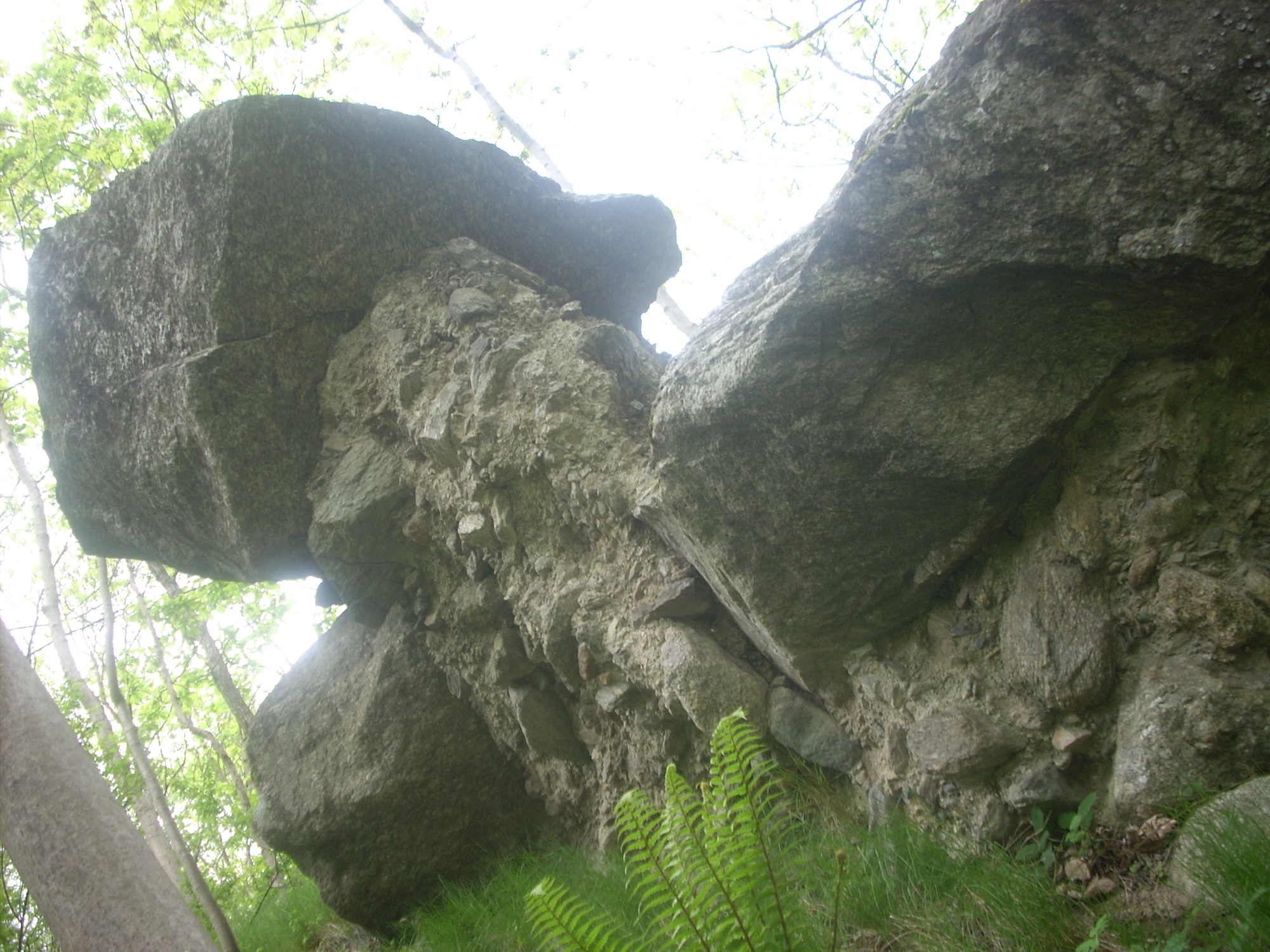
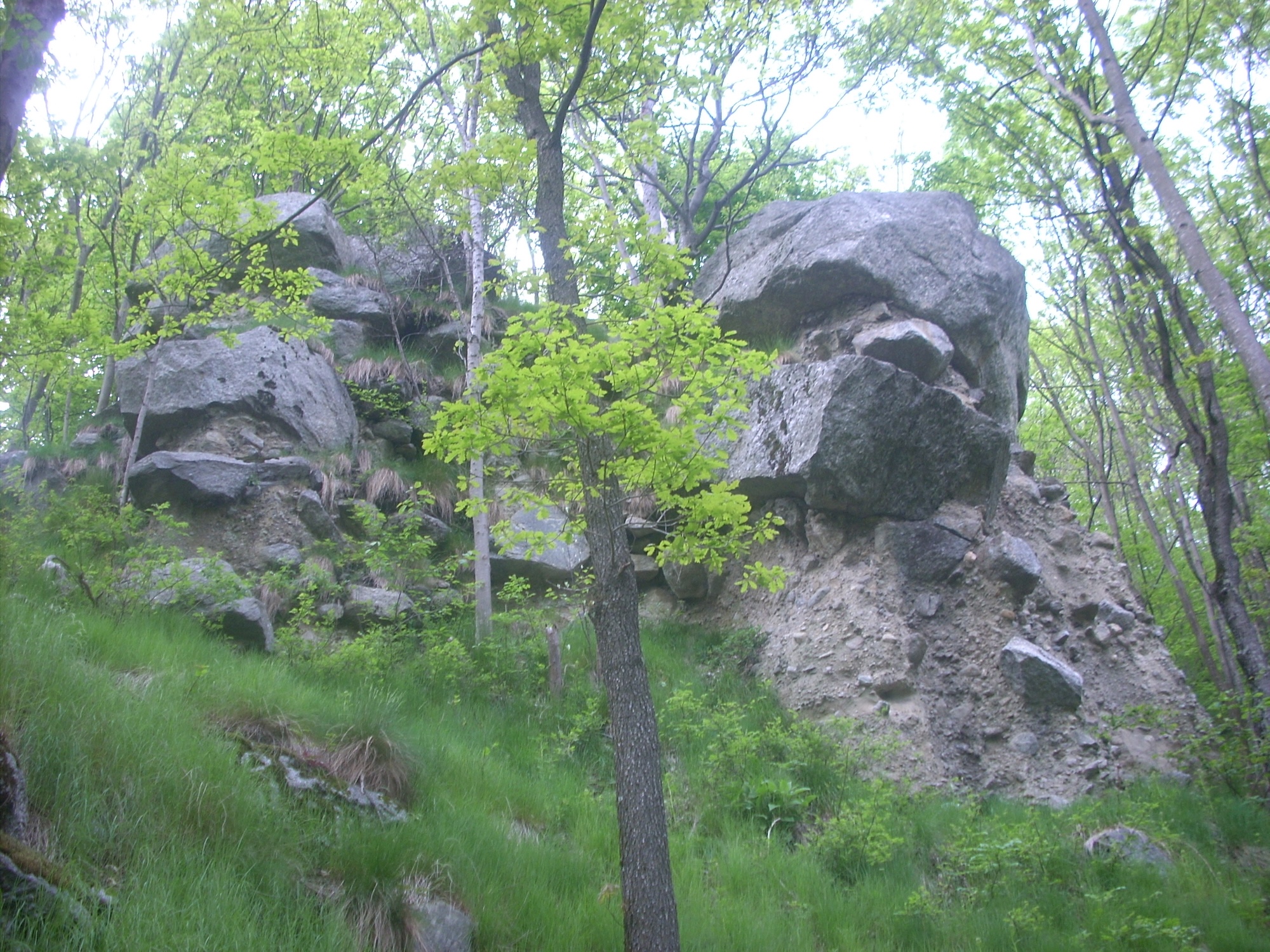
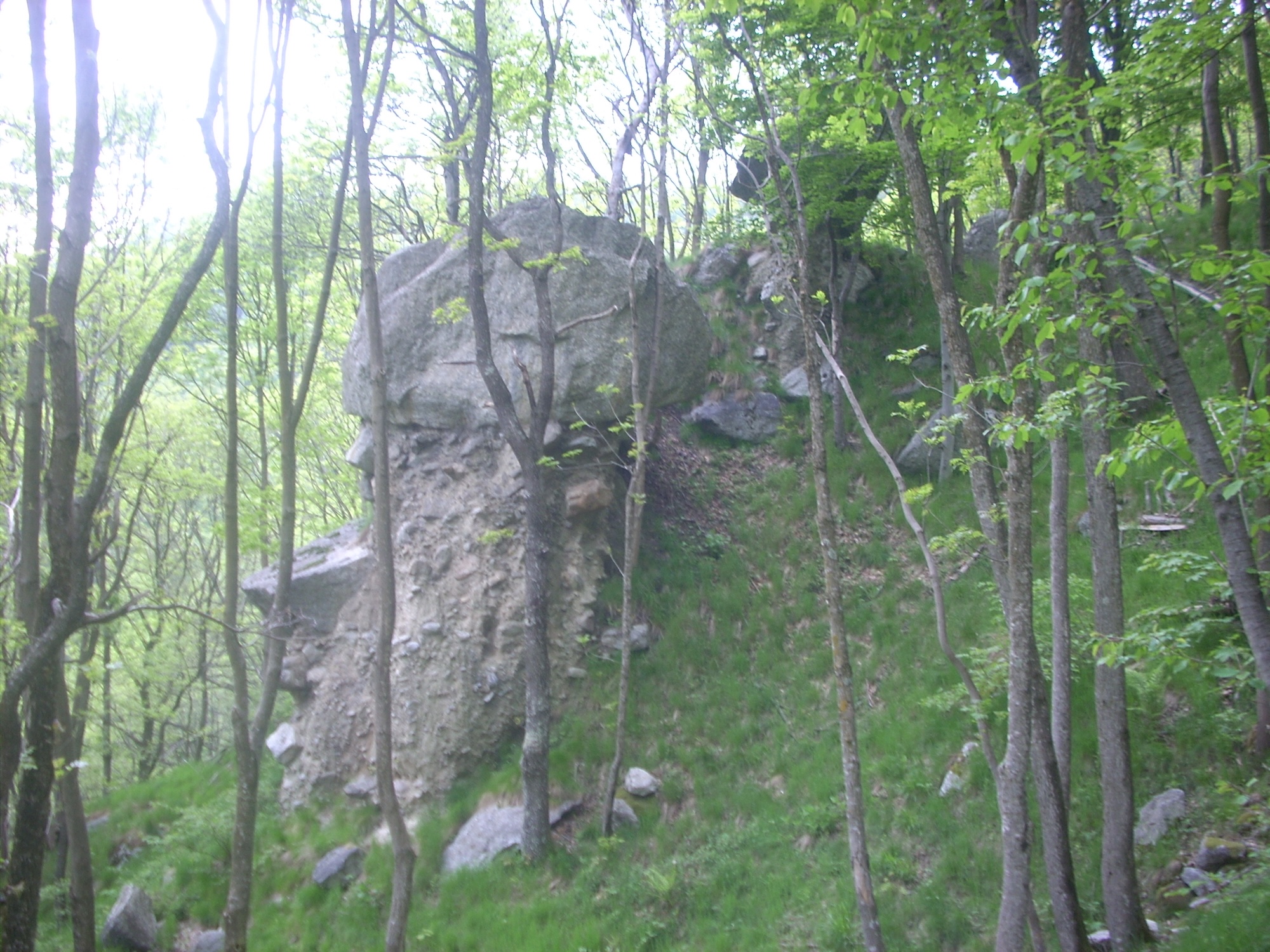
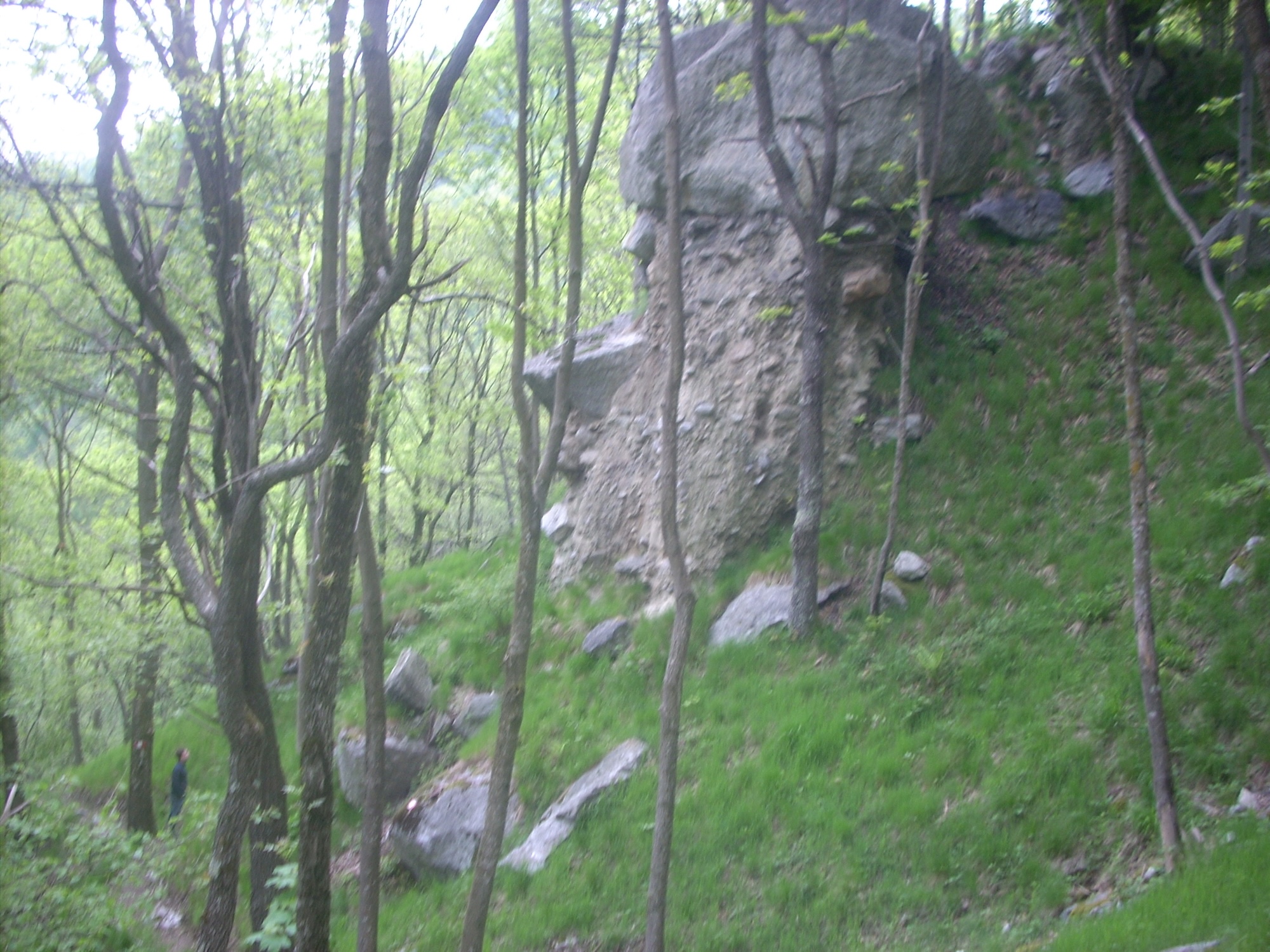
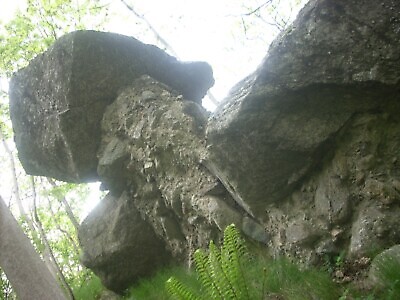
The Casteij d’le rive (Riverbank Castles) are unique erosion formations made up of a mass of earth covered by a rocky cap, with boulders of varying sizes.
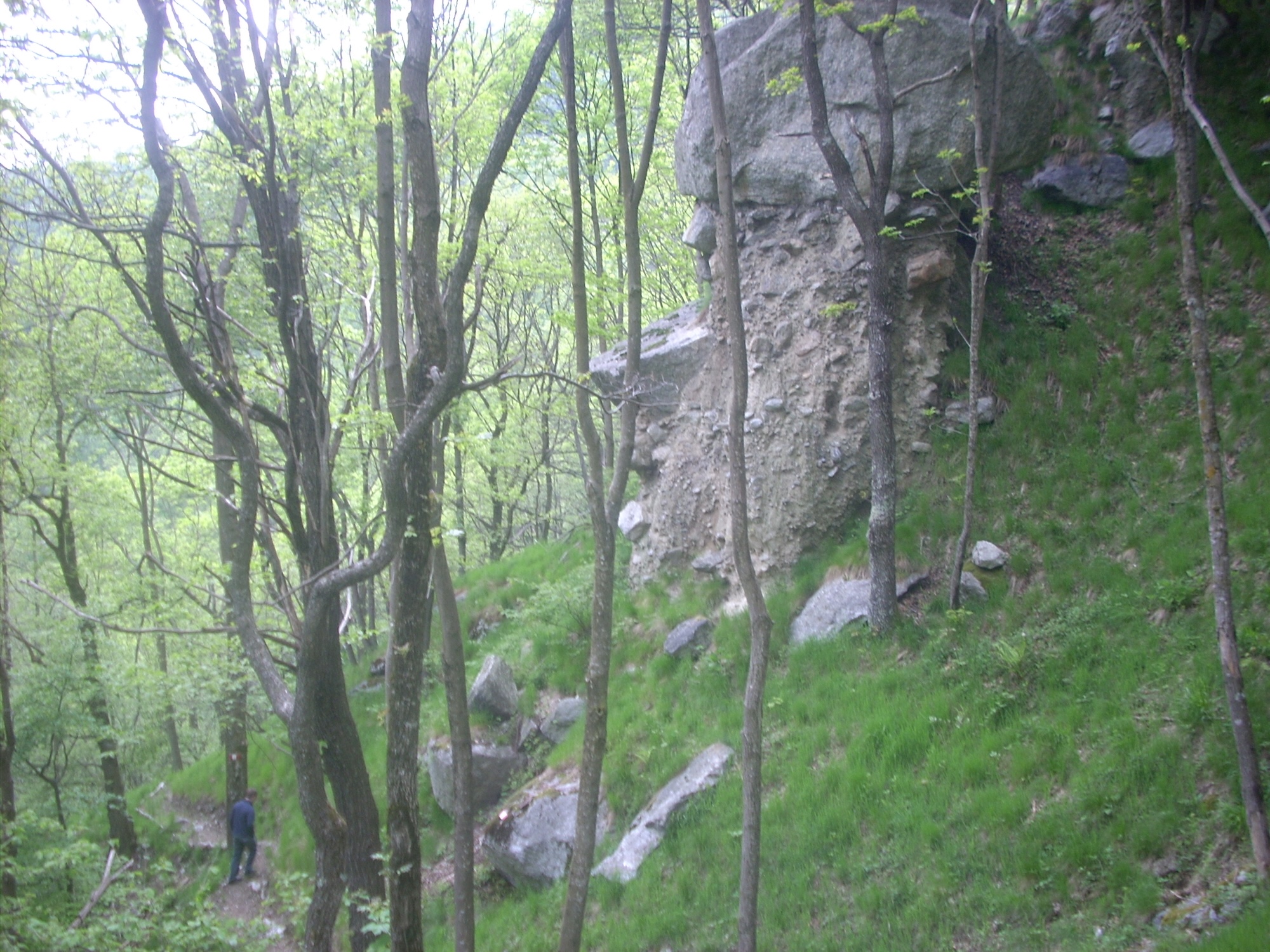
The valley’s inhabitants call them that because they resemble towering castles, with some reaching over 10 metres in height. They are also referred to as pere a ciapel (stones with a hat) or pilon ‘dl masca (witch’s tower).
In the Lanzo Valleys, these formations are exclusively found in the Grande Valley, along the Paglia Brook side valley. They have been shaped over thousands of years through the gradual erosive action of wind and water. This formation process is very lengthy and requires specific conditions, including the presence of certain types of terrain.
The upper boulder, which forms the cap of these unusual “stone mushrooms,” is made of compact rock that resists weathering, protecting the ground beneath from erosion.
This ground consists primarily of sand and gravel compacted over thousands of years. However, it offers minimal resistance to water. The significant water infiltration into the soil promotes the gradual but persistent development of the Casteij d’le rive.
How to visit the site
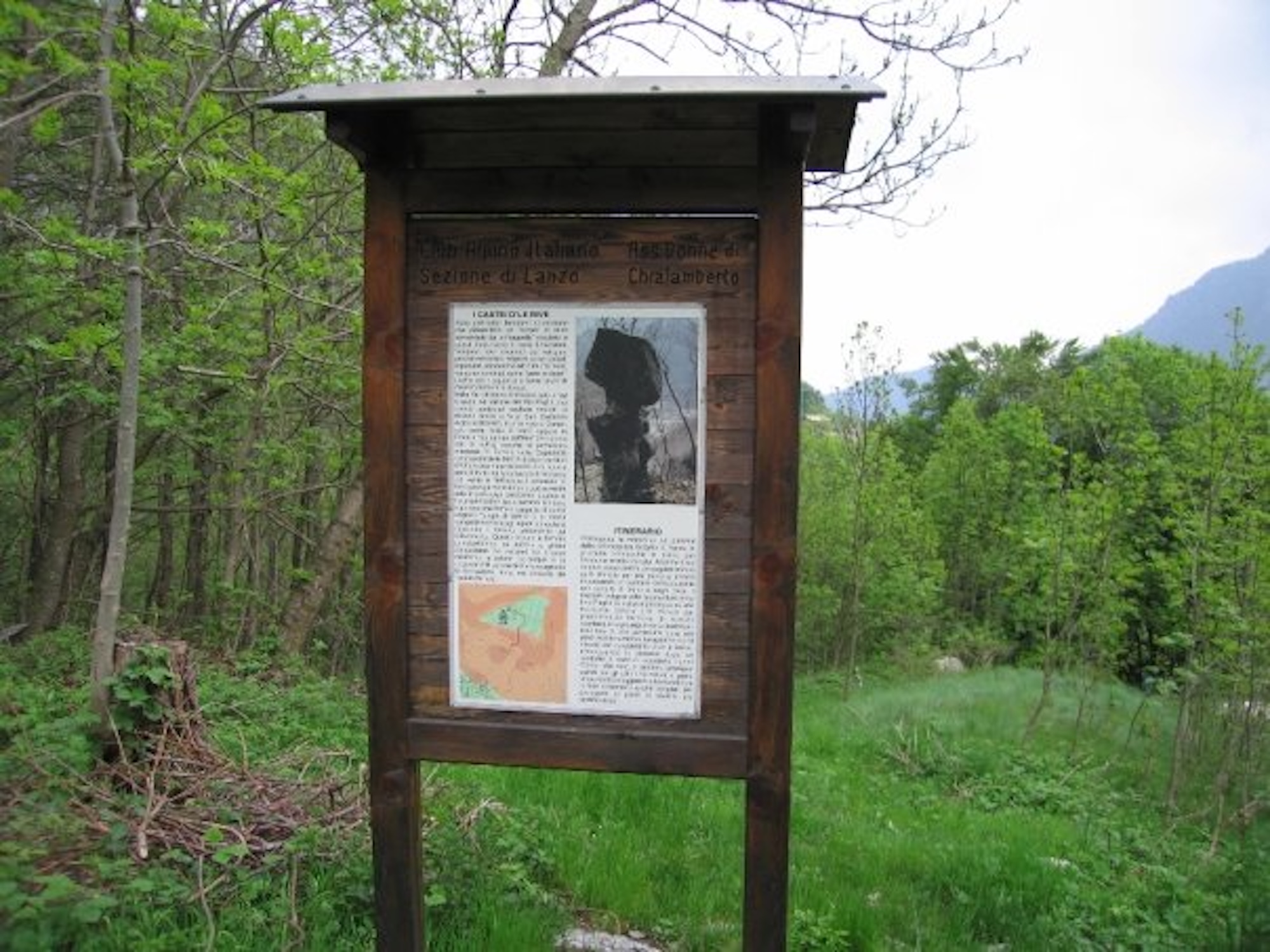
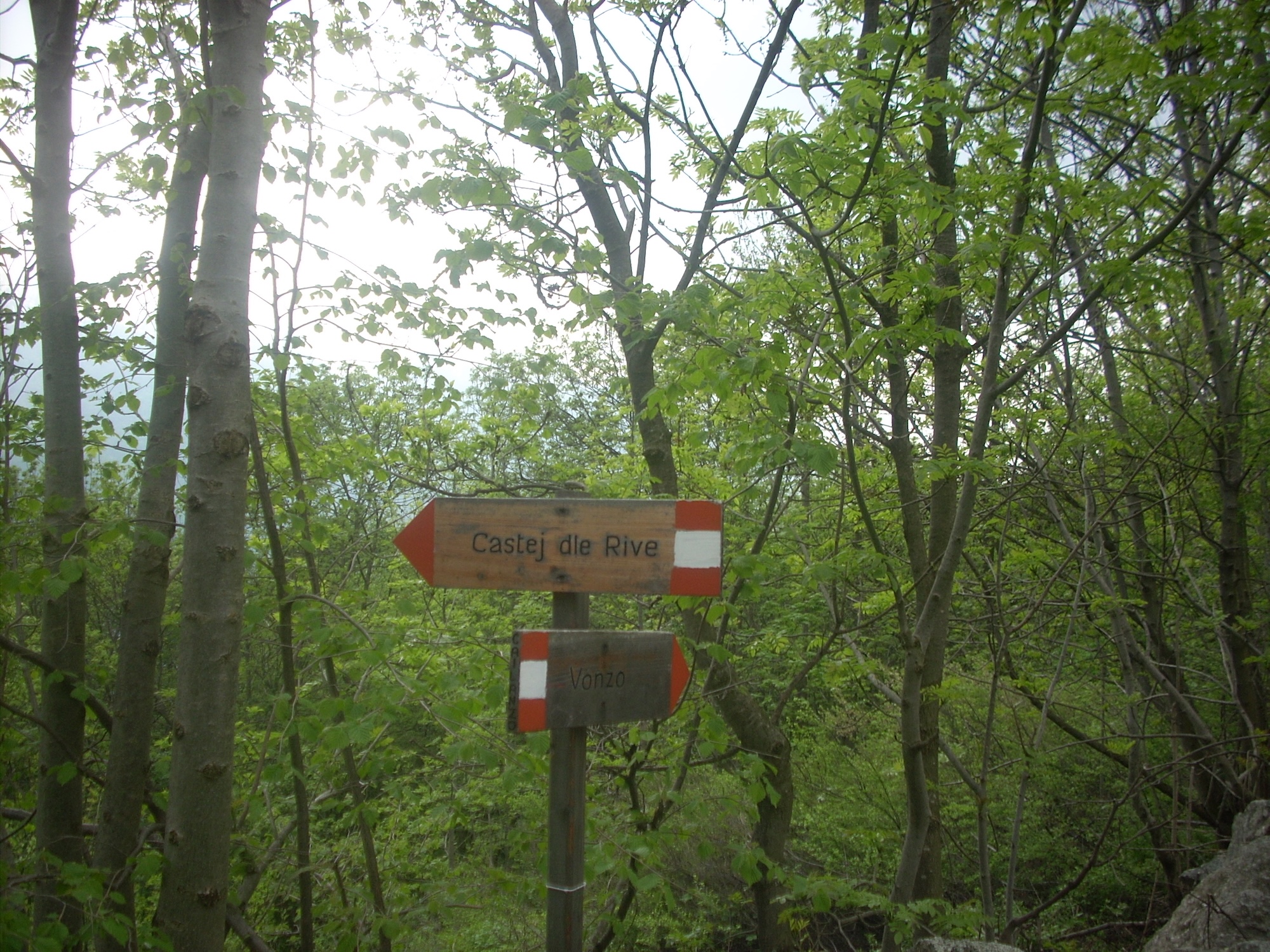
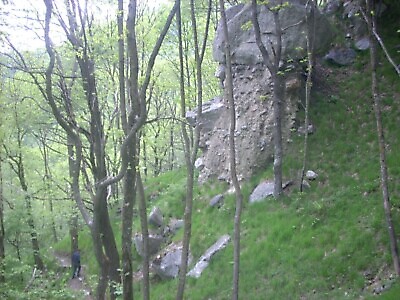
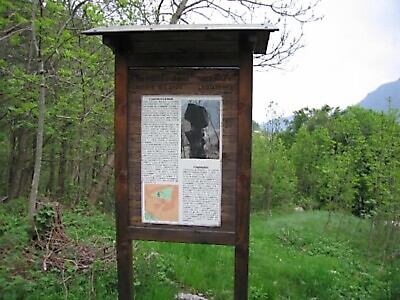
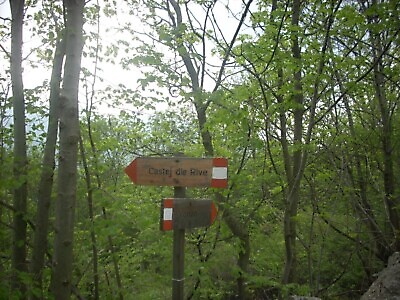
After parking in the square of the picturesque hamlet of Vonzo, continue almost flat along the obvious track. At the first junction, turn right and continue on the track, then left onto a path marked with a wooden sign and red waymarks. The route heads downhill towards Paglia Brook (on the left) and continues along a clear ridge (15 minutes from the square). At the end of this ridge, continue right to descend into a distinctive area with numerous terraces and characteristic dry-stone walls (10 minutes). Continuing the descent, after around a hundred metres you encounter the first Casteij d'le rive (over six can be counted, all numbered). The path then continues for the final 10 minutes on the flat, heading north past further monoliths, both forming and fully formed, to reach the foot of the most striking one, marked with an information panel.
You might also like
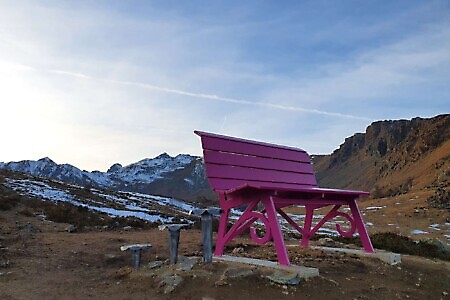
Big Bench #152
Via Bogliano (Mezzenile)The Big Bench of Mezzenile, number 152, is located at “Pian”, a plateau above the Colle della Dieta in the...
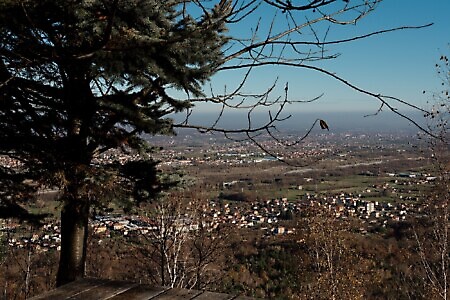
Ca’ Bianca
Monasterolo di Cafasse, (TO) (Cafasse)In the past, Ca’ Bianca was a small forestry hut, later converted into a recreational spot with tables and a...
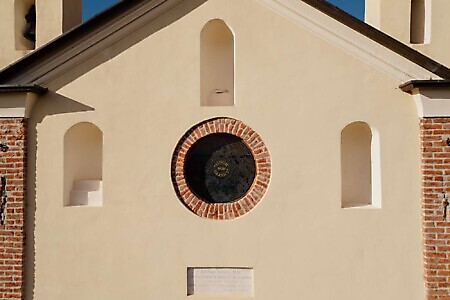
Church of Maria Ausiliatrice
Frazione Santa Maria (Givoletto)The chapel has a single-hall rectangular plan, covered by a pitched timber ceiling with exposed trusses. The chapel’s interior features...
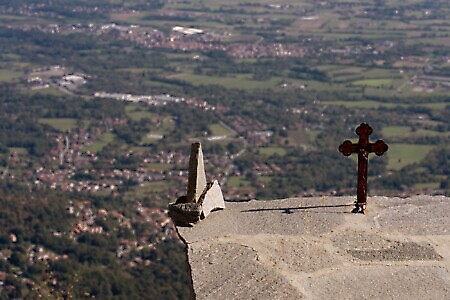
Church of the Madonna della Neve
Givoletto (Givoletto)The Chapel of the Madonna della Neve was built in 1855 on Monte Sap (at 1,215 m above sea level)....
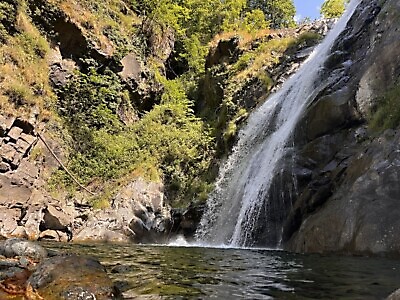
Ovarda Waterfall
Da Via Villaretti, seguire le indicazioni CAI per il sentiero 131 (Lemie)Ovarda is one of the most captivating natural gems in the town of Lemie. Located a short distance from the...
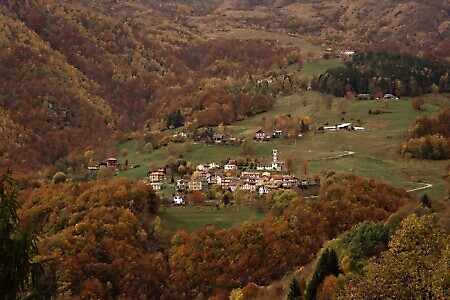
Tornetti Village and Roc Sapai
Frazione Tornetti (Viù)Tornetti is a small hamlet located in the town of Viù, within the valley that shares its name. It is...